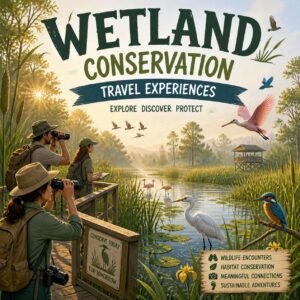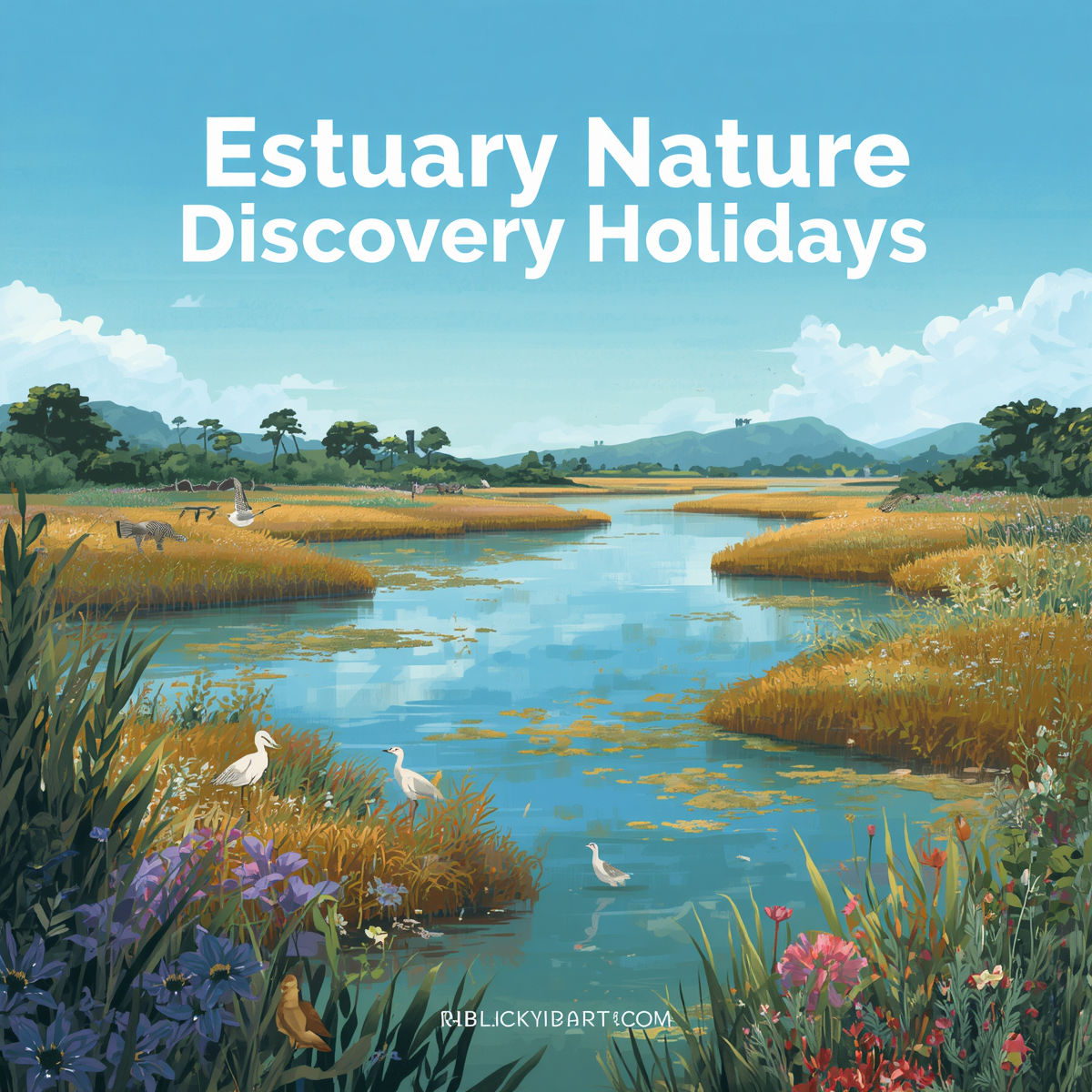
Estuary nature discovery holidays offer a wonderful opportunity to explore coastal wetlands, observe fascinating wildlife, and experience some of the most valuable natural environments in the world. Where rivers meet the sea, they create unique landscapes shaped by tides, freshwater, saltwater, and changing weather conditions. These environments support a rich variety of wildlife and provide peaceful settings for nature lovers, photographers, birdwatchers, and outdoor travellers.
From muddy shorelines and salt marshes to tidal lagoons and winding waterways, estuaries contain a remarkable mixture of habitats. Birds search for food along exposed mudflats, fish use sheltered waters as feeding and nursery grounds, and specialised plants grow in areas influenced by changing salinity. Every tide can transform the landscape, revealing new patterns and opportunities for wildlife observation.
For travellers who prefer meaningful outdoor experiences, estuary nature holidays offer more than beautiful views. They provide an opportunity to understand coastal ecosystems, learn about wildlife conservation, and appreciate the relationship between natural habitats and local communities.
Whether you are planning a relaxing weekend by the coast, a birdwatching trip, or a longer journey through scenic wetlands, estuary destinations offer memorable experiences for different types of travellers. With thoughtful planning and responsible behaviour, you can discover these fascinating landscapes while helping protect the wildlife that depends on them.
What Makes Estuaries Special?
An estuary is a coastal environment where freshwater from rivers mixes with saltwater from the sea. The exact conditions change with the tides, rainfall, river flow, and shape of the coastline.
This combination creates a dynamic ecosystem that supports a wide range of plants and animals. Some areas contain extensive mudflats, while others feature salt marshes, sandbanks, shallow channels, or mangrove forests.
Many estuaries are especially important for migratory birds. During seasonal journeys, birds may stop at these locations to feed and rest before continuing to their next destination. The exposed mud can contain worms, shellfish, and other small organisms that provide valuable food.
Estuaries also support fish and other aquatic animals. In some regions, sheltered waters provide important nursery habitats for young fish before they move into deeper coastal waters.
For visitors, the main attraction is the variety of natural experiences available in one location. A single estuary visit may include birdwatching, coastal walking, photography, boat trips, and opportunities to learn about conservation.
Why Choose Estuary Nature Discovery Holidays?
Discover Unique Coastal Wildlife
Estuaries attract wildlife because they offer food, shelter, and a variety of habitats. Depending on the location and season, visitors may observe curlews, oystercatchers, sandpipers, herons, egrets, ducks, and other waterbirds.
Some estuaries also support seals, otters, crabs, fish, and other animals. Wildlife sightings vary according to local conditions, so patience is often more rewarding than trying to find every species during one visit.
A pair of binoculars and a quiet approach can improve the experience. Guided wildlife tours may also help visitors recognise different species and understand their behaviour.
Enjoy Peaceful Coastal Landscapes
Estuaries often provide a quieter alternative to busy seaside resorts. Their wide horizons, winding waterways, open mudflats, and changing skies create a calm atmosphere that suits travellers looking to spend more time outdoors.
Walking beside an estuary can be especially enjoyable during early mornings or late afternoons, when the light changes across the water and birds become easier to observe.
Some locations have established paths and viewing platforms, while others offer guided excursions through more remote coastal areas.
Learn About Nature and Conservation
Estuary holidays can help travellers understand the importance of protecting coastal ecosystems. These environments support biodiversity, store carbon in certain habitats, and help buffer some coastal areas against waves and erosion.
Salt marshes and mangrove forests can also trap sediment and contribute to the natural movement and storage of carbon. Their ability to provide these benefits depends on their condition and the wider coastal environment.
By visiting reserves, joining educational walks, and learning from local guides, travellers can gain a better understanding of the pressures affecting estuaries, including pollution, habitat loss, development, and changing environmental conditions.
Best Destinations for Estuary Nature Discovery Holidays
The world offers many excellent estuary destinations, from protected British coastlines to tropical river mouths and internationally important wetlands. The following locations provide inspiration for your next nature-focused trip.
1. The Severn Estuary, England and Wales
The Severn Estuary is one of the most distinctive coastal environments in the United Kingdom. It is known for its exceptionally large tidal range, broad mudflats, salt marshes, and extensive areas of intertidal habitat.
These conditions create important feeding grounds for many birds, particularly during migration and winter. Depending on the season and location, visitors may see waders, wildfowl, and other species searching for food along the shoreline.
The wider estuary region includes nature reserves, coastal paths, and viewpoints where visitors can observe the landscape without entering sensitive areas. It also provides opportunities to learn about the relationship between tidal movements, coastal communities, and wildlife.
Because tidal conditions can change rapidly, visitors should check local tide tables before exploring exposed shorelines. Mudflats may appear easy to cross but can contain deep mud and channels that become dangerous when the tide returns.
2. The Exe Estuary, Devon, England
The Exe Estuary in Devon offers an attractive combination of waterways, mudflats, salt marshes, and coastal scenery. It is an important location for wintering and migratory birds, making it a popular choice for birdwatchers and nature enthusiasts.
The surrounding area provides several ways to explore the landscape. Visitors can enjoy sections of the Exe Estuary Trail, observe wildlife from suitable viewpoints, or take authorised boat excursions where available.
The nearby towns and coastal communities make it convenient to combine nature discovery with local food, accommodation, and relaxed seaside activities.
Winter can be especially rewarding for observing certain visiting bird species, although wildlife activity varies throughout the year. Bring binoculars, dress for changing coastal weather, and remain on established paths to protect sensitive habitats.
3. The Tagus Estuary, Portugal
The Tagus Estuary near Lisbon is one of Europe’s important wetland environments. Its extensive tidal flats, salt marshes, shallow waters, and reed beds provide habitats for a wide range of birds.
Despite its proximity to a major urban area, the estuary contains valuable natural spaces where visitors can experience wildlife and understand the importance of wetland protection.
The Tagus Estuary Nature Reserve offers opportunities for birdwatching and nature observation. Depending on the season, visitors may encounter flamingos, herons, waders, and other waterbirds.
The area is particularly appealing to travellers who want to combine a city break with outdoor exploration. It is possible to enjoy Lisbon’s cultural attractions while setting aside time to discover the surrounding wetland landscape.
Visitors should use designated observation areas and avoid approaching bird feeding or nesting locations.
4. The Ebro Delta, Spain
The Ebro Delta in northeastern Spain is a remarkable coastal wetland shaped by the river as it reaches the Mediterranean Sea. It contains lagoons, rice fields, beaches, shallow waterways, and extensive bird habitats.
The delta is especially well known for its birdlife. Depending on the season, visitors may observe flamingos, herons, egrets, terns, and many migratory species.
Cycling and walking routes provide ways to explore the landscape at a relaxed pace. Designated viewpoints and birdwatching areas allow visitors to observe wildlife without entering sensitive habitats.
The Ebro Delta also illustrates how nature and human activity can exist alongside one another. Agriculture, fishing, tourism, and conservation all play a role in the region, making it an interesting destination for travellers who want to understand the challenges of managing coastal wetlands.
Check local conditions before travelling, particularly during hot weather or periods when strong winds affect coastal activities.
5. The Sundarbans, Bangladesh and India
The Sundarbans contain one of the world’s largest continuous mangrove forest regions, spread across the delta of the Ganges, Brahmaputra, and Meghna river systems.
This complex environment includes tidal channels, muddy banks, islands, and mangrove vegetation. It supports a wide variety of birds, fish, reptiles, and mammals, making it an extraordinary destination for nature-focused travel.
Guided boat trips can provide an introduction to mangrove ecology and the role these forests play in coastal environments. Visitors may learn how mangrove roots provide shelter for aquatic species, trap sediment, and contribute to the protection of some shorelines.
The region is also known for its Bengal tigers, although sightings are rare and should never be expected. Wildlife observation must always follow local rules and the guidance of authorised operators.
Because the Sundarbans are ecologically sensitive and some areas have specific entry requirements, travellers should arrange visits through reputable local providers and respect protected-area restrictions.
6. The San Francisco Bay Estuary, United States
The San Francisco Bay Estuary combines tidal wetlands, salt marshes, mudflats, shallow bays, and restored coastal habitats. It provides important feeding and resting areas for migratory birds and supports many other species.
Visitors can explore selected wetland areas through walking trails, wildlife refuges, educational centres, and designated observation platforms.
The wider bay region also offers opportunities to learn about wetland restoration. Some areas have been managed to restore tidal flow and improve habitats for native plants and animals.
For travellers interested in environmental education, the region demonstrates how conservation programmes can help protect wildlife while responding to the pressures of urban development.
Choose authorised routes, avoid disturbing wildlife, and check local reserve guidance before visiting.
Activities to Enjoy During an Estuary Holiday
Estuary destinations offer more than traditional sightseeing. Their varied habitats create opportunities for activities that combine relaxation, learning, and outdoor adventure.
Birdwatching and Wildlife Photography
Birdwatching is one of the most rewarding activities in estuary environments. Tidal mudflats and shallow waters often attract birds searching for food, while salt marshes provide shelter for other species.
Bring binoculars and a camera with a suitable zoom lens if you enjoy wildlife photography. Early morning and late afternoon may offer attractive lighting, but the best observation times also depend on tides and bird behaviour.
Keep a respectful distance from wildlife, remain quiet near feeding areas, and avoid approaching nests. If birds become restless or repeatedly move away from you, give them more space.
Coastal Walking and Nature Trails
Walking routes around estuaries allow visitors to explore the landscape at a comfortable pace. Trails may pass through salt marshes, alongside rivers, or around the edges of protected wetlands.
Some routes are suitable for families and beginners, while longer coastal paths may require greater stamina and preparation.
Before setting out, check the route length, surface conditions, tide information, and weather forecast. Avoid walking across exposed mudflats unless the route is officially designated as safe and you understand the local conditions.
Guided Boat Trips
In some estuaries, authorised boat trips provide a different perspective on the surrounding environment. Visitors may travel through tidal channels, view mangrove forests, or learn about local wildlife from experienced guides.
Choose operators that follow speed restrictions, maintain suitable distances from animals, and avoid entering restricted habitats.
Boat trips are not suitable in every location or weather condition, so check availability and safety guidance in advance.
Nature Education and Conservation Activities
Visitor centres, nature reserves, and conservation organisations may offer educational sessions about birds, wetlands, water quality, and habitat restoration.
Some organisations provide supervised opportunities to support conservation work. Before joining a paid programme, check what the activity involves, how it benefits the environment, and whether it is organised by a credible local group.
Responsible participation should support local conservation priorities rather than create unnecessary disturbance to wildlife.
How to Plan a Successful Estuary Nature Holiday
A little preparation can make an estuary visit safer, more comfortable, and more rewarding.
Choose the Best Season
Wildlife activity changes throughout the year. Some estuaries are especially valuable during migration, while others offer excellent birdwatching during winter or the breeding season.
Research your destination to understand which species are likely to be present during your visit. Keep in mind that sightings depend on weather, food availability, tides, and natural variation.
Check the Tides and Weather
Tides are one of the most important factors to consider when exploring coastal wetlands. Areas that appear safe at low tide may become submerged or cut off when the water rises.
Consult reliable local tide tables and follow official access advice. Never rely only on what the water looks like when you arrive.
Coastal weather can also change quickly. Pack a waterproof jacket, comfortable walking shoes, suitable layers, sun protection, and enough drinking water for your planned activities.
Bring Useful Wildlife Equipment
Binoculars can help you observe birds without moving too close. A camera, notebook, field guide, and reusable water bottle may also improve the experience.
You do not need expensive equipment to enjoy an estuary holiday. Comfortable clothing, patience, and an interest in nature are often more important than specialist gear.
Support Local Communities
Choose locally operated accommodation, responsible guides, and businesses that respect environmental regulations. Local people often have valuable knowledge about wildlife, tides, seasonal conditions, and regional traditions.
Supporting local services can help tourism benefits reach the communities connected to the estuary.
Protecting Coastal Wetlands Through Responsible Tourism
Estuaries are dynamic but sensitive environments. Human activity can damage their habitats through pollution, disturbance, development, and the destruction of vegetation.
Travellers can reduce their impact by following a few simple principles.
First, take all rubbish with you and avoid leaving plastic or food waste near the water. Waste can enter waterways and threaten wildlife.
Second, remain on designated trails and viewing platforms. Salt marshes and other wetland habitats can be easily damaged by repeated trampling.
Third, never feed wild animals or attempt to touch them. Human food can change animal behaviour and may cause harm.
Finally, respect restricted areas, seasonal closures, and local wildlife guidance. These measures help protect breeding birds, feeding grounds, and sensitive vegetation.
Visitors who want to make a wider contribution can consider supporting established conservation organisations after researching their work and transparency.
Who Should Choose Estuary Nature Discovery Holidays?
Estuary holidays are suitable for many different travellers. Birdwatchers can observe seasonal visitors, photographers can capture dramatic coastal scenery, and nature enthusiasts can learn about the relationships between rivers, tides, and wildlife.
Families may enjoy accessible nature trails and visitor centres, while solo travellers can appreciate the peaceful atmosphere of quieter coastal areas. Students and environmentally minded visitors may also find these trips valuable for learning about habitat protection.
Many estuaries offer gentle walking routes, making them suitable for people who prefer relaxed outdoor activities rather than demanding hikes. However, access conditions vary, so travellers should always check whether a route meets their mobility and fitness needs.
The best experience comes from choosing a destination that matches your interests and allowing enough time to appreciate the landscape without rushing.
Conclusion
Estuary nature discovery holidays offer a rewarding way to explore coastal wetlands and fascinating wildlife habitats. From the bird-rich waters of the Exe Estuary in England and the Tagus Estuary in Portugal to the diverse landscapes of Spain’s Ebro Delta and the mangrove forests of the Sundarbans, these destinations reveal the remarkable value of places where rivers meet the sea.
Each estuary has its own character, wildlife, and conservation challenges. By learning about these ecosystems, travellers can develop a greater appreciation for the natural processes that support biodiversity and coastal communities.
Careful planning, awareness of tides, respect for wildlife, and responsible travel choices help make these journeys both enjoyable and environmentally considerate.
Whether you are planning a birdwatching weekend, a coastal photography trip, or a wildlife-focused holiday, estuaries provide countless opportunities to discover nature at its most dynamic. Explore these remarkable habitats with Larski Travel and make your next journey an opportunity to appreciate and protect the natural world.