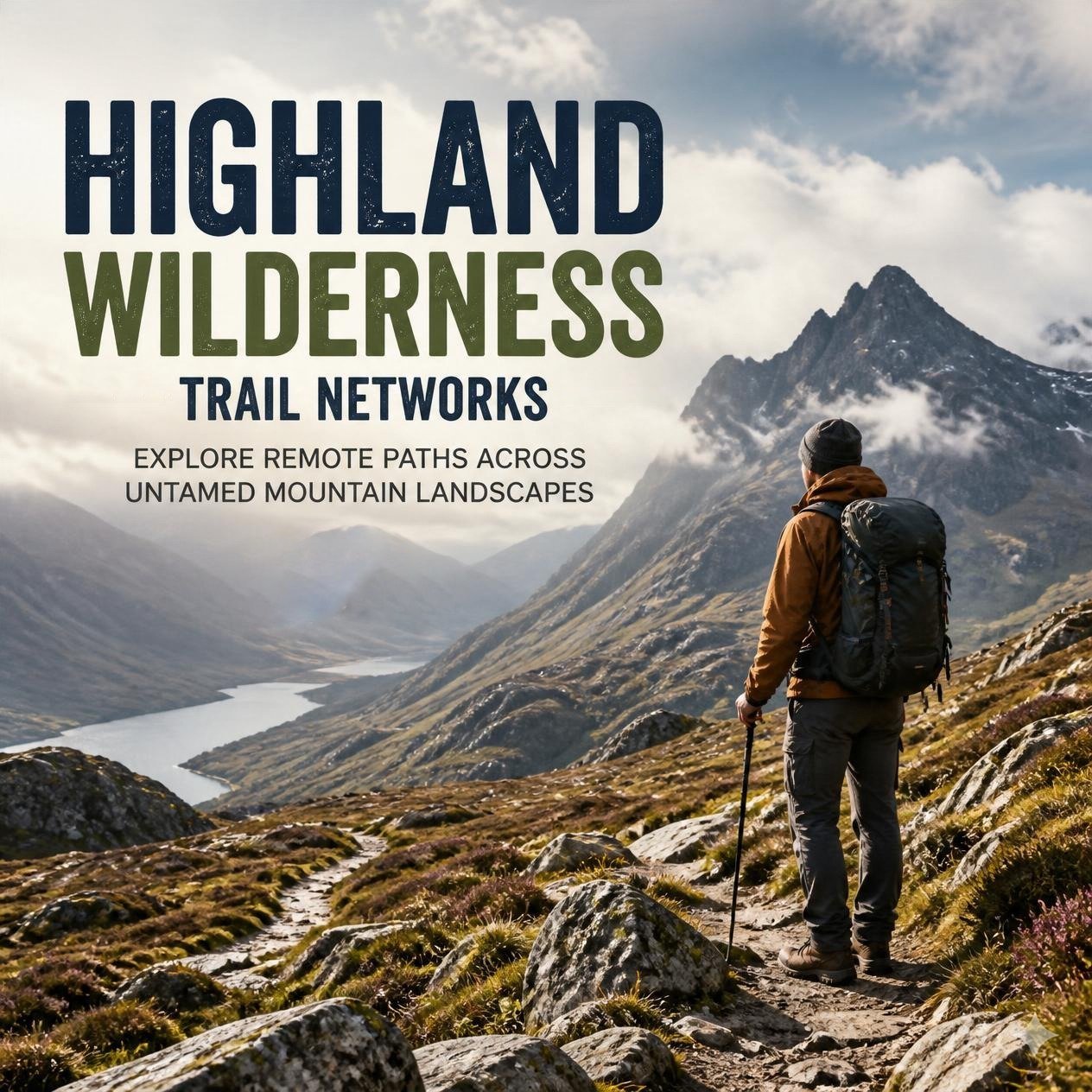
Highland wilderness trail networks offer an incredible way to discover remote mountain landscapes, peaceful valleys, rugged hills, and untouched natural scenery. These trails take travellers away from busy roads and crowded tourist destinations, allowing them to experience the beauty of the outdoors at a slower and more rewarding pace. From mist-covered Scottish hills to the wild mountain regions of Scandinavia, highland trails create opportunities for adventure, exploration, and a deeper connection with nature.
For hikers who enjoy peaceful surroundings and challenging outdoor journeys, highland wilderness trails can be an excellent choice. They may pass through open moorland, rocky ridges, green valleys, ancient forests, and remote settlements. Every section of a trail offers something different, whether it is a wide mountain view, a quiet woodland path, or the chance to observe wildlife in its natural habitat.
Unlike short sightseeing walks, wilderness trail networks often connect several routes across a large region. This allows travellers to plan day hikes, multi-day walking holidays, or longer journeys that explore different landscapes within one trip. With suitable preparation and responsible travel habits, these adventures can become unforgettable experiences.
What Are Highland Wilderness Trail Networks?
Highland wilderness trail networks are connected walking routes that cross elevated, often sparsely populated landscapes. They may include established hiking paths, mountain tracks, old rural roads, forest trails, and routes linking remote valleys or villages.
Some networks are clearly marked and supported by visitor facilities, while others cross more isolated terrain where navigation skills and careful planning are essential. Their main attraction is the variety of landscapes they connect and the freedom they offer travellers to choose routes according to their interests and abilities.
Highland environments are often known for changing weather, open terrain, dramatic views, and distinctive plant and animal life. A single journey might begin beside a mountain lake, cross exposed moorland, follow a rocky path, and finish in a quiet village.
These routes are not limited to experienced mountaineers. Many regions offer easier walking options alongside more demanding trails, making it possible for different types of travellers to enjoy the highlands safely.
Why Explore Remote Highland Trails?
Escape Crowded Tourist Destinations
One of the biggest attractions of highland wilderness travel is the opportunity to enjoy quieter surroundings. While popular mountain viewpoints can become busy during peak travel seasons, less-visited routes may provide a more peaceful experience.
Walking through remote terrain allows travellers to focus on the natural environment without constant distractions. The sound of wind across the hills, flowing streams, and birds calling from nearby woodland can make even a simple walk feel special.
Choosing a quieter trail does not mean sacrificing beautiful scenery. In many cases, less-frequented routes provide equally impressive views and a stronger sense of discovery.
Experience Diverse Mountain Landscapes
Highland trail networks often connect several types of terrain within one region. Travellers may move between grassy slopes, rocky hillsides, deep valleys, forested areas, and open plateaus.
This variety makes longer walking holidays especially rewarding. Instead of seeing the same landscape throughout the trip, hikers can experience how the scenery changes with elevation, weather, and geography.
The changing conditions also create excellent opportunities for landscape photography and nature observation.
Improve Physical Fitness and Mental Wellbeing
Walking in mountain environments provides a practical way to stay active while exploring new places. Uneven trails, gradual climbs, and longer distances can help improve endurance and balance.
Time outdoors can also provide a welcome break from screens, busy schedules, and everyday responsibilities. The steady rhythm of walking encourages travellers to slow down, appreciate their surroundings, and enjoy the journey rather than concentrating only on reaching the destination.
However, hikers should choose routes that match their fitness levels and allow enough time for rest.
Best Destinations for Highland Wilderness Trail Networks
Several regions around the world are ideal for travellers who want to explore remote paths across untamed mountain landscapes. Each destination offers its own character, from rugged northern hills to quiet European mountain valleys.
1. Assynt and Coigach, Scottish Highlands
Assynt and Coigach in northwestern Scotland are known for their distinctive mountains, open moorland, freshwater lochs, and wide-ranging views. The landscape feels wonderfully spacious, with isolated peaks rising above a mixture of rocky ground, grassland, and scattered settlements.
The region offers walking opportunities for different experience levels. Some routes lead to viewpoints overlooking the surrounding mountains, while more demanding paths cross rough terrain and require careful navigation.
Unlike heavily developed mountain destinations, much of the area retains a remote character. This makes it appealing to hikers who prefer natural scenery and quieter trails over busy visitor centres.
Weather can change quickly, even during warmer months. Waterproof clothing, suitable footwear, a map, and a realistic understanding of the route are essential when exploring the region.
2. Rondane National Park, Norway
Rondane National Park is one of Norway’s outstanding mountain wilderness areas. Its landscape includes broad valleys, rocky peaks, open plateaus, and extensive walking terrain.
The park has a network of marked routes and mountain huts that can support both day walks and longer hiking journeys. Travellers can select shorter trails for scenic exploration or plan more demanding routes that cross remote sections of the mountain region.
Rondane is particularly attractive to people who enjoy open mountain scenery and the feeling of travelling through a large natural landscape. Wildlife, changing light, and clear mountain air add to the experience.
Conditions vary by season, and snow can remain at higher elevations after winter. Visitors should check trail information, mountain hut availability, and local weather forecasts before setting out.
3. Jotunheimen, Norway
Jotunheimen is a dramatic mountain region featuring high peaks, glacial lakes, steep valleys, and some of Norway’s best-known hiking routes. Although certain trails attract many visitors, the wider region offers opportunities to plan quieter journeys away from the busiest paths.
Experienced hikers can explore longer mountain routes, while less experienced walkers can choose shorter excursions that provide impressive views without requiring a full-day mountain crossing.
The terrain is varied, and some routes involve steep climbs, exposed sections, or difficult weather conditions. Hikers should review route descriptions carefully and avoid underestimating the physical demands of mountain walking.
For those who want to experience northern European wilderness, Jotunheimen combines striking scenery with a wide range of hiking possibilities.
4. Rodna Mountains, Romania
The Rodna Mountains in northern Romania offer a distinctive highland experience with long ridgelines, alpine meadows, forested slopes, and remote valleys. The region is part of the Eastern Carpathians and provides opportunities to explore landscapes that feel different from the more familiar Alpine destinations.
Walking routes pass through varied terrain, with some trails leading to high viewpoints and others crossing quieter forest and meadow areas. During suitable seasons, alpine plants add colour to the landscape, while the surrounding mountains create impressive views across the Carpathian region.
Some paths are less developed than those found in heavily visited European mountain areas. Travellers should therefore research trail markings, accommodation, transport, and navigation requirements before starting a longer walk.
The Rodna Mountains are a rewarding option for hikers who want to discover a less familiar part of Europe’s mountain landscape.
5. Tatra Mountains, Poland and Slovakia
The Tatra Mountains form a striking mountain range along the border between Poland and Slovakia. They feature rocky summits, clear lakes, forested valleys, and steep mountain trails.
The region has a substantial hiking network, with routes ranging from relatively accessible valley walks to challenging high-mountain paths. Visitors can enjoy scenic areas around mountain lakes or select more demanding routes where permitted and appropriate for their experience.
Some popular sections become busy during the main summer season. Travellers looking for a quieter experience can investigate less-crowded routes and visit outside peak periods, while still respecting local access rules.
Mountain weather can change quickly, and certain paths may be closed seasonally or require specific experience. Always check official park guidance before setting out.
6. Cairngorms, Scottish Highlands
The Cairngorms offer extensive mountain landscapes, pine forests, open moorland, rivers, and broad valleys. The national park contains a range of outdoor routes, making it suitable for travellers seeking both relaxed walks and demanding wilderness experiences.
Some paths follow established tracks through forests and glens, while other routes cross exposed upland terrain where weather and navigation require greater attention.
The region is also known for its distinctive wildlife and natural habitats. Careful observation may reveal mountain birds, deer, and other animals adapted to the conditions of the Scottish Highlands.
Visitors should avoid disturbing wildlife, follow designated access guidance, and remember that remote routes may have limited mobile reception.
Activities to Enjoy Along Highland Wilderness Trails
A well-planned trail holiday can include much more than walking from one point to another. The surrounding landscape offers many ways to make the journey memorable.
Multi-Day Hiking Adventures
Multi-day hiking allows travellers to explore a larger area and experience the changing character of a mountain region. Depending on the destination, routes may connect villages, mountain huts, campsites, or other established overnight stops.
Before booking, check daily distances, elevation gain, water availability, accommodation arrangements, and transport connections. A route that looks manageable on a map can become challenging when poor weather or steep terrain is involved.
A flexible itinerary provides time to rest, enjoy viewpoints, and adjust plans when conditions change.
Nature Watching and Landscape Photography
Highland environments offer excellent opportunities for observing wildlife and capturing natural scenery. Morning mist, mountain reflections, changing cloud patterns, and evening light can create beautiful photographic conditions.
Travellers should keep a respectful distance from animals and avoid leaving established paths where this could damage fragile vegetation or disturb nesting wildlife.
A camera or smartphone can be useful, but the experience is equally rewarding when visitors take time to appreciate the surroundings without constantly looking through a screen.
Forest and Valley Exploration
Many highland trail networks include woodland paths and valley routes that provide a different atmosphere from exposed mountain ridges. Forest walks can offer shelter from wind, while valley trails often follow rivers, streams, or traditional routes between settlements.
These areas may be suitable for travellers who prefer moderate distances or want to include easier walking days within a longer trip.
Cultural and Local Discovery
Remote mountain regions are often connected to distinctive local traditions, historic settlements, and long-established ways of life. Visiting local communities can help travellers understand the relationship between people and the surrounding landscape.
Consider using local guides, staying in locally operated accommodation, and supporting nearby businesses. These choices can contribute to the regional economy while providing a richer travel experience.
How to Prepare for a Highland Wilderness Journey
Preparation helps make a remote hiking holiday safer, more comfortable, and more enjoyable.
Choose the Right Route
Start by assessing your walking experience, fitness, available time, and preferred level of challenge. Consider both the total distance and the amount of climbing involved.
Read reliable route descriptions and check whether paths are marked, exposed, or difficult to navigate. If you are new to mountain hiking, begin with established routes and consider joining a guided walk.
Pack Suitable Clothing and Equipment
Mountain weather can change rapidly, so layers are generally more useful than relying on a single heavy garment. Waterproof and wind-resistant clothing, comfortable hiking boots, extra socks, and a warm layer can make a significant difference.
Carry enough food and drinking water for the planned journey, along with a first-aid kit, a headlamp, and a charged phone. For remote routes, bring a suitable map and compass or another dependable navigation system, and know how to use them.
The equipment required will depend on the season, route length, and availability of facilities.
Check Weather and Daylight
Always review the forecast before leaving. Strong winds, heavy rain, low visibility, and cold temperatures can make exposed trails dangerous.
Plan to finish well before darkness, particularly if you are unfamiliar with the terrain. In remote areas, allow additional time for difficult ground and unexpected delays.
Share Your Plans
Tell a trusted person where you intend to walk and when you expect to return. For longer routes, make sure someone knows your planned overnight stops and any alternative arrangements.
If conditions become unsafe, turn back or choose a lower-risk route. Reaching a summit or completing a planned distance is never more important than personal safety.
Responsible Travel in Mountain Wilderness Areas
Highland environments may appear strong and untouched, but many contain fragile habitats that can be damaged by careless visitor behaviour.
Stay on established paths where appropriate, take all rubbish with you, and avoid disturbing plants, animals, or natural features. Follow local guidance regarding camping, fires, and overnight stays.
Keep noise to a reasonable level and respect other walkers who are visiting for peace and quiet. When travelling with a group, avoid spreading across fragile ground or blocking narrow paths.
Weather and trail conditions can also affect the local environment. Follow closures and access restrictions, particularly during periods of ecological sensitivity or dangerous weather.
Responsible hiking helps protect these landscapes so that future visitors can enjoy their beauty.
Who Can Benefit From Highland Wilderness Trail Networks?
Highland wilderness trails appeal to a wide range of travellers. Experienced hikers may enjoy challenging ridgelines and multi-day routes, while beginners can choose shorter walks through valleys and forests.
Nature enthusiasts can observe wildlife and mountain habitats, photographers can explore dramatic scenery, and solo travellers may appreciate the opportunity to spend time in peaceful surroundings. Families can also enjoy suitable routes when the terrain, distance, and weather conditions are appropriate.
The most important step is to select a journey that matches your abilities. Remote trails should not be treated as easy simply because they are quiet or far from busy tourist areas.
Conclusion
Highland wilderness trail networks provide an exciting way to explore remote paths, untamed mountain landscapes, and some of the most peaceful natural environments in the world. From the dramatic scenery of Scotland’s Assynt region to the open mountain terrain of Norway’s Rondane National Park and the lesser-known trails of Romania’s Rodna Mountains, each destination offers a different reason to venture outdoors.
A successful journey combines thoughtful route planning, suitable equipment, weather awareness, and respect for the natural environment. Travellers who prepare carefully can enjoy the freedom of remote hiking while reducing unnecessary risks.
Whether you are planning a short countryside walk or a multi-day mountain adventure, highland wilderness trails offer the chance to slow down, discover unfamiliar landscapes, and create lasting memories. Explore responsibly with Larski Travel and find your own path through the beauty of the highlands.