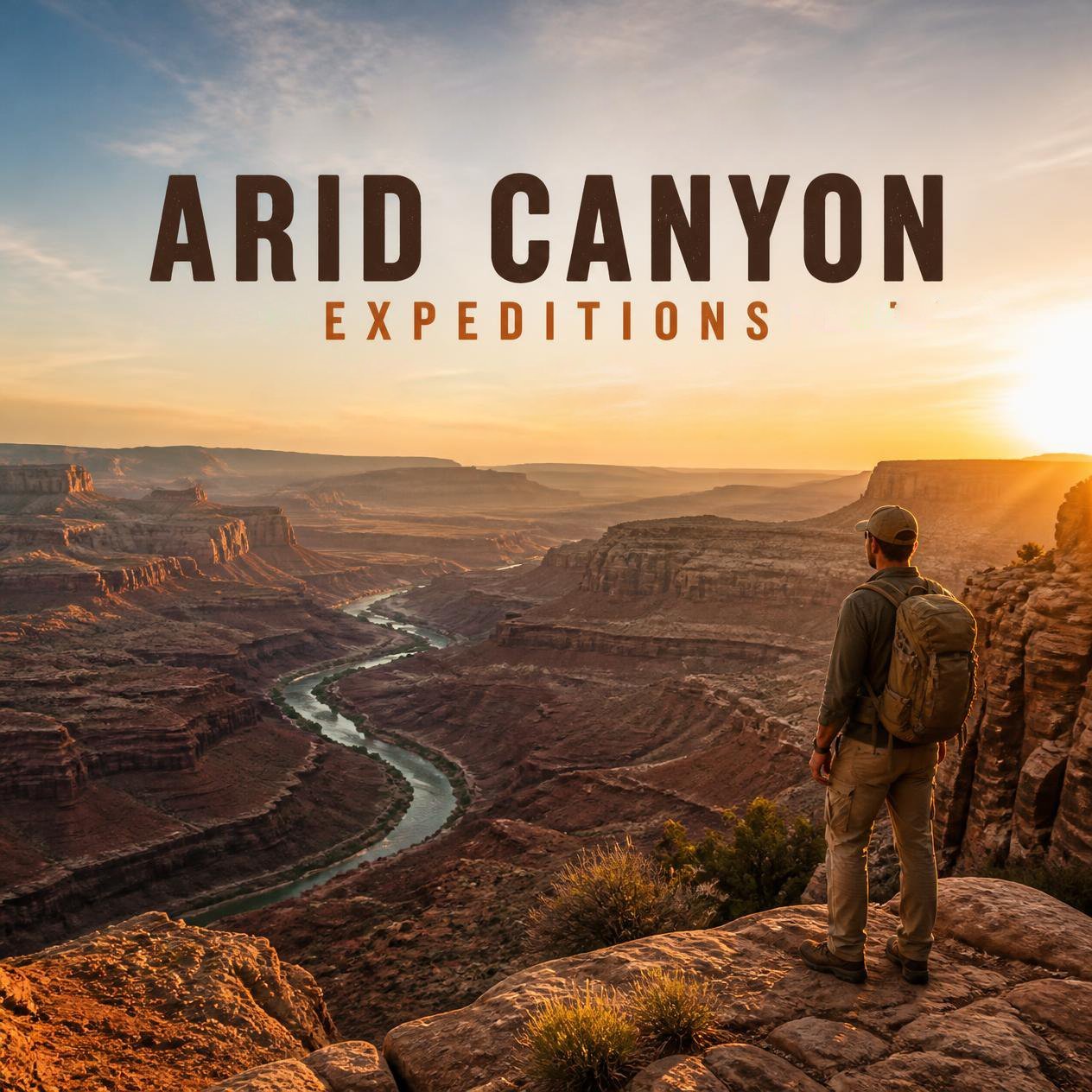
Arid canyon expeditions offer an unforgettable way to explore some of the world’s most dramatic natural environments. From towering sandstone cliffs and narrow rocky passages to vast desert valleys and ancient riverbeds, these landscapes reveal the beauty of nature in its most rugged form. For travellers who enjoy outdoor adventures, remote destinations, and peaceful surroundings, canyon exploration provides a unique experience far away from busy cities and crowded tourist attractions.
Unlike traditional holidays, arid canyon expeditions combine exploration, physical activity, natural history, and the excitement of discovering unfamiliar terrain. Every route can reveal something different, including unusual rock formations, hidden valleys, desert wildlife, and panoramic views across dry mountain ranges.
Whether you prefer guided canyon walks, multi-day desert trekking, photography trips, or challenging hiking routes, these journeys can introduce you to extraordinary landscapes across different parts of the world. With careful planning and responsible travel, an arid canyon adventure can become a memorable opportunity to connect with nature.
What Are Arid Canyon Expeditions?
Arid canyon expeditions are outdoor journeys through canyon systems located in dry or desert environments. These natural formations develop over long periods as flowing water, wind, temperature changes, and erosion gradually shape the surrounding rock. Even in places that receive very little rainfall, occasional storms can influence the landscape and create deep channels, steep walls, and winding passages.
Many arid canyons contain layers of sandstone, limestone, or other exposed rock that reveal the geological history of a region. Their colours can range from pale cream and golden yellow to deep red, orange, and brown. When sunlight reaches the canyon walls at different times of the day, the scenery changes dramatically.
An expedition may involve walking along canyon rims, following established trails through dry valleys, crossing open desert terrain, or exploring narrow passages with an experienced guide. Some journeys are suitable for beginners with reasonable fitness, while others require advanced navigation skills, specialist equipment, and previous experience in remote environments.
The main attraction is the opportunity to experience landscapes that feel wild, spacious, and remarkably different from everyday surroundings.
Why Explore Remote Canyons and Desert Landscapes?
Remote canyons offer more than impressive views. They provide opportunities to slow down, observe nature, and experience the outdoors in a more meaningful way.
Discover Extraordinary Geological Formations
Canyons often contain impressive rock structures formed over thousands or millions of years. Eroded cliffs, layered stone walls, narrow gorges, and natural arches demonstrate how geological processes gradually shape the Earth’s surface.
Walking through these environments allows travellers to observe details that may be missed from a viewpoint or vehicle. Different rock colours and textures can reveal how the landscape developed and changed over time.
Experience Peace and Open Space
Many desert regions have large areas with relatively few settlements. Once away from popular visitor centres, travellers may find quiet trails, expansive horizons, and remarkable views without constant crowds.
This sense of space is one of the strongest attractions of remote canyon travel. The silence, changing light, and natural surroundings create an opportunity to disconnect from daily routines and enjoy a slower pace.
Improve Outdoor Skills
Canyon expeditions can help travellers develop practical outdoor skills. Depending on the route, these may include map reading, navigation, walking on uneven ground, managing water supplies, and understanding changing weather conditions.
Guided trips can also introduce visitors to local geology, desert ecology, and traditional ways of living in dry environments.
Extraordinary Destinations for Arid Canyon Expeditions
The world contains many remarkable canyon landscapes, each offering a different combination of scenery, terrain, culture, and outdoor adventure. The following destinations provide inspiration for travellers planning a future expedition.
1. Fish River Canyon, Namibia
Fish River Canyon is one of Africa’s most impressive canyon landscapes. Located in southern Namibia, it features enormous rocky cliffs, winding riverbeds, and a vast landscape shaped by geological activity and erosion.
The canyon’s scale creates a powerful impression, particularly when viewed from elevated points overlooking its deep valley. The surrounding terrain includes dry hills, exposed rock, and wide desert scenery that appeals to hikers and landscape photographers.
Travellers can explore designated viewpoints and selected walking areas, while experienced hikers may consider longer routes when they are officially available. The well-known Fish River Canyon Hiking Trail is a demanding multi-day undertaking that is generally seasonal and subject to local access rules.
Because temperatures can become extreme, visitors should check current trail conditions, seasonal restrictions, and water availability before travelling. A guided excursion or a carefully planned visit to established viewpoints can be a better option for those who prefer a less demanding experience.
2. Colca Canyon, Peru
Colca Canyon in southern Peru provides a striking combination of deep valleys, steep slopes, traditional villages, and highland scenery. Although parts of the region are greener than a typical desert environment, the surrounding terrain includes dry slopes and rugged landscapes that make it an interesting option for travellers seeking dramatic canyon exploration.
Hiking routes around the canyon pass through changing elevations and offer views of the immense valley. Visitors may also encounter traditional settlements where local agriculture and cultural practices remain important parts of daily life.
The region is known for opportunities to observe Andean condors soaring above the canyon. These birds are an important attraction for nature enthusiasts and photographers.
Travellers should remember that some routes reach high elevations, which can make physical activity more demanding. Allowing time to adjust to the altitude, choosing suitable walking distances, and checking local guidance can help create a safer and more enjoyable journey.
3. Coloured Canyon, Sinai Peninsula, Egypt
The Coloured Canyon in Egypt’s Sinai Peninsula is known for its narrow passages and unusual rock patterns. Layers of sandstone display shades of red, yellow, orange, and brown, creating a visually distinctive environment.
Walking through the canyon can feel like entering a natural corridor surrounded by sculpted stone walls. The changing colours and textures make it especially attractive to photographers and travellers interested in geology.
The surrounding Sinai region also contains mountain scenery, desert plains, and established adventure routes. Visitors can combine a canyon excursion with a wider exploration of the area’s natural landscapes, provided the itinerary follows current local travel advice.
Because some passages are uneven or narrow, suitable footwear and guidance from a knowledgeable local operator are valuable. Conditions may also change after rain, so checking the weather before departure is essential.
4. Blyde River Canyon, South Africa
Blyde River Canyon in Mpumalanga offers a different interpretation of canyon adventure. Its enormous cliffs, distinctive rock formations, forested slopes, and green vegetation contrast with the dry landscapes found in many other canyon regions.
Although it is not a purely arid desert canyon, it is a worthwhile destination for travellers interested in rugged canyon terrain and extraordinary geological scenery. Established viewpoints provide wide views across the canyon, while walking trails allow visitors to explore the surrounding natural environment more closely.
The Three Rondavels viewpoint is particularly well known for its unusual rock formations overlooking the canyon. The wider region also provides opportunities to experience waterfalls, local wildlife, and scenic drives.
This destination is suitable for travellers who want dramatic canyon views without committing to a remote, multi-day desert expedition.
5. Wadi Mujib, Jordan
Wadi Mujib, near the Dead Sea in Jordan, is famous for its deep canyon scenery and dramatic rock walls. Unlike extremely dry canyons, some routes here involve flowing water, making the experience more adventurous and dependent on seasonal conditions.
The surrounding landscape features steep cliffs, exposed rock, and a striking contrast between the canyon and the nearby arid region. Depending on the route and operating season, visitors may experience guided hiking or water-based canyon adventures.
Access is controlled for certain activities, and routes may close because of weather or safety concerns. Travellers should check official visitor information before planning their visit and should never enter a canyon during a flash-flood warning.
Wadi Mujib is a good example of how canyon exploration can combine desert scenery with a very different natural environment.
Activities to Include in a Canyon Expedition
An arid canyon journey can be adapted to different interests and fitness levels. Choosing activities that match your experience will help you enjoy the landscape without taking unnecessary risks.
Canyon Hiking and Walking
Hiking is one of the most popular ways to explore canyon environments. Short walking routes may lead to scenic overlooks, rock formations, or accessible sections of a canyon, while longer trails can cross remote valleys and challenging terrain.
Before selecting a route, consider the distance, elevation changes, ground conditions, and expected temperature. A shorter walk in extreme heat may be more demanding than a longer route in cooler weather.
Desert Landscape Photography
Canyon environments provide excellent opportunities for landscape photography. Rock layers, narrow passages, long shadows, and distant mountain ranges create a wide range of photographic subjects.
Early morning and late afternoon often provide softer light and stronger natural colours. Travellers should avoid unsafe cliff edges when taking photographs and should never enter restricted areas to obtain a particular viewpoint.
Geological and Nature Exploration
For visitors interested in the natural world, canyon expeditions can become opportunities to study rock formations, desert plants, animal tracks, and the relationship between water and erosion.
Even dry environments support specialised wildlife and vegetation. Observing these features respectfully can add depth to the journey and help travellers understand how life adapts to challenging conditions.
Cultural Discovery
Some canyon regions are connected to long-standing communities, traditional settlements, and historic travel routes. Visiting local villages with respect and learning from knowledgeable guides can provide a better understanding of the people who live in these environments.
Travellers should follow local customs, ask permission before photographing people, and avoid disturbing cultural or archaeological sites.
How to Prepare for an Arid Canyon Expedition
Preparation is especially important when travelling through remote desert environments. A beautiful landscape can become dangerous if visitors underestimate heat, distance, or limited access to assistance.
Plan Around the Weather
Temperatures in arid regions can rise quickly during the day and fall significantly after sunset. Check the expected conditions for your travel dates and select a route that suits the season.
Avoid beginning strenuous walks during the hottest part of the day. Where possible, choose early departures and allow enough time to finish before conditions become difficult.
Carry Enough Water
Water planning is one of the most important parts of a desert expedition. Carry sufficient drinking water for the full route, with an additional reserve based on the conditions and advice of experienced local guides.
Do not assume that a dry riverbed or canyon will provide safe drinking water. Natural sources may be absent, contaminated, or difficult to reach.
Wear Appropriate Clothing and Footwear
Lightweight, breathable clothing can help manage heat, while long sleeves and trousers offer protection from direct sunlight and rough vegetation. A wide-brimmed hat, sunglasses, sunscreen, and sturdy footwear are also useful.
Shoes should provide reliable grip on loose stones and uneven ground. For more demanding routes, consider whether trekking poles, gloves, or other specialist equipment are appropriate.
Use Maps and Local Guidance
Remote canyon routes may have limited mobile coverage and few visible landmarks. Carry an appropriate map or offline navigation tool, and share your itinerary with someone who is not joining the expedition.
For unfamiliar terrain, guided excursions can provide valuable knowledge about local conditions, route difficulty, wildlife, and emergency procedures. Technical canyon routes should only be attempted with suitable training and equipment.
Understanding Desert Weather and Canyon Safety
One of the most important risks in canyon environments is a flash flood. Rain falling far away can send water rapidly into a canyon, even when the sky above the trail appears clear.
Never enter a narrow canyon when heavy rain is forecast or when local authorities have issued a flood warning. If conditions change, follow established escape routes and the instructions of qualified guides. Do not attempt to cross fast-moving floodwater.
Heat exhaustion and dehydration are additional concerns. Warning signs can include dizziness, weakness, headache, nausea, and unusual fatigue. Stop activity when symptoms appear, move to a cooler location, and seek appropriate assistance. Severe confusion, collapse, or other signs of heatstroke require emergency medical attention.
It is also important to recognise personal limits. Loose rock, steep drops, exposed ledges, and isolated routes can make even a short excursion challenging. Choose trails that match your fitness and experience, and avoid climbing or scrambling beyond your ability.
Responsible Travel in Fragile Desert Environments
Desert and canyon ecosystems can be sensitive to disturbance. Plants may grow slowly, animal habitats can be limited, and human activity can damage geological or archaeological features that have survived for centuries.
Responsible travellers should remain on permitted routes, carry out all rubbish, and avoid removing stones, fossils, or other natural objects. Keep a respectful distance from wildlife and avoid feeding animals.
Where possible, support reputable local guides and businesses. This can help local communities benefit from tourism while giving visitors access to valuable regional knowledge.
Travellers should also respect protected areas, access restrictions, and cultural traditions. A responsible expedition aims to leave the landscape as undisturbed as possible for future visitors.
Who Should Choose an Arid Canyon Expedition?
Arid canyon expeditions can suit a wide range of travellers when the itinerary is chosen carefully.
Nature enthusiasts may enjoy learning about geology and desert ecosystems. Photographers can explore changing light, unusual rock formations, and expansive horizons. Experienced hikers may prefer challenging routes through remote terrain, while beginners can choose guided walks and accessible viewpoints.
Families and casual travellers should look for clearly marked trails, manageable distances, and suitable facilities. More remote expeditions may require strong navigation skills, excellent preparation, and a willingness to travel without convenient services.
The best trip is not necessarily the longest or most difficult. It is the one that matches your abilities, interests, and expectations while allowing enough time to appreciate the landscape.
Conclusion
Arid canyon expeditions offer a remarkable way to discover remote canyons, extraordinary desert landscapes, and the natural forces that have shaped them over time. From the enormous scale of Fish River Canyon in Namibia to the colourful sandstone passages of Egypt’s Sinai Peninsula and the dramatic valleys of Peru, each destination offers a distinctive experience.
Successful canyon travel depends on more than choosing an impressive location. Weather awareness, careful water planning, suitable equipment, responsible behaviour, and respect for local guidance all contribute to a safer and more rewarding adventure.
Whether you are interested in photography, geology, cultural discovery, or challenging outdoor exploration, these journeys can help you experience nature from a fresh perspective. With thoughtful preparation, an arid canyon expedition can become an unforgettable part of your next adventure with Larski Travel.