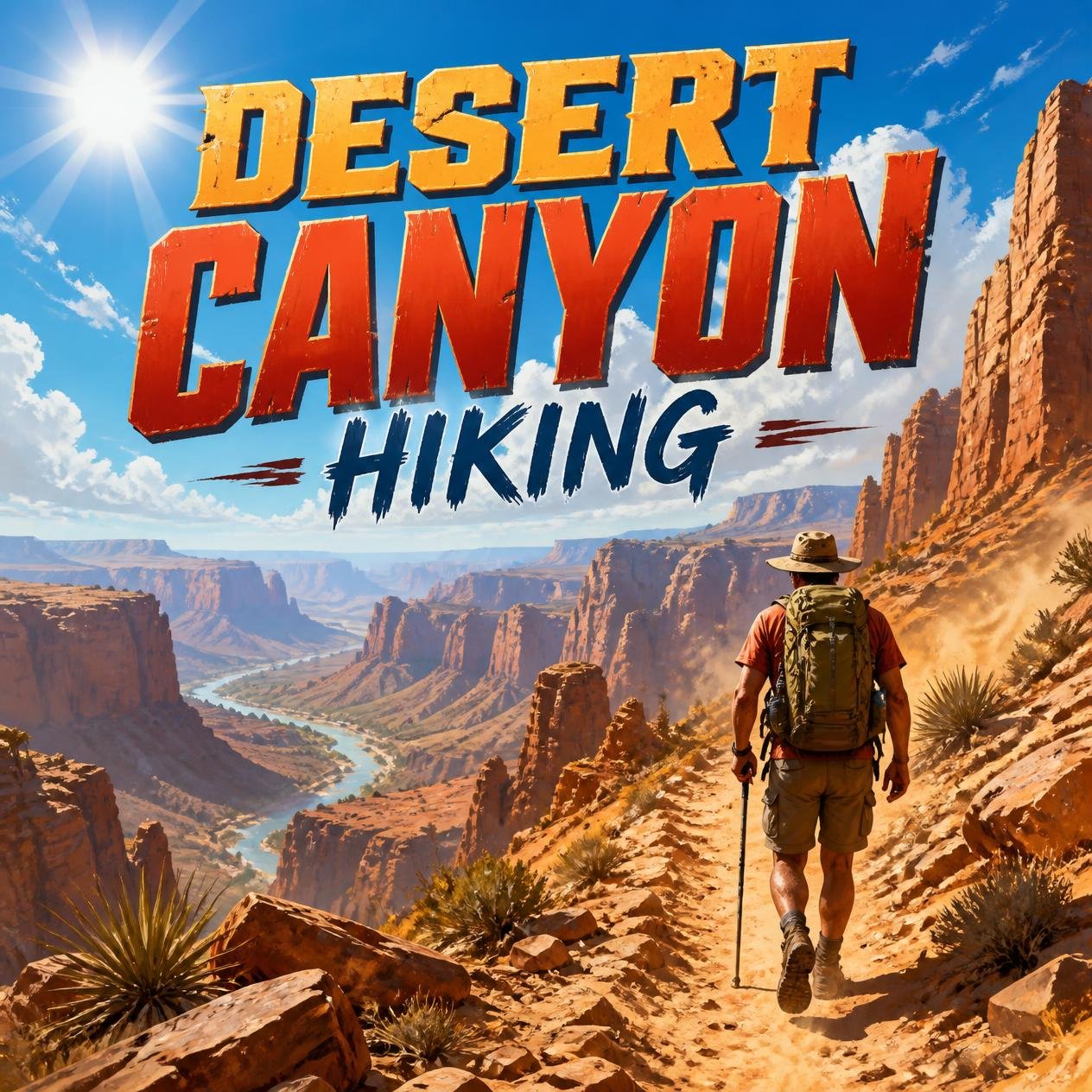
Desert landscapes have a beauty that feels completely different from forests, green valleys, and snowy mountains. Vast open spaces, towering rock walls, dry riverbeds, and unusual geological formations create scenery that can make every walking journey feel like an adventure. For travelers who enjoy exploring unusual natural environments, desert canyon hiking offers an exciting way to discover some of the world’s most dramatic landscapes.
Canyons are formed over long periods as water, wind, and geological forces shape rock layers into deep valleys and narrow passages. In desert regions, these formations often stand out because there is little vegetation to hide their shapes and colours. Red sandstone, golden cliffs, pale rock, and dark volcanic formations can create striking contrasts beneath the open sky.
Desert canyon hiking combines physical activity with natural discovery. Trails may follow dry river channels, cross rocky plateaus, pass between towering cliffs, or climb toward viewpoints overlooking immense landscapes. Whether you are planning a short walk or a longer wilderness adventure, these environments offer memorable opportunities to experience nature from a different perspective.
What Makes Desert Canyon Hiking Unique?
Desert canyon hiking is different from many traditional mountain or forest walks. The terrain is often dry, exposed, and shaped by erosion rather than dense vegetation. This creates a landscape where rock formations, colours, shadows, and distant horizons become the main attractions.
Some routes follow broad canyon floors, where hikers can observe layered cliffs and winding rock walls. Others pass through narrow passages where sunlight reaches the ground only at certain times of the day.
The experience can change dramatically depending on the location. A sandstone canyon may feature smooth curves and warm colours, while a limestone gorge may contain steep walls, caves, and unusual formations.
Desert canyons also reveal the history of the Earth. Visible rock layers can represent different geological periods, while dry river channels show how water continues to influence landscapes even in places that receive little rainfall.
Explore the Grand Canyon in the United States
<AsyncImage query=”Grand Canyon Arizona dramatic layered red orange cliffs Colorado River hiking landscape” aspectRatio=”16:9″ width=”100%” />
The Grand Canyon in Arizona is one of the world’s most recognisable canyon landscapes. Its enormous scale, colourful rock layers, and deep valleys create an extraordinary setting for hiking.
Grand Canyon National Park offers routes with different levels of difficulty. The Rim Trail provides opportunities to enjoy panoramic viewpoints, while trails descending into the canyon offer a more demanding experience.
The Bright Angel Trail is a well-known route that descends from the South Rim into the canyon. Although parts of the trail are maintained, hiking into the canyon requires careful planning because temperatures can become extreme and the return climb is demanding.
Visitors should never underestimate the distance, elevation changes, or desert conditions. Carry sufficient water, start early when appropriate, and check official park advice before choosing a route.
For travelers interested in geology, photography, and large-scale desert scenery, the Grand Canyon offers a remarkable introduction to canyon hiking.
Discover the Sandstone Canyons of Utah
<AsyncImage query=”Utah desert canyon sandstone cliffs hiking trail red rock dramatic arid landscape” aspectRatio=”16:9″ width=”100%” />
Utah is an excellent destination for travelers who want to explore colourful sandstone formations and rugged desert terrain.
Zion National Park contains dramatic canyon walls, narrow valleys, and hiking routes that pass through some of the American Southwest’s most striking scenery. The Riverside Walk provides a relatively accessible introduction to the canyon environment, while more challenging routes require additional preparation and careful attention to safety.
Further east, Capitol Reef National Park offers sandstone cliffs, natural formations, and desert trails that reveal the region’s geological history.
The colours of Utah’s rock landscapes can change throughout the day. Morning light may create soft red and orange tones, while low evening sunlight produces long shadows across the canyon walls.
Flash flooding is a serious hazard in desert canyons, especially narrow slot canyons. Hikers should check weather forecasts for the entire drainage area, follow park warnings, and avoid entering narrow canyons when storms are possible.
Experience the Vast Canyons of Oman
<AsyncImage query=”Wadi Shab Oman dramatic limestone canyon turquoise pools rugged arid mountains hiking” aspectRatio=”16:9″ width=”100%” />
Oman offers a distinctive combination of dry mountains, rocky valleys, and deep canyons. The country’s rugged landscapes create opportunities for travelers interested in desert hiking and geological exploration.
Wadi Shab is known for its dramatic cliffs, walking route, and turquoise pools. The journey combines rocky terrain with water features that create a striking contrast against the surrounding arid environment.
Wadi Bani Awf is another region associated with dramatic mountain scenery and rugged valleys. Some routes in the area are challenging and may require a suitable vehicle, local knowledge, or a guide.
Oman’s canyon environments can be extremely hot, particularly during summer. Travelers should plan activities around suitable weather conditions, carry enough drinking water, and avoid entering wadis when heavy rain could cause sudden flooding.
For hikers looking beyond the familiar desert landscapes of North America, Oman provides an appealing combination of natural beauty and outdoor adventure.
Explore the Desert Canyons of Jordan
<AsyncImage query=”Wadi Rum Jordan red sandstone canyon towering rock formations desert hiking landscape” aspectRatio=”16:9″ width=”100%” />
Jordan’s desert landscapes are famous for their red sandstone formations, rugged mountains, and expansive open terrain.
Wadi Rum is a particularly memorable destination. Its desert environment contains towering rock formations, narrow passages, and sandstone cliffs shaped by wind and erosion.
Walking through Wadi Rum allows visitors to experience the landscape at a slower pace than travelling by vehicle. Hikers can observe changes in rock colour, discover sheltered areas between formations, and appreciate the scale of the surrounding desert.
Some routes involve steep scrambling or difficult terrain, so choosing an appropriate route is important. Local guides can help visitors navigate the area, understand the landscape, and learn about Bedouin traditions.
Petra, another major destination in Jordan, also offers opportunities to explore sandstone terrain and narrow rock passages. The wider area combines archaeological heritage with dramatic natural scenery.
These destinations demonstrate how desert canyon hiking can bring together geology, history, and cultural discovery.
Discover the Dramatic Landscapes of Morocco
<AsyncImage query=”Todgha Gorge Morocco towering limestone canyon walls rugged desert mountains hiking” aspectRatio=”16:9″ width=”100%” />
Morocco offers a wide variety of arid landscapes, including rocky valleys, dry mountain slopes, and deep canyon formations.
Todgha Gorge, near Tinghir, is one of the country’s best-known canyon destinations. Its tall limestone walls rise above a narrow valley, creating an impressive environment for walking and photography.
The nearby Dades Valley also features unusual rock formations and winding roads through dry mountain terrain. Walking in suitable areas provides opportunities to observe the colours and shapes of the landscape more closely.
Morocco’s canyon regions can be combined with visits to traditional settlements and local markets, giving travelers a broader understanding of life in arid environments.
Conditions vary throughout the year. Spring and autumn can offer more comfortable temperatures for walking, while summer heat may make exposed routes difficult. Travelers should check local conditions and choose routes suited to their fitness and experience.
How Desert Canyons Are Formed
Understanding the geology of a canyon can make a hiking journey more interesting.
Many canyons form when rivers cut through rock over thousands or millions of years. Water gradually removes material, creating deeper channels and exposing different rock layers.
Wind can also shape desert landscapes by moving sand and fine particles across exposed surfaces. Changes in temperature may contribute to the breakdown of rock, while occasional rainfall can cause erosion and move sediment through dry valleys.
The result is a landscape filled with cliffs, ledges, narrow passages, and unusual formations.
During a hike, travelers may notice horizontal bands in canyon walls, rounded rock surfaces, or channels carved into the canyon floor. These features provide clues about the processes that shaped the environment.
Preparing for a Desert Canyon Hiking Adventure
Preparation is essential for desert hiking because dry environments can be more demanding than they appear.
Start by selecting a route that matches your experience. Check the total distance, elevation changes, terrain, water availability, and expected walking time.
Carry more water than you expect to need, along with suitable food and sun protection. A hat, sunglasses, sunscreen, breathable clothing, and sturdy footwear can make the journey more comfortable.
Navigation equipment is also important, particularly in remote areas where mobile coverage may be limited. Download reliable offline maps and carry a backup navigation method when appropriate.
Tell someone about your planned route and expected return time. For remote or technical canyons, consider hiring a qualified local guide.
Understand Weather and Flash-Flood Risks
One of the most important safety considerations in desert canyon hiking is the risk of flash flooding.
A canyon may appear completely dry even when heavy rain is falling elsewhere in its drainage area. Water can travel quickly through narrow passages, leaving hikers with little time to escape.
Always check official weather forecasts and local warnings before entering a canyon. Avoid narrow canyon routes when storms are possible, and follow any closure notices issued by park authorities.
Extreme heat is another major concern. Start at an appropriate time, take regular breaks, and avoid pushing beyond your limits. If conditions become unsafe, turn back rather than continuing toward a viewpoint.
Careful decisions are more important than completing a planned route.
Responsible Travel in Desert Environments
Desert ecosystems can be fragile, even when the landscape appears barren.
Small plants, wildlife habitats, and delicate rock formations may take a long time to recover from damage. Travelers should remain on designated routes where possible, avoid disturbing wildlife, and carry all rubbish out of the area.
Do not carve names into rocks or remove geological features as souvenirs. In protected landscapes, follow rules regarding camping, fires, drones, and access restrictions.
Respecting local communities is equally important. In places such as Jordan, Oman, and Morocco, local guides and community-run services can help visitors learn about the region while supporting the people who live there.
Responsible hiking protects both the natural landscape and the cultural heritage associated with it.
Why Choose a Desert Canyon Hiking Holiday?
Desert canyon hiking offers a different kind of outdoor adventure. Instead of green forests or snow-covered peaks, travelers discover enormous rock walls, hidden passages, dry riverbeds, and open desert horizons.
Each destination has its own character. The Grand Canyon offers immense geological scale, Utah provides colourful sandstone formations, Oman combines rugged wadis with mountain scenery, Jordan features striking desert rock formations, and Morocco offers impressive limestone gorges.
These journeys can suit travelers who enjoy photography, geology, moderate walking, or more demanding outdoor challenges. The key is to select an experience that matches your ability and prepare properly for the environment.
Conclusion
Desert canyon hiking opens the door to some of the world’s most dramatic arid landscapes. Through winding trails, towering cliffs, rocky valleys, and narrow passages, travelers can discover how geological forces have shaped the natural world over immense periods of time.
From the Grand Canyon in the United States to the sandstone landscapes of Utah, the wadis of Oman, the deserts of Jordan, and the gorges of Morocco, each destination offers a distinctive experience.
With careful route planning, suitable equipment, awareness of heat and flash-flood risks, and respect for the environment, a desert canyon adventure can become a rewarding travel experience.
For outdoor enthusiasts seeking something different from traditional mountain or forest hiking, desert canyon journeys provide an opportunity to explore rugged terrain, appreciate extraordinary geological features, and discover the quieter beauty of the world’s arid regions.