Boglands are among the most unusual and beautiful natural environments in the world. With their open landscapes, soft mosses, pools of water, delicate wildflowers, and fascinating wildlife, these wetlands offer excellent opportunities for nature photography. Unlike busy tourist destinations, boglands often provide peaceful surroundings where photographers can slow down, observe small details, and capture nature in its quietest form.
Bogland nature photography holidays are ideal for travellers who enjoy outdoor adventures, landscape photography, wildlife observation, and discovering less familiar environments. From the misty peatlands of Scotland to the open moorlands of Ireland and the remarkable wetlands of northern Europe, these destinations offer a different kind of travel experience.
For nature lovers, a bogland photography trip is not simply about taking pictures. It is also an opportunity to understand fragile ecosystems, appreciate rare plants, and explore landscapes that play an important role in protecting biodiversity.
What Makes Boglands Special for Nature Photography?
Boglands are wetland environments where waterlogged conditions slow the decomposition of plant material, allowing layers of peat to develop over long periods. These landscapes can support specialised plants, insects, birds, and other wildlife adapted to their unique conditions.
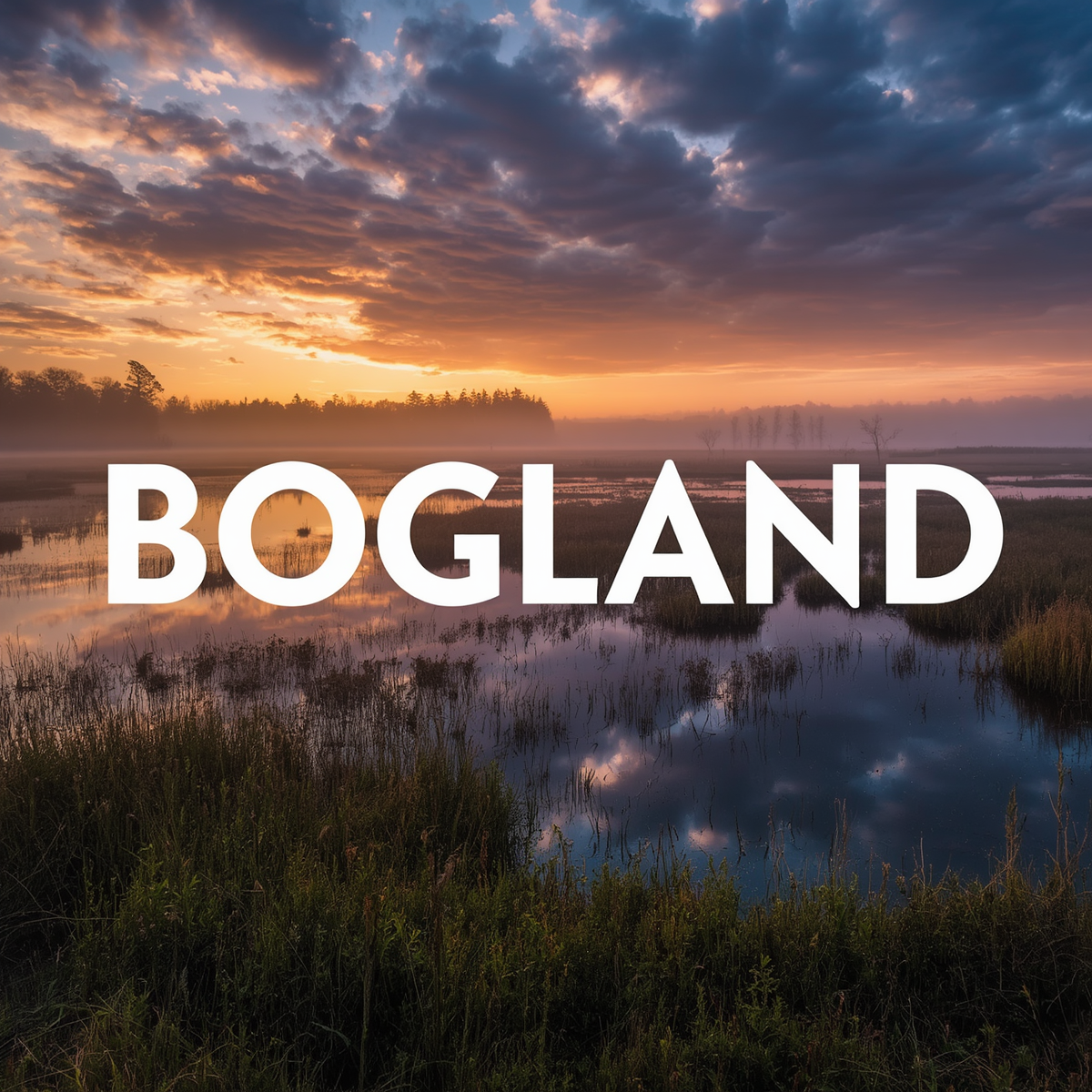
Their appearance changes with the weather, season, and time of day. Early morning mist can create a mysterious atmosphere, while low sunlight highlights the textures of moss, grasses, and pools of water. Cloudy weather can also provide soft lighting that works well for close-up photography.
Photographers can focus on several different subjects, including wide landscape views, tiny plants, reflections, insects, birds, and patterns created by water and vegetation.
The beauty of boglands often comes from their simplicity. A small pool surrounded by moss or a single plant growing among wet grasses can become an interesting photographic subject when captured carefully.
Explore Scotland’s Beautiful Peatlands
Scotland offers a variety of peatland landscapes that appeal to nature enthusiasts and outdoor photographers. Its northern regions, open moorlands, and remote natural areas provide opportunities to photograph wet habitats, changing skies, and distinctive vegetation.
The Flow Country in northern Scotland is especially important because it contains an extensive area of blanket bog. This landscape supports specialised wildlife and demonstrates the ecological value of peatlands.
<PRIVATE_PERSON>otographers visiting the region can look for broad patterns in the landscape, colourful vegetation, pools of water, and atmospheric views during changing weather. Birdlife may also provide opportunities for wildlife photography, although sightings depend on the season and conditions.
The Flow Country is a valuable destination for travellers who want to combine photography with environmental learning. Visitors should follow local guidance, use established access routes where available, and avoid disturbing sensitive habitats.
Discover Ireland’s Atmospheric Boglands
Ireland’s boglands have a distinctive character shaped by centuries of natural processes and human interaction with the landscape. These open wetlands can feature rich colours, uneven ground, reflective pools, and wide skies that create memorable photographic scenes.
The blanket bogs of the west of Ireland are particularly interesting for landscape photographers. Changing cloud cover and coastal weather can create dramatic differences in light throughout the day.
Raised bogs in parts of Ireland also offer opportunities to observe specialised plants and wetland habitats. Some areas have designated conservation sites, walking routes, or visitor facilities that help people experience the landscape more responsibly.
For photography, Ireland’s boglands are especially rewarding when the light is soft and the landscape shows a mixture of earthy colours, mossy surfaces, and water. Travellers should check access conditions before visiting, as some bog areas are privately managed or ecologically sensitive.
Capture the Wild Beauty of Estonia
Estonia is known for its forests, wetlands, and peat-rich landscapes. Its bogs are popular with nature lovers who want to experience peaceful scenery and photograph unusual natural patterns.
Several protected areas feature bog landscapes and raised wooden boardwalks, allowing visitors to explore selected areas while reducing the need to walk directly across sensitive vegetation. Boardwalk routes can provide useful viewpoints for photographing pools, open skies, distant tree lines, and seasonal colours.
Lahemaa National Park and other protected landscapes in Estonia offer opportunities to discover a variety of habitats. However, not every part of a national park is bogland, so photographers should choose specific trails and wetland locations before travelling.
Autumn can bring attractive colours, while early mornings may offer mist and reflections when weather conditions are suitable. In summer, longer daylight hours provide more time to explore and photograph different scenes.
Visitors should remain on marked paths, respect wildlife, and avoid collecting plants or disturbing natural features.
Experience Finland’s Peaceful Wetland Landscapes
Finland’s extensive forests, lakes, and peatlands create many opportunities for nature photography. The country’s protected wetlands can offer quiet scenery, open horizons, and habitats for a wide range of bird species.
Photographers can explore selected wetland areas in national parks and nature reserves, using established trails and observation points where available. These locations are useful for capturing landscape compositions without placing unnecessary pressure on fragile ground.
Spring and summer may provide opportunities to photograph wetland plants and birds. Autumn brings changing colours, while colder months can produce distinctive winter scenes in suitable locations.
Finland’s northern regions may also offer long twilight periods during certain seasons. These conditions can create gentle light for landscape photography, although weather and daylight vary significantly by location and time of year.
Travellers should plan around local conditions and remember that wetlands can contain deep water, unstable ground, and areas that are difficult to cross safely.
Choose the Best Season for Bogland Photography
The season you choose can strongly influence the appearance of a bogland landscape. Each period offers different colours, lighting conditions, and wildlife opportunities.
Spring: Spring can bring fresh plant growth, changing water levels, and returning bird activity. It is a good time to photograph the renewal of wetland habitats, although conditions may be cold and muddy.
Summer: Longer daylight hours make it easier to spend more time outdoors. Some bog plants produce flowers during the warmer months, creating opportunities for close-up photography and detailed compositions.
Autumn: Autumn can add warm colours to surrounding grasses, shrubs, and woodland edges. Misty mornings and lower sunlight can create atmospheric landscape images.
Winter: In suitable locations, frost, snow, and frozen pools can produce striking photographs. However, access may be more difficult, and visitors need appropriate clothing and equipment.
There is no single best season for every bogland destination. Research local conditions and photography opportunities before booking your holiday.
Essential Photography Equipment for Wetland Trips
Bogland environments can be wet, windy, and unpredictable. Bringing suitable equipment helps photographers work comfortably while protecting their cameras.
A camera with manual settings is useful for adjusting exposure, shutter speed, and depth of field. However, modern smartphones can also capture excellent images, especially in good light.
A versatile zoom lens can help photograph broad landscapes and distant wildlife. A macro lens or close-focusing lens is useful for capturing mosses, small plants, insects, and other details.
A lightweight tripod may help with low-light photography, particularly when photographing misty scenes or still water. Waterproof bags, lens cloths, spare batteries, and protective covers are also useful in damp weather.
Comfortable waterproof footwear and layered clothing are equally important. Conditions can change quickly, and remaining warm and dry makes it easier to concentrate on photography.
Travellers should carry only what they need and avoid placing equipment or tripods on fragile vegetation.
Improve Your Bogland Landscape Photography
Capturing beautiful bogland photographs requires patience and an eye for composition. The most effective images often focus on a clear subject rather than including every detail in the landscape.
Look for leading lines created by boardwalks, streams, or natural patterns in the ground. These elements can guide the viewer’s attention through the image.
Reflections in shallow pools may create balanced compositions, especially during calm weather. A small plant, a distant tree, or a patch of colourful moss can provide a focal point within a wider landscape.
Pay attention to the sky. Dramatic clouds can add depth to an image, while a pale, overcast sky may produce soft light for close-up photography.
Experiment with different perspectives, but do so from safe and permitted locations. A low viewpoint can highlight foreground textures, while an elevated observation platform may reveal the shape of the wider landscape.
Most importantly, allow time for observation. Waiting for the light to change or watching how the wind moves across the vegetation can lead to more meaningful photographs.
Photograph Bogland Wildlife Responsibly
Boglands provide habitats for specialised plants, insects, and birds. Photographing these subjects can help travellers appreciate the diversity of wetland ecosystems, but wildlife photography must be approached with care.
Use a zoom lens to photograph birds and animals from a suitable distance. Avoid chasing wildlife, making loud noises, or approaching nests and breeding areas. Follow any seasonal restrictions and local instructions.
Do not remove plants, disturb peat, or step onto delicate vegetation simply to achieve a particular angle. Peatlands develop slowly, and damage to their surfaces can take a long time to recover.
It is also important to avoid sharing precise locations of rare or vulnerable species when doing so could encourage unwanted disturbance.
Responsible photography places the wellbeing of the habitat ahead of getting the perfect shot.
Why Peatland Conservation Matters
Boglands and other peat-forming wetlands provide important environmental benefits. Healthy peatlands store large quantities of carbon, support specialised biodiversity, and influence the movement and storage of water across landscapes.
When peatlands are drained, damaged, or exposed to repeated disturbance, they can lose some of these benefits. Degraded peat may release stored carbon, while changes to water conditions can affect plants and wildlife.
Photography holidays can help visitors understand why these environments deserve protection. Observing peatland landscapes in person offers an opportunity to learn about restoration projects, habitat management, and the pressures affecting wetland ecosystems.
Travellers can support conservation by following access rules, choosing responsible tourism providers, reducing waste, and learning from local environmental organisations.
A successful bogland photography holiday should leave visitors with memorable images as well as a greater appreciation for the natural world.
Plan Your Bogland Nature Photography Holiday With Larski Travel
Planning a wetland photography trip involves more than choosing a destination. Travellers should consider transport, accommodation, walking routes, weather, access restrictions, and the best times to photograph local landscapes.
Start by identifying the type of photography you enjoy most. If you prefer wide landscape images, look for open peatlands and established viewpoints. If you are interested in birds and small wildlife, research protected areas with suitable observation facilities.
Check whether photography is permitted at your chosen locations and whether guided walks or local nature tours are available. A knowledgeable local guide may help you understand the habitat, identify wildlife, and find appropriate viewpoints without disturbing the environment.
Larski Travel can use this type of nature-focused travel content to help readers discover outdoor experiences and plan more thoughtful adventures. Travellers should confirm current route access, accommodation, tour availability, and local safety advice before making arrangements.
With careful preparation, a bogland holiday can combine peaceful exploration, creative photography, and a deeper understanding of fragile wetland ecosystems.
Conclusion
Bogland nature photography holidays offer a unique way to explore landscapes that are often overlooked by conventional tourism. From Scotland’s Flow Country to Ireland’s peatlands and the wetland trails of Estonia and Finland, these environments provide opportunities to photograph unusual textures, changing light, specialised plants, and fascinating wildlife.
Choosing the right season, carrying suitable equipment, and allowing time to observe the surroundings can make the experience more rewarding. Just as importantly, responsible behaviour helps protect the landscapes that make these journeys special.
For travellers who enjoy quiet outdoor adventures and discovering natural beauty beyond crowded destinations, bogland photography offers an inspiring alternative. With thoughtful planning and respect for the environment, your next journey can create lasting photographs while helping you appreciate the importance of protecting the world’s wetlands.