For travellers who love mountains, some of the most rewarding experiences can be found away from famous tourist routes. While well-known mountain destinations attract thousands of visitors every year, lesser visited mountain regions offer a different kind of adventure. These destinations provide quieter trails, remote peaks, traditional communities, and landscapes where the feeling of exploration remains strong.
Lesser visited mountain regions are ideal for travellers who want to escape crowded viewpoints and busy trails. Instead of following the most popular routes, visitors can discover remote valleys, peaceful mountain villages, dramatic ridgelines, and hidden paths that provide a deeper connection with nature.
Why Explore Lesser Visited Mountain Regions?
Popular mountain destinations are famous for good reasons. They often have spectacular scenery, well-developed tourism infrastructure, and established trekking routes. However, popularity can also bring crowds, traffic, busy accommodation, and heavily used trails.
Lesser visited regions provide an alternative.
These destinations can offer a slower and more peaceful experience. Walking along a quiet trail without seeing large groups of tourists can make the mountains feel more personal.
The experience is not necessarily about finding a completely untouched landscape. Instead, it is about discovering places where tourism remains relatively limited and where local character has not been overshadowed by mass tourism.
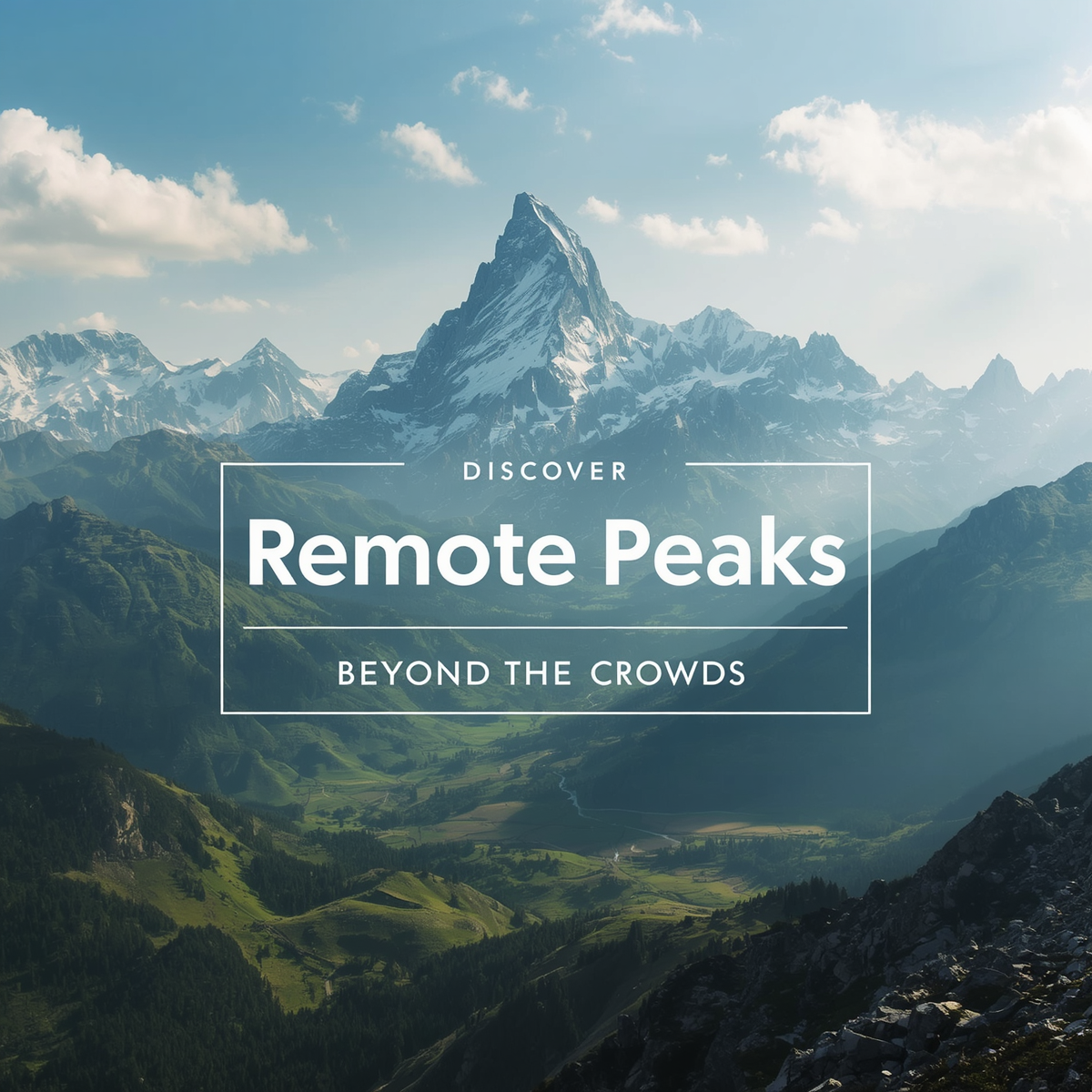
Discover Remote Peaks
Remote mountain peaks create a strong sense of adventure. Reaching them often requires more effort, careful planning, and a willingness to travel beyond established tourist centres.
A remote peak may involve several days of trekking through valleys before reaching higher terrain. The journey itself becomes part of the experience.
Unlike famous viewpoints that can sometimes be reached quickly by road or cable car, remote mountains generally reward those who are willing to walk.
The final view can feel especially meaningful because it has been earned through time and effort.
Experience Quiet Mountain Trails
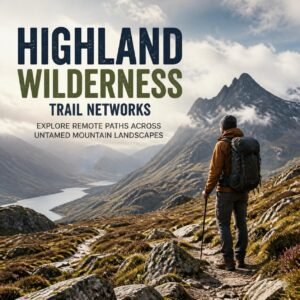
One of the biggest attractions of lesser visited mountain regions is the opportunity to enjoy quieter trails.
On popular routes, trekkers may encounter groups throughout the day. In less developed destinations, long stretches of trail may be peaceful and relatively empty.
This quieter environment allows travellers to appreciate the natural surroundings more fully. The sound of wind moving through trees, flowing water, birds, or distant wildlife can become part of the experience.
Without constant distractions, hiking can also become an opportunity to slow down and reconnect with the outdoors.
Meet Traditional Mountain Communities
Many remote mountain regions are home to communities with deep connections to the surrounding landscape.
Traditional lifestyles may include farming, livestock raising, crafts, and other activities shaped by the local environment. Visiting these communities respectfully can provide valuable insight into ways of life that differ from those found in major tourist destinations.
Small villages can also offer opportunities to experience local food, architecture, traditions, and hospitality.
Travellers should always approach local communities with respect. Responsible tourism means learning about local customs, supporting local businesses, and avoiding behaviour that could disrupt everyday life.
Find Landscapes Beyond the Famous Routes
Famous mountain destinations often become associated with one iconic view. Lesser visited regions can provide greater variety because travellers are not necessarily following a single heavily promoted route.
A journey might include:
- High mountain passes
- Remote valleys
- Alpine meadows
- Forest-covered slopes
- Glacial landscapes
- Rocky ridges
- Hidden waterfalls
- Traditional villages
- Quiet mountain lakes
This diversity makes exploration exciting. You may not know exactly what lies around the next bend, which adds to the sense of discovery.
The Appeal of Slow Adventure
Lesser visited mountain travel often works best when approached slowly.
Rather than trying to see as many attractions as possible, travellers can spend more time in each area. A quiet valley can be explored over several days, allowing visitors to experience different weather, changing light, and local life.
Slow adventure also gives trekkers time to rest. Long-distance mountain travel can be physically demanding, so building rest periods into an itinerary can make the overall experience more enjoyable.
The goal is not simply to cover distance. It is to experience the landscape.
Preparing for Remote Trekking
Remote mountain travel requires more preparation than visiting a well-developed tourist destination.
Infrastructure may be limited. Mobile coverage can be unreliable, transport options may be less frequent, and accommodation may be basic.
Before travelling, research the route carefully and understand the conditions you are likely to encounter.
Consider:
- Trail difficulty
- Walking distances
- Elevation gain
- Weather conditions
- Water availability
- Food supplies
- Accommodation
- Navigation
- Emergency arrangements
- Local regulations
Reliable maps and navigation tools are particularly important when travelling away from heavily marked tourist routes.
Pack Carefully for Mountain Conditions
Packing for a remote mountain journey requires a balance between preparation and weight.
You need enough equipment to remain comfortable and safe without carrying unnecessary items over long distances.
Essential equipment can include suitable hiking boots, weatherproof clothing, warm layers, navigation tools, a first-aid kit, water supplies, sun protection, and appropriate food.
Mountain weather can change quickly, so clothing should be suitable for a range of conditions.
Even during warmer seasons, higher elevations can become cold, windy, or wet. Preparing for changing weather is therefore essential.
Choose the Right Season
Seasonal conditions can have a major impact on mountain travel.
Some regions are best explored during warmer months when trails are free from heavy snow. Others may offer unique winter experiences for travellers with appropriate skills and equipment.
Before choosing travel dates, research local weather patterns, trail accessibility, accommodation opening periods, and seasonal hazards.
Travelling during shoulder seasons can sometimes provide a quieter experience, but it may also mean unpredictable weather or limited services.
The best time depends on the specific region and the type of adventure you want.
Responsible Travel in Remote Regions
Lesser visited destinations can be environmentally sensitive. Limited tourism infrastructure means that even a relatively small increase in visitors can have an impact.
Responsible travellers should follow local guidelines and minimise their environmental footprint.
Simple practices include staying on established trails, avoiding litter, respecting wildlife, reducing unnecessary waste, and carrying reusable water containers where appropriate.
Supporting local businesses can also help communities benefit from tourism. Choosing local guides, accommodation, restaurants, and services can keep more tourism income within the region.
Responsible travel helps protect the very qualities that make lesser visited mountain destinations attractive.
Why Local Guides Can Be Valuable
Hiring a local guide can significantly improve a remote mountain experience.
Local guides often understand the terrain, weather patterns, seasonal conditions, cultural customs, and less obvious routes. Their knowledge can be especially valuable in areas where signage and infrastructure are limited.
A guide can also provide cultural context that would otherwise be missed.
Instead of simply walking through a village, for example, you may learn about its history, architecture, farming traditions, or relationship with the surrounding mountains.
For challenging or isolated routes, professional guidance can also provide an additional layer of safety.
Capture the Experience Without Losing It
Remote mountains provide excellent opportunities for photography. Wide valleys, dramatic peaks, unusual rock formations, wildlife, villages, and changing weather can all create memorable images.
However, photography should not become the entire purpose of the journey.
Some of the best moments may be those that are difficult to capture: the silence of a remote valley, the feeling of reaching a high pass, or watching sunlight move across a mountain landscape.
Take photographs, but also allow yourself time to experience the destination without a camera.
The Reward of Going Beyond the Crowds
There is a special satisfaction in discovering a mountain region that feels different from the destinations featured in every travel guide.
The reward is not necessarily exclusivity. It is the feeling of experiencing a landscape at your own pace.
A quiet trail can make a short walk feel adventurous. A small mountain village can become more memorable than a major tourist attraction. A remote viewpoint can stay with you because of the effort required to reach it.
These experiences often create stronger memories because they involve discovery rather than simply sightseeing.
Final Thoughts
Lesser visited mountain regions provide an opportunity to experience remote peaks, quiet trails, traditional communities, and dramatic landscapes beyond the crowds.
They require more planning and preparation than conventional mountain holidays, but the rewards can be considerable. Travellers can enjoy a slower pace, deeper cultural experiences, and a stronger connection with the natural environment.
For adventurous travellers, the appeal lies in going somewhere that feels less familiar and less crowded. With responsible planning and respect for local communities and fragile landscapes, exploring remote mountain regions can become one of the most rewarding forms of adventure travel.
Sometimes the most memorable mountain experiences are not found on the busiest trails. They are waiting beyond the crowds, where the journey feels quieter, the landscapes feel wilder, and every step becomes part of the discovery.