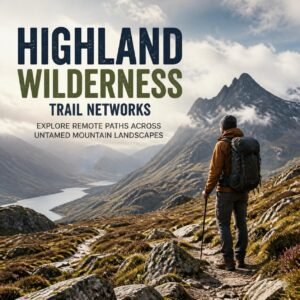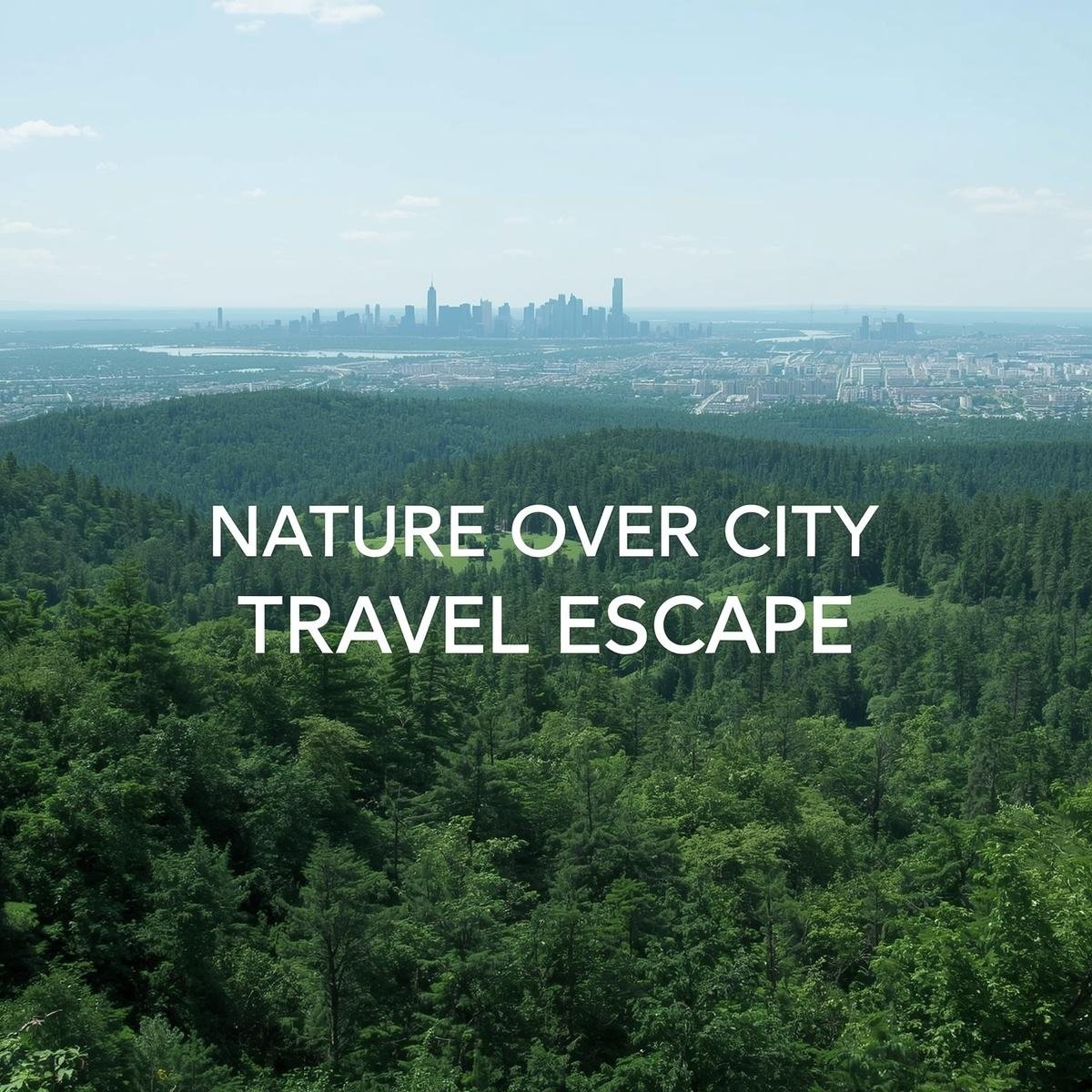
Modern cities offer convenience, opportunity, and endless activity, but they also come with constant noise, crowded spaces, and a fast-paced lifestyle that can leave people feeling overwhelmed. As urban environments become increasingly busy, more travelers are seeking an alternative—one that replaces traffic with trails, skyscrapers with mountains, and stress with serenity. Nature over city travel represents this growing desire to step away from urban pressures and reconnect with the freedom of the natural world.
This style of travel is not simply about changing locations. It is about changing perspective. It encourages travelers to trade schedules for spontaneity, noise for silence, and routine for exploration. By embracing nature-focused journeys, people discover a sense of freedom and renewal that modern city life often makes difficult to find.
Why More Travelers Are Choosing Nature
Cities are designed for efficiency, productivity, and constant movement. While these qualities support modern living, they can also create mental fatigue and emotional exhaustion.
Nature offers the opposite experience. Instead of constant stimulation, it provides calm and simplicity. Instead of crowded streets, it offers open landscapes. This contrast explains why nature travel has become increasingly appealing to individuals seeking balance in their lives.
Many travelers realize that the most valuable luxury is not found in expensive attractions but in peace, space, and time spent outdoors.
The Hidden Cost of Urban Living
Urban environments expose people to continuous sensory input. Traffic sounds, digital notifications, crowded public spaces, and demanding schedules create a state of constant mental engagement.
Over time, this can contribute to stress, reduced focus, and feelings of disconnection.
Nature-focused travel provides an opportunity to temporarily step away from these pressures. The absence of urban distractions allows the mind to recover and regain clarity.
Freedom Found in Open Landscapes
One of the greatest attractions of nature travel is the sense of freedom it creates.
Wide valleys, mountain ranges, forests, and lakes provide physical and psychological space. Unlike urban environments, where movement is often restricted by roads, buildings, and schedules, natural landscapes encourage exploration and spontaneity.
Travelers often describe this feeling as liberating because it removes many of the limitations associated with daily life.
Replacing Noise With Silence
Silence has become increasingly rare in modern society.
For many people, the opportunity to experience true quiet is one of the most rewarding aspects of nature travel. The sounds of wind, flowing water, and wildlife replace the constant background noise of urban environments.
This quietness creates mental space for reflection, creativity, and emotional restoration.
The Healing Effect of Nature
Spending time in natural environments has significant psychological benefits.
Research consistently shows that outdoor experiences can help reduce stress, improve mood, and increase overall well-being. Nature encourages relaxation by slowing the pace of life and reducing the mental demands associated with city living.
Travelers often return from outdoor adventures feeling refreshed, focused, and emotionally balanced.
Mountains as the Ultimate Escape
Mountain destinations offer some of the most powerful nature experiences available.
Regions such as Hunza Valley provide travelers with dramatic scenery, fresh air, and a slower pace of life. Surrounded by towering peaks and peaceful landscapes, visitors quickly realize how different life feels away from urban centers.
Likewise, Skardu offers remote lakes, rugged terrain, and breathtaking wilderness that inspire both adventure and relaxation.
These mountain regions demonstrate why nature often feels more rewarding than crowded city destinations.
Adventure Creates Connection
Nature travel encourages active participation rather than passive observation.
Whether hiking, trekking, camping, or exploring remote landscapes, travelers become directly involved in their environment. This interaction creates stronger memories and deeper appreciation for the natural world.
Unlike city tourism, which often revolves around attractions and entertainment, nature adventures create meaningful experiences through exploration itself.
Digital Detox and Mental Clarity
Cities are deeply connected to technology. Smartphones, social media, emails, and constant online interaction have become part of everyday life.
Nature travel provides an opportunity to disconnect from these digital demands.
Reducing screen time allows travelers to focus on the present moment. Instead of checking notifications, they observe landscapes, engage in conversation, and experience their surroundings more fully.
This digital detox often leads to improved concentration and reduced stress.
Simplicity Leads to Greater Appreciation
One reason nature travel feels so satisfying is its simplicity.
Outdoor journeys often focus on basic experiences such as walking through forests, watching sunsets, sharing meals, and enjoying fresh air.
These simple moments remind travelers that happiness does not always require complexity or material possessions. In many cases, the most memorable experiences come from the simplest activities.
Wildlife and Natural Discovery
Nature travel also provides opportunities to observe ecosystems and wildlife in their natural habitats.
Encountering animals, birds, and untouched landscapes creates a sense of wonder that is difficult to replicate in urban settings.
These experiences help travelers appreciate the diversity and beauty of the natural world while fostering greater environmental awareness.
Learning From Remote Communities
Many nature destinations are home to communities that maintain close relationships with the environment.
Travelers visiting places like Ladakh often discover lifestyles centered around simplicity, sustainability, and harmony with nature.
These cultural encounters provide valuable lessons about balance, resilience, and living with fewer distractions.
Sustainable Travel and Environmental Responsibility
Choosing nature over city travel also comes with responsibility.
Natural environments are fragile and require protection. Responsible travelers should follow sustainable practices such as:
- Respecting wildlife and ecosystems
- Minimizing waste
- Supporting local communities
- Following designated trails
- Reducing environmental impact
Protecting these places ensures that future generations can enjoy the same experiences.
Why Nature Travel Feels Transformative
Nature journeys often create lasting personal change because they remove people from familiar environments and routines.
Away from urban pressures, travelers gain perspective on their priorities, habits, and goals. Many return home with renewed energy and a greater appreciation for simplicity and balance.
The experience becomes more than a vacation. It becomes a form of personal renewal.
The Future of Nature-Focused Travel
As cities continue to grow and digital lifestyles become more demanding, interest in nature-based travel is expected to increase.
Travelers are increasingly prioritizing experiences that provide meaning, wellness, and authentic connection rather than constant entertainment.
Nature over city travel reflects this shift toward more intentional and fulfilling ways of exploring the world.
Conclusion
Nature over city travel offers a powerful alternative to the noise, pressure, and complexity of urban life. By stepping into mountains, forests, rivers, and open landscapes, travelers discover a sense of freedom that cities often cannot provide.
Whether exploring the majestic scenery of Hunza Valley, venturing through the wilderness of Skardu, or experiencing the peaceful mountain culture of Ladakh, nature-focused journeys create opportunities for restoration, adventure, and personal growth.
In the end, choosing nature over the city is not about rejecting modern life. It is about creating space to reconnect with freedom, simplicity, and the natural world that has always inspired human exploration.