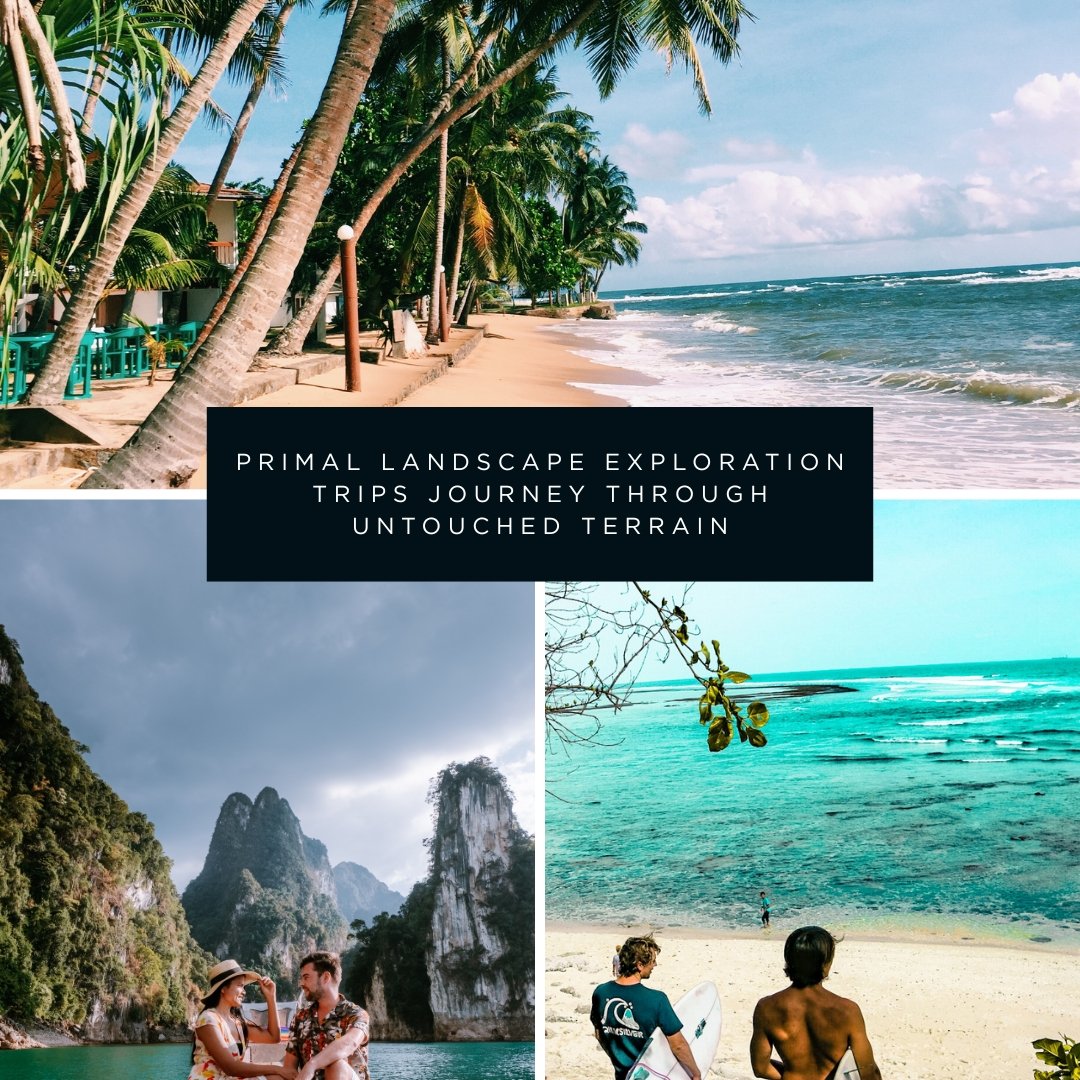
In a world where most destinations have been mapped, photographed, and filtered through social media, there remains a powerful allure in stepping beyond the familiar. Primal landscape exploration trips are not just vacations—they are immersive journeys into untouched terrain where nature still feels wild, raw, and unfiltered by human control. These expeditions appeal to travelers who crave authenticity over comfort, silence over noise, and discovery over routine.
This blog explores what primal landscape travel truly means, why it is gaining popularity, what experiences it offers, and how to prepare for such transformative journeys.
What Are Primal Landscape Exploration Trips?
Primal landscape exploration refers to travel experiences that take place in remote, minimally disturbed environments. These are places where nature dominates completely—vast deserts, dense forests, high-altitude mountains, frozen tundras, or isolated valleys where human presence is rare or nonexistent.
Unlike conventional tourism, primal exploration is not about luxury resorts or curated sightseeing. Instead, it focuses on:
- Direct interaction with raw environments
- Physical and mental endurance
- Self-reliance and survival awareness
- Deep immersion in natural ecosystems
- Minimal infrastructure and limited connectivity
These trips often feel like stepping back in time—into a world before modern development reshaped the landscape.
The Growing Appeal of Untouched Terrain Travel
Modern life is defined by speed, screens, and constant connectivity. This has created a growing desire to disconnect and return to something more fundamental. Primal landscape exploration answers that need.
1. Escape from Digital Overload
Many travelers seek environments where there is no signal, no notifications, and no digital pressure. In untouched terrain, silence becomes a luxury.
2. Reconnection with Nature
When surrounded by raw landscapes, people often rediscover basic human instincts—curiosity, awareness, adaptability, and respect for the environment.
3. Mental Reset and Clarity
Remote nature environments reduce mental clutter. The simplicity of survival-focused travel often leads to clarity of thought and emotional reset.
4. Adventure Beyond Comfort Zones
These trips are not designed for passive tourism. They require participation, effort, and sometimes endurance, making the experience deeply rewarding.
Types of Primal Landscapes
Primal exploration can take many forms depending on geography and climate. Each environment offers a unique experience.
1. Mountain Wilderness
High-altitude regions offer dramatic scenery, thin air, and challenging trails. Snow-covered peaks, glaciers, and rocky paths test both stamina and determination.
Typical experiences include:
- Multi-day trekking
- Glacier crossings
- Camping in alpine zones
- Navigating steep terrain
2. Desert Expeditions
Deserts are vast, silent, and visually endless. They offer a sense of isolation that is both humbling and inspiring.
Key features:
- Sand dunes and rocky plateaus
- Extreme temperature shifts
- Night skies filled with stars
- Navigation without clear landmarks
3. Dense Forest Exploration
Forests represent one of the most biologically rich environments on Earth. However, they can also be disorienting and challenging to traverse.
Highlights:
- Thick vegetation and wildlife encounters
- River crossings
- Natural shelter camping
- Biodiversity observation
4. Coastal Wilderness
Remote coastlines and cliffs offer powerful ocean views and rugged terrain shaped by wind and water.
Experiences include:
- Cliffside trekking
- Sea caves and rock formations
- Tidal exploration
- Isolated beaches
The Experience of Primal Travel
What makes primal exploration truly unique is not just the environment, but the emotional and physical journey it creates.
Silence That Feels Alive
In untouched terrain, silence is not empty—it is full of subtle sounds: wind moving through valleys, distant animal calls, or shifting sands. This silence often becomes one of the most memorable aspects of the trip.
Physical Engagement with Nature
Unlike passive tourism, these journeys demand participation. Walking long distances, setting up camp, carrying essentials, and adapting to weather conditions are all part of the experience.
Unpredictability
Weather changes, terrain challenges, and natural obstacles make every journey unpredictable. This unpredictability is what gives primal exploration its sense of authenticity.
Emotional Transformation
Many travelers report feeling a shift in perspective after such trips. The absence of distractions often leads to introspection and renewed appreciation for simple living.
Essential Skills for Primal Exploration Trips
While not every trip requires advanced survival training, certain skills significantly improve safety and enjoyment.
Navigation
Understanding maps, natural landmarks, and basic compass use is essential in remote areas where GPS may not be reliable.
Physical Fitness
Endurance and stamina help in managing long treks and challenging terrain.
Basic Survival Knowledge
Knowing how to:
- Set up shelter
- Find safe water sources
- Handle weather changes
can make a significant difference.
Environmental Awareness
Respecting ecosystems and minimizing impact is crucial. Primal exploration is about experiencing nature, not disturbing it.
Preparing for a Primal Landscape Journey
Proper preparation is key to a successful expedition. Unlike regular travel, there is little room for improvisation in remote environments.
1. Packing Smart
Essential items include:
- Durable hiking boots
- Weather-appropriate clothing layers
- Lightweight camping gear
- First aid kit
- Navigation tools
2. Planning the Route
Understanding terrain, distance, elevation, and weather conditions helps in avoiding unnecessary risks.
3. Mental Preparation
Remote travel can be physically and mentally demanding. Being prepared for discomfort and unpredictability is important.
4. Guided vs Independent Travel
Beginners often benefit from guided expeditions, while experienced explorers may choose independent routes.
The Challenges of Untouched Terrain
Primal exploration is not without difficulty. In fact, its challenges are part of what define it.
- Limited access to medical facilities
- Extreme weather conditions
- Physical exhaustion
- Lack of communication networks
- Navigation difficulties
These challenges require respect for nature and careful planning. The goal is not to conquer the environment but to move through it responsibly.
Why Primal Exploration Matters Today
As global tourism becomes increasingly commercialized, untouched landscapes offer something rare: authenticity. They remind us that not all experiences need to be curated, comfortable, or predictable.
Primal exploration matters because it:
- Preserves the idea of wilderness
- Encourages environmental respect
- Promotes physical and mental resilience
- Reconnects humans with natural systems
In many ways, these journeys act as a counterbalance to modern life.
Conclusion
Primal landscape exploration trips are more than travel experiences—they are personal journeys into the raw essence of the Earth. They challenge comfort, expand awareness, and reveal the beauty of untouched terrain in its purest form.
Whether it’s a silent desert under a star-filled sky, a mountain path above the clouds, or a dense forest untouched by roads, these landscapes offer something timeless: a return to simplicity.
For those willing to step beyond convenience and embrace uncertainty, primal exploration offers not just a destination—but transformation.