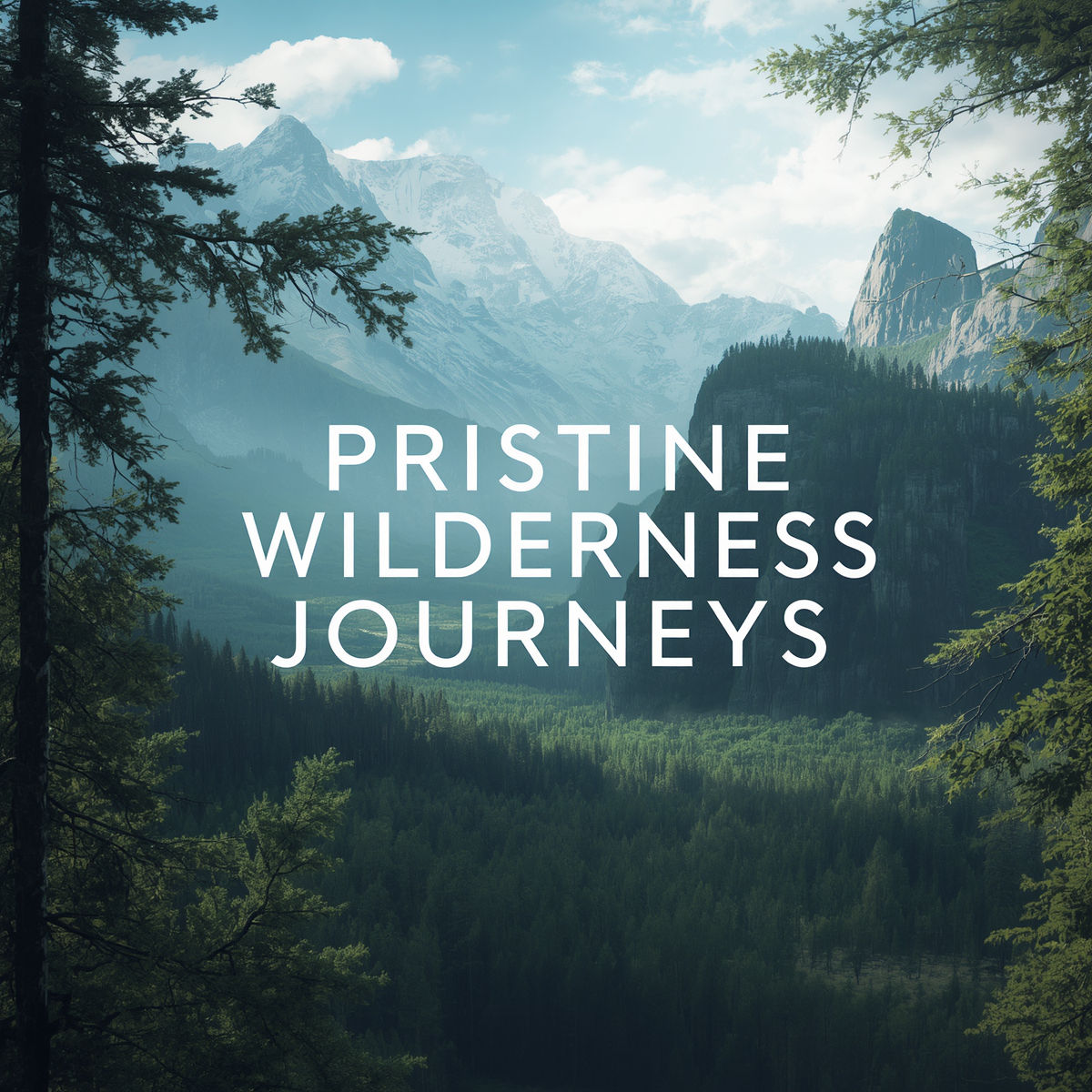
Pristine wilderness journeys offer travellers the opportunity to move beyond crowded attractions and discover places where nature remains the main attraction. Remote mountains, untouched forests, quiet coastlines, enormous valleys, wild rivers, and isolated islands can provide a powerful sense of freedom and discovery.
Modern travel often takes place around busy cities and well-known tourist destinations. While these places can be exciting, there is something special about travelling somewhere where the landscape feels open, peaceful, and largely untouched by development. A wilderness journey allows travellers to slow down, explore natural surroundings, and experience a different side of the world.
From Patagonia and Greenland to the remote islands of Scotland and the forests of Papua New Guinea, there are many destinations where travellers can discover extraordinary natural environments.
What Are Pristine Wilderness Journeys?
A pristine wilderness journey focuses on experiencing natural landscapes with limited development and fewer signs of modern life.
These journeys can involve hiking, camping, kayaking, wildlife watching, photography, trekking, sailing, or simply spending time in remote surroundings.
A wilderness adventure might include:
- Remote mountain trails
- Ancient forests
- Wild coastlines
- Glacial valleys
- Isolated islands
- Desert landscapes
- Untouched lakes
- Remote wildlife habitats
- Small rural communities
- Scenic multi-day routes
The experience does not necessarily need to be extreme. A carefully planned journey can provide access to remote landscapes while still offering comfortable accommodation and professional guidance.
Discover the Wilderness of Patagonia
Patagonia is one of the world’s most impressive destinations for travellers searching for dramatic wilderness.
Stretching across southern Argentina and Chile, the region contains mountains, glaciers, lakes, grasslands, forests, and windswept valleys.
Torres del Paine National Park in Chile is particularly famous for its dramatic granite peaks, turquoise lakes, glaciers, and extensive hiking trails.
On the Argentine side, Los Glaciares National Park offers another spectacular landscape. The area includes enormous ice fields, mountain ranges, and famous glaciers.
Patagonia’s vast scale creates a feeling of space that is difficult to find in heavily populated destinations. Even popular trails can provide moments of quiet when travellers move away from busy areas.
Explore Greenland’s Remote Landscapes
Greenland provides an extraordinary wilderness experience for travellers interested in ice, mountains, and remote Arctic landscapes.
Much of the country is covered by the Greenland Ice Sheet, while coastal areas contain mountains, fjords, glaciers, and small settlements.
Travellers can explore parts of Greenland by boat, kayak, hiking routes, or organised excursions.
The Ilulissat Icefjord is one of the country’s most remarkable natural areas. Huge pieces of ice move through the fjord after breaking away from glaciers, creating an impressive landscape of floating ice.
Greenland is ideal for travellers who want to experience a landscape shaped by ice and extreme natural conditions.
Discover the Remote Islands of Scotland
Scotland’s more isolated islands provide another type of wilderness experience.
The Outer Hebrides contain beaches, cliffs, moorlands, lochs, and open landscapes where visitors can experience a slower pace of life.
The Isle of Harris and the Isle of Lewis are known for their dramatic coastal scenery and relatively remote atmosphere.
Further north, the Shetland Islands provide rugged coastlines, sea cliffs, open landscapes, and rich birdlife.
These destinations demonstrate that wilderness does not always require travelling to another continent. Some of Europe’s most peaceful landscapes can be found on remote islands.
Experience the Wild Landscapes of Namibia
Namibia offers a completely different type of pristine wilderness.
Instead of dense forests or icy mountains, travellers can explore vast deserts, dramatic dunes, rocky valleys, and open plains.
Namib-Naukluft National Park contains some of the country’s most famous desert landscapes. The towering dunes around Sossusvlei create striking scenery, especially during early morning and late afternoon.
Damaraland provides another wilderness experience, with rocky landscapes and wildlife adapted to dry conditions.
Namibia is particularly appealing to photographers because the landscape changes dramatically with sunlight and shadows.
Explore the Canadian Arctic
Canada contains enormous areas of wilderness, including remote northern landscapes that remain far from major population centres.
The Canadian Arctic offers mountains, tundra, glaciers, rivers, and wildlife.
Nunavut and the Northwest Territories contain vast landscapes where travellers can experience an environment shaped by seasonal changes and Arctic conditions.
Wildlife can include Arctic foxes, caribou, polar bears, muskoxen, and numerous bird species depending on the region and season.
Arctic travel requires careful preparation because weather, distance, and limited infrastructure can make journeys challenging.
Guided expeditions are often the most appropriate way to explore remote areas safely.
Discover the Forests of Papua New Guinea
Papua New Guinea contains some of the world’s most diverse and relatively remote tropical environments.
The country’s mountains, forests, rivers, and isolated communities provide opportunities for travellers interested in nature and cultural exploration.
The Kokoda Track is one of the best-known trekking routes, passing through rugged terrain and tropical forest.
Beyond famous trekking routes, Papua New Guinea contains many remote landscapes that remain difficult to access.
Travellers visiting the country should work with experienced local guides and respect community traditions and environmental regulations.
Explore the Wild Coast of New Zealand
New Zealand offers many opportunities for wilderness travel, particularly in the South Island.
Fiordland National Park contains mountains, deep valleys, forests, lakes, and dramatic fiords.
Milford Sound is one of the most recognised landscapes in the region, but the wider Fiordland area contains many quieter areas and long-distance walking routes.
The Routeburn Track, Kepler Track, and other Great Walks allow visitors to experience forests, alpine environments, rivers, and mountain scenery.
New Zealand’s protected landscapes demonstrate how careful conservation and responsible tourism can help maintain natural environments.
Remote Mountain Landscapes
Mountains are among the best places to experience a sense of wilderness.
The Andes, Himalayas, Caucasus, and remote mountain ranges of Central Asia contain valleys and high-altitude landscapes where development is limited.
Tajikistan’s Pamir Mountains, for example, offer dramatic peaks, high valleys, remote roads, and traditional communities.
Kyrgyzstan also provides opportunities to explore the Tian Shan mountains, where travellers can experience alpine lakes, mountain pastures, and wide-open landscapes.
These journeys are particularly appealing to travellers who enjoy trekking and want to experience landscapes beyond heavily developed mountain resorts.
Wildlife in Untouched Landscapes
Remote wilderness areas are often important habitats for wildlife.
Because there is less development, animals can use large areas of natural habitat. Travellers may encounter wildlife while hiking, kayaking, driving through national parks, or travelling by boat.
The experience is often more rewarding when visitors observe animals quietly rather than actively searching for close encounters.
Binoculars and a camera with a suitable lens can help travellers enjoy wildlife from a safe distance.
Wildlife should never be fed or approached. Maintaining distance protects both visitors and animals.
Photography in Pristine Wilderness
Remote landscapes offer some of the best opportunities for nature photography.
Wide mountain valleys, dramatic coastlines, unusual rock formations, forests, deserts, and glaciers can create powerful images.
Early morning and evening are often excellent times for photography because softer light can reveal texture and depth.
Photographers should also consider photographing small details. A single plant, animal track, stone, or water reflection can tell part of the story of a wilderness journey.
Planning a Remote Journey
Travelling to remote places requires more planning than visiting a major city.
Before leaving, travellers should consider:
- Weather conditions
- Local transport
- Accommodation
- Communication options
- Route difficulty
- Food and water availability
- Medical facilities
- Local regulations
- Guide requirements
- Emergency procedures
Some remote areas have limited phone coverage, so travellers should understand how communication and emergency support work before starting their journey.
A reliable local operator can provide valuable assistance with transportation, accommodation, permits, and route planning.
Responsible Wilderness Travel
The phrase “untouched landscape” should be approached carefully. Very few natural environments are completely untouched by people, and many wilderness areas have long-standing connections with Indigenous or local communities.
Responsible travel means recognising this history and respecting local people and traditions.
Travellers should avoid leaving rubbish, damaging vegetation, disturbing wildlife, or removing natural objects.
Staying on established routes where appropriate and following protected-area rules can help reduce environmental impact.
Supporting local businesses and guides can also ensure that tourism contributes to communities near wilderness destinations.
Travel Slowly and Experience More
Wilderness journeys often become more rewarding when travellers slow down.
Instead of trying to visit several destinations in a short period, spending more time in one landscape can provide opportunities to notice details that might otherwise be missed.
A quiet morning beside a remote lake, an evening watching mountains change colour, or a long walk through an empty valley can become more memorable than a long list of attractions.
Slow travel also reduces unnecessary movement and can support a more responsible approach to exploring natural areas.
Final Thoughts
Pristine wilderness journeys provide an opportunity to step away from crowded destinations and experience landscapes where nature remains the central attraction. From Patagonia and Greenland to Scotland, Namibia, Canada’s Arctic, Papua New Guinea, and New Zealand, remote destinations offer countless opportunities for discovery.
These journeys can include mountain trekking, wildlife watching, kayaking, photography, camping, cultural experiences, and quiet time in nature.
The most important part of wilderness travel is not simply reaching a remote location. It is learning to appreciate the landscape responsibly and understanding the importance of protecting it.
For travellers seeking adventure, peace, and extraordinary scenery, a journey into the wilderness can provide memories that last for years. Remote mountains, ancient forests, wild coastlines, glaciers, and open valleys remind us how diverse and powerful the natural world can be.