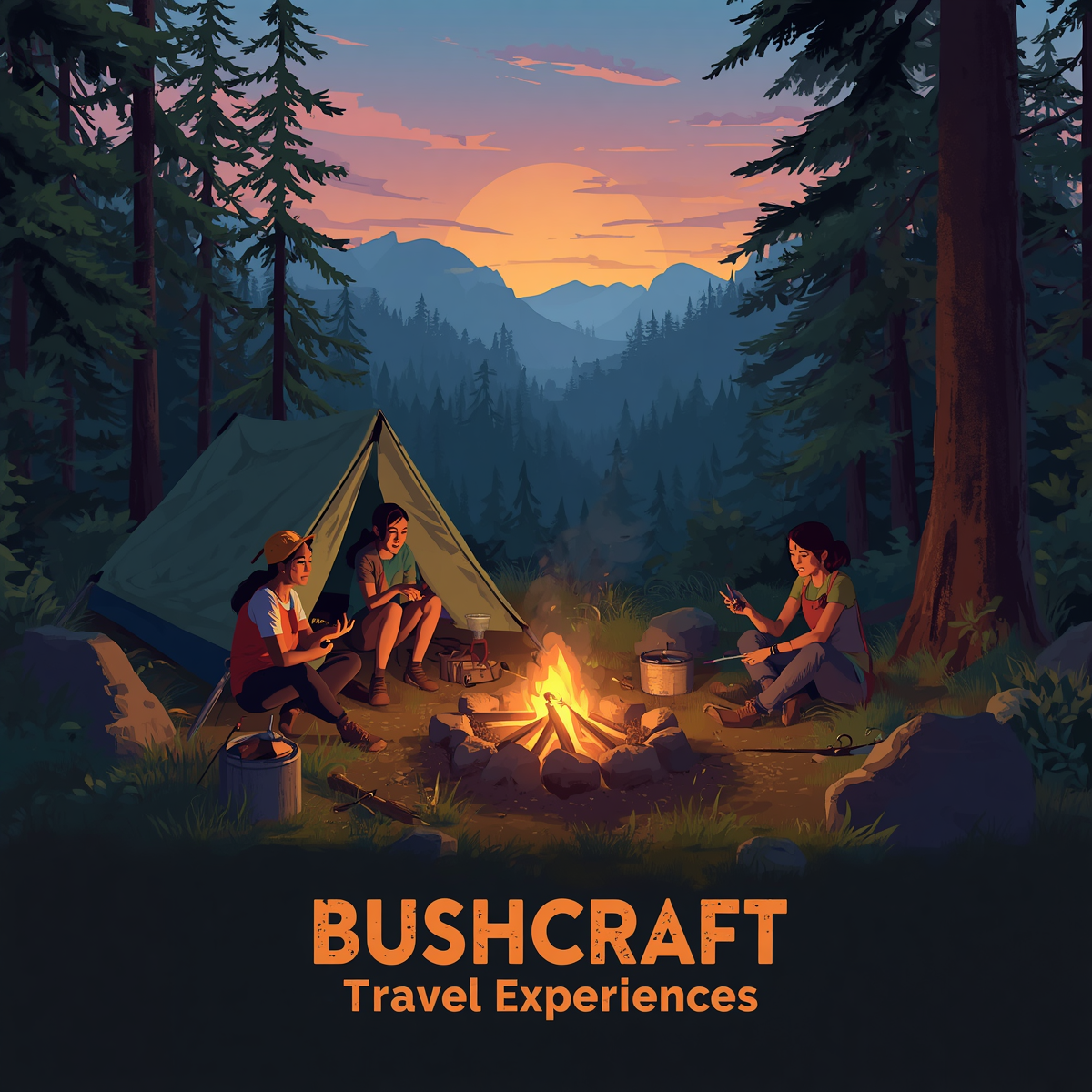
Bushcraft travel experiences offer a different way to explore the outdoors. Instead of simply visiting a beautiful landscape, travellers can learn practical skills that help them understand and interact with nature. Building a shelter, preparing food outdoors, learning basic navigation, understanding local plants, making a safe campfire, and spending a night in the wilderness can turn an ordinary outdoor trip into a meaningful adventure.
Bushcraft is not only about survival. It is about developing confidence, patience, observation, and respect for the natural environment. These experiences can be enjoyed by beginners as well as experienced outdoor travellers. A guided bushcraft trip can introduce people to skills they may never have the opportunity to learn during a traditional holiday.
From the forests of Scotland and Sweden to the wilderness of Finland, Canada, and New Zealand, bushcraft travel provides many opportunities to learn outdoor skills in natural surroundings.
What Is Bushcraft Travel?
Bushcraft focuses on practical outdoor knowledge and traditional wilderness skills. It encourages travellers to use their surroundings responsibly while developing a better understanding of nature.
A bushcraft experience may include:
- Building simple natural shelters
- Learning outdoor cooking
- Basic navigation
- Fire safety and fire-lighting techniques
- Identifying plants
- Tracking wildlife
- Camp organisation
- Water awareness
- Knot tying
- Woodland skills
- Outdoor safety
- Responsible wilderness practices
The exact activities depend on the destination, season, local regulations, and experience level.
For beginners, guided sessions can provide a safe introduction to these skills while allowing them to enjoy the surrounding landscape.
Why Choose a Bushcraft Travel Experience?
Many modern holidays are centred around hotels, restaurants, sightseeing, and organised entertainment. Bushcraft offers something very different.
It encourages travellers to slow down and pay attention to their surroundings. Instead of simply walking through a forest, you may learn to identify different trees. Instead of passing a stream, you may learn about the local landscape and water environment.
This active approach can create a stronger connection with nature.
Bushcraft also teaches useful skills that can increase confidence outdoors. Learning how to navigate a woodland trail or prepare a simple meal outside can make future hiking and camping trips more enjoyable.
Learn Bushcraft in the Scottish Highlands
Scotland provides an excellent setting for bushcraft travel. The country’s forests, lochs, mountains, and open landscapes create a natural classroom for outdoor learning.
The Scottish Highlands are particularly attractive for travellers who want to combine wilderness skills with dramatic scenery.
A guided bushcraft experience can introduce visitors to woodland shelters, outdoor cooking, navigation, and responsible fire practices.
Scotland’s changing weather also provides an opportunity to understand why preparation is important. Travellers can learn how clothing, shelter, route planning, and weather awareness influence outdoor safety.
Bushcraft in Scotland can be combined with hiking, wildlife watching, photography, and visits to remote Highland communities.
Discover Wilderness Skills in Sweden
Sweden is another excellent destination for bushcraft travel. Large areas of forest, lakes, and open wilderness create plenty of space for outdoor learning.
Swedish outdoor culture has a strong connection with nature, and visitors can experience this through guided wilderness activities.
Forests around central and northern Sweden can provide settings for learning shelter-building, outdoor cooking, navigation, and nature observation.
A bushcraft journey in Sweden can also introduce travellers to the idea of spending time outdoors in different seasons. Summer provides long days and relatively mild conditions, while colder months create completely different challenges.
Travellers should always work with experienced instructors when learning winter wilderness skills.
Experience Forest Life in Finland
Finland is famous for its forests and thousands of lakes, making it a natural destination for wilderness experiences.
Finnish forests provide peaceful surroundings for travellers who want to learn practical outdoor skills away from busy tourist centres.
A bushcraft trip can include learning about local trees, preparing food over a controlled outdoor fire where permitted, setting up a simple camp, and practising navigation.
The Finnish landscape also encourages travellers to appreciate silence and slow travel. Spending time in a forest without constant digital distractions can make the experience especially rewarding.
For people who enjoy camping, hiking, and nature photography, Finland offers opportunities to combine several interests within one journey.
Learn Outdoor Skills in Canada’s Wilderness
Canada’s huge wilderness areas provide an exciting setting for bushcraft and outdoor education.
Forests, lakes, rivers, and mountains can be found across the country, although conditions vary significantly by region.
British Columbia, Ontario, Alberta, and other provinces offer different landscapes where travellers can experience wilderness activities.
A guided bushcraft programme may teach practical skills such as navigation, shelter construction, outdoor cooking, and understanding the surrounding environment.
Wildlife awareness is particularly important in Canadian wilderness areas. Travellers need to understand how to store food, behave around animals, and follow local safety guidance.
The goal should not be to challenge wildlife but to learn how to travel responsibly through its habitat.
Explore the New Zealand Outdoors
New Zealand is well known for hiking and outdoor adventure, but it can also provide an excellent environment for learning wilderness skills.
The country’s forests, mountains, rivers, and coastal landscapes create many different environments for outdoor education.
Bushcraft experiences can be combined with hiking and camping to create a more complete wilderness journey.
Travellers can learn about navigation, shelter, outdoor cooking, weather awareness, and environmental responsibility while exploring natural landscapes.
New Zealand’s changing weather makes preparation particularly important, especially in remote mountain and forest areas.
Building a Shelter in the Wilderness
Shelter-building is one of the classic bushcraft skills.
A simple shelter can teach travellers about natural materials, weather protection, insulation, and site selection.
In organised bushcraft programmes, instructors demonstrate appropriate techniques and explain how to minimise environmental impact.
Travellers should never damage protected vegetation or cut living trees without permission. Many bushcraft skills can be taught using suitable existing materials or training equipment.
The lesson is not simply about building a shelter. It is about understanding how natural environments can provide resources while learning to use them responsibly.
Learning Outdoor Cooking
Food often becomes one of the most enjoyable parts of a bushcraft experience.
Cooking outdoors can be simple but rewarding. A guided experience may teach participants how to prepare basic meals using appropriate camping equipment and safe cooking methods.
Depending on the destination and local rules, travellers may learn about cooking over a controlled fire or using portable outdoor stoves.
Food can also become part of the cultural experience. Local ingredients and traditional outdoor cooking methods can introduce travellers to regional traditions.
Always follow local fire regulations, especially in dry forests or protected areas.
Navigation and Finding Your Way
Navigation is an important outdoor skill.
Bushcraft travel can introduce travellers to maps, compasses, landmarks, trail signs, and basic route planning.
Modern technology such as GPS devices and smartphone navigation can be useful, but understanding traditional navigation methods provides an additional layer of confidence.
Learning to read the landscape can also make hiking more interesting. Hills, rivers, tree lines, and other natural features can help travellers understand their position.
Navigation skills are particularly valuable when travelling in remote areas where phone signals may be limited.
Understanding Plants and Trees
Bushcraft encourages travellers to look more closely at the natural world.
Learning to identify trees and plants can make a forest walk more meaningful. A guide may explain how different species grow, how they contribute to the ecosystem, and their importance to local wildlife.
Plant identification should always be approached carefully. Travellers should never eat wild plants simply because they appear familiar.
Learning from qualified local experts is the safest way to understand edible and non-edible species.
Wildlife Tracking and Observation
Animal tracks, feathers, sounds, nests, and other signs can reveal what lives in a forest even when animals remain hidden.
Wildlife tracking can be an enjoyable part of bushcraft travel because it encourages patience and observation.
Instead of trying to approach animals, travellers learn to notice signs of their presence from a safe distance.
This approach can create a deeper appreciation of wildlife and help visitors understand how different species use their environment.
Bushcraft for Families and Beginners
Bushcraft is not only for experienced adventurers.
Many guided programmes are designed for beginners and families. Simple activities such as learning knots, identifying trees, preparing food, or building a small shelter can be enjoyable for different age groups.
Family bushcraft experiences can also encourage children to spend more time outdoors and develop curiosity about nature.
The activities should always be matched to the participants’ ages, abilities, and the local environment.
What to Pack for a Bushcraft Journey
Packing requirements vary depending on the destination and whether equipment is provided.
Useful items can include:
- Comfortable outdoor clothing
- Waterproof jacket
- Sturdy walking footwear
- Reusable water bottle
- Small backpack
- Headlamp
- Personal first-aid supplies
- Weather protection
- Sleeping equipment for overnight trips
- Navigation equipment where required
Avoid carrying unnecessary items. A lighter pack can make long walks and outdoor activities more comfortable.
Always check with the organiser before travelling because specialist bushcraft equipment may already be supplied.
Responsible Bushcraft and Nature Protection
Bushcraft should always be based on respect for nature.
Travellers should follow local regulations and avoid damaging trees, plants, wildlife habitats, or protected areas.
Campfires should only be used where permitted, and all fires must be completely extinguished.
Rubbish should be carried out, and natural objects should generally be left where they are.
Responsible bushcraft is about learning to work with nature without unnecessarily disturbing it.
Disconnecting From Everyday Life
One of the most valuable parts of bushcraft travel is the opportunity to slow down.
Spending several hours or days outdoors can provide a break from screens, notifications, traffic, and busy schedules.
Instead of constantly checking a phone, travellers can focus on preparing food, walking through forests, listening to birds, or watching the evening sky.
This slower pace can make a short trip feel much more meaningful.
Combining Bushcraft With Adventure Travel
Bushcraft does not have to be a standalone holiday.
It can be combined with hiking, camping, kayaking, wildlife watching, mountain trekking, and photography.
For example, travellers could spend several days hiking through a forest before joining a guided bushcraft workshop. Another itinerary could combine canoe travel with wilderness camping and outdoor skills.
This combination allows travellers to experience both adventure and learning during the same trip.
Final Thoughts
Bushcraft travel experiences provide an opportunity to learn practical outdoor skills while exploring some of the world’s most beautiful natural environments. From the forests of Scotland and Sweden to the wilderness of Finland, Canada, and New Zealand, there are many places where travellers can develop a deeper understanding of nature.
Building a shelter, learning navigation, preparing outdoor food, identifying trees, observing wildlife, and understanding weather conditions can turn a simple camping trip into a valuable learning experience.
The most important part of bushcraft is not simply learning how to survive outdoors. It is learning how to observe, respect, and responsibly experience the natural world.
For travellers who want more than traditional sightseeing, bushcraft offers a slower and more hands-on way to explore. It combines adventure, education, self-reliance, and nature, creating memorable journeys in the heart of the wilderness.