Modern travel is often associated with busy airports, crowded attractions, popular resorts, and carefully planned itineraries. While these experiences can be enjoyable, many travellers are now looking for something different. They want space, quiet surroundings, natural beauty, and the freedom to explore without following the same routes as everyone else.
Remote scenic getaways offer exactly that kind of escape. They take travellers away from busy destinations and into landscapes where nature becomes the main attraction. From peaceful mountain valleys and secluded coastlines to forest retreats and open countryside, remote destinations can provide a refreshing change from everyday routines.
A remote getaway does not necessarily mean travelling to an unreachable location. It can simply mean choosing a destination that is less developed, less crowded, or located away from major tourist centres. The experience is about slowing down, appreciating the surroundings, and discovering places that feel different from ordinary holidays.
What Makes a Remote Scenic Getaway Special?
A remote scenic getaway is defined less by distance and more by atmosphere.
The destination may be several hours away from a major city, or it could be a quiet area located just beyond a popular tourist region. What matters is that visitors have an opportunity to experience nature with fewer distractions.
Remote destinations often feature:
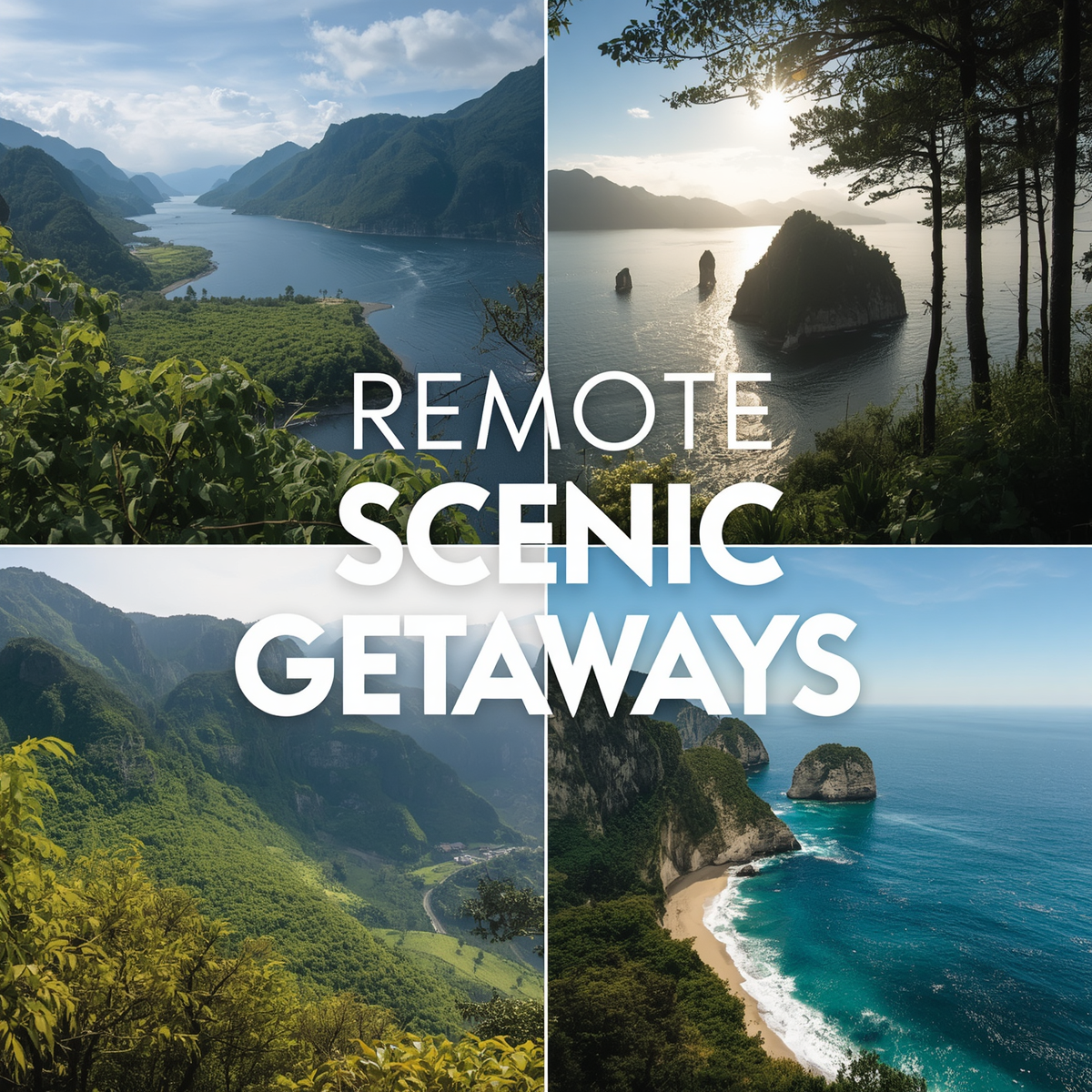
- Dramatic mountain landscapes
- Quiet forests
- Secluded lakes
- Peaceful valleys
- Rugged coastlines
- Open countryside
- Small rural communities
- Scenic walking trails
- Clear night skies
- Untouched or lightly developed landscapes
These surroundings create a sense of escape that can be difficult to find in crowded tourist destinations.
Escape From the Ordinary
One of the biggest reasons people choose remote travel is the desire for a change of environment.
Daily routines can become repetitive. Work, commuting, household responsibilities, and digital distractions can leave little time for simply enjoying the world around you.
A remote getaway provides an opportunity to step outside that routine.
Instead of waking up to traffic and busy streets, you might wake to the sound of birds, wind, flowing water, or distant wildlife. Instead of spending the day moving between crowded attractions, you can explore a quiet trail or enjoy a slow afternoon beside a lake.
The simplicity is part of the appeal.
Discover Beautiful Mountain Landscapes
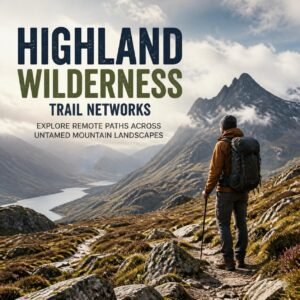
Mountains are among the most rewarding settings for a remote scenic escape.
A quiet mountain destination can offer dramatic peaks, deep valleys, alpine meadows, waterfalls, forests, and panoramic viewpoints.
Travellers do not necessarily need to be experienced mountaineers. Many mountain regions contain gentle walking trails and scenic routes suitable for people who simply want to enjoy the landscape.
For more adventurous visitors, longer hikes and multi-day trekking routes can provide a deeper experience.
The changing scenery is one of the greatest attractions. A trail can move from dense woodland into open meadows before reaching a high viewpoint overlooking the surrounding peaks.
Find Peace Beside Lakes
Lakes provide another excellent setting for a scenic getaway.
A quiet lakeside location can offer opportunities for walking, photography, kayaking, fishing where permitted, or simply relaxing beside the water.
The landscape can change throughout the day as sunlight, clouds, and weather conditions alter the appearance of the surrounding mountains and forests.
For travellers looking for relaxation rather than adventure, a lakeside retreat can provide the perfect balance.
You can spend the morning exploring nearby trails and the afternoon enjoying the peaceful surroundings.
Explore Secluded Coastal Landscapes
Remote coastlines can provide some of the most dramatic scenery available to travellers.
Cliffs, rocky beaches, sea caves, dunes, small fishing communities, and coastal paths can create a constantly changing landscape.
Walking along a quiet coastal trail allows travellers to experience the sea at a slower pace.
Instead of spending the entire holiday on a crowded beach, visitors can explore different sections of the coastline and discover secluded viewpoints along the way.
Coastal destinations can also be particularly rewarding for photographers because changing weather and light can transform the landscape throughout the day.
Escape Into the Forest
Forest retreats provide a different type of remote experience.
Tall trees, woodland paths, streams, moss-covered landscapes, and wildlife create an environment that feels naturally removed from urban life.
A forest getaway does not have to be physically demanding. Many woodland areas contain short walking trails suitable for relaxed exploration.
Visitors can combine hiking with photography, birdwatching, reading, or simply spending time outdoors.
The natural shade and quieter surroundings can also make forests particularly appealing during warmer months.
Experience Rural Landscapes
Remote scenic getaways are not limited to wilderness areas.
Rural countryside can provide equally memorable experiences through rolling hills, farmland, traditional villages, country roads, and open fields.
Staying in a small village or countryside accommodation can allow travellers to experience a slower way of life.
Local markets, family-run restaurants, farms, historic buildings, and traditional crafts can become part of the journey.
These experiences can provide a stronger connection to the destination than visiting only major tourist attractions.
Stay Somewhere Close to Nature
Accommodation can influence the entire atmosphere of a remote getaway.
Instead of choosing a large hotel in a busy town, travellers may prefer a small lodge, countryside guesthouse, cabin, farm stay, or other accommodation surrounded by natural landscapes.
Waking up with a view of mountains, forests, or open countryside can make the accommodation itself part of the experience.
A peaceful place to stay also provides a comfortable base for exploring nearby trails and attractions.
The best accommodation does not necessarily need to be luxurious. Sometimes simplicity, location, and a connection to nature are more valuable.
Plan a Slower Itinerary
Remote travel works particularly well when there is less pressure to follow a packed schedule.
Trying to visit too many attractions can defeat the purpose of a peaceful getaway.
Instead, consider choosing a small number of experiences and allowing plenty of time between them.
A morning hike could be followed by a long lunch. An afternoon could be spent exploring a nearby village. The evening might simply involve watching the sunset.
Leaving space in your itinerary allows unexpected discoveries to become part of the trip.
Enjoy Outdoor Activities
Remote scenic destinations provide plenty of opportunities for outdoor activities.
Depending on the environment, visitors can enjoy:
- Hiking
- Trekking
- Scenic walking
- Cycling
- Kayaking
- Wildlife watching
- Birdwatching
- Nature photography
- Fishing where permitted
- Stargazing
- Scenic picnics
The best activities are those that allow you to engage with the landscape rather than simply pass through it.
Even a simple walk can become a memorable experience when the surroundings are beautiful.
Prepare for Remote Locations
Remote travel requires more preparation than visiting a well-developed tourist destination.
Some locations may have limited transport, fewer shops, weak mobile coverage, and fewer medical or emergency facilities.
Before travelling, research the destination carefully. Check road conditions, weather forecasts, accommodation arrangements, local regulations, and available services.
If you plan to hike, understand the route and difficulty level before setting out.
It is also sensible to carry essential supplies such as water, food, suitable clothing, navigation equipment, and basic first-aid items when travelling into more isolated areas.
Preparation allows you to enjoy the freedom of remote travel without unnecessary problems.
Choose the Right Season
The same destination can feel completely different depending on the time of year.
Spring may bring wildflowers and fresh green landscapes. Summer can provide longer days and favourable conditions for outdoor activities. Autumn can transform forests and hills with seasonal colour, while winter may create dramatic snowy scenery.
However, seasonal conditions can also affect accessibility.
Mountain roads may become difficult during winter, while heavy rain can affect hiking trails and rural roads. Researching local conditions before travelling is essential.
For travellers who want fewer visitors, shoulder seasons can sometimes provide a good balance between pleasant conditions and quieter surroundings.
Travel Responsibly
Remote landscapes can be fragile, particularly in areas with limited tourism infrastructure.
Visitors should take care not to damage natural environments or disrupt local communities.
Simple responsible travel practices include staying on designated trails, avoiding litter, respecting wildlife, following local regulations, and reducing unnecessary waste.
Travellers should also respect private land and local customs.
Supporting local businesses can help communities benefit from tourism. Choosing local accommodation, guides, restaurants, and services can contribute directly to the regional economy.
Responsible travel ensures that remote destinations remain beautiful and welcoming for future visitors.
Disconnect From Digital Distractions
A remote scenic getaway can also be a chance to reduce dependence on technology.
Many people spend much of their day connected to phones, computers, and social media. A peaceful natural environment creates an opportunity to step away from constant notifications.
You do not need to completely disconnect. Even setting aside several hours each day without checking your phone can make the experience feel different.
Use the time to walk, observe wildlife, read, talk with travel companions, or simply enjoy the scenery.
Sometimes the greatest luxury is having nothing demanding your attention.
Capture the Landscape
Remote destinations are often ideal for photography.
Mountains, forests, coastlines, lakes, wildlife, villages, and changing skies provide countless opportunities for memorable images.
Early morning and late afternoon can offer particularly interesting light.
However, it is worth remembering that photography should complement the experience rather than replace it.
Some moments are best remembered through personal experience rather than a photograph.
Take pictures when you want to, but also put the camera away and appreciate the landscape directly.
Create Meaningful Travel Memories
The best remote getaways often involve simple experiences.
It might be watching sunrise from a mountain viewpoint, walking beside a quiet river, sharing a meal in a small village, or sitting beside a lake as the evening light changes.
These moments may not appear on a list of famous attractions, but they can become the strongest memories of a journey.
Remote travel encourages people to notice these details because there is less pressure to move from one major attraction to another.
Why Remote Scenic Getaways Are Worth Exploring
Remote destinations offer something increasingly valuable: space.
Space to walk, think, explore, relax, and appreciate nature.
They can provide physical adventure for active travellers and peaceful surroundings for those simply looking to escape a demanding routine.
Whether you spend your days hiking through mountains, exploring a quiet coastline, cycling through countryside, or relaxing beside a lake, the experience can feel more personal because the landscape is allowed to take centre stage.
Final Thoughts
Remote scenic getaways offer a refreshing alternative to crowded tourist destinations and highly structured holidays. They provide opportunities to explore beautiful landscapes, discover quieter communities, enjoy outdoor activities, and experience nature at a slower pace.
The ideal remote escape does not have to be extreme. It can be a peaceful countryside retreat, a secluded coastal village, a forest cabin, or a mountain lodge far from the busiest tourist routes.
With thoughtful preparation and responsible travel, these destinations can provide a meaningful break from ordinary routines.
Sometimes the best way to experience a new place is to leave the busy attractions behind, follow a quieter road, and discover where the landscape leads.