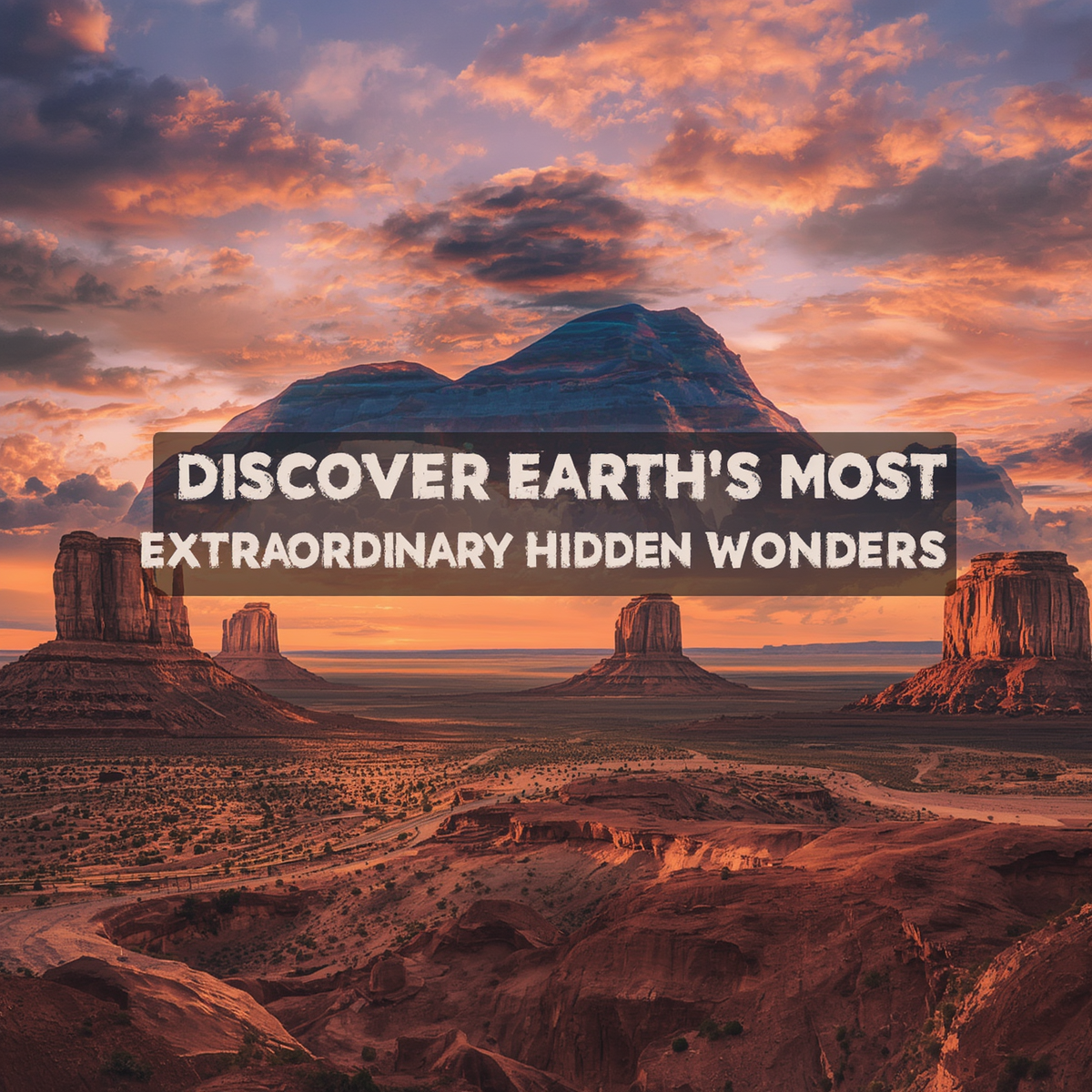
The world is filled with incredible natural landscapes, but some of the most fascinating places are found far away from the famous tourist attractions. While destinations such as major waterfalls, famous mountains, and well-known national parks attract millions of visitors, there are countless lesser-known natural wonders waiting to be explored.
Unusual natural attractions offer travelers an opportunity to discover landscapes that look almost unreal. From unusual rock formations and hidden caves to colorful lakes, mysterious forests, volcanic landscapes, and remote waterfalls, these places show just how creative nature can be.
For travelers who enjoy exploration, photography, hiking, and discovering places away from crowded tourist routes, unusual natural attractions can turn an ordinary holiday into an extraordinary adventure.
What Are Unusual Natural Attractions?
Unusual natural attractions are distinctive landscapes or natural features that stand out because of their appearance, geological history, location, or ecological importance.
They can include:
- Strange rock formations
- Hidden caves
- Natural arches
- Unusual beaches
- Colored lakes
- Volcanic landscapes
- Remote waterfalls
- Ancient forests
- Underground rivers
- Natural pools
- Unusual geological formations
Some are easy to reach, while others require hiking or traveling into remote areas.
Their appeal comes from their uniqueness. Instead of seeing another familiar tourist attraction, travelers can experience something that feels completely different.
Why Explore Hidden Natural Wonders?
There is something special about discovering a landscape that feels untouched and unfamiliar.
Unusual natural attractions can provide:
- Fewer crowds
- Unique scenery
- Photography opportunities
- Outdoor adventures
- Cultural experiences
- Opportunities to learn about geology
- Wildlife encounters
- A stronger connection with nature
Traveling to lesser-known places can also encourage visitors to slow down and spend more time appreciating their surroundings.
Extraordinary Rock Formations
Some of Earth’s most unusual attractions have been created through millions of years of erosion, volcanic activity, and geological change.
Natural rock formations can take many shapes, including:
- Towers
- Arches
- Canyons
- Pinnacles
- Stone columns
- Balancing rocks
- Underground formations
Wind and water gradually transform rock over thousands or millions of years, creating landscapes that can look almost impossible.
These locations are particularly attractive to photographers because changing sunlight can dramatically alter the appearance of the formations.
Hidden Caves and Underground Wonders
The world beneath the surface contains some of the planet’s most fascinating natural environments.
Caves can feature:
- Stalactites
- Stalagmites
- Underground rivers
- Large chambers
- Natural pools
- Unusual mineral formations
Some cave systems are accessible through guided tours, while others require specialist equipment and experience.
Exploring caves can provide a completely different perspective on a destination and reveal geological processes that are hidden from the surface.
Colorful Natural Lakes
Some lakes are famous for unusual colors created by minerals, microorganisms, geological conditions, or surrounding landscapes.
Natural lakes may appear:
- Blue
- Green
- Turquoise
- Red
- Pink
- Brown
Their colors can change depending on weather, sunlight, water conditions, and seasonal factors.
These unusual lakes can be spectacular photography locations, but visitors should always follow local rules regarding swimming, access, and environmental protection.
Mysterious Forests
Forests can become unusual natural attractions because of their age, unusual vegetation, landscape, or atmosphere.
Ancient forests may contain:
- Extremely old trees
- Rare plants
- Moss-covered landscapes
- Hidden streams
- Diverse wildlife
- Unusual ecosystems
Walking through an old forest can feel like entering another world. The combination of towering trees, filtered sunlight, natural sounds, and quiet trails creates an immersive outdoor experience.
Remote Waterfalls
Waterfalls are among the world’s most popular natural attractions, but remote waterfalls can provide a completely different experience.
Hidden waterfalls may require:
- Hiking
- Forest exploration
- Mountain travel
- River crossings
- Guided excursions
The journey itself often becomes part of the adventure.
Arriving at a secluded waterfall after a long walk can be particularly rewarding because the landscape feels peaceful and removed from everyday life.
Natural Arches and Bridges
Natural arches and rock bridges are formed when erosion removes sections of rock, leaving dramatic openings within the landscape.
These formations can appear in:
- Mountains
- Deserts
- Coastal regions
- Canyons
- Forest environments
Their unusual shapes make them popular destinations for hiking and photography.
Volcanic Landscapes
Volcanic activity has created some of the world’s most extraordinary environments.
Volcanic landscapes may include:
- Lava fields
- Craters
- Black-sand beaches
- Geothermal pools
- Steam vents
- Volcanic mountains
These environments demonstrate the powerful geological forces that continue to shape the planet.
Visitors should always follow safety restrictions around active or potentially hazardous volcanic areas.
Extraordinary Coastal Landscapes
Coastlines are constantly shaped by wind, waves, and geological activity.
This process can create:
- Sea caves
- Natural arches
- Dramatic cliffs
- Unusual rock pools
- Isolated beaches
- Stone formations
Exploring unusual coastal attractions provides opportunities for walking, photography, wildlife observation, and scenic exploration.
Natural Pools and Hidden Swimming Spots
In some destinations, rivers and geological formations create beautiful natural pools.
These can occur near:
- Waterfalls
- Rivers
- Mountain valleys
- Canyons
- Coastal areas
However, natural water environments can contain hidden currents, changing water levels, slippery rocks, or other hazards. Always check local guidance before entering the water.
Wildlife and Unusual Ecosystems
Natural attractions are not only about landscapes. Some unusual environments support rare or highly specialized wildlife.
Visitors may encounter:
- Rare birds
- Mountain animals
- Unusual insects
- Marine species
- Native plants
- Endemic wildlife
Wildlife observation should always be responsible. Keep a safe distance, avoid feeding animals, and follow local conservation rules.
A Paradise for Nature Photography
Unusual natural attractions provide endless opportunities for photographers.
You can capture:
- Dramatic rock formations
- Sunrise landscapes
- Hidden waterfalls
- Unusual lakes
- Wildlife
- Forest scenery
- Coastal cliffs
- Volcanic terrain
Different lighting conditions can completely change the appearance of a landscape.
Early mornings and late afternoons often provide softer light and longer shadows, making natural formations particularly dramatic.
Adventure Beyond the Main Tourist Routes
One of the biggest attractions of unusual natural sites is the opportunity to explore beyond conventional tourism.
Instead of following crowded routes, travelers can seek:
- Lesser-known trails
- Remote viewpoints
- Quiet valleys
- Hidden beaches
- Small nature reserves
- Local hiking routes
However, less-developed destinations require additional preparation. Travelers should research access, weather, transportation, trail conditions, and local regulations before visiting.
Sustainable Exploration of Natural Wonders
Many unusual natural attractions are environmentally sensitive. Increased tourism can damage fragile ecosystems if visitors are not careful.
Responsible travelers should:
- Stay on designated trails
- Avoid removing rocks or plants
- Take rubbish home
- Avoid disturbing wildlife
- Respect local communities
- Follow access restrictions
- Use reusable water bottles
- Support responsible local tourism businesses
The goal should be to enjoy these places without damaging them.
Why Hidden Wonders Are Worth Discovering
Famous attractions have their place, but lesser-known natural wonders can offer a deeper sense of discovery.
Traveling to unusual locations allows you to:
- Explore something different
- Experience quieter surroundings
- Learn about natural history
- Discover new landscapes
- Take unique photographs
- Challenge yourself with new routes
- Create memorable travel stories
The journey can become just as important as the destination.
Planning an Unusual Nature Adventure
Before visiting a lesser-known natural attraction, research is essential.
Check:
- How to reach the location
- Opening or access restrictions
- Weather conditions
- Trail difficulty
- Local transportation
- Accommodation options
- Safety requirements
- Conservation regulations
Remote locations may have limited services, so carrying appropriate supplies is important.
Choosing the Right Adventure
Not every unusual attraction requires a difficult expedition.
Travelers can choose experiences based on their interests and abilities.
For Families
Consider accessible nature trails, unusual rock formations, scenic viewpoints, and educational attractions.
For Couples
Remote landscapes, unusual beaches, scenic waterfalls, and peaceful nature retreats can create memorable experiences.
For Photographers
Look for dramatic landscapes, unusual geological features, wildlife, and destinations with changing natural light.
For Experienced Adventurers
Remote caves, mountain trails, volcanic landscapes, and wilderness routes can provide greater challenges.
The best adventure is one that matches your interests, preparation, and experience level.
The Future of Nature-Based Travel
As travelers increasingly look for authentic experiences, unusual natural attractions are becoming more appealing. People want to move beyond crowded tourist hotspots and discover landscapes that provide a stronger sense of exploration.
This trend also highlights the importance of responsible tourism. Greater interest in hidden destinations should be balanced with conservation efforts, visitor management, and respect for local communities.
Travelers can help by choosing responsible operators, following environmental guidelines, and leaving natural attractions exactly as they found them.
Final Thoughts
Unusual natural attractions reveal some of Earth’s most extraordinary hidden wonders. From mysterious caves and colorful lakes to remote waterfalls, ancient forests, volcanic landscapes, and dramatic rock formations, these destinations demonstrate the incredible variety of the natural world.
Exploring lesser-known attractions can provide more than beautiful scenery. It can create opportunities for adventure, photography, wildlife observation, learning, and personal discovery. The experience of reaching a remarkable landscape away from the crowds can become one of the most memorable parts of a journey.
Whether you’re an experienced explorer or simply looking for something different from a traditional holiday, consider stepping beyond the most famous tourist attractions. Research carefully, travel responsibly, respect nature, and discover the unusual landscapes that make our planet so remarkable.