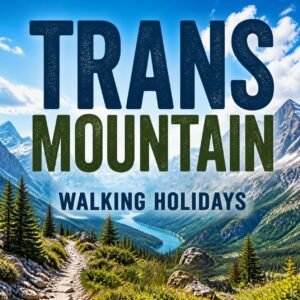
Trekking is more than simply walking from one place to another. It is an opportunity to explore dramatic landscapes, challenge yourself, experience different cultures, and discover parts of the world that cannot always be reached by road. From towering mountain ranges and remote valleys to ancient forests and high-altitude passes, the world’s most extraordinary trekking destinations offer unforgettable experiences for travelers seeking adventure.
Every trail has its own story. Some lead through peaceful natural landscapes, while others pass traditional villages, dramatic peaks, rivers, glaciers, and remote wilderness areas. Whether you are an experienced trekker searching for a demanding expedition or a beginner looking for scenic walking routes, there are remarkable trails across the world waiting to be explored.
This guide explores what makes extraordinary trekking destinations so special and how travelers can prepare for memorable adventures on some of the world’s most remarkable trails.
What Makes a Trekking Destination Extraordinary?
A great trekking destination offers more than a beautiful path. It creates a complete experience through a combination of scenery, culture, wildlife, physical challenge, and discovery.
Remarkable trekking destinations may feature:
- Dramatic mountain landscapes
- Remote wilderness areas
- Ancient forests
- High-altitude trails
- Scenic valleys
- Alpine lakes
- Waterfalls
- Traditional villages
- Diverse wildlife
- Historic routes
The best trekking experiences often provide a sense of progression. As you move through the landscape, the scenery changes and reveals something new.
Mountain Trekking Adventures
Mountains are among the most popular environments for trekking. Their dramatic landscapes, changing weather, and challenging terrain create unforgettable adventures.
Mountain trails may take you through:
- Forests
- Alpine meadows
- Rocky ridges
- High mountain passes
- Glacial valleys
- Remote villages
- Scenic viewpoints
The experience of reaching a high viewpoint after hours or days of trekking can be one of the most rewarding moments of an adventure holiday.
However, mountain trekking also requires careful preparation. Weather conditions can change quickly, and higher elevations may require travelers to adjust their pace and allow time for acclimatization.
Trek Through Remote Forest Landscapes
Forests offer a completely different trekking experience. Instead of wide mountain panoramas, forest trails can create a feeling of immersion.
Trekkers may discover:
- Ancient trees
- Hidden waterfalls
- Woodland wildlife
- Flowing rivers
- Moss-covered landscapes
- Quiet clearings
Forest trekking is ideal for travelers who enjoy peaceful surroundings and close connections with nature.
Every season can transform the experience. Spring may bring fresh greenery, summer provides long days, autumn creates colorful landscapes, and winter can turn familiar trails into quiet and dramatic environments.
High-Altitude Trekking Experiences
High-altitude trekking can be physically demanding, but it also provides access to some of the world’s most dramatic landscapes.
At higher elevations, trekkers may encounter:
- Snow-covered peaks
- Glaciers
- Alpine lakes
- Remote mountain passes
- Rugged valleys
- Vast open landscapes
Preparation is particularly important. Trekkers should understand the elevation profile of their route, allow time for acclimatization where necessary, stay hydrated, and avoid pushing themselves too quickly.
Choosing a route appropriate for your experience and fitness level can make the adventure safer and more enjoyable.
Discover Scenic Coastal Trails
Not every remarkable trek takes place in the mountains. Coastal trekking routes can provide dramatic views of cliffs, beaches, sea caves, and open ocean.
A coastal adventure may include:
- Cliffside paths
- Hidden beaches
- Coastal forests
- Rocky shorelines
- Wildlife observation
- Seaside villages
The combination of walking and ocean scenery creates a unique trekking experience. Coastal weather can also change quickly, so travelers should check conditions before beginning longer routes.
Trekking Through Traditional Communities
Some of the most meaningful trekking journeys involve more than natural scenery. Trails may pass through villages and communities where travelers can learn about local traditions and ways of life.
These experiences can include:
- Local food
- Traditional accommodation
- Cultural heritage
- Regional crafts
- Conversations with local people
- Historic sites
Responsible trekking can also support local economies when travelers choose local guides, accommodation, and businesses.
Respect for local customs is essential. Visitors should learn about cultural expectations and remember that trekking routes often pass through places where people live and work.
Multi-Day Trekking Adventures
Multi-day treks offer a deeper connection with a landscape because they allow travelers to experience changing environments over time.
A multi-day trek may involve:
- Mountain huts
- Campsites
- Remote lodges
- Village accommodation
- Guided expeditions
Each day brings new scenery and challenges.
A typical journey might begin in a forest, continue through open valleys, and eventually reach high mountain terrain. This gradual progression makes long-distance trekking particularly rewarding.
Wildlife Along the Trail
Trekking through natural environments can provide opportunities to observe wildlife.
Depending on the destination, you may encounter:
- Deer
- Mountain goats
- Foxes
- Marmots
- Birds of prey
- Native birds
- Butterflies
- Smaller woodland animals
Wildlife should always be observed from a respectful distance. Avoid feeding animals, making excessive noise, or attempting to approach them for photographs.
Responsible behavior helps protect both travelers and wildlife.
Extraordinary Trekking for Beginners
You do not need to be an elite athlete to enjoy remarkable trekking destinations.
Many destinations offer routes with:
- Gentle gradients
- Shorter distances
- Clearly marked paths
- Comfortable accommodation
- Accessible transport
- Guided walking options
Beginners should start with routes that match their current fitness level.
It is better to complete a comfortable and enjoyable trek than choose a route that is too demanding. As confidence and experience increase, trekkers can gradually take on longer and more challenging adventures.
Trekking for Experienced Adventurers
Experienced trekkers may be interested in more challenging environments.
These could include:
- Remote mountain routes
- Multi-day wilderness treks
- High-altitude trails
- Long-distance paths
- Rugged terrain
- Expedition-style journeys
More challenging adventures require detailed preparation, navigation skills, appropriate equipment, and a strong understanding of environmental conditions.
For remote or technically demanding areas, using an experienced local guide may be a sensible choice.
The Importance of Good Trekking Preparation
A successful trekking adventure begins before you reach the trail.
Important preparation steps include:
- Research the destination.
- Understand the route difficulty.
- Check expected weather conditions.
- Prepare suitable clothing.
- Test your footwear before traveling.
- Carry enough water and food.
- Learn about local regulations.
- Tell someone your travel plans.
- Keep your itinerary flexible.
- Know when conditions require you to turn back.
Good preparation can significantly improve both safety and enjoyment.
Essential Gear for Remarkable Trails
The exact equipment depends on the destination, season, and length of your trek.
Useful items may include:
- Comfortable hiking boots
- Weather-appropriate clothing
- Waterproof jacket
- Backpack
- Reusable water bottle
- Navigation tools
- First-aid kit
- Headlamp
- Sun protection
- Energy-rich snacks
For longer or more remote expeditions, additional equipment may be necessary.
Avoid packing unnecessary weight, but make sure you have the essential supplies required for your route.
Trekking Through Every Season
Different seasons can create completely different experiences on the same trail.
Spring
Spring can bring:
- Wildflowers
- Fresh greenery
- Flowing rivers
- Active wildlife
Summer
Summer often offers:
- Longer daylight hours
- Access to higher trails
- Comfortable conditions in many mountain regions
- Camping opportunities
Autumn
Autumn can provide:
- Colorful forests
- Cooler temperatures
- Clearer landscapes
- Excellent photography opportunities
Winter
Winter may offer:
- Snow-covered scenery
- Quiet trails
- Frozen landscapes
- Unique trekking experiences
However, winter trekking may require specialist knowledge and equipment depending on conditions.
Nature Photography on the Trail
Extraordinary trekking destinations provide countless photography opportunities.
Popular subjects include:
- Mountain peaks
- Alpine lakes
- Forest trails
- Wildlife
- Waterfalls
- Traditional villages
- Sunrise landscapes
- Dramatic weather
Photography can encourage trekkers to slow down and notice details they might otherwise miss.
At the same time, safety should always come before taking a photograph. Avoid leaving established routes or entering unstable areas simply to capture an image.
Sustainable Trekking and Responsible Travel
Many remarkable trekking destinations are environmentally sensitive.
Responsible trekkers should follow simple principles:
- Stay on designated trails.
- Carry all rubbish out.
- Avoid damaging plants.
- Respect wildlife.
- Use reusable containers.
- Follow local regulations.
- Support local communities.
- Avoid disturbing quiet natural environments.
Leave No Trace principles can help protect destinations for future travelers.
Responsible trekking is not only about avoiding environmental damage. It is also about respecting local people, cultures, and communities connected to the landscapes you visit.
Choosing the Right Trekking Destination
The best destination depends on your personal interests and abilities.
Consider:
- Your fitness level
- Available travel time
- Preferred scenery
- Weather conditions
- Budget
- Trekking experience
- Accommodation preferences
- Interest in culture or wildlife
Some travelers may prefer a comfortable route with scenic lodges, while others may want a remote expedition through wilderness.
Understanding your travel style makes it easier to choose an adventure you will genuinely enjoy.
The Mental Benefits of Trekking
Trekking can offer more than physical exercise. Spending time on the trail allows travelers to step away from busy routines and focus on the present moment.
The experience can encourage:
- Greater confidence
- Personal reflection
- Physical activity
- Mindfulness
- Connection with nature
- A sense of achievement
Completing a challenging trail can also provide a powerful sense of accomplishment.
Why Extraordinary Trekking Destinations Continue to Inspire Travelers
Travelers are increasingly looking for experiences that feel meaningful and memorable. Trekking offers an opportunity to actively explore a destination instead of simply observing it.
A remarkable trail can provide:
- Adventure
- Natural beauty
- Physical challenges
- Cultural experiences
- Wildlife encounters
- Personal growth
- Lasting memories
The journey itself becomes an important part of the travel experience.
Tips for an Unforgettable Trek
To get the most from your adventure:
- Choose a route suitable for your ability.
- Train before demanding treks.
- Wear comfortable and tested footwear.
- Check conditions regularly.
- Start each day with enough time.
- Stay hydrated.
- Respect nature and local communities.
- Take breaks when needed.
- Avoid rushing through the experience.
- Keep safety as your highest priority.
The most memorable trek is not always the longest or most difficult. Sometimes a peaceful trail through an extraordinary landscape can be just as rewarding.
Final Thoughts
Extraordinary trekking destinations offer travelers the chance to explore the world’s most remarkable trails while experiencing breathtaking landscapes, diverse cultures, and unforgettable outdoor adventures. From high mountain passes and ancient forests to dramatic coastlines and remote valleys, every trail offers a new perspective on the natural world.
Trekking allows you to experience a destination slowly and meaningfully. Instead of simply arriving at an attraction, you become part of the journey as every step brings new scenery, challenges, and discoveries.
Whether you are planning your first scenic walk or preparing for a demanding multi-day expedition, the world is full of remarkable trails waiting to be explored. With proper preparation, responsible travel habits, and a willingness to embrace the journey, your next trekking adventure could become one of the most memorable experiences of your life.