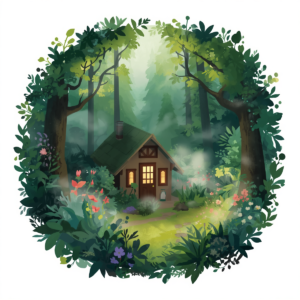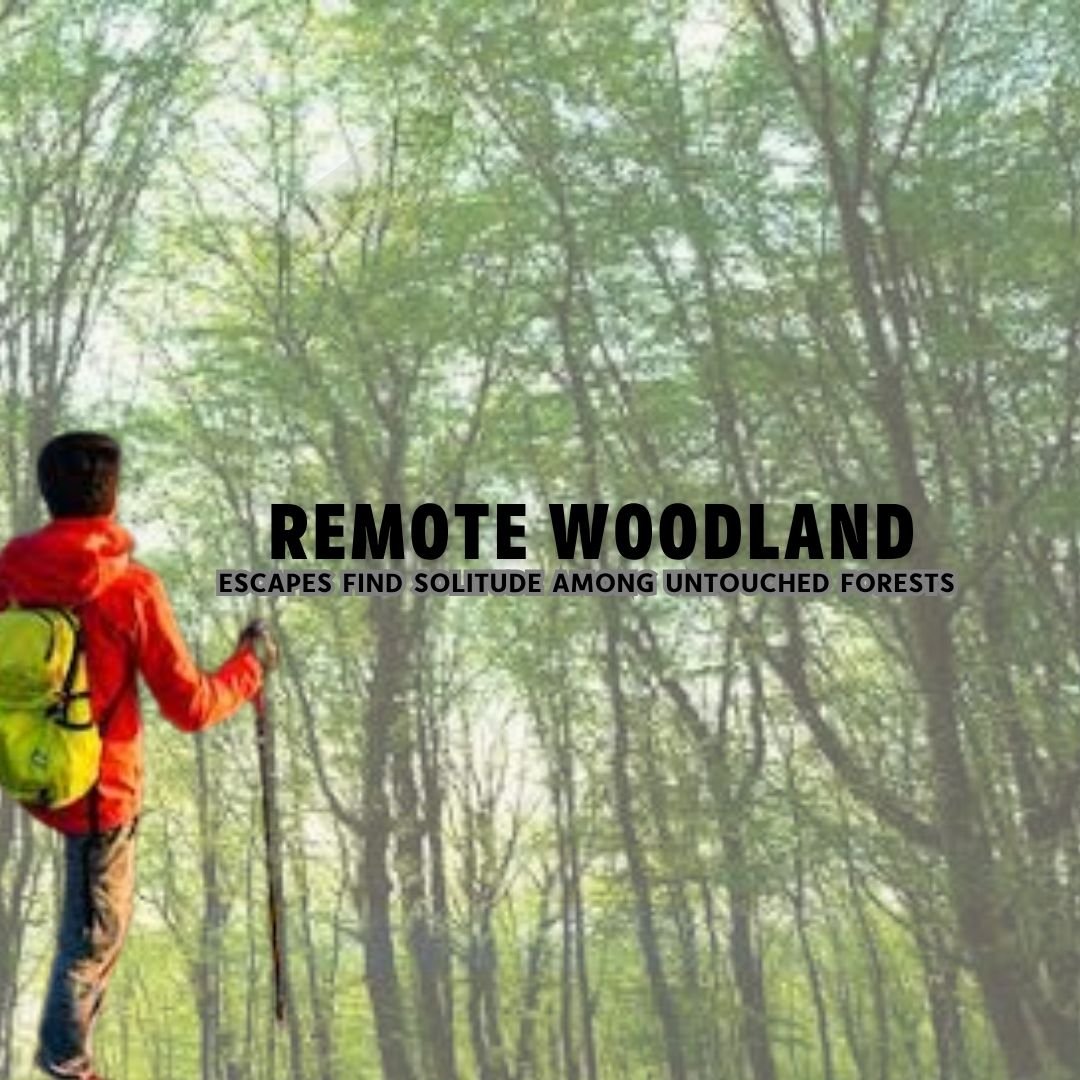
There is something deeply refreshing about leaving busy roads, crowded cities, and noisy tourist attractions behind and entering a quiet forest. Remote woodland escapes offer travellers the chance to slow down, breathe fresh air, and spend meaningful time surrounded by trees, wildlife, and natural landscapes.
While many popular forests attract large numbers of visitors, there are still woodland destinations where travellers can find peaceful trails, remote valleys, ancient trees, and landscapes that feel far removed from everyday life. These places can be ideal for anyone looking for solitude, nature, photography, hiking, and a slower style of travel.
A remote woodland escape does not have to mean complete isolation or an extreme adventure. It can simply mean choosing a less-visited forest region, staying in a small rural community, and spending your days exploring quiet trails away from the crowds.
What Are Remote Woodland Escapes?
Remote woodland escapes are travel experiences focused on discovering forests and wooded landscapes that are located away from busy tourist centres.
These destinations may include large wilderness areas, national parks, ancient forests, mountain woodlands, or remote rural landscapes.
Some offer comfortable cabins and local guesthouses, while others are better suited to experienced hikers and campers.
The main attraction is the feeling of space and tranquillity. Instead of constantly encountering crowds, travellers can enjoy long stretches of peaceful woodland where the sounds of nature become the main part of the experience.
Why Seek Solitude in the Forest?
Modern life can make it difficult to find genuine quiet. Traffic, notifications, social media, work, and busy schedules can create a constant sense of activity.
A remote forest provides a natural opportunity to disconnect.
Walking beneath trees, listening to birds, watching sunlight move across the forest floor, and sitting beside a stream can help create a slower rhythm.
You do not need a packed itinerary. A few hours of walking and exploring can be enough to make a forest escape feel completely different from everyday life.
Białowieża Forest, Poland
Białowieża Forest is one of Europe’s most remarkable natural woodland landscapes.
Located along the border between Poland and Belarus, it contains ancient forest habitats and is famous for its European bison population.
The Polish section of the forest offers opportunities for responsible nature exploration. Visitors can discover old trees, wetlands, wildlife habitats, and quiet woodland environments.
Because the area is protected, travellers must follow local regulations and use permitted routes or guided experiences in restricted sections.
For nature lovers, Białowieża provides a fascinating opportunity to experience a landscape that preserves an important part of Europe’s natural heritage.
Cairngorms Woodland, Scotland
Scotland’s Cairngorms region combines mountains, forests, lochs, and open landscapes.
Parts of the area contain remnants of the ancient Caledonian Forest, creating opportunities for travellers to explore native woodland surrounded by dramatic Highland scenery.
The combination of forest and mountain landscapes makes this region particularly appealing to hikers.
Travellers can spend a day walking through woodland and then continue towards open hills or mountain viewpoints.
The remote character of parts of the Cairngorms can provide a strong feeling of solitude, particularly away from the busiest visitor areas.
Yakushima, Japan
Yakushima is an island in southern Japan known for its ancient forests, mountains, streams, and extremely rich natural environment.
The island’s cedar trees are among its most famous features. Some have stood for centuries and have become symbols of Yakushima’s ancient woodland character.
Forest trails can take travellers through moss-covered landscapes, dense vegetation, and mountain environments.
The atmosphere can change quickly as mist and rain move through the forest, adding to its mysterious character.
Yakushima is an excellent choice for travellers who want a woodland experience that feels dramatically different from ordinary forest walks.
The Wild Forests of Finland
Finland is famous for its extensive forests and thousands of lakes.
For travellers searching for solitude, rural Finland can provide enormous opportunities to explore quiet woodland landscapes.
National parks and wilderness areas offer walking routes through pine and birch forests, alongside lakes, wetlands, and rocky terrain.
The Finnish landscape is particularly attractive to travellers who enjoy peaceful surroundings and simple outdoor experiences.
In some areas, travellers can stay in cabins surrounded by forest and spend their days walking, photographing nature, or enjoying the quiet.
Black Forest, Germany
Germany’s Black Forest is well known, but its large network of woodland trails means visitors can still find quieter areas away from the most popular attractions.
The region contains dense forests, valleys, streams, waterfalls, and traditional villages.
Travellers can choose longer walking routes that move away from busy centres and into more peaceful sections of woodland.
The forest also offers a good combination of nature and culture. After a day on the trail, visitors can explore local villages and enjoy regional food.
Remote Woodland Areas of Norway
Norway offers some spectacular opportunities for forest and wilderness travel.
Outside its major cities and heavily visited attractions, large areas of woodland stretch across valleys and mountain regions.
Forests in eastern and central Norway can provide peaceful hiking environments, while some routes combine woodland with lakes and mountains.
The changing seasons also create different experiences. Summer provides long daylight hours, while autumn brings colourful foliage and winter can cover the landscape in snow.
Travellers should always prepare carefully for seasonal weather, especially when exploring remote areas.
Discover the Forest Away From the Main Trail
Sometimes solitude can be found simply by moving beyond the busiest section of a popular destination.
Main visitor trails may attract more people, while longer or less accessible routes can become much quieter.
Before travelling, research alternative paths and longer walking routes.
However, remote does not mean unprepared. Travellers should always stay within safe and permitted areas and understand the route before leaving the main trail.
A map, offline navigation, sufficient water, and suitable clothing can be essential.
Wildlife Encounters in Remote Forests
One of the most exciting aspects of remote woodland travel is the possibility of seeing wildlife in its natural environment.
Depending on the destination, forests can be home to deer, foxes, bears, wolves, birds, insects, and countless smaller species.
Wildlife should always be treated with respect.
Never approach wild animals, feed them, or attempt to photograph them from an unsafe distance. In areas where large predators are present, follow local safety advice carefully.
The best wildlife encounters are often quiet and unexpected. Seeing an animal briefly from a safe distance can become one of the most memorable moments of a forest holiday.
Photography in Untouched Forests
Remote forests are excellent locations for nature photography.
Large landscapes can show the scale of the woodland, while close-up photographs can capture tree bark, moss, fungi, flowers, leaves, and small streams.
Morning light can create soft shadows between trees. Mist can add atmosphere, while autumn colours can transform the entire landscape.
Photography can also encourage travellers to slow down and notice details that might otherwise be missed.
Always make sure photography does not damage plants or disturb wildlife.
Staying in Remote Woodland Locations
Accommodation can be an important part of a woodland escape.
Cabins, forest lodges, rural guesthouses, campsites, and small local hotels can provide different types of experiences.
A cabin deep in a forest can offer maximum privacy, while a local guesthouse can provide opportunities to interact with residents and learn more about the area.
Travellers who prefer a more adventurous experience may choose camping where it is legally permitted.
The ideal accommodation depends on how remote you want the experience to be and what level of comfort you prefer.
What to Pack for a Woodland Escape
Remote forest travel requires sensible preparation.
Even if the plan is simply to walk during the day, weather and trail conditions can change.
Useful items include:
- Comfortable hiking footwear
- Waterproof outer layer
- Warm clothing layers
- Water bottle
- High-energy snacks
- First-aid kit
- Map or offline navigation
- Fully charged phone
- Headlamp
- Insect protection
- Sun protection
- Emergency contact information
For overnight hikes or camping trips, additional equipment will be required.
Respect Untouched Forest Environments
The more remote a forest is, the more important responsible travel becomes.
Visitors should follow the principles of leaving no trace. Take rubbish with you, avoid damaging vegetation, and stay on established paths where required.
Do not remove plants, rocks, wood, or other natural materials.
Respect local communities and follow any rules regarding camping, fires, fishing, or wildlife.
Small actions can make a major difference when protecting fragile natural environments.
Disconnect and Slow Down
A remote woodland escape can be an opportunity to step away from technology.
You do not need to check your phone constantly or fill every hour with activities.
Instead, spend time walking, reading, photographing the landscape, listening to nature, or simply sitting quietly.
This slower approach can make the experience more meaningful.
The forest does not demand a busy schedule. It encourages you to observe, explore, and take your time.
Final Thoughts
Remote woodland escapes offer travellers a chance to find solitude among peaceful forests and natural landscapes. From the ancient forests of Białowieża and Yakushima to the woodlands of Finland, Scotland, Germany, and Norway, there are many destinations where nature can become the main focus of the journey.
These escapes are ideal for travellers who want to step away from crowded attractions and experience a quieter side of the world.
Whether you spend a weekend in a forest cabin, take a multi-day trek, or simply follow a quiet woodland trail, the experience can provide a refreshing break from everyday routines.
The most memorable forest journeys are often the simplest ones. A quiet trail, fresh air, old trees, distant birds, and the feeling of having nowhere else you need to be can create an experience that stays with you long after you return home.