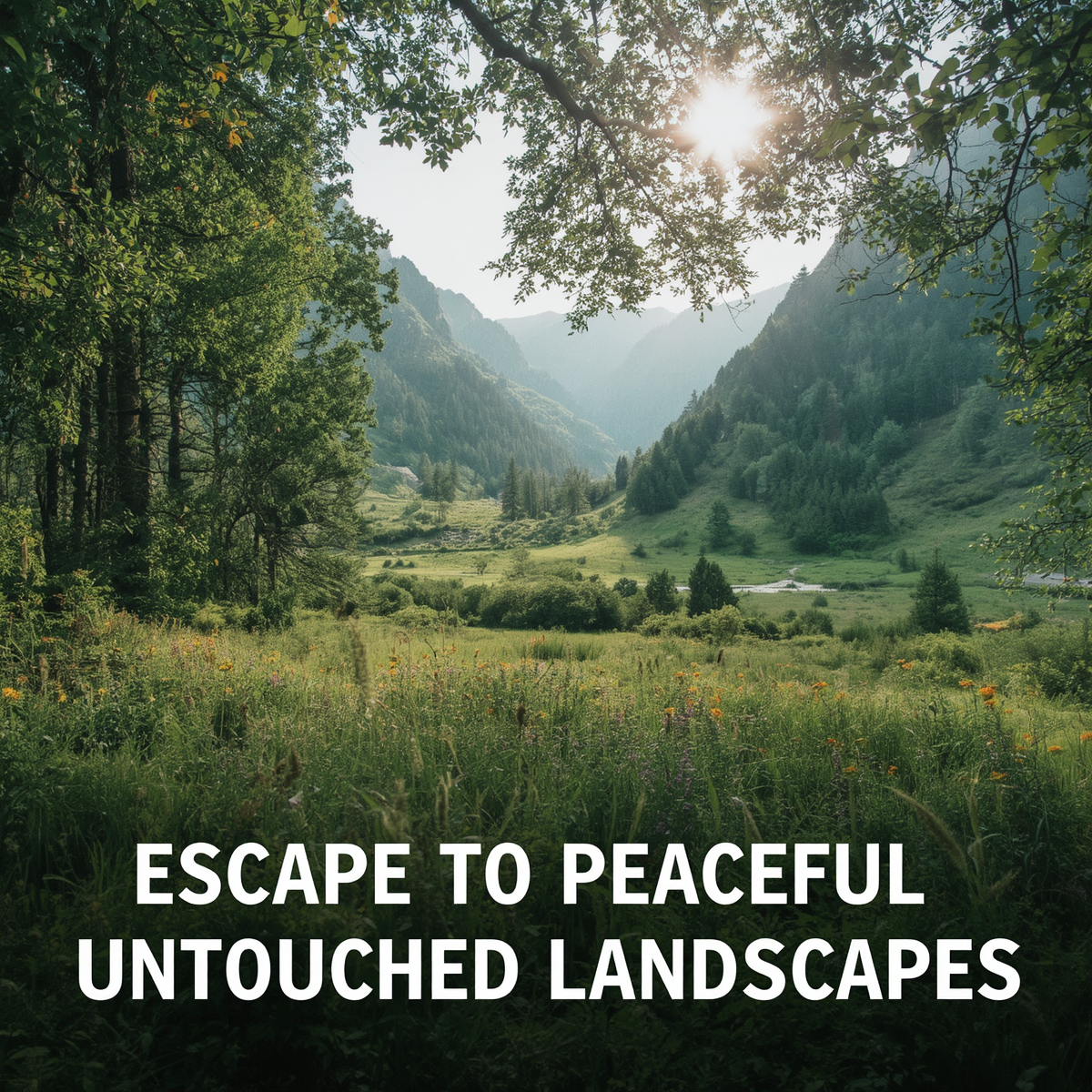
Modern life can be busy, noisy, and highly connected. Constant notifications, crowded cities, traffic, and demanding schedules can make it difficult to find genuine time to slow down. For travelers looking for a different kind of holiday, Remote Nature Holiday Destinations offer an opportunity to escape into peaceful landscapes and reconnect with the natural world.
Remote nature holidays are not necessarily about luxury resorts or busy sightseeing schedules. Instead, they focus on quiet surroundings, open landscapes, outdoor exploration, and meaningful experiences. From secluded mountain valleys and forest retreats to isolated coastlines and peaceful countryside, remote destinations can provide the space travelers need to relax and recharge.
A carefully planned nature escape can combine adventure, relaxation, wildlife observation, and responsible travel while allowing visitors to experience landscapes that feel far removed from everyday life.
What Are Remote Nature Holiday Destinations?
Remote nature holiday destinations are places located away from major cities and heavily developed tourist areas. They may include wilderness regions, rural communities, islands, mountain areas, forests, deserts, and secluded coastal landscapes.
These destinations often provide:
- Peaceful surroundings
- Fewer tourists
- Natural scenery
- Outdoor activities
- Wildlife experiences
- Opportunities for solitude
- A slower pace of travel
Remote does not always mean completely inaccessible. Many destinations can be reached through local transportation, hiking routes, small airports, boats, or scenic roads.
Why Choose a Remote Nature Holiday?
A remote holiday can provide a welcome break from the demands of modern life.
Travelers may choose these destinations to:
- Reduce everyday distractions
- Spend more time outdoors
- Enjoy peaceful surroundings
- Explore natural landscapes
- Experience local culture
- Disconnect from digital routines
The simplicity of remote travel can make even ordinary activities feel more meaningful.
A quiet morning walk or evening beneath the stars can become a memorable part of the journey.
Escape to Mountain Wilderness
Mountain regions are among the most attractive choices for remote nature holidays.
Away from crowded resorts, travelers can discover:
- High mountain valleys
- Alpine meadows
- Remote hiking trails
- Mountain lakes
- Forested slopes
- Dramatic peaks
Mountain landscapes provide opportunities for both active and relaxing holidays.
Visitors can spend their days hiking and their evenings enjoying peaceful views from a remote lodge or rural accommodation.
Discover Secluded Forest Retreats
Forests offer another excellent environment for a quiet nature escape.
A forest retreat may allow travelers to enjoy:
- Woodland walks
- Birdwatching
- Wildlife observation
- Photography
- Nature trails
- Quiet evenings
The natural sounds of trees, birds, and flowing water can create a calming environment far removed from busy urban areas.
Explore Remote Coastal Landscapes
For travelers who prefer the sea, remote coastal destinations can provide spectacular scenery.
Secluded coastlines may feature:
- Rocky cliffs
- Quiet beaches
- Hidden coves
- Coastal trails
- Fishing villages
- Marine wildlife
Walking beside the sea can be a simple but powerful way to relax.
Coastal destinations also provide opportunities for activities such as kayaking, swimming, photography, and wildlife observation where conditions are suitable.
Enjoy Peaceful Countryside Escapes
You do not always have to travel deep into wilderness to experience peace.
Rural countryside can provide beautiful and accessible nature holidays.
Visitors can explore:
- Small villages
- Farmland
- Meadows
- Rivers
- Historic trails
- Woodland paths
Countryside holidays can combine nature with local food, traditions, and community experiences.
Look for Fewer Tourists
One of the biggest advantages of remote destinations is the reduced number of visitors.
Fewer crowds can mean:
- Quieter trails
- More peaceful accommodation
- Better opportunities for photography
- Less traffic
- More personal outdoor experiences
Traveling outside peak seasons can provide even greater opportunities for solitude.
Disconnect From Digital Distractions
Remote destinations often provide an opportunity to reduce screen time.
Some locations may have limited internet or mobile connectivity, which can encourage travelers to spend more time:
- Walking
- Reading
- Talking
- Photographing nature
- Observing wildlife
- Enjoying the surroundings
Digital disconnection does not need to be the main purpose of a holiday, but it can be a valuable benefit.
Plan Your Remote Holiday Carefully
Remote travel requires more preparation than a typical city break.
Before leaving, research:
- Transportation
- Accommodation
- Weather
- Food availability
- Medical facilities
- Mobile coverage
- Local regulations
- Emergency contacts
A destination may have limited services, so travelers should avoid assuming that everything will be available when they arrive.
Good preparation creates a safer and more comfortable experience.
Choose Suitable Accommodation
Accommodation can strongly influence the quality of a remote nature holiday.
Options may include:
- Eco-lodges
- Rural cottages
- Mountain cabins
- Guesthouses
- Small hotels
- Campsites
Choose accommodation according to your desired level of comfort and the type of experience you want.
Some travelers prefer simple cabins that encourage connection with nature, while others may want comfortable accommodation with modern facilities.
Experience Local Culture
Remote destinations are often home to communities with strong connections to their surrounding environments.
Travelers can learn about:
- Traditional food
- Local crafts
- Agriculture
- Regional history
- Cultural traditions
- Traditional architecture
Supporting local businesses can also help ensure that tourism provides meaningful economic benefits to communities.
Enjoy Slow Travel
Remote nature holidays naturally encourage slower travel.
Instead of trying to visit multiple attractions every day, travelers can spend more time in one area.
A slow itinerary might include:
Morning: A peaceful nature walk.
Afternoon: Local food and cultural exploration.
Evening: Relaxation at your accommodation.
This approach creates more time to appreciate the destination.
Wildlife and Nature Experiences
Remote environments can offer excellent opportunities to observe wildlife.
Depending on the destination, travelers may see:
- Birds
- Deer
- Marine animals
- Mountain wildlife
- Insects
- Native plants
Wildlife should always be observed responsibly.
Keep a safe distance, avoid feeding animals, and follow local conservation guidelines.
Pack for Changing Conditions
Remote destinations may have unpredictable weather.
Depending on the location and season, useful items can include:
- Comfortable walking shoes
- Waterproof clothing
- Warm layers
- Sun protection
- Reusable water bottle
- First-aid supplies
- Navigation tools
- Portable power bank
Research the specific conditions of your destination before packing.
Practice Responsible Tourism
Untouched landscapes can be especially vulnerable to environmental damage.
Visitors should follow responsible travel principles such as:
- Staying on designated trails
- Taking rubbish away
- Avoiding single-use waste
- Respecting wildlife
- Following local rules
- Avoiding damage to plants
- Supporting conservation initiatives
The objective should be to enjoy natural environments without negatively affecting them.
Remote Does Not Mean Risk-Free
A peaceful destination can still present risks.
Remote areas may have:
- Limited emergency services
- Difficult terrain
- Changing weather
- Wildlife
- Poor mobile coverage
- Long distances between facilities
Travelers should understand these factors before visiting.
Tell someone about your itinerary when exploring particularly remote locations, and avoid taking unnecessary risks.
Benefits of a Remote Nature Holiday
A remote nature escape can provide many benefits.
Peace and Quiet
Fewer people and less traffic create a calmer environment.
Natural Beauty
Remote areas often contain spectacular landscapes that remain relatively undeveloped.
Outdoor Adventure
Hiking, kayaking, cycling, wildlife watching, and other activities can make the experience active and memorable.
Mental Refreshment
Time spent outdoors can provide a valuable break from busy routines.
Authentic Experiences
Smaller communities and locally operated businesses can offer a deeper connection to the destination.
How to Choose the Right Remote Destination
The best destination depends on your interests.
For mountain lovers, consider remote valleys and highland regions.
For coastal travelers, look for secluded islands and quiet shorelines.
For wildlife enthusiasts, consider protected natural areas with responsible visitor programs.
For travelers seeking complete relaxation, a quiet countryside retreat may be more appropriate.
Think about the experience you want before choosing the destination.
Conclusion
Remote Nature Holiday Destinations: Escape to Peaceful Untouched Landscapes offer an alternative to crowded tourist centres and busy holiday schedules. These destinations provide opportunities to slow down, explore beautiful environments, experience local communities, and spend meaningful time in nature.
From remote mountain valleys and secluded forests to quiet coastlines and peaceful countryside, there are countless landscapes where travelers can step away from everyday distractions. The key is to plan carefully, respect local communities, protect the environment, and choose an experience that matches your interests and abilities.
A remote nature holiday does not have to be complicated. Sometimes the most rewarding travel experience comes from simply finding a quiet place, walking through a beautiful landscape, breathing fresh air, and allowing yourself enough time to appreciate the world around you.