Adventure travel can seem intimidating when you are planning your first trekking experience. Pictures of remote mountains, long trails, steep climbs, and challenging landscapes can make trekking look like an activity reserved for experienced explorers. In reality, many trekking destinations offer beginner-friendly routes that allow newcomers to discover nature, build confidence, and enjoy adventure at their own pace.
Adventure Travel for First Time Trekkers is about preparing properly, choosing a suitable destination, understanding your physical limits, and approaching the experience with a positive mindset. You do not need to be an expert hiker to enjoy your first trek. With the right preparation, even a beginner can experience beautiful landscapes, peaceful trails, and unforgettable outdoor moments.
What Is Adventure Travel?
Adventure travel combines exploration with outdoor activities that involve some level of physical activity or discovery. Trekking is one of the most popular forms because it allows travelers to explore destinations on foot.
Adventure travel can include:
- Hiking
- Trekking
- Mountain walking
- Camping
- Cycling
- Kayaking
- Wildlife exploration
- Nature walks
For first-time trekkers, a walking-based adventure is often an excellent way to experience the outdoors without requiring highly technical skills.
Why Try Trekking for the First Time?
Trekking provides an opportunity to step away from busy routines and spend meaningful time outdoors. Walking through natural landscapes can be both physically rewarding and mentally refreshing.
A beginner trekking adventure can help you:
- Discover new destinations
- Improve physical fitness
- Spend more time in nature
- Develop confidence
- Experience local landscapes
- Create memorable travel experiences
The experience is not only about reaching the end of a trail. The journey itself becomes part of the adventure.
Choose a Beginner-Friendly Destination
One of the most important decisions for a first trek is choosing the right destination.
Avoid selecting a route simply because it looks impressive on social media. Instead, consider your current fitness level, previous outdoor experience, and comfort with different types of terrain.
Look for trails that offer:
- Moderate distances
- Clearly marked paths
- Accessible accommodation
- Reliable weather conditions
- Reasonable elevation gain
- Support facilities nearby
Starting with a manageable route can help you develop confidence before attempting more demanding adventures.
Understand Trekking Difficulty
Trekking routes can vary significantly in difficulty.
A trail’s difficulty may depend on:
- Distance
- Elevation
- Terrain
- Weather
- Duration
- Navigation requirements
A route that appears short on a map may still be challenging if it involves steep climbs or difficult terrain.
Before booking a trek, research the route carefully and make sure it matches your experience level.
Prepare Your Body
You do not need to become an elite athlete before your first trek, but basic preparation can make the experience much more enjoyable.
Start several weeks before your trip by including activities such as:
- Regular walking
- Stair climbing
- Light strength exercises
- Cycling
- Gentle cardiovascular exercise
Gradually increase your walking distance and include some uphill routes if possible.
The goal is to prepare your body for sustained movement rather than trying to become extremely fit in a short period.
Practice Walking With a Backpack
If your trek requires carrying equipment, practice beforehand.
Start with a lightweight backpack and gradually add the items you expect to carry during your trip.
This helps you understand:
- How the weight feels
- How your shoulders respond
- How to adjust backpack straps
- How much equipment you actually need
Avoid carrying unnecessary items. A lighter backpack generally makes long-distance walking more comfortable.
Choose Comfortable Footwear
Footwear is one of the most important pieces of trekking equipment.
Your shoes or boots should provide:
- Good comfort
- Suitable grip
- Adequate support
- Weather protection where appropriate
- Enough room for your feet
Do not wear completely new footwear for a long trek without testing it first. Walking in new shoes beforehand can help identify discomfort or fitting problems.
Comfortable feet can make a major difference during a long day on the trail.
Pack the Essential Equipment
Beginners often make the mistake of packing too much.
Your equipment should match the destination, weather, and length of the trek.
Useful items may include:
- Comfortable clothing
- Waterproof outerwear
- Water bottle
- Navigation tools
- Sun protection
- First-aid supplies
- Personal medication
- Headlamp
- Snacks
- Power bank
- Emergency contact information
For overnight trips, additional camping or accommodation equipment may be required.
Always check the specific requirements of your route before packing.
Learn Basic Navigation
Even on marked trails, basic navigation knowledge is valuable.
Before starting your trek, understand how to use:
- Maps
- Trail markers
- GPS devices or apps
- Compass basics
Do not rely entirely on your phone, particularly in remote areas where mobile coverage may be limited.
Download maps in advance and know the general direction of your route.
Check the Weather
Weather can significantly change trekking conditions.
Before starting your journey, check the forecast and understand the typical conditions for the destination.
Weather can affect:
- Trail conditions
- Visibility
- Temperature
- River crossings
- Wind
- Clothing requirements
If conditions become unsafe, changing your plans is better than continuing simply because the itinerary says you should.
Good adventure travel includes knowing when to turn back.
Stay Hydrated and Fuel Your Body
Walking for several hours requires adequate hydration and energy.
Carry enough water for your planned route and know where, if anywhere, you can refill.
Simple trekking foods can include:
- Nuts
- Dried fruit
- Energy bars
- Sandwiches
- Fresh fruit
- Other lightweight snacks
Eat regularly rather than waiting until you feel completely exhausted.
Proper hydration and nutrition help maintain energy throughout the day.
Start Slowly
First-time trekkers often make the mistake of walking too quickly at the beginning.
A steady pace is usually more sustainable than rushing.
Take regular breaks and pay attention to how your body feels.
If the route becomes difficult, slow down rather than pushing yourself unnecessarily.
Trekking is not a race. The objective is to enjoy the experience while completing the journey safely.
Travel With Experienced People
If you are nervous about your first trekking adventure, consider traveling with an experienced friend, organized group, or qualified local guide.
A guide can provide useful knowledge about:
- Route conditions
- Local weather
- Navigation
- Wildlife
- Cultural areas
- Emergency procedures
Group travel can also make a first adventure feel more comfortable and enjoyable.
Respect Nature
Responsible trekking is an important part of adventure travel.
While exploring natural environments:
- Stay on designated trails.
- Avoid disturbing wildlife.
- Carry rubbish with you.
- Do not damage plants.
- Respect local communities.
- Follow protected-area regulations.
The principle is simple: leave natural environments as you found them.
Responsible exploration helps protect destinations for future travelers.
Know Your Limits
Confidence is important, but it should not mean ignoring warning signs.
Pay attention to symptoms such as:
- Extreme exhaustion
- Dizziness
- Difficulty breathing
- Severe discomfort
- Signs of dehydration
Take a break when necessary and seek appropriate help if a situation becomes serious.
There is no shame in turning around. A successful adventure is one where you return safely.
Make Time for the Scenery
One of the best things about trekking is that beautiful landscapes are often found away from busy tourist areas.
Take time to appreciate:
- Mountain views
- Forests
- Rivers
- Lakes
- Valleys
- Wildlife
- Local communities
Stop occasionally, take photographs, and enjoy your surroundings.
The best memories may come from moments when you simply pause and take in the landscape.
Plan Your First Trek Carefully
A simple itinerary can make your first adventure much easier.
Consider planning:
Day 1: Travel to the destination and settle in.
Day 2: Complete a short introductory walk.
Day 3: Attempt a longer beginner-friendly route.
Day 4: Enjoy a relaxed nature activity or return home.
The exact schedule depends on the destination, but allowing flexibility is important.
Avoid creating an itinerary that leaves no time for unexpected delays or rest.
Learn From Your First Experience
Your first trek is also an opportunity to discover what works for you.
After the trip, consider:
- Which equipment was useful?
- What did you pack unnecessarily?
- Was the route suitable?
- Did you need more training?
- What would you change next time?
These lessons can help you prepare for future adventures.
Your first trek does not have to be perfect. It simply needs to be a starting point.
Benefits of Adventure Travel for Beginners
Starting with beginner-friendly trekking can provide numerous benefits.
These include:
- Greater confidence
- Improved fitness
- New outdoor skills
- Greater appreciation of nature
- Memorable travel experiences
- Opportunities to meet other travelers
- A foundation for future adventures
Once you become comfortable with shorter routes, you can gradually explore more challenging destinations.
Conclusion
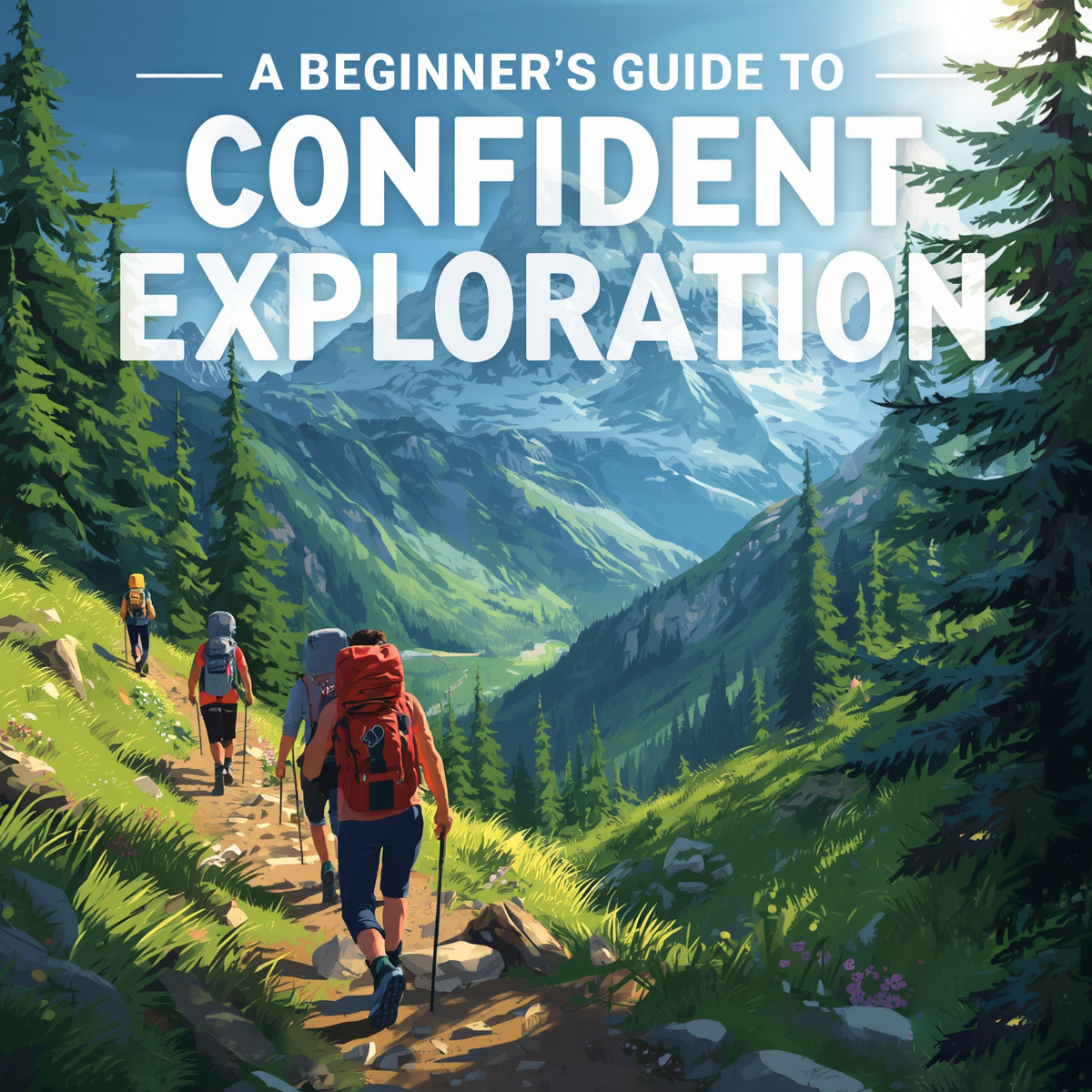
Adventure Travel for First Time Trekkers: A Beginner’s Guide to Confident Exploration demonstrates that you do not need years of outdoor experience to begin exploring the world on foot. The key is to start with a suitable route, prepare your body and equipment, understand the environment, and respect your personal limits.
Choosing a beginner-friendly destination and preparing carefully can transform nervousness into confidence. With comfortable footwear, suitable clothing, reliable navigation, sufficient water, and sensible planning, your first trekking adventure can become an enjoyable and rewarding experience.
Most importantly, remember that adventure is not about proving how far or how fast you can go. It is about discovering new places, challenging yourself at a sensible level, appreciating nature, and creating experiences that stay with you long after the journey ends. A well-planned first trek can be the beginning of a lifelong interest in outdoor exploration.