Walking is one of the simplest ways to experience the beauty of the outdoors. Unlike travelling by car or moving quickly between tourist attractions, walking allows you to slow down and notice the details around you. Picturesque walking routes offer an opportunity to explore scenic trails, peaceful countryside, dramatic mountains, quiet valleys, coastal paths, and other beautiful landscapes at a relaxed pace.
A good walking route is not only about reaching a destination. The journey itself becomes part of the experience. Along the way, travellers can discover changing scenery, local wildlife, natural viewpoints, small villages, forests, rivers, and hidden corners that may be missed when travelling by other forms of transport.
For people who enjoy nature, photography, fresh air, and outdoor adventures, scenic walking holidays can provide a refreshing escape from busy routines. Whether you prefer an easy countryside walk or a longer trail through rugged terrain, there are picturesque routes to suit different interests and abilities.
What Makes a Walking Route Picturesque?
A picturesque walking route is a trail where the surrounding scenery adds something special to the journey. It could be a path through rolling green hills, a woodland trail filled with trees, a coastal route overlooking the sea, or a mountain path surrounded by dramatic peaks.
The beauty of a walking route can come from many different features. Natural landscapes, changing seasons, historic landmarks, local villages, rivers, lakes, and wildlife can all make a trail memorable.
Sometimes the most beautiful routes are not the most famous ones. A quiet path with fewer visitors can offer a more peaceful experience and allow travellers to enjoy the surroundings without feeling rushed.
Explore Scenic Trails at a Relaxed Pace
One of the greatest benefits of walking is the freedom to choose your own pace.
You do not have to hurry from one viewpoint to another. You can stop whenever you want to take photographs, enjoy the scenery, have a drink, or simply sit quietly and appreciate your surroundings.
A relaxed pace also makes it easier to notice small details. You might see wildflowers growing beside the trail, birds moving through the trees, streams running over rocks, or clouds changing shape above distant mountains.
These small moments often become some of the most enjoyable memories of a walking holiday.
Countryside Walking Routes
Countryside trails are ideal for travellers who want to experience peaceful landscapes away from busy urban areas.
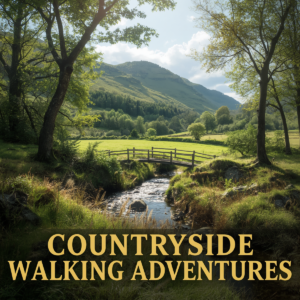
Rural walking routes may pass through fields, farms, woodland, meadows, villages, and rolling hills. Depending on the destination and season, walkers may see colourful flowers, grazing animals, traditional buildings, and wide-open views.
Countryside routes are also often suitable for different fitness levels. Many trails have gentle gradients and well-defined paths, making them a good choice for people who want to enjoy nature without taking on extremely challenging terrain.
A countryside walk can be particularly beautiful in the early morning or late afternoon when the light creates a softer atmosphere across the landscape.
Mountain Trails With Dramatic Views
For travellers looking for more adventure, mountain walking routes can provide spectacular scenery.
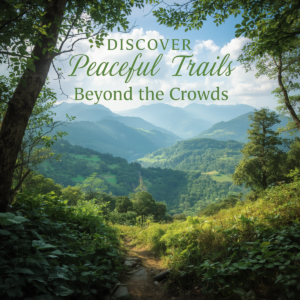
Mountain trails can lead through forests, alpine meadows, rocky terrain, and high viewpoints. As the trail gains elevation, the surrounding landscape can become increasingly impressive.
From higher sections, walkers may be able to see valleys, lakes, neighbouring peaks, and distant settlements. Every turn of the trail can reveal a new perspective.
Mountain walks do require more preparation than easy countryside routes. Hikers should consider elevation, weather conditions, trail difficulty, and the amount of time needed to complete the route.
However, reaching a scenic mountain viewpoint after a challenging climb can create a strong sense of achievement.
Coastal Walking Paths
Coastal walking routes offer a completely different type of scenery.
Walking beside the sea allows travellers to enjoy cliffs, beaches, rocky shorelines, small coves, sea views, and changing coastal landscapes. The sound of waves and fresh sea air can make these trails particularly relaxing.
Some coastal paths follow high cliffs and provide wide views across the water. Others remain closer to sea level and pass through beaches, fishing villages, or coastal nature areas.
Coastal weather can change quickly, so suitable clothing and careful route planning are important. Some cliffside trails may also have exposed sections that require extra caution.
Forest and Woodland Trails
Woodland walking routes provide a peaceful alternative to open landscapes.
Walking beneath trees can create a feeling of being surrounded by nature. Forest trails may follow streams, cross small bridges, pass through clearings, and lead to hidden viewpoints.
Woodlands can look completely different throughout the year. Spring may bring fresh leaves and flowers, summer can create deep green scenery, autumn can transform the landscape with colourful foliage, and winter can give forests a quiet and atmospheric appearance.
For photographers and nature lovers, woodland routes can provide plenty of opportunities to capture interesting details.
Lakeside Walking Routes
Lakes can add a sense of calm and beauty to a walking journey.
Lakeside trails often combine water views with mountains, forests, hills, or open countryside. Walking beside the water can be relaxing, particularly when the surface is calm and reflects the surrounding landscape.
Some lake routes are short and easy, while others form longer circuits that can take several hours or even a full day.
A lakeside walk can also be a great place to take a break. Finding a quiet viewpoint beside the water and enjoying a packed lunch can turn a simple hike into a memorable travel experience.
Discover Hidden Landscapes
One of the most rewarding parts of exploring scenic walking trails is discovering places that are not always included in traditional sightseeing itineraries.
A narrow trail may lead to a quiet valley. A woodland path might open into a beautiful meadow. A countryside route could reveal a historic village or an unexpected viewpoint.
These discoveries create a sense of exploration. You are not simply visiting a destination; you are finding your own way through the landscape.
For travellers who prefer peaceful experiences, lesser-known walking routes can be particularly appealing.
Walking and Photography
Picturesque walking routes naturally attract photography lovers.
A scenic trail can provide many different subjects, from large panoramic landscapes to small natural details. Mountains, rivers, trees, flowers, wildlife, villages, bridges, and changing skies can all become part of a travel photo collection.
The best approach is not always to search for one perfect photograph. Instead, take time to observe how the landscape changes as you walk.
Different weather conditions can also transform a familiar scene. Mist can make mountains feel mysterious, while sunlight can highlight valleys and peaks.
Remember to enjoy the experience itself rather than focusing entirely on taking pictures.
Choosing the Right Scenic Walking Route
When planning a walking holiday, it is important to select trails that match your experience and fitness level.
A beautiful route will not be enjoyable if it is far more demanding than expected.
Before starting a trail, consider:
- Total walking distance
- Elevation gain
- Trail surface
- Expected walking time
- Weather conditions
- Availability of water and food
- Navigation requirements
- Seasonal trail conditions
- Transport to and from the route
Beginners may prefer shorter trails with gentle terrain, while experienced hikers may enjoy longer routes through mountainous or remote landscapes.
What to Take on a Walking Adventure
Even a relatively easy walking route requires some basic preparation.
Comfortable footwear is essential. Shoes should provide good support and grip, especially if the trail includes uneven or wet surfaces.
It is also useful to carry enough water, snacks, weather-appropriate clothing, sun protection, and basic first-aid supplies.
For longer or remote routes, a map or reliable navigation device is important. A fully charged phone can also be useful, but travellers should not depend entirely on mobile coverage in remote areas.
Packing light is helpful, but make sure you have the essentials required for the route.
The Importance of Seasonal Planning
The appearance and difficulty of a walking trail can change considerably throughout the year.
Spring can bring fresh greenery, flowers, and pleasant walking conditions. Summer often offers longer daylight hours and access to many higher routes, although some popular trails can become busy.
Autumn is a favourite season for many walkers because of colourful forests and cooler temperatures. Winter can create beautiful snowy landscapes but may require specialist equipment and greater experience.
Before setting out, check local weather and trail conditions rather than relying only on general seasonal expectations.
Enjoy Local Culture Along the Way
Walking routes can also provide opportunities to experience local culture.
Some trails pass through villages, historic communities, farms, and traditional landscapes. Stopping at a local café, visiting a small market, or speaking with residents can add another dimension to the trip.
Food can also become part of the walking experience. Trying regional dishes after a long day on the trail can be especially enjoyable.
Combining nature with local culture allows travellers to experience a destination beyond its most popular tourist attractions.
Responsible Walking and Nature Protection
Beautiful landscapes should be treated with care.
Walkers should stay on established paths where possible, avoid disturbing wildlife, and take all rubbish away with them. Natural areas should be left as they were found.
It is also important to respect private land, local communities, and trail regulations. If dogs are allowed, owners should follow local rules and keep them under control around livestock and wildlife.
Responsible walking helps protect scenic trails for future visitors.
Make the Journey Part of the Adventure
A picturesque walking route does not have to be about reaching a particular viewpoint as quickly as possible.
The real value is often found in the journey itself.
Take time to listen to the sounds around you. Stop beside a stream. Watch clouds move across the mountains. Explore a small village. Photograph an interesting landscape. Enjoy a quiet moment in nature.
These experiences can make a walking holiday feel more personal and meaningful.
Final Thoughts
Picturesque walking routes offer a wonderful way to explore scenic trails through stunning landscapes. From peaceful countryside and dense forests to dramatic mountains, tranquil lakes, and beautiful coastlines, walking allows travellers to experience natural beauty at a comfortable pace.
The best route is not always the longest or most challenging. It is the one that matches your interests, abilities, and desire to explore.
With thoughtful planning, suitable equipment, and respect for the environment, a scenic walking holiday can become an unforgettable outdoor experience. Every trail offers something different, and sometimes the most memorable moments are found in the quiet places between the main attractions.
For travellers searching for fresh air, beautiful scenery, peaceful surroundings, and meaningful outdoor experiences, picturesque walking routes provide an ideal way to discover the world one step at a time.