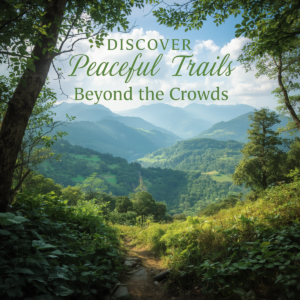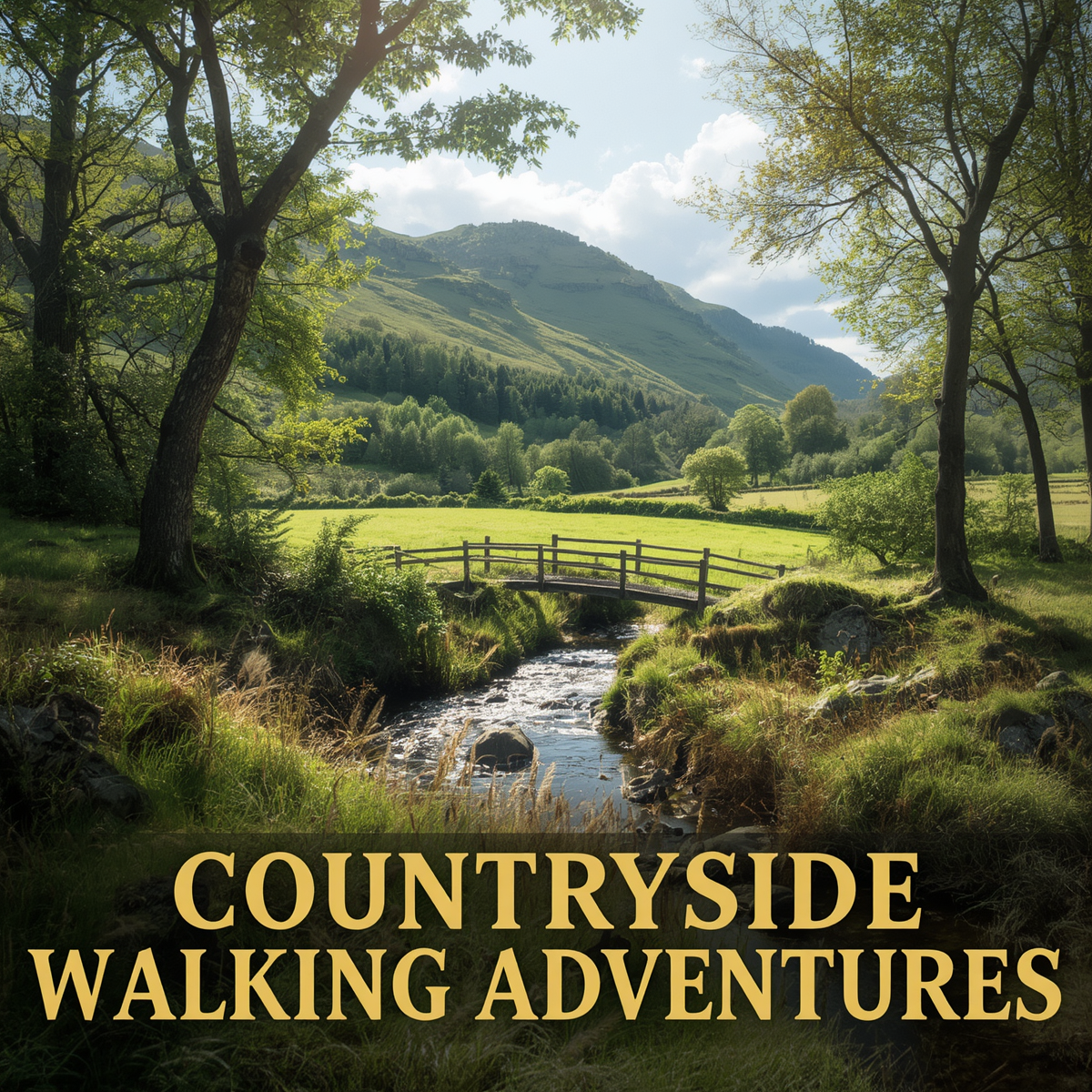
Countryside walking adventures offer a simple and rewarding way to explore beautiful landscapes without the rush often associated with modern travel. Instead of moving quickly between crowded attractions, travellers can follow peaceful paths through rolling hills, green fields, woodland, riverside routes, and traditional villages.
Walking through the countryside allows visitors to experience a destination at a natural pace. The journey becomes just as important as the place where the trail ends. Along the way, walkers can discover scenic viewpoints, local wildlife, historic landmarks, rural communities, and landscapes that may be missed when travelling by car.
For anyone looking for a relaxing outdoor escape, countryside walking provides the perfect combination of gentle adventure, fresh air, nature, and exploration.
What Are Countryside Walking Adventures?
Countryside walking adventures are journeys that take place primarily through rural and natural landscapes. Routes may follow public footpaths, country lanes, woodland trails, riverside paths, farmland tracks, or established long-distance walking routes.
Unlike demanding mountain trekking, countryside walking can often be enjoyed at a more relaxed pace. Routes can range from short walks lasting a few hours to multi-day journeys connecting several villages and rural areas.
The flexibility makes countryside walking suitable for many different types of travellers.
Some people may want a peaceful afternoon outdoors, while others may prefer a longer walking holiday covering a new landscape each day.
Why Choose a Countryside Walking Holiday?
One of the biggest attractions of countryside walking is its simplicity.
You do not always need specialist equipment or advanced hiking skills. A suitable pair of walking shoes, comfortable clothing, water, snacks, and basic navigation equipment may be enough for many easier routes.
The real appeal comes from the environment.
Countryside landscapes offer space, fresh air, and a slower pace. Instead of spending the day navigating busy streets or crowded attractions, walkers can follow quiet paths and enjoy the scenery around them.
This can make a countryside walking holiday feel both refreshing and restorative.
Discover Rolling Hills and Open Landscapes
Rolling hills are among the most attractive countryside landscapes to explore on foot.
Walking across open hills provides wide views over fields, valleys, forests, and distant settlements. The landscape can change significantly depending on the season and weather.
Spring may bring fresh greenery and wildflowers, while summer can create bright open landscapes. Autumn introduces changing colours, and winter can provide a more dramatic and peaceful atmosphere.
Hill walking can also provide a gentle physical challenge without requiring technical mountain skills.
Explore Woodland Paths
Woodlands provide another excellent setting for countryside walking adventures.
Forest and woodland trails can offer shade during warmer weather and shelter from wind. They can also provide opportunities to observe birds, insects, plants, and other wildlife.
A woodland route may connect with open fields or village paths, creating variety throughout the walk.
The changing light between trees can also make woodland walking particularly enjoyable for photographers.
Rather than rushing through the forest, take time to notice the small details around you.
Follow Peaceful Riverside Trails
Rivers and streams naturally create scenic walking routes.
Riverside paths often pass through meadows, woodland, farmland, and villages. The sound of flowing water can add to the peaceful atmosphere.
These routes can be particularly suitable for relaxed walks because many follow relatively gentle terrain.
Stopping beside the water for a break or picnic can become one of the simplest highlights of the day.
Riverside walking also provides opportunities to observe birds and other wildlife that depend on waterways.
Discover Traditional Villages
Countryside walking is not only about natural landscapes. Rural communities can add cultural depth to the experience.
Many walking routes pass through traditional villages containing historic buildings, churches, farms, local shops, and small restaurants.
Stopping in a village provides an opportunity to experience local life rather than simply passing through the landscape.
A local café or independent restaurant can also provide a chance to sample regional food and support the surrounding community.
These small experiences can make a walking holiday feel more connected to the destination.
Walk Through Changing Seasons
One of the best things about countryside walking is that familiar landscapes can look completely different throughout the year.
Spring
Spring brings fresh greenery, blooming flowers, longer days, and renewed activity in the countryside.
Summer
Summer provides longer daylight hours and generally favourable conditions for longer walks, although warm weather requires attention to hydration and sun protection.
Autumn
Autumn can transform woodland and countryside landscapes with changing foliage. Cooler temperatures can also make walking comfortable.
Winter
Winter offers a quieter atmosphere and dramatic landscapes. However, shorter daylight hours, wet conditions, frost, and possible snow require additional preparation.
Each season offers its own character, so the best time to walk depends on the type of experience you want.
Choose a Comfortable Walking Pace
Countryside adventures are not about speed.
The purpose is to enjoy the surroundings and allow enough time to appreciate the journey.
A comfortable pace makes it easier to stop for photographs, observe wildlife, explore interesting landmarks, or simply enjoy a viewpoint.
It also helps reduce unnecessary fatigue.
If walking with a group, choose a pace that allows everyone to enjoy the experience rather than turning the journey into a competition.
Plan Your Route Before Setting Out
Even relatively easy countryside walks require some preparation.
Before starting, check the route length, terrain, expected weather, available facilities, and transport options.
Consider whether the path crosses private land, working farms, or areas with specific access restrictions.
Reliable maps or navigation apps can be useful, particularly where paths intersect or signage is limited.
If the route is longer, tell someone about your plans and carry appropriate emergency supplies.
Good planning allows you to enjoy the walk with greater confidence.
Pack the Essentials
A countryside walk may require less equipment than a mountain expedition, but some essentials are still useful.
Depending on the route and duration, consider carrying:
- Comfortable walking footwear
- Weather-appropriate clothing
- Waterproof outer layers
- Drinking water
- Snacks
- Sun protection
- Basic first-aid supplies
- A map or navigation device
- Phone or emergency communication equipment
- A small backpack
The exact equipment should reflect the length and difficulty of the walk.
For longer rural routes, additional food, water, and navigation support may be necessary.
Take Time to Enjoy Nature
Countryside walking provides opportunities to experience nature at close range.
Look for birds in hedgerows, insects around wildflowers, wildlife tracks, and seasonal changes in plants.
Quietly observing the landscape can make the walk more rewarding.
You do not need to be an expert naturalist. Simply paying attention to your surroundings can reveal details that would otherwise be missed.
A countryside path may seem ordinary at first, but slowing down can reveal a surprising amount of natural activity.
Combine Walking With Local Food
Food can be an enjoyable part of a countryside walking adventure.
Many rural areas have local farms, markets, bakeries, cafés, pubs, and independent restaurants.
Planning a walking route around a local food stop can give you something to look forward to at the end of a long walk.
Regional dishes and locally produced ingredients can also provide a stronger connection with the destination.
Supporting independent food businesses helps local communities benefit from visitors.
Countryside Walking With Family and Friends
Walking is an activity that can bring people together.
Families can choose shorter routes with interesting stops, while groups of friends may prefer longer trails with scenic viewpoints and local attractions.
Walking also provides time for conversation without the distractions of everyday routines.
For families, choosing routes with varied scenery and manageable distances can keep younger walkers engaged.
The most important consideration is selecting a trail appropriate for everyone’s ability.
Solo Countryside Walking
Countryside walking can also be an excellent solo activity.
Walking alone provides freedom to choose your own pace, route, stopping points, and schedule.
It can also create valuable time for reflection.
However, solo walkers should take additional precautions on isolated routes. Check weather conditions, carry navigation equipment, keep someone informed of your plans, and make sure you have suitable communication options.
For remote or challenging walks, travelling with another person may be preferable.
Capture the Scenery
The countryside offers countless opportunities for photography.
Wide landscapes, old stone walls, winding paths, farm buildings, rivers, bridges, trees, wildlife, and changing skies can all create interesting images.
Early mornings and late afternoons can provide beautiful natural light.
However, there is no need to photograph everything.
Put the camera or phone away occasionally and simply enjoy the view. The experience of being there can be more valuable than any photograph.
Respect Rural Communities and Nature
Countryside areas are often working environments rather than purely tourist spaces.
Walkers may encounter farmers, livestock, private property, and agricultural machinery.
Respect local signs and access rules. Close gates behind you where required and keep dogs under control around livestock.
Avoid disturbing wildlife and take all rubbish with you.
Staying on appropriate paths can also help protect crops, habitats, and fragile landscapes.
Responsible walking ensures that rural areas remain welcoming to visitors while preserving the environment.
Make Space for Unplanned Discoveries
One of the joys of countryside walking is that not everything needs to be planned.
A route may lead past an interesting historic building, a quiet viewpoint, a village market, or a beautiful field that was not part of your original plan.
Allowing some flexibility can make the journey more memorable.
At the same time, do not leave established routes without understanding the terrain or access restrictions.
A balance between preparation and spontaneity creates the best walking experiences.
The Benefits of a Slower Outdoor Adventure
Countryside walking encourages a slower approach to travel.
Instead of rushing between destinations, you spend several hours experiencing the landscape itself.
This can provide a welcome break from screens, traffic, busy schedules, and constant digital communication.
The physical movement of walking combined with time outdoors can make the journey feel refreshing.
For many travellers, the greatest benefit is simply having time to breathe, observe, and enjoy the present moment.
Final Thoughts
Countryside walking adventures provide a wonderful way to explore beautiful landscapes at a relaxed pace. From rolling hills and peaceful forests to riverside paths and traditional villages, rural areas offer countless opportunities for meaningful outdoor experiences.
The beauty of countryside walking is its flexibility. You can choose a short afternoon route, plan a full-day adventure, or create a multi-day walking journey through several rural regions.
With suitable preparation, comfortable equipment, responsible behaviour, and a willingness to slow down, even a simple countryside path can become an unforgettable adventure.
The next time you want to escape busy routines, consider leaving the crowded attractions behind and following a quieter trail through the countryside. Sometimes the most rewarding journeys are the ones where you have time to appreciate every step.