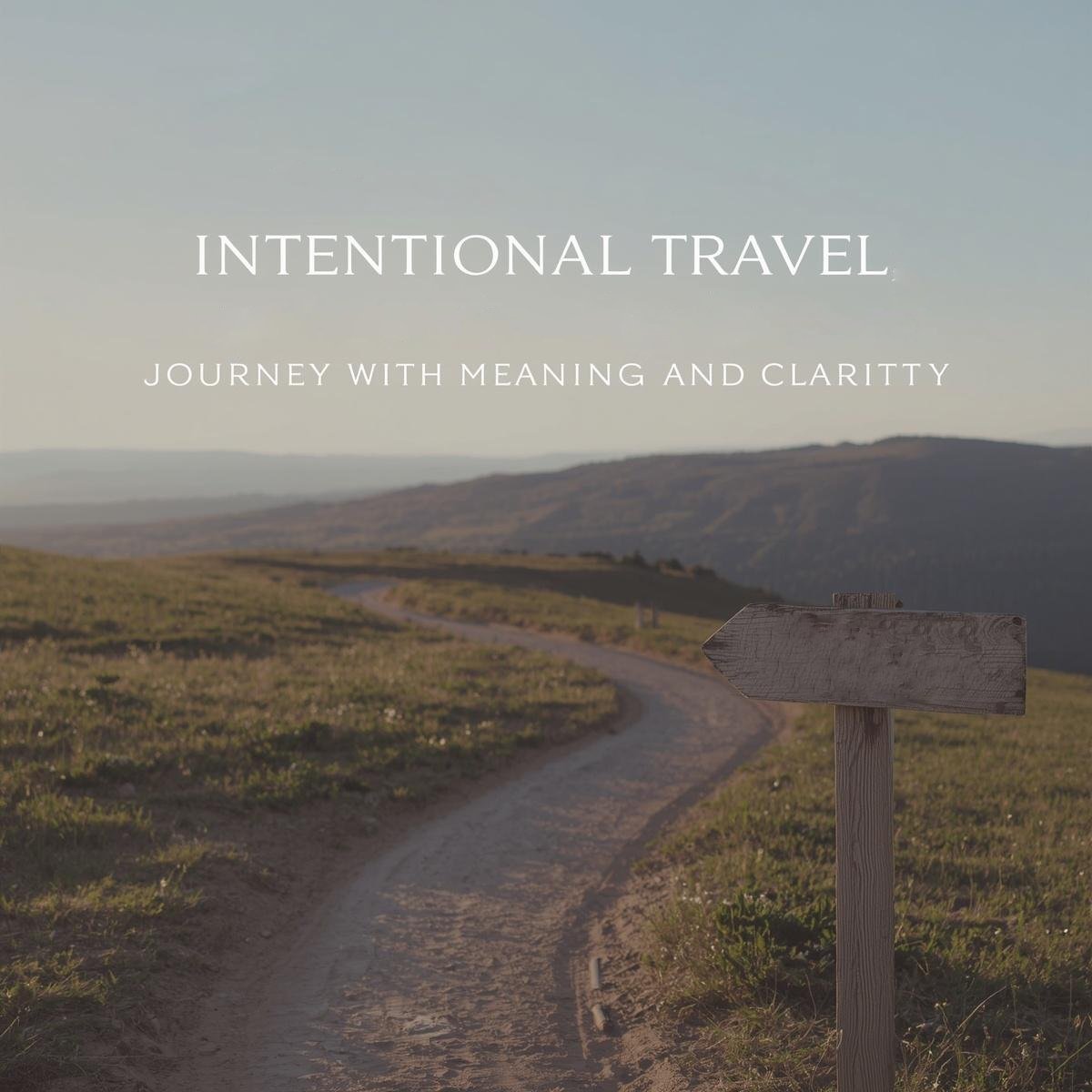
Travel has long been associated with escape, adventure, and discovery. Yet in today’s fast-paced world, many trips feel rushed and surface-level, focused more on ticking off destinations than truly experiencing them. Intentional travel offers a different path. It is about traveling with purpose, awareness, and clarity, turning each journey into something meaningful rather than routine.
Intentional travel experiences are designed to help you connect more deeply—with places, people, and yourself. Instead of chasing trends or following crowded itineraries, you make conscious choices that align with your values and personal goals. The result is a journey that feels fulfilling, balanced, and memorable.
What Is Intentional Travel
Intentional travel is a mindful approach to exploring the world. It means making deliberate decisions about where you go, how you travel, and what you experience. The focus is not on quantity but on quality.
Rather than visiting as many locations as possible, intentional travelers choose fewer destinations and spend more time engaging with them. They seek understanding instead of just observation, and meaning instead of distraction.
This approach transforms travel into a purposeful activity that supports personal growth, emotional well-being, and deeper awareness.
Why Intentional Travel Matters
Modern travel often becomes overwhelming. Tight schedules, crowded attractions, and constant digital distractions can reduce the joy of exploration. Many travelers return feeling tired instead of refreshed.
Intentional travel solves this problem by shifting the focus. It encourages you to slow down, be present, and fully experience each moment. This not only reduces stress but also enhances the overall quality of your journey.
Travel becomes more than a break from routine. It becomes a way to reflect, learn, and grow.
The Core Principles of Intentional Travel
Clarity is the foundation of intentional travel. Before starting your journey, it is important to understand why you are traveling. Whether your goal is relaxation, self-discovery, or cultural exploration, having a clear purpose helps shape your experience.
Presence is another key principle. Being fully engaged in the moment allows you to appreciate your surroundings and create meaningful memories. This means putting aside distractions and focusing on what is happening around you.
Simplicity also plays an important role. Reducing unnecessary complexity in your plans helps create a more relaxed and enjoyable experience. Fewer destinations and flexible schedules allow you to travel without pressure.
Connection is at the heart of intentional travel. This includes connecting with nature, local communities, and your own thoughts and emotions. These connections add depth and meaning to your journey.
Choosing Meaningful Destinations
The choice of destination has a significant impact on your experience. Intentional travel favors places that offer peace, authenticity, and opportunities for reflection.
Regions like Hunza Valley provide a calm environment where you can slow down and enjoy natural beauty. The quiet surroundings and welcoming communities make it easier to disconnect from stress and focus on the present.
Similarly, Skardu offers a combination of mountains, lakes, and open landscapes that encourage reflection and clarity. Spending time in such environments helps create a sense of balance and peace.
For those seeking a deeper cultural and spiritual experience, Ladakh provides an opportunity to explore traditions, monasteries, and a slower way of life. These elements support mindfulness and personal growth.
Activities That Add Meaning to Your Journey
Intentional travel focuses on experiences that enrich your understanding and well-being. Activities are chosen not for entertainment alone but for their ability to create connection and insight.
Walking in nature is one of the most powerful ways to experience a destination. It allows you to observe your surroundings at a natural pace and feel more grounded.
Cultural engagement is another important aspect. Interacting with locals, learning about traditions, and participating in community activities provide a deeper understanding of the place you are visiting.
Reflection is also essential. Taking time to sit quietly, write, or simply think can help you process your experiences and gain clarity. These moments often become the most meaningful part of the journey.
Creative activities such as photography, journaling, or sketching can also enhance your experience by encouraging you to observe and appreciate details.
Planning an Intentional Journey
Planning for intentional travel is different from traditional travel planning. The focus is on creating space rather than filling time.
Start by defining your purpose. Understanding what you want to gain from the journey will guide your decisions. Choose destinations and activities that align with this purpose.
Keep your itinerary flexible. Avoid overloading your schedule with too many activities. Allow time for rest, reflection, and spontaneous exploration.
Limit digital distractions. Reducing screen time during your trip helps you stay present and fully engaged.
Choose accommodations that support your experience. Quiet and comfortable places can enhance relaxation and allow you to recharge.
Benefits of Intentional Travel
One of the most significant benefits is improved mental clarity. By slowing down and focusing on meaningful experiences, you give your mind the space it needs to process thoughts and emotions.
Intentional travel also enhances emotional well-being. Calm environments and genuine connections create a sense of happiness and contentment.
Another benefit is personal growth. Exposure to new perspectives and experiences helps you learn more about yourself and the world around you.
Physical health can also improve. Walking, fresh air, and better sleep contribute to overall wellness.
Perhaps the most lasting benefit is the quality of memories. Intentional experiences create deeper and more meaningful memories that stay with you long after the journey ends.
Challenges and How to Overcome Them
Intentional travel may feel unfamiliar at first, especially if you are used to fast-paced trips. Slowing down can be challenging, but it becomes easier with practice.
There may also be a temptation to follow popular trends or visit crowded attractions. Staying focused on your purpose helps you make better choices.
Balancing planning and flexibility can also be difficult. The key is to have a basic structure while leaving room for change.
The Future of Travel
As more people seek balance and meaning in their lives, intentional travel is becoming increasingly popular. Travelers are moving away from quantity-driven tourism and focusing on experiences that support well-being and personal growth.
This shift reflects a broader change in how people view travel. It is no longer just about seeing the world. It is about understanding it and finding your place within it.
Conclusion
Intentional travel experiences offer a powerful way to explore the world with meaning and clarity. By focusing on purpose, presence, and connection, you can transform your journeys into something truly fulfilling.
Whether you are walking through the peaceful landscapes of Hunza Valley, reflecting by the lakes of Skardu, or discovering the cultural depth of Ladakh, each experience becomes an opportunity to grow and reconnect.
In the end, intentional travel is not about where you go. It is about how you experience the journey and the meaning you take from it.