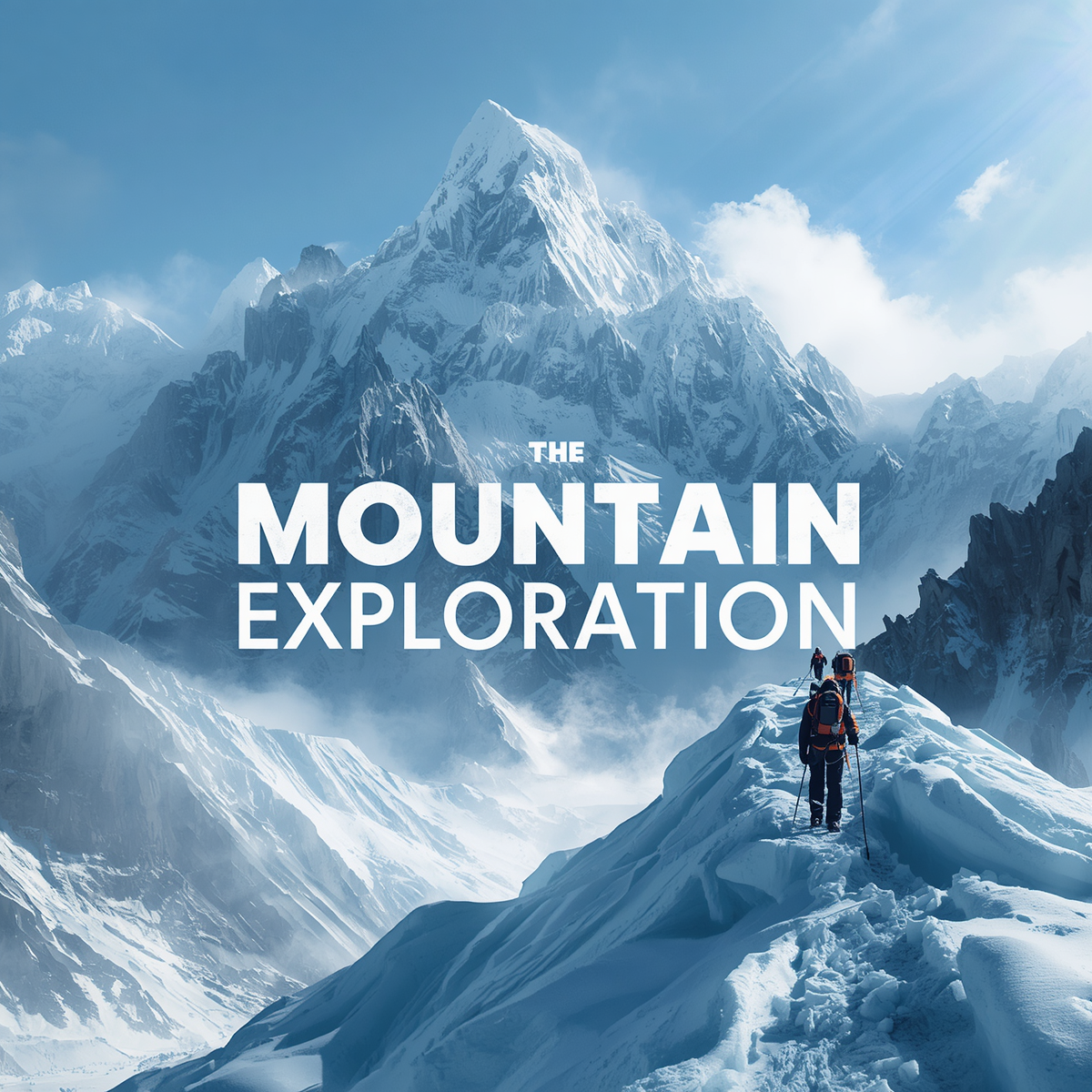
Icy mountain exploration offers a unique way to experience some of the world’s most dramatic landscapes. Frozen peaks, snow-covered valleys, glaciers, alpine lakes, rocky ridges, and remote mountain trails create an environment that feels far removed from everyday life. For travellers who enjoy adventure, hiking, photography, and wild landscapes, exploring icy mountain regions can be an unforgettable experience.
Unlike ordinary sightseeing trips, mountain exploration often takes travellers into places where nature remains powerful and unpredictable. A quiet trail can lead towards a frozen lake, while a mountain pass can open into a huge valley surrounded by snow-covered peaks. The changing weather, crisp air, and silence of high-altitude landscapes all contribute to the experience.
From the Himalayas and European Alps to the mountains of Patagonia and Iceland, there are many destinations where travellers can discover frozen peaks and remote alpine landscapes.
What Makes Icy Mountain Exploration Special?
There is something fascinating about a landscape covered in snow and ice. Familiar mountains can look completely different during winter, with white slopes replacing green valleys and frozen streams creating unusual patterns across the landscape.
Icy mountain journeys can offer:
- Snow-covered hiking trails
- Frozen alpine lakes
- Glacier viewpoints
- Remote mountain valleys
- High-altitude passes
- Winter wildlife
- Dramatic mountain photography
- Quiet wilderness experiences
- Snowshoeing and winter trekking
- Traditional mountain villages
The experience can range from relatively easy winter walks to challenging expeditions in high-altitude environments. Choosing the right destination and activity level is therefore important.
Explore the Frozen Landscapes of the Himalayas
The Himalayas are among the world’s most famous mountain regions and provide countless opportunities for exploring snow-covered landscapes.
Nepal is a popular destination for mountain travellers. Areas around the Annapurna and Everest regions offer spectacular views of high peaks and deep valleys.
During suitable seasons, trekkers can experience snow-covered trails, frozen streams, and dramatic mountain scenery. The higher parts of the Himalayas require careful acclimatisation because altitude can create serious challenges.
The Himalayas are not only about reaching the highest possible point. Lower-altitude trails can also provide beautiful winter scenery while allowing travellers to experience mountain villages, forests, and traditional communities.
Discover the Karakoram Mountains
The Karakoram offers some of the most dramatic mountain scenery in Asia. Located across Pakistan, India, and China, the region contains enormous peaks, glaciers, and remote valleys.
Northern Pakistan provides access to spectacular mountain landscapes around areas such as Hunza and the wider Gilgit-Baltistan region.
The landscape changes dramatically with altitude. Lower valleys can contain villages and cultivated areas, while higher elevations reveal glaciers, rocky peaks, and snow-covered mountain passes.
For experienced adventure travellers, the Karakoram can provide opportunities for trekking and expedition-style travel. However, high-altitude routes require careful planning, suitable equipment, experienced guides, and awareness of weather conditions.
Experience Winter in the European Alps
The European Alps provide a different approach to icy mountain exploration. Countries including Switzerland, France, Italy, and Austria offer extensive mountain infrastructure alongside dramatic alpine scenery.
Switzerland is particularly famous for its mountain landscapes. Destinations around Zermatt provide views of the Matterhorn and surrounding snow-covered peaks.
Travellers can enjoy winter walking, snowshoeing, cable-car journeys, and mountain viewpoints without necessarily undertaking a technical mountaineering expedition.
The French Alps around Chamonix offer another impressive setting. The Mont Blanc massif creates a spectacular backdrop of glaciers and snow-covered peaks.
For travellers looking for a combination of adventure and accessibility, the Alps provide many options at different levels of difficulty.
Explore Patagonia’s Frozen Wilderness
Patagonia in southern South America is known for dramatic mountains, glaciers, lakes, and wide-open landscapes.
Los Glaciares National Park in Argentina contains some of the region’s most impressive scenery. The famous Perito Moreno Glacier provides an opportunity to see a huge moving body of ice surrounded by mountains and water.
Further south, Chile’s Torres del Paine National Park offers dramatic peaks, glaciers, turquoise lakes, and rugged valleys.
The weather in Patagonia can change quickly, which adds another dimension to the adventure. Travellers should be prepared for strong winds, rain, cold conditions, and rapidly changing visibility.
The region is especially attractive to photographers because mountains, ice, clouds, and lakes can create constantly changing compositions.
Discover Iceland’s Frozen Mountain Landscapes
Iceland offers an unusual combination of mountains, glaciers, volcanic terrain, waterfalls, and winter landscapes.
Vatnajökull National Park is home to Vatnajökull, one of Europe’s largest glaciers. The surrounding landscape contains ice, mountains, rivers, and volcanic features.
Winter can transform parts of Iceland into a striking frozen environment. Ice caves, glacier landscapes, and snow-covered mountains can create extraordinary experiences.
However, glacier and ice-cave exploration should only be undertaken with qualified local guides because ice conditions can change and hidden hazards may exist.
Iceland’s combination of fire and ice makes it particularly interesting for travellers seeking landscapes that feel unlike traditional alpine environments.
Walk Through the Scottish Highlands in Winter
The Scottish Highlands offer a more rugged and accessible form of icy mountain exploration.
Winter can transform mountains such as Ben Nevis and the Cairngorms into snowy landscapes. The Cairngorm Mountains are especially attractive for travellers interested in winter walking and mountain scenery.
Snow and ice can make even familiar routes considerably more challenging. Short daylight hours and rapidly changing weather also require careful planning.
For those who prefer not to attempt difficult winter climbs, viewpoints and lower-level trails can still provide impressive views of snow-covered mountains.
The Scottish Highlands also offer opportunities to combine outdoor exploration with visits to historic villages, castles, and traditional mountain communities.
Frozen Alpine Lakes and Mountain Valleys
Frozen lakes are among the most beautiful features of winter mountain landscapes.
When temperatures remain below freezing, alpine lakes can develop layers of ice and snow. Surrounded by mountains, these lakes create peaceful locations for photography and quiet walks.
Not every frozen lake is safe to walk across. Ice thickness can vary significantly, especially near moving water, springs, or areas affected by changing temperatures.
Travellers should never assume that a frozen lake is safe simply because its surface appears solid. Local guidance is essential.
Even from the shoreline, however, frozen lakes can provide spectacular views.
Glacier Exploration and Ice Landscapes
Glaciers are among the most fascinating features of icy mountain environments.
They form over long periods as accumulated snow becomes compressed into ice. Some glaciers move slowly through valleys, shaping the surrounding landscape over time.
Visitors can experience glaciers from viewpoints or through guided excursions. Some destinations offer glacier walks where trained guides provide appropriate equipment and safety instructions.
Glacier environments can contain hidden cracks, unstable ice, and changing conditions, so independent exploration is not appropriate in hazardous areas.
The safest approach is to use reputable local guides and follow all instructions.
Winter Wildlife Encounters
Icy mountain landscapes are not empty. Many animals are adapted to cold and snowy environments.
Depending on the destination, travellers may encounter mountain goats, ibex, chamois, foxes, birds of prey, reindeer, or other cold-weather species.
Winter can make wildlife observation interesting because tracks in snow can reveal the movement of animals even when they remain hidden.
Wildlife should always be observed from a safe distance. Avoid approaching animals or disturbing them in areas where food and shelter may already be limited.
Photography in Frozen Landscapes
Icy mountains provide exceptional opportunities for photography.
Snow can reflect soft morning light, while clouds can move around mountain peaks and change the atmosphere within minutes. Sunrise and sunset can create dramatic shadows across snowy slopes.
Useful subjects include:
- Frozen lakes
- Mountain ridges
- Glaciers
- Snow-covered forests
- Alpine villages
- Ice formations
- Winter trails
- Mountain reflections
Cold weather can affect cameras and batteries, so photographers should protect equipment from moisture and extreme temperature changes.
Preparing for an Icy Mountain Journey
Cold-weather travel requires more preparation than an ordinary hiking trip.
Layering is one of the most useful approaches. Several suitable layers allow travellers to adjust clothing as temperatures and activity levels change.
Important items may include:
- Insulated waterproof jacket
- Warm base layers
- Waterproof trousers
- Winter hiking boots
- Warm gloves
- Hat and neck protection
- Sunglasses or snow protection
- Navigation equipment
- Headlamp
- Emergency supplies
- Water and high-energy food
- Suitable backpack
The exact equipment required depends on altitude, season, route, and activity.
Respect the Mountain Environment
Remote alpine landscapes can be fragile. Snow may cover vegetation and wildlife habitats, making it easy to cause damage without realising it.
Travellers should follow marked routes where available, take rubbish home, avoid disturbing wildlife, and respect local conservation rules.
Using local guides can also provide valuable knowledge about weather, terrain, culture, and environmental protection.
Responsible travel helps ensure that these landscapes remain beautiful for future visitors.
Choosing the Right Icy Mountain Adventure
Not every icy mountain journey needs to be extreme.
Beginners can choose lower-altitude winter trails, scenic viewpoints, guided snowshoe walks, or accessible mountain villages.
More experienced travellers may prefer multi-day winter treks, glacier tours, or remote high-altitude routes.
The most important thing is to match the adventure with your experience, physical preparation, equipment, and weather conditions.
A challenging journey should never be selected simply because it sounds impressive. Mountain environments can change quickly, and safety should always come first.
Final Thoughts
Icy mountain exploration provides an opportunity to experience some of the world’s most powerful natural landscapes. From the Himalayas and Karakoram to the European Alps, Patagonia, Iceland, and the Scottish Highlands, each destination offers its own version of frozen wilderness.
Snow-covered peaks, silent valleys, frozen lakes, glaciers, and remote trails can create a sense of adventure that is difficult to find elsewhere. At the same time, these environments demand preparation, respect, and careful decision-making.
Whether you are walking through a snowy alpine valley, viewing a massive glacier, photographing a frozen lake, or exploring a quiet mountain village, an icy mountain holiday can offer a memorable connection with nature.
For travellers searching for remote landscapes, dramatic scenery, and genuine outdoor adventure, icy mountain exploration opens the door to a world shaped by snow, ice, wind, and time.