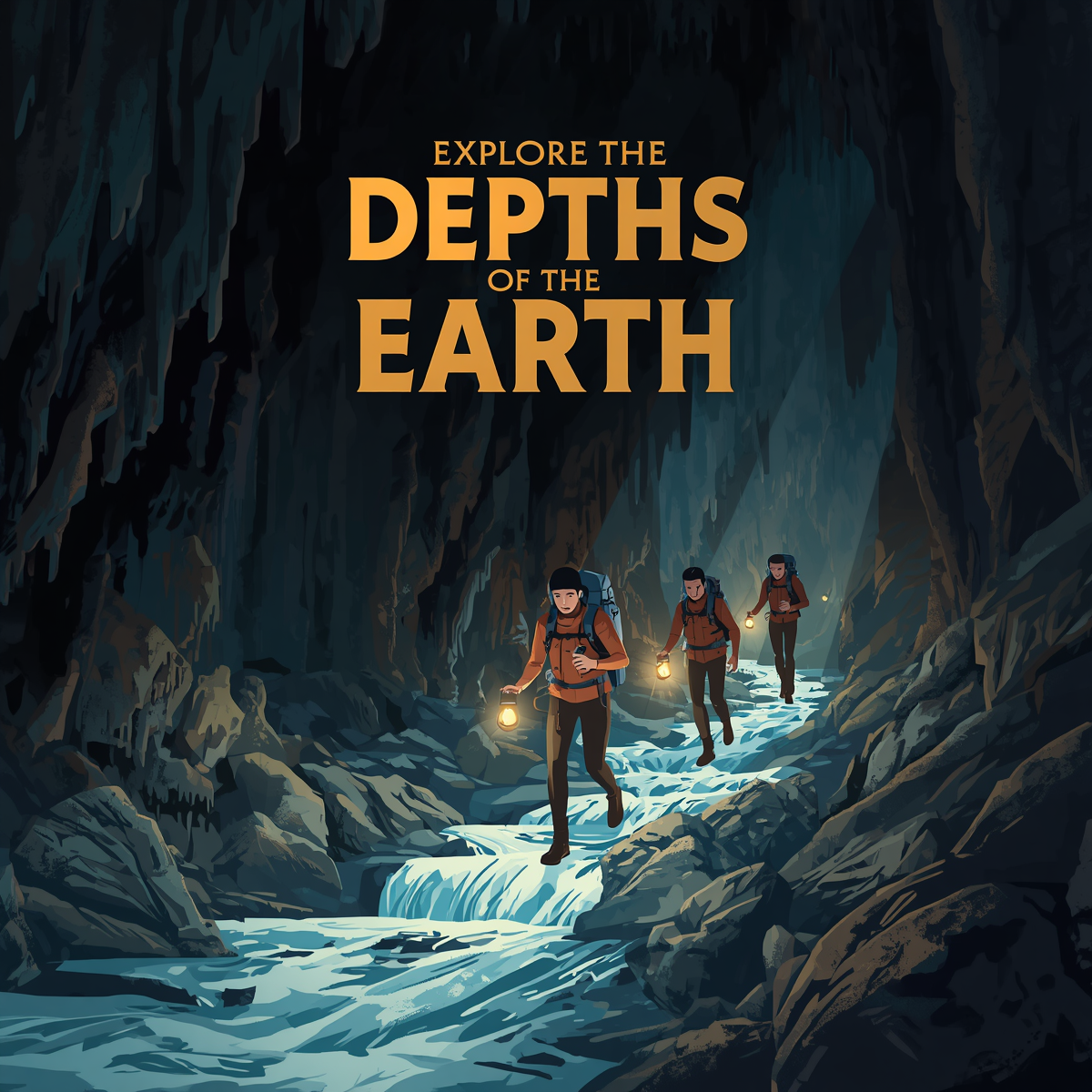
Cave trekking journeys offer travellers a chance to explore a hidden world beneath the surface. While most adventures take place across mountains, forests, valleys, and coastlines, caves reveal an entirely different type of landscape. Underground rivers, enormous chambers, unusual rock formations, narrow passages, waterfalls, and ancient geological features can turn a simple journey into an unforgettable adventure.
For travellers who enjoy exploration and discovering places away from ordinary tourist routes, cave trekking can provide a unique experience. Entering a cave often means leaving daylight behind and following a trail through darkness, stone, water, and silence. Every section can reveal something different.
Around the world, caves have been shaped over thousands or even millions of years by water, volcanic activity, erosion, and geological movement. Some are easily accessible, while others require experienced guides, specialist equipment, and careful planning.
From the limestone caves of Vietnam and Malaysia to the vast underground systems of Mexico and Slovenia, cave trekking journeys can introduce travellers to some of nature’s most remarkable hidden landscapes.
What Makes Cave Trekking So Exciting?
Cave trekking is different from ordinary hiking because the environment changes completely once you go underground.
There are no wide mountain views or open horizons. Instead, the adventure focuses on details that are easy to miss above ground. Rock formations, underground streams, mineral deposits, echoes, and small passages become part of the journey.
A cave trekking experience may include:
- Walking through underground chambers
- Exploring limestone formations
- Crossing underground streams
- Discovering hidden waterfalls
- Following narrow passages
- Underground photography
- Guided wildlife observation
- Exploring ancient geological formations
- Camping in larger cave systems
- Learning about local geology
Some caves are suitable for beginners, while others should only be explored by trained or experienced groups.
Explore the Caves of Vietnam
Vietnam is home to some of the world’s most spectacular cave landscapes.
Phong Nha-Ke Bang National Park is one of the country’s most famous destinations for underground exploration. Located in central Vietnam, the region contains an extensive network of limestone caves, rivers, forests, and dramatic karst landscapes.
Son Doong Cave is particularly famous for its extraordinary scale. It is one of the world’s largest known cave passages and contains enormous underground spaces. Access is highly controlled, and visiting requires specialist arrangements.
For travellers looking for more accessible experiences, caves such as Paradise Cave offer impressive underground scenery without requiring the same level of expedition experience.
The combination of jungle trekking and cave exploration makes the region especially appealing to adventure travellers.
Discover the Underground World of Slovenia
Slovenia is another fascinating destination for cave trekking.
The country is famous for its karst landscapes, where limestone has been shaped by water over long periods. This geological environment has created extensive underground systems.
Škocjan Caves are among the country’s most remarkable natural attractions. The underground landscape includes enormous chambers and an underground river system.
Postojna Cave is another well-known destination, offering visitors an opportunity to explore a vast underground environment.
Slovenia’s caves demonstrate how landscapes can continue far beyond what can be seen from the surface. A green forest or quiet valley above ground can conceal an entirely different world beneath it.
Explore the Caves of Malaysia
Malaysia offers impressive cave experiences, particularly in Borneo and the country’s limestone regions.
Gunung Mulu National Park in Sarawak is one of the most fascinating destinations for underground exploration. The park contains huge limestone formations, rainforest, and extensive cave systems.
Deer Cave and Clearwater Cave are among the area’s notable attractions.
Exploring these caves allows travellers to combine jungle trekking with underground adventure. The transition from dense tropical forest to cool, dark cave chambers makes the experience especially memorable.
The park also contains enormous natural formations above ground, making it possible to enjoy both rainforest and cave landscapes during the same trip.
Experience Mexico’s Underground Landscapes
Mexico has an enormous number of caves, underground rivers, and cenotes.
The Yucatán Peninsula is particularly famous for cenotes. These natural limestone formations can contain underground water systems, chambers, and passages.
Some cenotes are open to visitors for swimming and exploration, while others require specialist knowledge and equipment.
Cave and cenote exploration can reveal clear underground water surrounded by dramatic limestone formations.
Mexico is also home to extensive cave systems beyond the Yucatán, providing opportunities for more advanced underground exploration.
Travellers should always use qualified guides for technical cave journeys, particularly where underwater sections or complex passages are involved.
Explore the Caves of New Zealand
New Zealand provides another exciting destination for cave adventures.
Waitomo, on the North Island, is famous for its cave systems and glowworms. The underground environment combines limestone formations with streams and passages.
Visitors can experience guided cave walks, while more adventurous travellers can take part in activities involving underground rivers and more challenging terrain.
The glowworms create a unique natural spectacle, with tiny lights appearing across cave ceilings.
New Zealand’s cave landscapes demonstrate that underground adventures do not always have to be about extreme exploration. There are experiences suitable for different levels of ability.
Discover Caves in the United States
The United States contains many impressive cave systems.
Mammoth Cave National Park in Kentucky is particularly significant because it contains the world’s longest known cave system.
Visitors can choose from different guided tours, ranging from relatively easy underground walks to more challenging routes.
The cave contains a fascinating collection of passages and geological features. Above ground, the national park also provides forests, rivers, and hiking trails, allowing travellers to combine underground exploration with traditional outdoor activities.
For travellers interested in geology and natural history, Mammoth Cave provides an opportunity to understand how underground landscapes develop over enormous periods of time.
Explore the Caves of the Balkans
The Balkans contain extensive karst landscapes and many fascinating caves.
Countries such as Montenegro, Croatia, Albania, and Bosnia and Herzegovina contain limestone mountains with underground rivers and cave systems.
Montenegro’s rugged terrain creates opportunities for adventure travellers who want to combine mountain trekking with underground exploration.
Croatia is also known for its karst geography and cave landscapes. Some caves are developed for tourism, while others are suitable only for experienced cavers.
Exploring the Balkans can be especially rewarding because caves can be combined with mountain villages, forests, lakes, rivers, and historic towns.
Underground Rivers and Hidden Waterfalls
One of the most exciting features of cave trekking is the possibility of encountering underground water.
Rivers can flow through cave systems, gradually shaping rock and creating large chambers and passages.
Some caves also contain underground waterfalls. The sound of moving water can make the environment feel completely different from the world above.
Water-based cave exploration can be more demanding than ordinary trekking. Wet surfaces, strong currents, and changing water levels can create significant hazards.
Travellers should never enter underground water systems without appropriate guidance, training, and equipment.
Cave Photography
Caves provide unusual opportunities for photography.
The lack of natural light means photographers must think carefully about composition and artificial lighting. Large chambers can be difficult to capture because their scale is not always obvious in a photograph.
Interesting subjects include:
- Stalactites
- Stalagmites
- Underground rivers
- Rock walls
- Cave entrances
- Water reflections
- Mineral formations
- Natural chambers
Photography should never involve touching or damaging fragile formations. Some cave structures take thousands of years to develop and can be permanently affected by human contact.
Understanding Cave Formations
Many caves contain formations created slowly through the movement of water.
Stalactites grow downward from cave ceilings, while stalagmites develop upward from cave floors. Over long periods, some formations can join together to create columns.
Minerals dissolved in water can also produce unusual colours, textures, and patterns.
Understanding these formations can make a cave journey more interesting because visitors begin to see the cave as a geological record rather than simply a dark tunnel.
Preparing for a Cave Trekking Journey
Preparation is essential before entering unfamiliar underground environments.
Conditions inside caves can differ significantly from the weather outside. Some caves are cool, wet, muddy, or extremely humid.
Useful equipment may include:
- Helmet
- Reliable headlamp
- Backup light
- Suitable hiking footwear
- Lightweight clothing
- Waterproof layers
- Gloves where appropriate
- Small first-aid kit
- Water
- High-energy snacks
- Dry bags for sensitive equipment
The equipment required depends heavily on the type of cave.
A tourist cave with developed paths requires much less equipment than a remote technical cave system.
Why Local Guides Matter
Caves can be difficult to navigate. Passages may look similar, and some underground systems contain complicated networks.
Local guides understand the terrain and can identify hazards that visitors may not notice.
Guided experiences are particularly important for caves containing underground rivers, climbing sections, narrow passages, or unstable terrain.
Travellers should follow all instructions and avoid entering restricted areas.
Respect Underground Environments
Caves are fragile ecosystems. Underground environments can contain bats, insects, microorganisms, and other forms of life that depend on stable conditions.
Visitors should avoid touching formations, disturbing wildlife, leaving rubbish, or changing the environment.
Silence can also be important in caves where bats or other animals are present.
Responsible cave tourism helps preserve these remarkable places for future explorers.
Choose the Right Cave Adventure
Cave trekking does not have to mean undertaking an extreme expedition.
Beginners can start with guided cave walks along established routes. These experiences provide an introduction to underground landscapes without requiring specialist skills.
More experienced travellers may choose longer cave journeys involving climbing, water crossings, or remote sections.
The most important consideration is matching the experience to your ability and preparation.
Final Thoughts
Cave trekking journeys reveal a hidden side of the natural world. Beneath forests, mountains, and valleys are underground landscapes shaped by water, minerals, geological movement, and time.
From Vietnam’s enormous limestone caves and Slovenia’s karst systems to Malaysia’s rainforest caves, Mexico’s cenotes, New Zealand’s glowworm caves, and the vast underground network of Mammoth Cave, travellers have countless opportunities to explore beneath the surface.
These journeys combine adventure, geology, wildlife, photography, and discovery. They also require respect and preparation because underground environments can be unpredictable and fragile.
For travellers looking beyond ordinary hiking destinations, cave trekking provides an opportunity to enter a world of darkness, stone, water, and natural wonder. Every passage can reveal something new, making the journey itself just as memorable as the destination.