For many travellers, trekking is about more than reaching a summit or completing a challenging route. It is an opportunity to slow down, spend time outdoors, and experience landscapes away from the noise of everyday life. Uncrowded trekking holidays offer an especially rewarding way to explore nature, allowing travellers to follow scenic trails in relative peace and enjoy a stronger sense of solitude.
While famous trekking routes can offer spectacular scenery, they can also become busy during peak travel periods. Long lines, crowded viewpoints, busy mountain huts, and heavily used trails can change the atmosphere of an otherwise peaceful outdoor adventure. Choosing less crowded trekking destinations provides an alternative for travellers who want to experience mountains, forests, valleys, and coastlines at a more relaxed pace.
What Are Uncrowded Trekking Holidays?
Uncrowded trekking holidays focus on exploring scenic walking routes where visitor numbers are relatively low. These trips can take place in remote mountain regions, rural landscapes, protected natural areas, quiet coastal regions, or lesser-known trail networks.
The idea is not necessarily to find a completely empty destination. Instead, it is about choosing routes where travellers can enjoy more personal space and a slower rhythm.
An uncrowded trek may involve walking for several hours and encountering only a small number of other hikers. This creates a greater feeling of immersion in the surrounding landscape.
Why Choose a Less Crowded Trekking Route?
One of the main advantages of an uncrowded trekking holiday is the sense of freedom it provides.
On busy trails, hikers may spend much of the day surrounded by groups. At popular viewpoints, finding a quiet place to stop can be difficult.
Less crowded trails provide more opportunities to pause and appreciate the scenery.
You can stop beside a mountain stream, enjoy lunch on a ridge, photograph a valley, or simply sit quietly without feeling pressured to move on.
This slower experience can make the journey feel more personal.
Discover Scenic Trails Away From the Crowds
Uncrowded trekking destinations often contain beautiful trails that receive far less attention than famous routes.
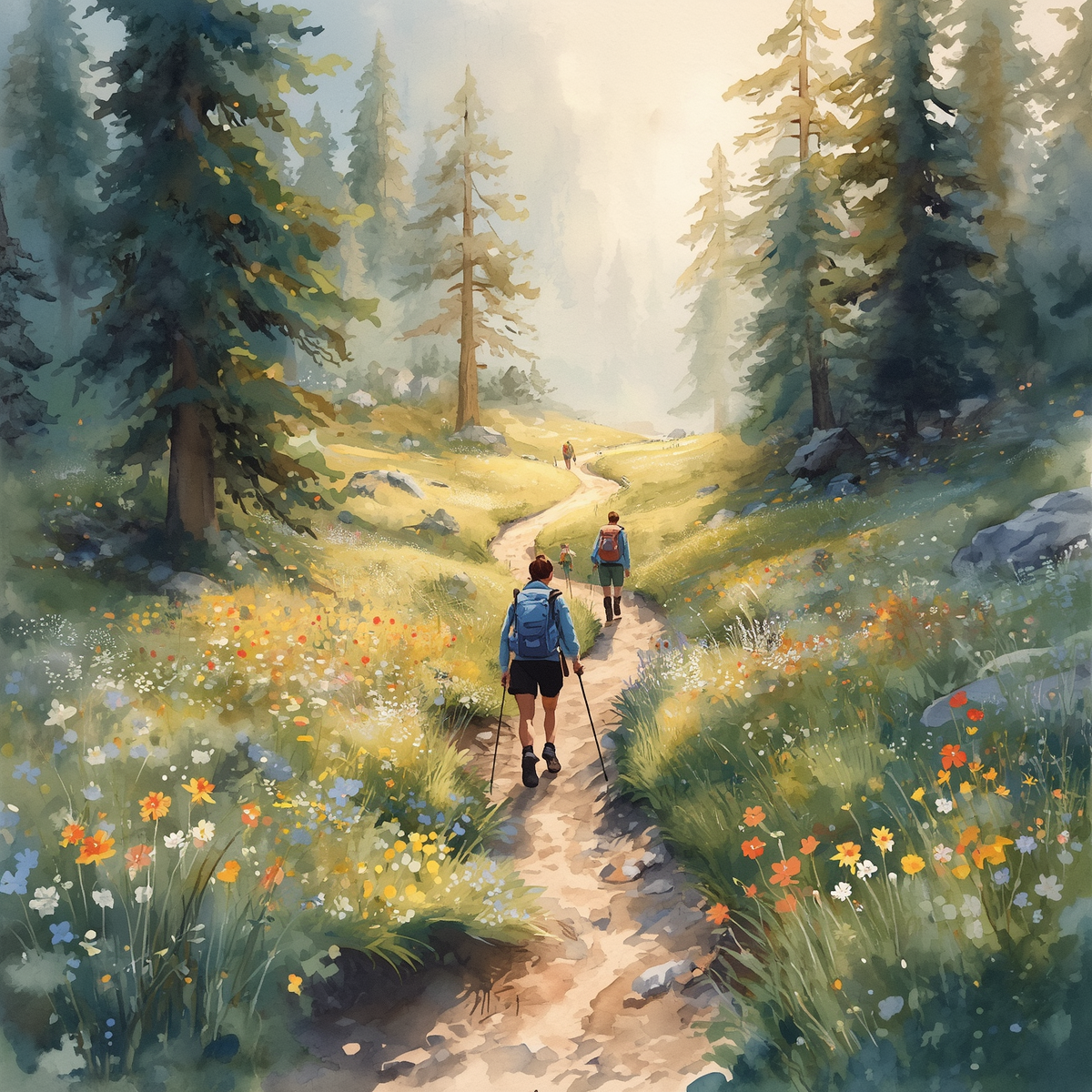
These paths can lead through forests, mountain valleys, open meadows, rocky landscapes, and remote countryside.
The scenery may be just as impressive as that found on popular routes, but the experience can feel completely different.
Instead of focusing on reaching a famous viewpoint, travellers can appreciate the entire journey. Every section of trail becomes part of the adventure.
Enjoy the Peace of Mountain Landscapes
Mountains naturally create a feeling of escape. When combined with quieter trails, they can provide an especially peaceful travel experience.
Walking through a mountain valley with only the sounds of wind, birds, and flowing water can feel far removed from busy urban environments.
High ridges and open landscapes can also create a strong sense of space. Looking across a wide valley or towards distant peaks can make everyday concerns feel much less important.
For travellers seeking solitude, these moments can become some of the most memorable parts of a trekking holiday.
Explore Forests and Woodland Trails
Forests offer another excellent environment for uncrowded trekking.
Woodland trails can provide shade, wildlife encounters, streams, waterfalls, and changing scenery. Because forests often contain extensive networks of paths, it can be possible to find quieter routes away from major attractions.
Forest trekking is also suitable for a range of fitness levels. Some routes involve gentle walking, while others climb into higher terrain.
A forest holiday can therefore be adapted to different types of travellers.
Walk Through Peaceful Valleys
Valleys are often ideal for travellers who want dramatic scenery without constantly tackling steep climbs.
A valley trek may follow a river, pass through small villages, or wind between mountains. The route can provide spectacular views while maintaining a more manageable pace.
Quiet valleys can also offer opportunities to experience local life. Travellers may encounter farms, traditional homes, grazing animals, and small communities that remain closely connected to the landscape.
These encounters add cultural depth to the trekking experience.
Choose the Right Time to Travel
Timing can have a major influence on how crowded a trekking destination feels.
Even popular regions can become considerably quieter outside peak travel periods. Depending on the destination, spring and autumn may provide good opportunities to experience trails with fewer visitors.
However, travellers should always research seasonal conditions before planning a trip.
Mountain weather can change rapidly, and some routes may become inaccessible because of snow, heavy rain, storms, or other hazards.
A quieter trail is only worthwhile when conditions are safe and suitable for the planned level of experience.
Consider Lesser-Known Trekking Regions
Travellers who want solitude should look beyond the destinations that dominate social media and travel guides.
Lesser-known mountain regions can offer impressive scenery without the same level of tourism infrastructure or visitor numbers.
This may mean choosing a smaller mountain range instead of a world-famous one, exploring a less-developed section of a larger region, or selecting an alternative route near a popular destination.
The reward is often a stronger sense of discovery.
You may encounter landscapes that feel completely new, even though they are located relatively close to better-known tourist areas.
Prepare for Remote Trails
Uncrowded trekking often means less infrastructure.
A quiet trail may have fewer signs, limited mobile coverage, fewer accommodation options, and longer distances between villages.
Preparation is therefore particularly important.
Before starting a trek, research the route, weather, terrain, accommodation, water sources, and emergency options.
Useful equipment can include:
- Reliable hiking footwear
- Waterproof clothing
- Warm layers
- Navigation tools
- First-aid supplies
- Sufficient water
- High-energy snacks
- Sun protection
- Emergency communication equipment
- A suitable backpack
The exact equipment required depends on the destination, season, and difficulty of the route.
Travel Light but Stay Prepared
Carrying a heavy backpack can make a multi-day trek unnecessarily difficult. At the same time, travelling too lightly can leave you unprepared for changing conditions.
The key is to pack strategically.
Choose versatile clothing that can be layered, lightweight equipment where practical, and essential items that serve multiple purposes.
If accommodation is available along the route, you may not need to carry camping equipment. This can significantly reduce pack weight.
A lighter backpack allows you to walk more comfortably and conserve energy for longer stages.
Experience Solitude Without Feeling Isolated
There is an important difference between solitude and isolation.
Solitude means having space and quiet while still being prepared and connected enough to manage the journey safely.
Travellers should avoid choosing routes that are beyond their experience simply because they appear remote.
For particularly isolated or technically demanding routes, travelling with an experienced companion or professional guide can be a sensible option.
The objective is to enjoy peaceful surroundings without creating unnecessary safety risks.
Support Local Communities
Uncrowded trekking destinations can benefit greatly from responsible tourism.
Choosing locally owned accommodation, restaurants, guides, and transport services helps ensure that tourism income reaches the communities surrounding the trails.
Visitors can also learn about local customs and traditions and respect the way communities use the land.
Small actions can make a meaningful difference. Buying local products, eating regional food, and using local services can help sustain rural economies.
Protect Quiet Natural Environments
The appeal of an uncrowded trail often comes from its natural condition. Protecting that environment should therefore be a priority.
Stay on established paths where possible, avoid disturbing wildlife, take rubbish with you, and follow local regulations.
Do not remove plants, rocks, or other natural features from protected areas.
Responsible trekking ensures that quiet landscapes remain available for future visitors.
Make Time to Slow Down
One of the greatest benefits of an uncrowded trekking holiday is the freedom to slow down.
You do not have to rush between viewpoints or keep up with large groups.
Take breaks when needed. Stop to enjoy a view. Have lunch beside a stream. Watch the clouds move across a mountain ridge.
These simple moments often become the most valuable memories.
Trekking does not always need to be about distance or speed. Sometimes the best adventure is simply being present in the landscape.
Photography on Quiet Trails
Less crowded trails can be particularly rewarding for photographers.
Without groups of people constantly moving through the frame, there is more opportunity to capture natural landscapes as they appear.
Mountain silhouettes, forests, lakes, valleys, wildlife, and changing weather can all provide interesting subjects.
However, photography should remain secondary to the experience itself. Some of the most meaningful moments may be difficult to capture in a photograph.
Put the camera away occasionally and simply enjoy the view.
The Mental Benefits of Outdoor Solitude
Spending extended periods outdoors can provide a valuable break from constant digital stimulation.
A day spent walking through a quiet landscape offers time to think, observe, and focus on the present moment.
Without the usual distractions of work, traffic, and notifications, the mind can settle into a slower rhythm.
For many travellers, this is one of the most appealing aspects of trekking. The physical activity challenges the body while the natural environment provides space for reflection.
Final Thoughts
Uncrowded trekking holidays offer a refreshing way to experience the outdoors. By choosing quieter trails, lesser-known regions, and suitable travel periods, walkers can discover scenic landscapes without the crowds often associated with famous trekking destinations.
From peaceful forests and remote valleys to mountain ridges and rural trails, these journeys provide opportunities to explore at a slower and more rewarding pace.
With careful preparation, responsible travel habits, and respect for local communities and natural environments, an uncrowded trekking holiday can become much more than a hiking trip.
It can be an opportunity to disconnect from busy routines, reconnect with nature, and discover the quiet beauty of landscapes beyond the busiest trails.