Multi region trekking journeys offer an exciting way to explore several landscapes, cultures, and environments during one unforgettable adventure. Instead of staying within a single mountain range or destination, these journeys connect different regions through carefully planned walking routes. The result is a travel experience that combines physical challenge, natural beauty, cultural discovery, and a strong sense of exploration.
For travellers who want more than a traditional sightseeing holiday, multi region trekking can provide a deeper connection with the places they visit. One day may involve walking through alpine valleys, while another could lead through forests, remote villages, open countryside, or dramatic mountain passes. Every stage introduces something new.
What Are Multi Region Trekking Journeys?
Multi region trekking journeys are extended walking adventures that travel across two or more distinct geographical areas. The regions may be connected by established trails, mountain paths, rural tracks, or carefully planned transfers between walking stages.
Unlike a standard hiking trip focused on one destination, a multi region trek creates a broader travel experience. The journey itself becomes a way to discover how landscapes, communities, food, architecture, and traditions change from one area to another.
Depending on the route, a trek may combine mountains with valleys, coastlines with forests, or highland terrain with rural villages.
This variety is one of the main reasons these adventures are becoming attractive to travellers looking for more immersive experiences.
Explore More Than One Landscape
The biggest advantage of multi region trekking is landscape diversity. Walking through several regions means you are not limited to one type of scenery.
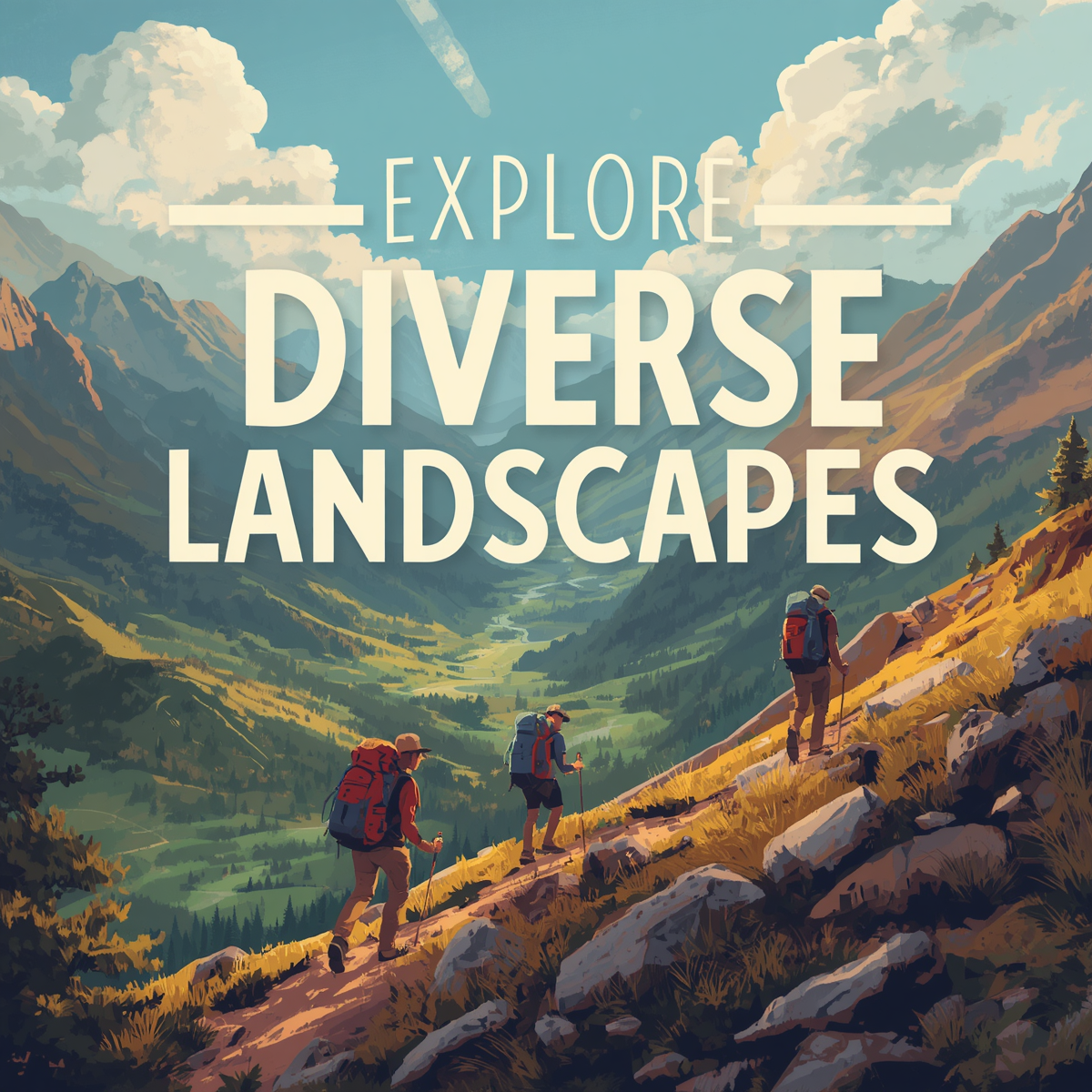
A journey could begin among rolling green hills before entering a dense woodland. From there, the trail might climb towards rugged peaks before descending into a peaceful valley.
Other routes may combine:
- Alpine mountains
- Coastal paths
- Forest trails
- Open countryside
- Highland plateaus
- River valleys
- Desert landscapes
- Traditional farming regions
- Remote wilderness areas
This constant change makes every day feel different. Instead of seeing the same scenery repeatedly, travellers experience a gradual transition between environments.
A Deeper Way to Experience a Destination
Travelling on foot changes the way you experience a place. When moving slowly through a landscape, there is more time to notice details that can easily be missed from a vehicle.
You may see local farmers working in fields, discover small villages away from major tourist routes, hear wildlife in forests, or stop beside a mountain stream.
Walking also provides opportunities to interact with local communities. Small shops, family-run restaurants, mountain refuges, and village markets can become natural parts of the journey.
This makes multi region trekking more than an outdoor activity. It becomes a form of slow travel.
Experience Changing Cultures Along the Route
When a trek crosses different regions, cultural differences can become an important part of the experience.
Food, architecture, language, clothing, traditions, and local lifestyles may change as the trail moves from one area to another. These differences add another layer of discovery to the journey.
A traveller might begin the trek eating one region’s traditional dishes and finish several days later experiencing completely different local cuisine.
Historic paths can also reveal how communities have interacted with their landscapes for generations. Ancient routes, mountain passes, pilgrimage trails, and traditional villages can all add cultural depth to a trekking itinerary.
The Challenge of a Longer Adventure
Multi region trekking can be physically demanding, particularly when the route includes several consecutive walking days.
Unlike a single day hike, the body must recover while continuing to walk. Proper pacing therefore becomes essential.
The goal is not necessarily to walk as quickly as possible. A sustainable pace allows trekkers to enjoy the surroundings while conserving energy for the days ahead.
Training before a trip can also help. Regular walking, hill training, strength exercises, and longer weekend hikes can prepare the body for the demands of multi-day trekking.
However, difficulty varies significantly between routes. Some multi region journeys are suitable for moderate hikers, while others are designed for experienced trekkers.
Plan the Route Carefully
Good planning is an important part of any successful multi region trekking adventure.
Before departure, research the complete route and understand how the different stages connect. Consider daily distances, elevation changes, accommodation, weather, transport links, food availability, and navigation.
A useful itinerary should allow enough time for rest and unexpected delays.
Important planning factors include:
- Total trekking distance
- Number of walking days
- Daily elevation gain
- Trail difficulty
- Seasonal weather
- Accommodation availability
- Transport between regions
- Water and food access
- Navigation requirements
- Emergency arrangements
Planning does not remove spontaneity from the journey. Instead, it provides a reliable foundation that allows you to enjoy the adventure with greater confidence.
Pack for Multiple Environments
One of the challenges of crossing different regions is preparing for changing conditions.
A multi region trek may pass through several climate zones or elevations. Temperatures can vary considerably between valleys and mountain passes.
Layered clothing is therefore particularly useful. Instead of carrying one heavy item for every condition, trekkers can combine lightweight layers depending on the weather.
A suitable trekking pack may include:
- Comfortable hiking footwear
- Moisture-managing base layers
- Warm mid-layers
- Waterproof outer clothing
- Hat and gloves
- Sun protection
- Navigation equipment
- First-aid supplies
- Reusable water bottles
- High-energy snacks
- Personal essentials
Keeping the pack manageable is important. A heavy backpack can become uncomfortable during long walking days.
Discover Remote Places
Multi region trekking can provide access to areas that are difficult to reach by conventional transport.
Some of the most memorable landscapes are found away from major roads and busy tourist centres. Walking allows travellers to move gradually into these quieter areas.
Remote valleys, isolated villages, mountain passes, and wilderness trails can create a strong sense of adventure.
There is also something special about knowing that a particular viewpoint or valley can only be reached after several hours of walking. The effort becomes part of the reward.
Connect Different Destinations Into One Journey
Another benefit of multi region trekking is the opportunity to connect destinations that would normally be experienced separately.
Instead of treating each region as an individual holiday, a trekking itinerary can create a continuous story.
You may begin in one landscape, cross a natural boundary, enter another region, and gradually discover how the environment changes.
This gives the trip a sense of progression. Each stage builds upon the previous one, creating an adventure that feels larger than a collection of individual day hikes.
Enjoy the Journey at a Natural Pace
Trekking encourages travellers to slow down.
There is no need to rush from one attraction to another. The trail determines the pace, and each day provides time to appreciate the surrounding environment.
A short break on a mountain ridge can become an opportunity to admire distant peaks. A village stop can turn into a chance to enjoy a local meal. An unexpected waterfall can become one of the highlights of the entire trip.
These moments are often what make trekking journeys memorable.
Sustainable Travel Through Walking
Walking can also be a more environmentally conscious way to explore destinations. Travelling on foot reduces reliance on vehicles during the walking stages and encourages visitors to explore local communities and smaller destinations.
Supporting locally owned accommodation, restaurants, guides, and shops can further contribute to regional economies.
Responsible trekking also means respecting the environments being explored. Staying on marked paths, carrying waste out of natural areas, respecting wildlife, and following local regulations can help protect fragile landscapes.
Sustainable trekking is not simply about reducing environmental impact. It is also about ensuring that beautiful destinations remain enjoyable for future travellers.
Travel With Friends or Trek Solo
Multi region trekking can work for different travel styles.
Groups of friends may enjoy sharing the physical challenge and celebrating each stage together. Couples can use the experience as a way to explore new places while spending quality time outdoors.
Solo trekkers can also find multi region journeys rewarding. Travelling alone provides independence and encourages deeper engagement with the surroundings and local communities.
For more challenging or remote routes, travelling with others or using professional guides may provide additional safety and support.
Capture the Changing Landscapes
A multi region trek can be a photographer’s dream. The variety of scenery provides countless opportunities to capture different environments during one trip.
Early morning light across a mountain ridge, traditional villages, forest trails, dramatic valleys, and changing weather can all create memorable photographs.
However, it is important not to spend the entire journey behind a camera or phone. Some moments are better experienced directly.
Take photographs, but also take time to simply stand still and appreciate the landscape.
Make Every Stage Part of the Story
One of the most rewarding aspects of a multi region trekking journey is the sense of achievement that develops over time.
The first day may feel challenging. By the middle of the journey, your rhythm becomes more natural. By the final stages, you can look back at how far you have travelled on foot.
Each climb, descent, village, viewpoint, and mountain pass becomes part of the overall story.
The destination at the end is important, but the experiences collected along the way often become the memories you remember most.
Final Thoughts
Multi region trekking journeys offer a powerful combination of exploration, adventure, physical activity, and cultural discovery. By connecting different landscapes within one carefully planned journey, trekkers can experience far more than they would on a conventional holiday.
From peaceful forests and traditional villages to dramatic mountain peaks and remote valleys, every region adds something different to the experience.
With thoughtful planning, suitable equipment, responsible travel habits, and a willingness to embrace the unexpected, a multi region trek can become an unforgettable adventure.
The real appeal is not simply reaching the final destination. It is discovering how much the landscape, culture, and experience can change as you continue walking.