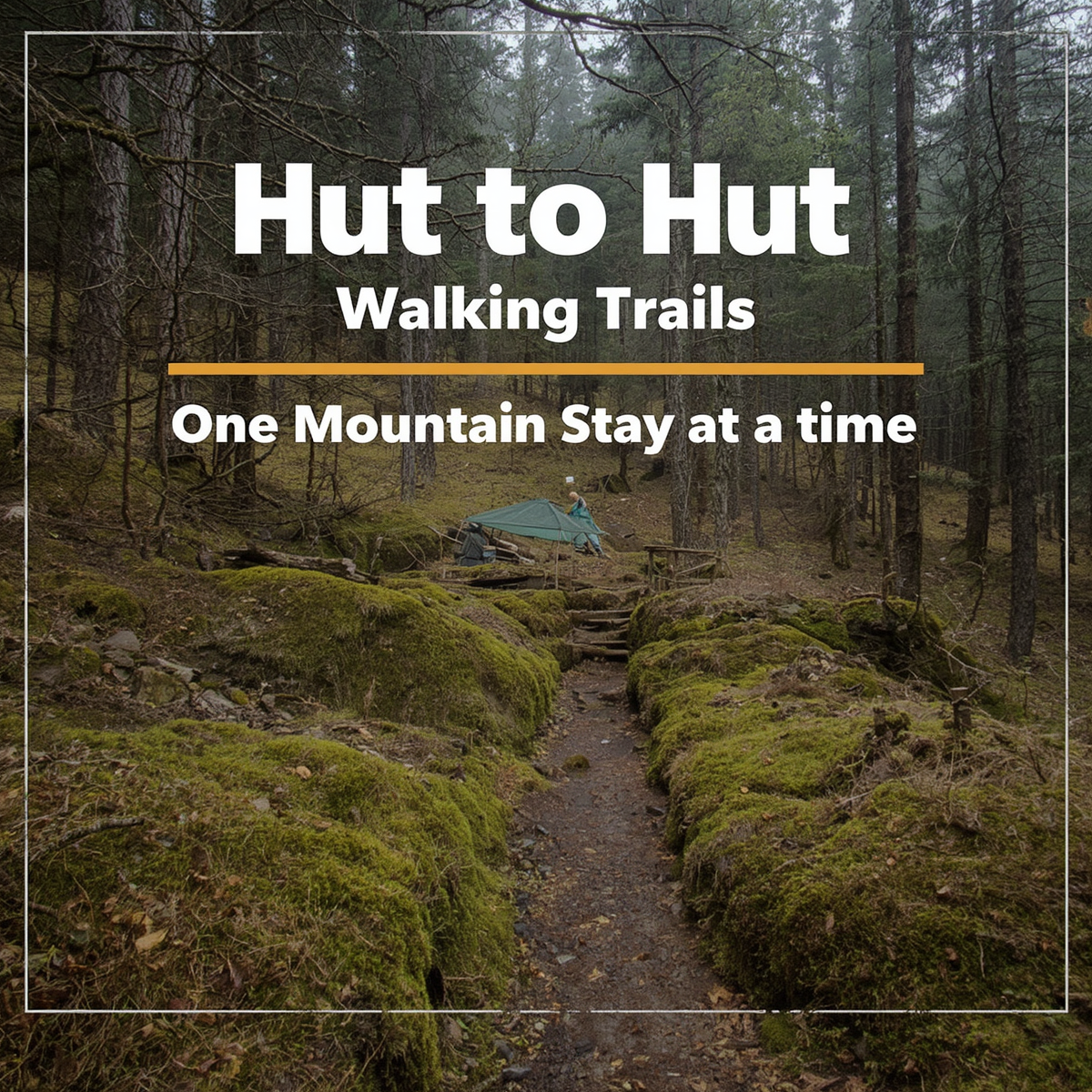
Hut to hut walking adventures offer a unique way to experience the mountains. Instead of returning to the same accommodation every evening, walkers travel from one mountain hut to another, following scenic trails through valleys, forests, ridges, and high-altitude landscapes. Each day becomes part of the journey, with a new destination waiting at the end of the trail.
For people who enjoy walking, nature, and meaningful outdoor experiences, hut to hut adventures provide an exciting alternative to traditional holidays. They combine physical activity with spectacular scenery, simple mountain accommodation, local culture, and the satisfaction of completing a journey one stage at a time.
What Are Hut to Hut Walking Adventures?
A hut to hut walking adventure is a multi-day hiking journey where travellers stay in mountain huts along a designated trail. Instead of carrying camping equipment and sleeping outdoors, walkers usually spend the night in purpose-built mountain accommodation.
The route is divided into daily stages. Each morning, walkers leave one hut and follow marked trails towards the next one. Depending on the route, a day might involve gentle valley walking, steep climbs, rocky mountain passes, or exposed ridgelines.
Mountain huts can vary considerably. Some are simple shelters offering basic sleeping arrangements, while others provide dining rooms, hot meals, showers, and comfortable communal spaces.
The combination of walking and mountain accommodation makes this style of travel particularly appealing to people who want to explore remote landscapes without organising a traditional camping trip.
Why Choose a Hut to Hut Walking Holiday?
One of the biggest attractions of hut to hut walking is the sense of progression. Every day has a clear destination, but the journey between each hut is filled with opportunities to discover new scenery.
Instead of spending an entire holiday in one location, walkers move through different landscapes. A trail might begin in a forested valley, climb towards alpine meadows, cross a mountain pass, and finish beside a remote mountain refuge.
This constant change keeps the experience interesting.
Hut to hut adventures can also provide a greater connection with nature. Away from busy roads and crowded tourist areas, walkers can experience quieter landscapes and enjoy the natural sounds of the mountains.
Discover Scenic Mountain Trails
Mountain trails are often the highlight of a hut to hut journey. Routes can pass through dramatic valleys, high meadows, glacial landscapes, forests, waterfalls, and panoramic viewpoints.
The scenery changes throughout the day as the trail gains or loses elevation. A woodland path might gradually open into a wide mountain landscape, revealing distant peaks and valleys.
Walking at a steady pace also allows travellers to appreciate details that can easily be missed when travelling by car. Wildflowers, wildlife, unusual rock formations, mountain streams, and traditional villages can all become part of the experience.
For photographers and nature lovers, this makes hut to hut walking particularly rewarding.
One Mountain Stay at a Time
The accommodation is an important part of the experience. Mountain huts are not simply places to sleep; they often become part of the adventure.
Arriving at a hut after several hours of walking can provide a strong feeling of achievement. There is something satisfying about seeing your destination ahead after climbing a demanding trail.
Many huts have communal dining areas where walkers share meals and stories. This creates a social atmosphere that is quite different from staying in a conventional hotel.
Depending on the destination, huts may serve regional food using local ingredients. Sharing a warm meal in a mountain refuge after a long day outdoors can become one of the most memorable parts of the journey.
A Great Option for Outdoor Enthusiasts
Hut to hut walking appeals to a wide range of outdoor travellers. Experienced hikers may enjoy challenging routes through high mountain terrain, while beginners can choose shorter and more manageable trails.
The important thing is to select a route that matches your fitness level and hiking experience.
Some journeys involve relatively moderate distances and gradual climbs. Others include long days, steep ascents, difficult terrain, and high elevations.
Before choosing a route, walkers should consider:
- Daily walking distance
- Total elevation gain
- Trail difficulty
- Weather conditions
- Altitude
- Accommodation availability
- Required equipment
- Emergency access
- Navigation requirements
Choosing the right route can make the difference between an enjoyable adventure and an unnecessarily difficult experience.
The Benefits of Travelling Light
One major advantage of hut to hut walking is that there is usually no need to carry a full camping setup. Since accommodation is already available along the route, walkers can leave tents, sleeping mats, and much of their camping equipment at home.
However, travelling light still requires careful planning.
A typical hiking pack may include suitable clothing, waterproof layers, food or snacks, water, a first-aid kit, navigation equipment, personal items, and other essentials.
Keeping the backpack as light as reasonably possible can make long days on the trail more comfortable. Every extra item becomes noticeable after several hours of walking.
Preparing for Changing Mountain Weather
Mountain weather can change quickly. A sunny morning does not necessarily mean the entire day will remain warm and dry.
Walkers should be prepared for rain, wind, cold temperatures, and changing conditions. Waterproof clothing, warm layers, appropriate footwear, and reliable navigation equipment are important parts of preparation.
Weather should also influence daily decisions. If conditions become dangerous, it may be necessary to change plans, shorten a walking day, or remain at a hut until conditions improve.
Good preparation is not about removing adventure from the experience. It is about making sure the adventure remains enjoyable and responsible.
Building Confidence on the Trail
For people who are new to multi-day hiking, hut to hut walking can be a rewarding way to build outdoor confidence.
Completing one stage at a time provides a clear sense of progress. Each day’s walk introduces new terrain and new challenges, while the arrival at the next hut provides a natural opportunity to rest.
Over several days, walkers can develop stronger navigation skills, better pacing, and a greater understanding of how their body responds to long-distance walking.
The experience can also teach valuable lessons about preparation. Knowing when to rest, drink water, eat, adjust clothing, or change pace can make a significant difference during a multi-day adventure.
Experience Local Mountain Culture
Hut to hut journeys are not only about landscapes. Many mountain trails pass through communities with long traditions of farming, food production, crafts, and mountain life.
Travellers may encounter traditional villages, historic paths, local farms, and regional cuisine along the way.
Mountain huts themselves can also provide insight into local culture. Their design, food, hospitality, and traditions often reflect the environment in which they operate.
This makes hut to hut walking a more immersive form of travel. Rather than simply visiting a mountain destination, travellers move through it slowly and experience different parts of the region.
Making Memories with Fellow Walkers
The social side of hut to hut walking is another important part of the experience.
Mountain huts often bring together people from different countries and backgrounds who share an interest in hiking. Conversations can begin naturally over dinner, breakfast, or while preparing for the next stage.
Some walkers travel alone, while others arrive as couples, families, or groups of friends. Regardless of the group size, the shared experience of completing the same trail can create a strong sense of community.
For solo travellers in particular, hut to hut walking can provide a balance between independence and social interaction.
Choosing the Right Hut to Hut Route
There are many types of hut to hut journeys available, from gentle routes through lower mountain landscapes to demanding high-altitude adventures.
When selecting a trail, think about what you want from the experience.
If scenery is the priority, choose a route known for panoramic views and varied landscapes. If cultural experiences are important, look for trails that pass through traditional villages and communities. For a physical challenge, consider routes with significant elevation gain and longer stages.
It is also important to research hut opening dates and booking requirements. Popular mountain routes can become busy during peak seasons, and some huts require advance reservations.
The Best Part: Slowing Down
Modern travel often focuses on reaching destinations quickly. Hut to hut walking offers the opposite experience.
The journey itself becomes the destination.
There is no need to rush through a mountain landscape. Walkers can pause at viewpoints, enjoy lunch beside a stream, photograph the scenery, or simply take a moment to appreciate the surroundings.
This slower pace can make the experience feel more meaningful. After several days of walking, everyday distractions often seem less important, while simple experiences such as a beautiful sunrise or a warm meal at the end of the trail become much more memorable.
Final Thoughts
Hut to hut walking adventures provide an unforgettable way to explore mountains one stage at a time. With scenic trails, welcoming mountain refuges, changing landscapes, and opportunities to experience local culture, they offer much more than a conventional hiking trip.
From the first climb of the morning to the arrival at a remote mountain hut in the afternoon, every part of the journey contributes to the experience.
Whether you are an experienced trekker looking for a challenging route or a curious traveller hoping to discover multi-day mountain walking, hut to hut adventures can provide the perfect combination of exploration, movement, nature, and simple mountain living.
Sometimes the most rewarding journeys are not about reaching one spectacular destination. They are about discovering what lies between one mountain stay and the next.