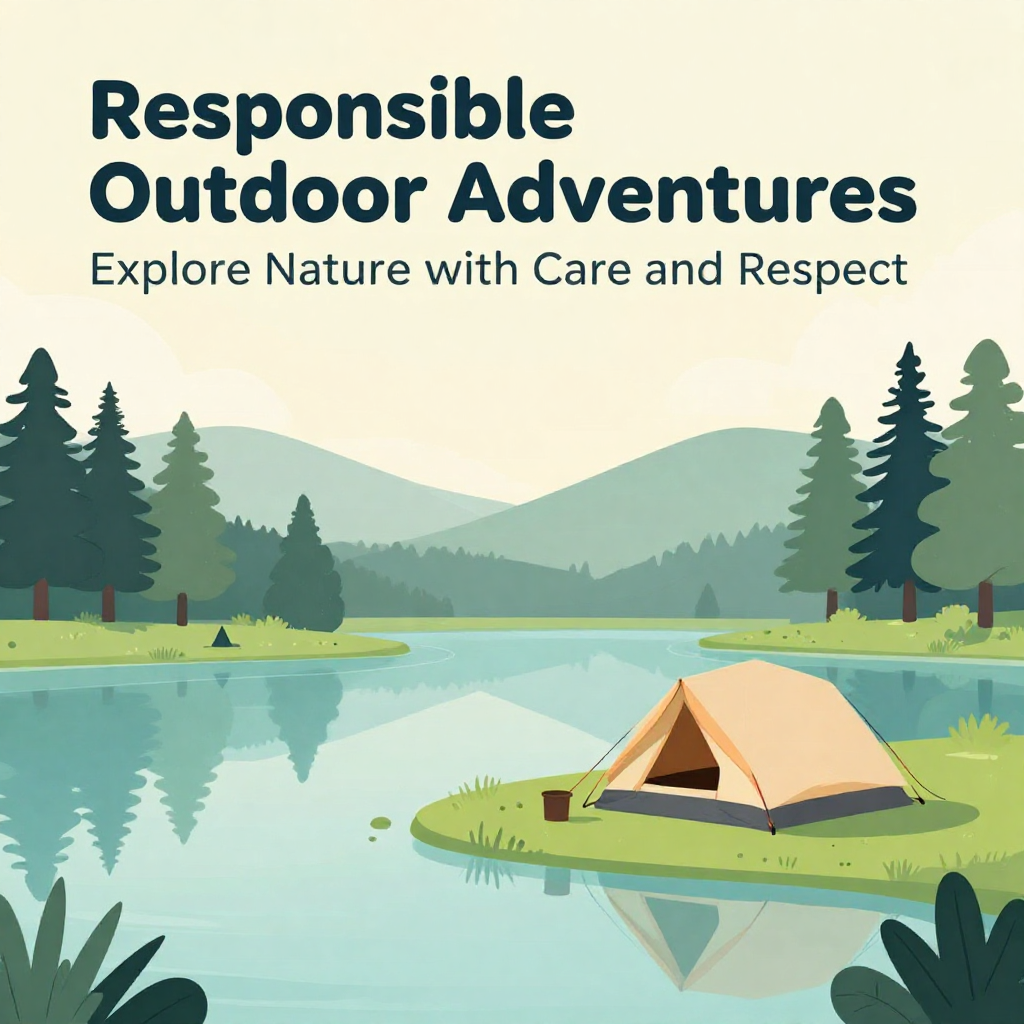
Outdoor adventures offer some of the most rewarding travel experiences available. From hiking mountain trails and exploring forests to camping beside rivers and discovering remote landscapes, spending time in nature allows people to reconnect with the world around them. These experiences provide opportunities for exploration, relaxation, personal growth, and unforgettable memories. However, as more people seek outdoor adventures, the responsibility to protect and preserve natural environments becomes increasingly important.
Responsible Outdoor Adventures focus on enjoying nature while minimizing environmental impact and showing respect for local ecosystems, wildlife, communities, and future visitors. It is about exploring the outdoors in a way that supports conservation, sustainability, and long-term environmental health. By adopting responsible travel practices, adventurers can help ensure that natural spaces remain beautiful and accessible for generations to come.
The greatest outdoor experiences are not only about what we gain from nature but also about how we care for it.
Understanding Responsible Outdoor Adventure
Responsible outdoor adventure combines exploration with environmental awareness.
It encourages travelers to enjoy natural spaces while taking steps to protect them.
This approach includes:
- Respecting wildlife
- Preserving natural habitats
- Reducing waste
- Supporting conservation efforts
- Following local guidelines
Responsible adventurers understand that their actions can have a lasting impact on the places they visit.
Every choice contributes to either protecting or harming the environment.
Why Responsible Travel Matters
Natural landscapes face increasing pressure from tourism, development, pollution, and climate change.
Without responsible practices, outdoor recreation can contribute to:
- Habitat destruction
- Soil erosion
- Water pollution
- Wildlife disturbance
- Increased waste
Responsible travel helps reduce these negative effects while allowing people to continue enjoying outdoor experiences.
Protecting nature today helps preserve it for future generations.
Appreciating Nature’s Value
Nature provides countless benefits to both individuals and communities.
Natural environments support:
- Biodiversity
- Clean air
- Fresh water
- Climate regulation
- Recreation opportunities
Outdoor adventures offer a chance to experience these benefits firsthand.
The more people understand the value of natural spaces, the more likely they are to support conservation efforts.
Appreciation often leads to greater environmental responsibility.
Following the Leave No Trace Principle
One of the most important concepts in responsible outdoor adventure is the Leave No Trace philosophy.
This approach encourages visitors to minimize their environmental impact by:
- Packing out all waste
- Staying on designated trails
- Respecting wildlife
- Avoiding damage to vegetation
- Leaving natural objects undisturbed
The goal is simple: leave places as beautiful as they were found.
Small actions can make a significant difference when practiced consistently.
Respecting Wildlife
Wildlife encounters can be among the most memorable parts of outdoor adventures.
However, animals should always be observed responsibly.
Responsible wildlife practices include:
- Keeping a safe distance
- Avoiding feeding animals
- Minimizing noise
- Respecting habitats
- Using binoculars or cameras instead of approaching closely
Wild animals thrive when allowed to behave naturally without human interference.
Respect helps protect both wildlife and visitors.
Staying on Designated Trails
Trails are designed to minimize environmental impact while providing access to natural areas.
Leaving established paths can cause:
- Soil erosion
- Plant damage
- Habitat disruption
Staying on designated trails helps preserve fragile ecosystems and protects surrounding vegetation.
Following marked routes also improves visitor safety.
Responsible adventurers understand that trails exist for both conservation and recreation purposes.
Reducing Waste During Adventures
Waste management is a key component of responsible travel.
Outdoor enthusiasts should aim to:
- Carry reusable water bottles
- Avoid single-use plastics
- Pack reusable containers
- Properly dispose of trash
- Remove all personal waste
Even small pieces of litter can harm wildlife and degrade natural environments.
Every visitor shares responsibility for keeping outdoor spaces clean.
Supporting Sustainable Tourism
Responsible outdoor adventures often contribute to sustainable tourism initiatives.
Supporting local communities may involve:
- Hiring local guides
- Purchasing local products
- Staying in eco-friendly accommodations
- Respecting cultural traditions
Sustainable tourism creates economic opportunities while encouraging environmental protection.
Local communities often play an important role in preserving natural areas.
Protecting Water Sources
Rivers, lakes, and streams are essential components of many outdoor environments.
Protecting water quality requires responsible behavior such as:
- Avoiding pollution
- Using environmentally friendly products
- Disposing of waste properly
- Keeping campsites away from water sources
Clean water benefits both ecosystems and communities.
Protecting water resources should remain a priority during every adventure.
Choosing Environmentally Friendly Gear
Outdoor equipment can also support sustainability goals.
Responsible adventurers often choose products that:
- Are durable
- Use sustainable materials
- Minimize waste
- Support ethical manufacturing
Investing in quality gear reduces the need for frequent replacements and contributes to more sustainable consumption.
Thoughtful purchasing decisions can have positive environmental impacts.
Camping Responsibly
Camping provides a unique opportunity to experience nature up close.
Responsible camping practices include:
- Using designated campsites
- Following fire regulations
- Packing out all waste
- Respecting quiet hours
- Avoiding damage to vegetation
Well-managed campsites help protect natural areas while providing enjoyable experiences for visitors.
Responsible campers leave minimal evidence of their stay.
Understanding Local Regulations
Different destinations often have specific rules designed to protect natural environments.
These regulations may address:
- Wildlife protection
- Fire safety
- Trail access
- Camping restrictions
- Waste disposal
Following local guidelines demonstrates respect for conservation efforts and helps maintain safe outdoor experiences.
Responsible travelers take time to learn and follow these rules.
Encouraging Environmental Education
Outdoor adventures provide excellent opportunities for learning.
Travelers can develop a deeper understanding of:
- Ecosystems
- Wildlife behavior
- Conservation challenges
- Environmental stewardship
Education encourages greater appreciation and inspires positive action.
The more people learn about nature, the more motivated they become to protect it.
Balancing Adventure and Conservation
Adventure and conservation should work together rather than compete.
Responsible exploration allows people to enjoy nature while minimizing environmental impact.
This balance ensures that:
- Natural areas remain healthy
- Wildlife remains protected
- Future visitors can enjoy similar experiences
Conservation strengthens the long-term sustainability of outdoor recreation.
Protecting nature enhances the quality of future adventures.
Inspiring Others to Travel Responsibly
Responsible travelers can influence others through their actions.
Leading by example may encourage friends, family members, and fellow adventurers to adopt sustainable practices.
Simple actions such as:
- Picking up litter
- Following trail guidelines
- Respecting wildlife
can inspire broader environmental awareness.
Positive behavior often creates a ripple effect within outdoor communities.
The Future of Responsible Outdoor Adventures
As interest in outdoor travel continues to grow, responsible practices will become increasingly important.
Future trends may include:
- Eco-friendly tourism initiatives
- Conservation partnerships
- Sustainable outdoor equipment
- Environmental education programs
- Community-led tourism projects
Travelers will play a critical role in shaping the future of outdoor recreation.
Responsible choices today can help protect natural environments for generations to come.
Benefits of Responsible Outdoor Travel
Responsible outdoor adventures offer numerous benefits, including:
- Environmental protection
- Better visitor experiences
- Stronger local communities
- Wildlife conservation
- Sustainable tourism growth
These benefits extend beyond individual travelers and contribute to broader environmental and social well-being.
Responsible exploration creates positive outcomes for everyone involved.
Conclusion
Responsible Outdoor Adventures: Explore Nature With Care and Respect highlights the importance of enjoying the outdoors while protecting the environments that make these experiences possible. By following sustainable practices, respecting wildlife, supporting local communities, and minimizing environmental impact, travelers can help preserve natural spaces for future generations.
Outdoor adventures provide incredible opportunities for discovery, relaxation, and personal growth. However, these experiences come with a responsibility to act as thoughtful stewards of the environment. Every trail explored, campsite visited, and landscape admired offers a chance to contribute positively to conservation efforts.
When adventure is guided by respect and responsibility, nature remains a source of inspiration, beauty, and wonder for years to come. By exploring with care, travelers can enjoy meaningful experiences while helping protect the world’s most remarkable outdoor destinations.