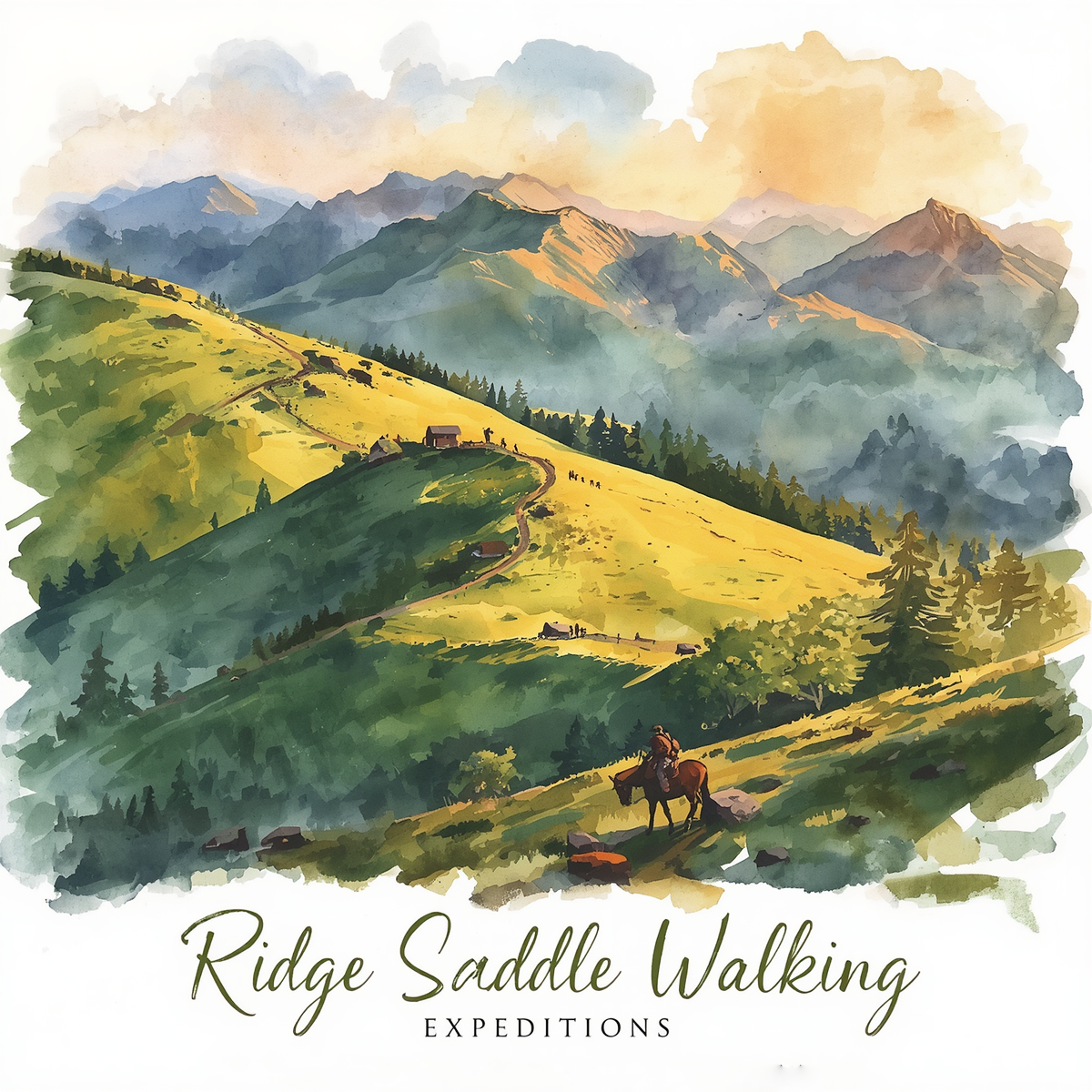
Ridge saddle walking expeditions offer an exciting way to discover some of the most beautiful mountain landscapes in the world. These walking adventures take travellers across elevated mountain passes, between dramatic ridgelines, and through open highland terrain where breathtaking views stretch across valleys, peaks, and distant horizons.
For people who enjoy hiking, nature, and outdoor exploration, ridge saddle walks provide a rewarding combination of physical activity and natural beauty. Unlike ordinary countryside walks, these routes often involve changing elevations, rocky paths, and exposed mountain sections. Every stage of the journey can bring a different view and a new opportunity to experience the wilderness.
Whether you are an experienced mountain walker or someone planning your first highland adventure, exploring ridge saddles can help you discover remote landscapes away from crowded tourist attractions. With the right preparation, suitable equipment, and a carefully selected route, these expeditions can become unforgettable outdoor experiences.
What Are Ridge Saddle Walking Expeditions?
A mountain saddle is a lower area between two higher points along a ridge. It often forms a natural passage between mountain peaks and can provide a practical route through otherwise steep or challenging terrain.
Ridge saddle walking expeditions follow these natural mountain passages, allowing hikers to move between valleys, ridges, and highland areas. Some routes pass through grassy saddles with gentle slopes, while others cross rocky mountain passes surrounded by steep peaks.
These walking routes are popular because they combine changing scenery with a sense of adventure. Hikers may begin in a forested valley, climb towards an elevated pass, and reach a saddle where the landscape opens into spectacular panoramic views.
The difficulty of a ridge saddle walk depends on its elevation, length, terrain, and weather conditions. Some routes are suitable for reasonably fit beginners, while others require advanced hiking experience and specialist mountain skills.
Understanding the route before departure is essential for choosing an expedition that matches your ability.
Why Choose Ridge Saddle Walking Adventures?
Mountain walking provides more than a chance to enjoy beautiful scenery. Ridge saddle expeditions offer opportunities to challenge yourself, discover wildlife, and experience peaceful natural surroundings.
Enjoy Breathtaking Highland Views
One of the biggest attractions of ridge saddle walking is the scenery. Elevated passes often provide wide views across mountain ranges, deep valleys, open grasslands, and distant peaks.
As you climb towards a saddle, the landscape gradually changes. Trees may become less common, rocky ground may appear, and the surrounding mountains may become more prominent.
Once you reach a suitable viewpoint, you can pause to appreciate the scenery and take photographs. Clear weather can reveal impressive views across several mountain ranges, while changing clouds and mist can create a completely different atmosphere.
These moments make ridge saddle walking especially rewarding for nature lovers and landscape photographers.
Experience Peaceful Mountain Environments
Many ridge saddle routes pass through areas that are less developed than popular tourist destinations. This can provide a quieter experience where natural sounds, fresh air, and open landscapes become the main attractions.
Walking through remote highland terrain also encourages travellers to slow down and appreciate their surroundings.
Instead of rushing between busy attractions, you can focus on the walking experience itself. The steady rhythm of the trail, the changing mountain views, and the feeling of reaching a natural high point can make the journey particularly memorable.
However, remote routes require careful planning because facilities, mobile coverage, and emergency assistance may be limited.
Challenge Yourself Physically
Ridge saddle walks can offer an excellent physical challenge. Depending on the route, hikers may need to manage steep climbs, uneven surfaces, loose stones, and long distances.
Walking uphill develops stamina and engages several muscle groups, while descending requires balance and controlled movement.
Beginners should start with shorter routes and gradually increase the difficulty as their fitness improves. Experienced walkers may prefer longer expeditions with greater elevation changes.
The aim should be to enjoy the adventure while remaining within your physical limits.
Best Activities During Ridge Saddle Expeditions
A ridge saddle expedition can include several outdoor activities beyond simply following a walking trail. The best experiences depend on the destination, local conditions, and the time available.
Mountain Hiking and Trail Exploration
Hiking is the main activity on ridge saddle expeditions. Routes may follow established mountain paths, natural ridgelines, or traditional passes connecting different valleys.
Some trails offer gradual climbs, while others include steep sections that require careful footing. Walking poles can be useful on uneven terrain, particularly when descending.
Before starting, check the route distance, total ascent, estimated duration, and difficulty level. Make sure you have enough time to complete the walk before daylight fades.
For unfamiliar or challenging terrain, consider travelling with an experienced local guide.
Landscape Photography
Ridge saddles provide excellent locations for mountain photography. The elevated position can help photographers capture broad views of valleys, distant peaks, and dramatic changes in the weather.
Early morning can offer soft light and quieter trails, while late afternoon may create long shadows across the landscape. Conditions vary, so flexibility is important.
Try photographing the same landscape from different angles. A wide image can show the scale of a mountain range, while a closer composition can highlight rock formations, wildflowers, or the texture of a walking path.
Always choose a safe position before taking photographs. Avoid standing near unstable edges or moving across dangerous ground simply to obtain a better view.
Wildlife and Nature Observation
Highland environments support a variety of plants and animals. Depending on the region, hikers may encounter mountain birds, grazing mammals, butterflies, alpine flowers, and other species adapted to cooler or exposed conditions.
Walk quietly and observe the environment without disturbing wildlife. Binoculars can help you view birds and animals from a safe distance.
Spring and summer may offer opportunities to see seasonal flowers and active birdlife, although wildlife sightings depend on local habitats and weather.
Travellers should remain on appropriate paths and follow conservation guidance to help protect fragile mountain ecosystems.
Stargazing and Overnight Adventures
Some ridge saddle destinations are far from major towns and artificial lighting. This can make nearby designated camping areas attractive for travellers interested in stargazing and overnight mountain experiences.
Spending an evening in a highland region can offer a different perspective on the landscape. Clear skies may reveal stars that are difficult to see in urban areas.
However, camping directly on a ridge or exposed saddle can be unsafe because of strong winds, sudden temperature changes, lightning, and limited shelter. Choose permitted campsites in suitable locations and check the forecast before staying overnight.
For longer expeditions, a mountain refuge or established accommodation may provide a safer and more comfortable option.
Remarkable Destinations for Ridge Saddle Walking
Different mountain regions offer different types of ridge saddle experiences. Some are known for green highlands and rolling ridges, while others feature rocky passes and dramatic alpine scenery.
The Scottish Highlands, Scotland
The Scottish Highlands are an excellent destination for travellers who enjoy rugged mountain landscapes and challenging walking routes. The region features dramatic peaks, deep glens, open moorland, and extensive areas of wild scenery.
Mountain passes and ridgelines provide opportunities to explore the landscape from elevated viewpoints. Some routes are suitable for experienced hillwalkers, while others require technical skills and careful preparation.
Weather conditions can change quickly, and mist can make navigation difficult. Hikers should check mountain forecasts, carry reliable navigation equipment, and understand the demands of their chosen route.
Snowdonia, Wales
Eryri, commonly known in English as Snowdonia, offers a varied mountain environment with rocky peaks, lakes, valleys, and established walking routes.
The region is attractive to hikers seeking scenic highland adventures without needing to travel to another country. Different routes offer a range of walking experiences, from accessible mountain paths to demanding ascents.
Mountain weather can be unpredictable, particularly on higher ground. Choose a route according to your experience, check local conditions, and avoid exposed terrain when the weather becomes unsafe.
The Lake District, England
The Lake District combines mountain ridges, green valleys, lakes, and distinctive rocky landscapes. Its network of walking routes makes it a popular destination for people seeking outdoor adventures.
Hikers can explore elevated passes and ridgelines that provide views across lakes and surrounding hills. The scenery changes considerably between valleys, giving each walking area its own character.
Popular routes can become busy during holiday periods, so quieter trails and early starts may help travellers enjoy a more peaceful experience.
The Swiss Alps, Switzerland
The Swiss Alps offer spectacular mountain scenery, with high passes, alpine meadows, rocky peaks, and clear mountain lakes. Many walking routes connect mountain villages and valleys through established trails.
Ridge saddle experiences in the Alps can range from moderate walks to demanding high-altitude journeys. Some routes involve steep slopes, exposed sections, or terrain that requires specialist equipment.
Check trail conditions and local guidance before setting out. In higher areas, snow may remain even when lower valleys are warm, so seasonal conditions should always influence route selection.
The Dolomites, Italy
The Dolomites are known for their dramatic limestone peaks, broad mountain views, and striking rock formations. The region offers numerous walking opportunities through alpine meadows, mountain valleys, and elevated passes.
Ridge and saddle routes can provide remarkable views of jagged peaks and changing mountain light. Some paths are suitable for recreational hikers, while more exposed routes demand experience and careful planning.
Travellers can combine walking expeditions with visits to traditional mountain villages and local food experiences.
How to Prepare for a Ridge Saddle Walking Expedition
Preparation is essential for a safe and enjoyable mountain adventure. Even a route that appears straightforward on a map may become difficult because of weather, elevation, or uneven ground.
Choose the Right Walking Route
Start by selecting a route that matches your fitness, experience, and available time.
Consider the following factors:
- Distance: Check the total length of the route and allow time for breaks.
- Elevation gain: A short route with a steep climb may be more demanding than a longer, flatter walk.
- Terrain: Rocky paths, loose stones, and exposed ridges can require greater balance and experience.
- Weather: Rain, fog, snow, and high winds can significantly increase the difficulty.
- Navigation: Confirm whether the route is clearly marked and whether you need a map, compass, or GPS device.
If you are new to mountain walking, choose a well-established route and avoid technical or exposed ridgelines until you have developed the necessary skills.
Pack Essential Hiking Equipment
The right equipment helps you stay comfortable and prepared for changing conditions.
Useful items include:
- Sturdy hiking boots with good grip.
- Waterproof jacket and weather-appropriate layers.
- A comfortable backpack.
- Sufficient drinking water and high-energy snacks.
- Paper map, compass, or a reliable offline navigation tool.
- Fully charged mobile phone and power bank.
- First-aid kit and emergency supplies.
- Headtorch with spare batteries.
- Sun protection and suitable gloves.
- Walking poles where appropriate.
For winter conditions or technically demanding routes, additional equipment and specialist knowledge may be necessary.
Check Mountain Weather Conditions
Weather is one of the most important factors in mountain safety. Strong winds can make exposed ridges dangerous, while fog can reduce visibility and complicate navigation.
Rain may create slippery surfaces, and temperatures can fall quickly at higher elevations.
Check an appropriate local mountain forecast before leaving and continue monitoring conditions where possible. Tell someone your planned route and expected return time.
If conditions deteriorate, turn back or choose a safer alternative. Reaching the summit or completing the route should never be more important than returning safely.
Build Your Fitness Gradually
Long mountain walks can be physically demanding, particularly when the route includes sustained climbs and descents.
Prepare by walking regularly and gradually increasing the distance and elevation of your training routes. Hill walking, stair climbing, and other endurance activities can help build the fitness needed for more challenging expeditions.
During the walk, maintain a steady pace and take breaks when necessary. Eat and drink regularly rather than waiting until you feel exhausted or dehydrated.
Responsible Mountain Walking and Environmental Protection
Mountain environments can be fragile, particularly at higher elevations where plants grow slowly and the ground may take a long time to recover from damage.
Responsible hiking helps protect these landscapes for future visitors.
Stay on established paths where possible, avoid trampling alpine vegetation, and take all rubbish home. Do not disturb wildlife or remove plants, rocks, or other natural features.
Follow local access rules and respect private land, conservation areas, and seasonal restrictions. If you use a local guide or stay in nearby accommodation, you can also support the communities that help maintain the region’s outdoor tourism.
Where possible, use public transport or share journeys to reduce the environmental impact of reaching popular trailheads.
The Best Time for Ridge Saddle Walking
The best season depends on the destination, elevation, and difficulty of the route.
Spring: Lower mountain routes may offer fresh greenery and seasonal flowers, although snow, mud, and unstable weather can affect higher paths.
Summer: Longer daylight hours often provide more time for walking. However, popular routes can become busy, and afternoon storms may develop in some mountain regions.
Autumn: Cooler temperatures and changing colours can create beautiful walking conditions. Shorter daylight hours mean hikers need to plan their return carefully.
Winter: Snow-covered mountains can be spectacular, but winter routes may require specialist equipment, navigation skills, and experience in snow and ice. Ordinary summer walking trails should not automatically be considered safe in winter.
Always check current local conditions rather than relying on seasonal expectations alone.
Tips for Making Your Expedition Memorable
A successful ridge saddle expedition is not only about reaching a particular point. It is also about enjoying the landscape and making the journey rewarding.
Start early enough to avoid rushing, but make sure your route and conditions support a safe departure time. Take breaks at suitable viewpoints, carry a camera if you enjoy photography, and allow time to appreciate the surroundings.
If you are exploring an unfamiliar mountain region, consider learning about its geology, local history, and wildlife before travelling. This can help you understand the landscape more deeply.
For group expeditions, agree on a pace that everyone can manage and ensure that no one is left behind. Choose routes according to the least experienced member of the group, particularly when the terrain is exposed or difficult.
Most importantly, remain flexible. Changing your route because of weather or trail conditions is a sensible decision, not a failed adventure.
Conclusion
Ridge saddle walking expeditions offer an exciting opportunity to explore scenic mountain passes, discover peaceful highland landscapes, and enjoy breathtaking views from elevated trails. From the rugged Scottish Highlands and the mountains of Wales to the Swiss Alps and Italy’s Dolomites, these destinations provide memorable experiences for outdoor enthusiasts.
With suitable preparation, reliable equipment, and a realistic understanding of the route, you can enjoy the rewards of mountain walking while managing its challenges.
Whether you are planning a short highland walk or a demanding multi-day expedition, take time to appreciate the scenery, respect the natural environment, and put safety first.
Explore the mountain passes, follow the changing ridgelines, and discover the beauty of the highlands one step at a time.