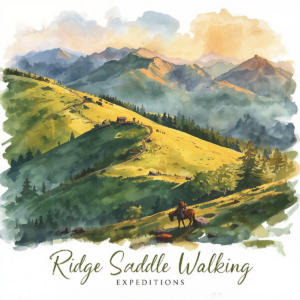
Rugged coastal hinterland adventures offer a wonderful way to discover the natural beauty that exists beyond the shoreline. While many travellers enjoy sandy beaches, seaside towns, and ocean views, the landscapes further inland often provide equally exciting experiences. From rolling hills and rocky valleys to ancient woodlands and remote walking trails, coastal hinterlands are filled with opportunities for outdoor exploration.
These destinations are perfect for travellers who want to escape busy tourist areas, enjoy peaceful surroundings, and experience nature at a slower pace. Whether you enjoy hiking, wildlife watching, landscape photography, or discovering hidden villages, a coastal hinterland adventure can bring something special to your journey.
In this guide, we will explore what makes rugged coastal hinterlands worth visiting, the activities you can enjoy, and some remarkable destinations for your next outdoor escape.
What Are Rugged Coastal Hinterlands?
Coastal hinterlands are the areas located inland from a coastline. They may include hills, forests, farmland, moorlands, rocky plateaus, river valleys, and small rural communities. Unlike popular beach destinations, these landscapes often have fewer crowds and offer a quieter connection with nature.
The word rugged describes land that is rough, wild, rocky, or shaped by natural forces. When combined with coastal hinterlands, it refers to areas where dramatic inland scenery meets the wider coastal environment.
These regions can be particularly interesting because their landscapes often reflect centuries of natural change. Wind, rain, rivers, and geological activity have helped shape the hills, valleys, cliffs, and rock formations found in many coastal areas.
For outdoor travellers, this combination creates a diverse environment to explore. You can begin your day near the sea and continue inland through woodland paths, open countryside, and elevated viewpoints.
Why Choose a Coastal Hinterland Adventure?
Coastal hinterland adventures offer more than beautiful scenery. They allow travellers to experience a different side of a destination while enjoying outdoor activities away from crowded tourist locations.
Discover Peaceful Natural Landscapes
One of the main benefits of exploring coastal hinterlands is the opportunity to find quieter places. Popular beaches and seaside resorts can become crowded during holiday periods, but inland trails may offer a more peaceful experience.
Walking through open countryside, following a stream, or sitting on a quiet hillside allows you to appreciate the natural environment without constant noise and distractions.
These peaceful surroundings are ideal for travellers who want to relax, take photographs, or spend meaningful time outdoors.
Explore Different Types of Terrain
Coastal hinterlands rarely offer just one type of landscape. Depending on the destination, you may encounter steep hills, grassy fields, forest tracks, rocky ridges, and sheltered valleys within a relatively small area.
This variety makes every walk feel different. One section of a trail may pass through dense woodland, while another opens onto wide views of distant hills and the sea.
Travellers who enjoy exploring changing landscapes will find plenty to appreciate.
Experience Local Culture and Heritage
Many inland coastal communities have a long history connected to farming, fishing, trade, and traditional crafts. Small villages, historic buildings, old stone walls, and rural pathways can reveal how people have lived alongside the surrounding environment.
Exploring these areas provides an opportunity to learn about local traditions while supporting small businesses and community tourism.
A visit to a local café, village market, or family-run guesthouse can also add a personal touch to your adventure.
Best Activities for Rugged Coastal Hinterland Adventures
There are many ways to experience these landscapes. Your choice will depend on your interests, fitness level, available time, and the terrain of your chosen destination.
Hiking Through Remote Countryside
Hiking is one of the most rewarding activities in rugged coastal hinterlands. Walking trails often pass through open fields, rocky hills, forest paths, and remote viewpoints.
Some routes are suitable for beginners, while others require greater fitness and experience. Choose a trail that matches your ability and check the expected walking time before setting out.
Bring comfortable hiking shoes, sufficient water, weather-appropriate clothing, and a map or reliable navigation tool. In remote areas, mobile phone coverage may be limited, so avoid relying entirely on your phone.
The best part of hinterland hiking is the chance to enjoy the journey itself. Instead of rushing between attractions, you can stop to observe wildlife, photograph the scenery, and appreciate the changing landscape.
Landscape Photography
Rugged hinterlands provide excellent opportunities for landscape photography. Rolling hills, dramatic rock formations, misty valleys, old stone structures, and distant coastal views can all create memorable photographs.
Early morning and late afternoon often provide softer natural light, although conditions vary with the weather and season.
Photographers can experiment with wide landscape shots, close-up images of plants and rocks, and photographs that include trails or buildings to show the scale of the surroundings.
Always remain on safe ground when taking photographs. Wet rocks, steep slopes, and exposed ridges can be dangerous, especially during windy or rainy conditions.
Wildlife Watching
Coastal hinterlands can support a wide range of wildlife. Depending on the region, you may encounter birds of prey, woodland birds, small mammals, butterflies, reptiles, and grazing animals.
Quiet walking and careful observation increase your chances of spotting wildlife without disturbing it.
Bring binoculars if you enjoy birdwatching, and consider learning about local species before your visit. This can help you recognise animal calls, identify tracks, and understand the habitats around you.
Keep a respectful distance from wild animals and follow local conservation guidance. Avoid feeding wildlife or leaving food behind, as this can affect natural behaviour.
Camping and Outdoor Stays
For travellers who want to spend more time in nature, camping can be an excellent option. Staying overnight near a forest, hillside, or designated countryside campsite allows you to experience the landscape at different times of day.
You may enjoy a quiet evening beneath the stars, listen to natural sounds after sunset, and wake up to fresh air and peaceful surroundings.
However, camping rules differ between destinations. Always use authorised campsites or locations where overnight stays are permitted. Check local fire restrictions, weather conditions, and access rules before planning your trip.
If camping is not your preference, rural guesthouses and small countryside accommodation can provide comfort while keeping you close to nature.
Remarkable Destinations for Coastal Hinterland Exploration
Several regions around the world combine rugged inland terrain with impressive coastal scenery. The following destinations offer different experiences for travellers seeking outdoor adventures.
Cornwall, England
<escape>Cornwall</escape> is well known for its dramatic coastline, but its inland landscapes also deserve attention. Beyond the beaches and seaside villages, visitors can discover wooded valleys, open moorland, rural footpaths, and historic mining areas.
The region’s mixture of countryside and coastal scenery makes it suitable for walking holidays and photography trips. Travellers can explore inland trails before visiting nearby coastal viewpoints.
Local villages provide opportunities to experience regional food, traditional architecture, and Cornish heritage.
Pembrokeshire, Wales
Pembrokeshire offers a rich combination of coastal scenery, green countryside, rocky headlands, and quiet rural communities. Although the region is famous for its coastal walking routes, inland areas also provide rewarding opportunities for exploration.
Visitors can enjoy countryside walks, discover historic sites, and observe wildlife in different natural habitats.
The changing landscape makes Pembrokeshire a strong choice for travellers who want to combine outdoor activity with peaceful rural experiences.
The Scottish Highlands, Scotland
The Scottish Highlands are ideal for travellers seeking dramatic landscapes and remote outdoor experiences. Mountain ranges, open moorlands, freshwater lochs, forests, and rugged valleys create a striking natural environment.
Some Highland areas lie close to the coast, allowing visitors to combine inland hiking with seaside exploration.
Weather conditions can change quickly, particularly in exposed areas. Travellers should plan routes carefully, check forecasts, and carry suitable equipment before attempting longer walks.
County Donegal, Ireland
County Donegal features wild coastal scenery alongside hills, valleys, open countryside, and remote rural communities. Its landscapes offer opportunities for walking, photography, wildlife observation, and scenic drives.
Travellers can explore quieter inland routes and enjoy views of the surrounding countryside before heading towards the Atlantic coastline.
Donegal is particularly appealing to visitors who prefer less urbanised surroundings and want to discover a destination at a relaxed pace.
The Algarve Hinterland, Portugal
The Algarve is often associated with beaches and holiday resorts, but its inland countryside offers a different travel experience. Rolling hills, traditional villages, agricultural landscapes, and winding rural roads create opportunities to explore beyond the main tourist areas.
Visitors can discover local markets, walk through quiet countryside, and learn about regional traditions.
Spring and autumn can be attractive periods for outdoor exploration because temperatures may be more comfortable than during the hottest summer months. Travellers should still check local weather and trail conditions before heading out.
How to Plan a Safe and Enjoyable Adventure
Good preparation can make a major difference when exploring rugged terrain. Even a short countryside walk can become challenging when weather conditions change or a route is less accessible than expected.
Research Your Route Before Travelling
Start by identifying trails, access points, parking areas, and nearby facilities. Check whether the route is open and whether any sections require special permission.
Read recent local guidance where available, especially if you plan to visit remote or exposed locations.
Make sure you understand the distance, elevation changes, expected walking time, and difficulty level before choosing a route.
Pack the Right Equipment
Your equipment should match the activity and conditions. Useful items may include:
- Comfortable walking boots with suitable grip.
- Waterproof clothing and extra layers.
- Drinking water and high-energy snacks.
- A paper map or offline navigation tool.
- A charged mobile phone and portable power bank.
- A basic first-aid kit.
- Sun protection and a small torch.
- A backpack that fits comfortably.
For longer or more remote adventures, consider carrying additional safety equipment appropriate to the route.
Check the Weather
Weather conditions can change quickly in coastal and upland areas. Strong winds, rain, fog, and low temperatures can make exposed trails difficult to navigate.
Check the forecast before departure and be prepared to change your plans. If conditions become unsafe, choose a shorter route or postpone the activity.
Never feel pressured to continue a hike simply because you have already started it.
Respect the Natural Environment
Responsible travel helps protect the landscapes that make these destinations special. Stay on marked paths where possible, take rubbish home, and avoid damaging plants or disturbing wildlife.
Follow local rules about fires, camping, dogs, and access to private land.
Supporting local businesses and choosing environmentally responsible accommodation can also help communities benefit from tourism.
The Best Time to Explore Coastal Hinterlands
The ideal time for a coastal hinterland adventure depends on the destination and activities you prefer.
Spring often brings fresh greenery, wildflowers, and active birdlife. It can be a good season for walking and photography, although rain and muddy trails may be common in some regions.
Summer generally provides longer daylight hours and more opportunities for extended outdoor activities. However, popular areas may be busier, and hot weather can make exposed routes more demanding.
Autumn offers changing colours, cooler temperatures, and quieter trails in many destinations. It is an excellent time for countryside photography, although daylight hours begin to shorten.
Winter can provide dramatic scenery and a peaceful atmosphere, but conditions may be more challenging. Short days, slippery paths, high winds, and cold temperatures require careful planning and suitable experience.
Before booking your trip, research seasonal conditions in your chosen destination rather than assuming that every region experiences the same weather.
Tips for Responsible Hinterland Travel
A memorable adventure does not need to involve travelling far or leaving a large environmental footprint. Small decisions can help make your trip more sustainable.
Choose local guides when specialist knowledge would improve your experience. Use established trails, avoid disturbing wildlife, and take reusable water bottles and food containers where practical.
When possible, use public transport or share transport with other travellers to reduce unnecessary journeys. Stay in locally owned accommodation and purchase food or crafts from nearby businesses.
You can also make your adventure more meaningful by learning about the area’s history, geography, and conservation challenges. Understanding a landscape often creates a stronger appreciation for why it needs protection.
Conclusion
Rugged coastal hinterland adventures offer a refreshing way to explore destinations beyond the shoreline. From peaceful countryside paths and forest trails to rocky hills and traditional villages, these landscapes provide countless opportunities to enjoy nature and discover local culture.
Whether you choose to hike through Cornwall, explore the Scottish Highlands, photograph the countryside in Donegal, or visit the rural Algarve, the experience can be both relaxing and rewarding.
With thoughtful planning, suitable equipment, and respect for the environment, you can enjoy these remarkable landscapes safely and responsibly.
Step beyond the familiar beaches, follow the quieter trails, and discover the natural beauty waiting in the rugged coastal hinterlands.