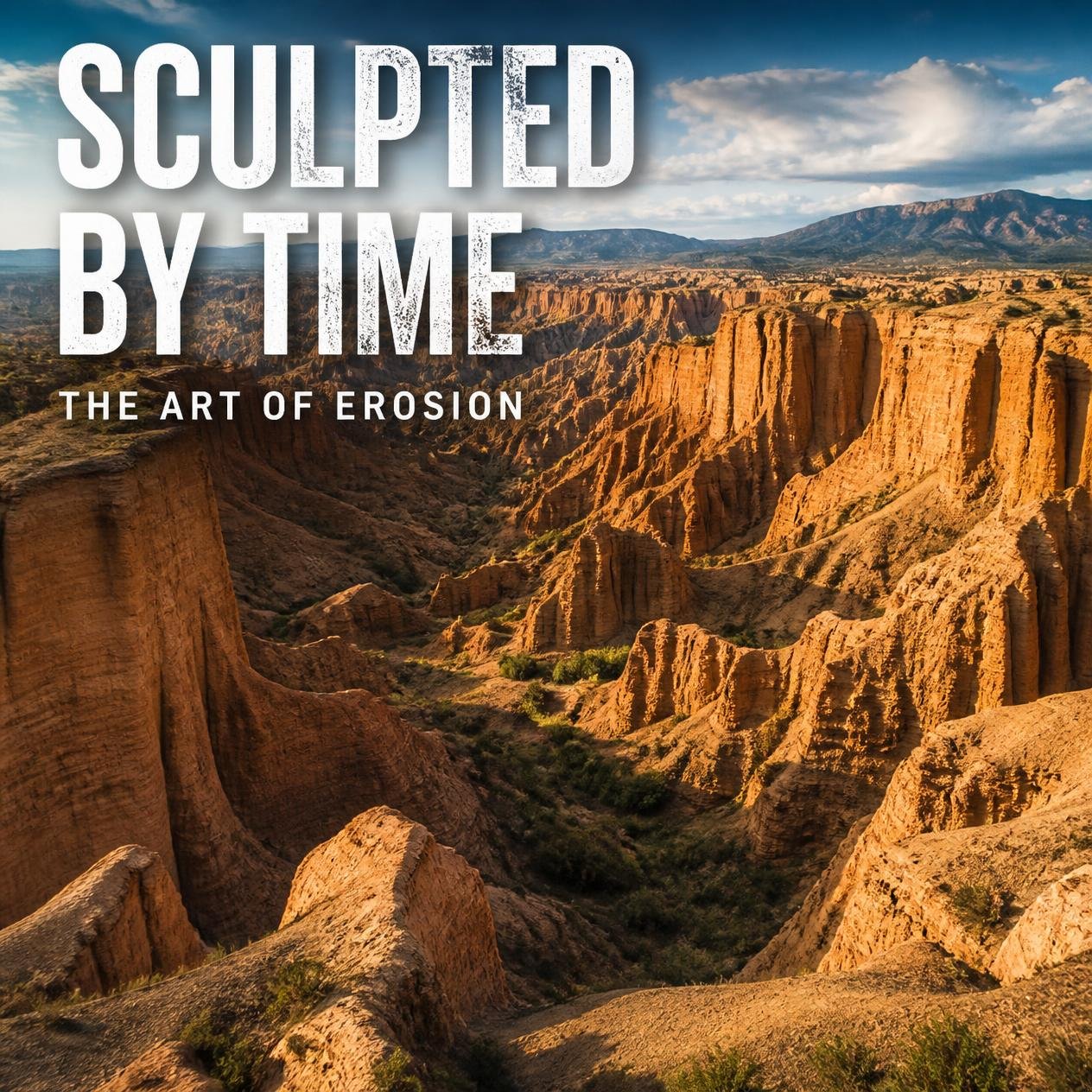
Earth’s landscapes are constantly being shaped by natural forces. Mountains are worn down, rivers carve valleys, coastlines change, and exposed rocks slowly develop new forms. One of the most powerful forces behind these changes is erosion.
Erosion landscape exploration gives travelers an opportunity to see the results of these natural processes in some of the world’s most fascinating environments. Instead of viewing a canyon, cliff, valley, or unusual rock formation simply as a beautiful attraction, travelers can discover how wind, water, ice, and weather have gradually sculpted the terrain.
These journeys can take many forms. Some involve hiking through deep valleys, while others follow dramatic coastlines or cross deserts filled with unusual rock formations. The best part is that no two erosion landscapes look exactly the same.
For travelers interested in hiking, photography, geology, nature, and remote destinations, exploring erosion-shaped terrain can create a memorable outdoor experience.
What Is Erosion?
Erosion is the gradual movement of soil and rock from one place to another through natural forces such as water, wind, ice, and gravity.
Over very long periods, these processes can completely transform landscapes.
Rivers can cut deep channels through rock. Glaciers can carve enormous valleys. Wind can remove softer material from exposed surfaces. Waves can gradually wear away cliffs along coastlines.
The results include canyons, arches, valleys, cliffs, caves, pillars, dunes, and unusual rock formations.
Erosion usually happens slowly, but the landscapes it creates can be enormous and dramatic.
Explore the Canyon Landscapes of Arizona
Arizona offers some of the world’s most recognizable examples of erosion-shaped terrain.
The Grand Canyon is perhaps the most famous. The Colorado River and other geological processes have helped create its enormous network of cliffs, valleys, and exposed rock layers.
Walking along the canyon provides travelers with constantly changing perspectives. From the rim, the landscape appears vast and layered. Longer trails provide a closer look at the rock walls and inner canyon environment.
The surrounding desert also contains many other erosion-created landscapes, including mesas, buttes, washes, and sandstone formations.
Travelers can combine hiking, photography, scenic drives, and geological learning throughout the region.
Discover the Badlands of South Dakota
Badlands National Park in South Dakota provides a completely different erosion landscape.
The region contains sharply carved ridges, colorful sedimentary formations, narrow valleys, and unusual pinnacles.
Water erosion has played an important role in shaping the landscape, gradually cutting through layers of sediment.
Walking trails provide opportunities to explore the formations from different angles. The landscape changes in appearance throughout the day as sunlight moves across the ridges.
The Badlands are particularly interesting for travelers who want to understand how relatively soft rock can be transformed into dramatic terrain over time.
Explore the Painted Hills of Oregon
The Painted Hills in Oregon are known for their colorful bands and smooth, rolling formations.
The hills contain layers of sediment in shades of red, yellow, gold, and dark tones. Their colors and shapes reflect the region’s geological history and the effects of erosion.
Short walking trails allow visitors to explore viewpoints around the formations without requiring an extreme hiking expedition.
This makes the Painted Hills a good option for travelers who want to experience geological landscapes at a relaxed pace.
The changing colors are also excellent for photography, particularly when sunlight creates stronger contrasts across the hills.
Walk Through the Bardenas Reales of Spain
Spain’s Bardenas Reales offers a dramatic semi-desert landscape shaped by erosion.
Located in Navarra, the region contains clay formations, ravines, isolated hills, and unusual rock structures.
Wind and water have gradually sculpted the softer materials into distinctive forms.
Walking through the landscape can feel surprisingly remote, even though the region is located in Europe.
The combination of dry terrain, unusual geological shapes, and wide open spaces makes Bardenas Reales a fascinating destination for travelers interested in erosion landscapes.
Discover the Landscapes of Cappadocia
Cappadocia in central Turkey is another excellent example of erosion shaping a landscape.
The region was originally influenced by volcanic activity, but erosion later transformed the soft volcanic material into distinctive valleys, pillars, and cone-shaped formations.
Places such as Love Valley, Rose Valley, and Red Valley offer walking routes through this unusual terrain.
Hiking allows visitors to see the formations from ground level while exploring narrow valleys and elevated viewpoints.
The region also demonstrates how people have adapted to geological landscapes. Historic structures were carved into some of the soft rock formations, adding cultural history to the natural environment.
Explore the Dunes and Rock of Namibia
Namibia is known for vast desert landscapes where wind and water have played an important role in shaping the terrain.
The Namib Desert contains enormous sand dunes, dry valleys, rocky mountains, and exposed geological formations.
Sossusvlei is particularly famous for its towering dunes and contrasting dry landscape.
Elsewhere in Namibia, travelers can explore rocky desert environments where erosion has created unusual shapes and valleys.
The country’s low rainfall and open terrain make the effects of wind especially visible.
A desert hiking journey here can offer a powerful experience of space, silence, and geological time.
Discover the Canyons of Utah
Utah contains a remarkable collection of erosion-shaped landscapes.
Beyond the famous national parks, the state is filled with slot canyons, sandstone cliffs, natural arches, mesas, and narrow valleys.
Places such as Capitol Reef and Grand Staircase-Escalante provide opportunities to explore less urbanized landscapes where erosion has produced complex rock formations.
Slot canyons are particularly fascinating. Water flowing through narrow cracks over long periods can carve deep passages through sandstone.
These environments can be beautiful but may also become dangerous during storms because of flash-flood risks. Travelers should always check conditions and follow local safety guidance.
Explore the Fiordland Landscapes of New Zealand
Erosion is not limited to deserts and dry environments.
In New Zealand’s Fiordland, glaciers have played a major role in shaping the landscape.
Glacial movement gradually carved deep valleys through the mountains. When these valleys later filled with seawater, they became the spectacular fiords for which the region is famous.
Milford Sound and Doubtful Sound provide impressive examples.
Travelers can explore the area through hiking trails, boat journeys, kayaking experiences, and scenic viewpoints.
The combination of steep cliffs, water, rainforest, and mountains creates an environment that demonstrates the enormous influence of ice on Earth’s surface.
Discover Glacial Landscapes in Norway
Norway provides another excellent destination for erosion landscape exploration.
The country’s fjords were shaped primarily by repeated glacial activity. Moving ice carved deep valleys into the mountains, leaving behind steep cliffs and narrow waterways.
The result is one of Europe’s most dramatic coastal landscapes.
Walking trails around places such as the Geirangerfjord region and other fjord landscapes allow travelers to see the relationship between mountains, water, and glacial erosion.
The landscape changes constantly depending on weather and light, making it particularly attractive to photographers.
Explore Coastal Erosion in Portugal
Coastal landscapes provide another fascinating example of erosion.
Portugal’s Atlantic coastline contains cliffs, sea caves, arches, beaches, and unusual rock formations created partly by the long-term action of waves.
The Algarve is particularly well known for dramatic coastal scenery.
Walking along coastal paths provides changing views of cliffs and beaches while demonstrating how powerful the sea can be.
Travelers should remain a safe distance from cliff edges because erosion can create unstable sections of rock.
Discover the Karst Landscapes of Croatia
Croatia contains extensive limestone landscapes shaped by water erosion.
The country’s karst terrain includes caves, sinkholes, underground rivers, rocky valleys, and dramatic limestone formations.
Regions around Velebit and other karst areas provide opportunities for hiking through landscapes where water has gradually dissolved and reshaped the rock.
This type of erosion creates both visible surface features and hidden underground environments.
For travelers interested in caves and geological exploration, Croatia provides a fascinating combination of surface and subterranean landscapes.
Why Erosion Landscapes Make Great Hiking Destinations
Erosion creates varied terrain, which makes these destinations particularly interesting for hikers.
A trail might begin in a valley, climb across a rocky ridge, pass beneath a cliff, and finish at a viewpoint overlooking an enormous canyon.
Unlike landscapes dominated by one type of scenery, erosion zones often contain many different formations close together.
This variety also makes them excellent locations for photography.
Shapes, shadows, rock colors, layers, and textures can change dramatically depending on the time of day.
Responsible Erosion Landscape Exploration
Erosion landscapes can look permanent, but many formations are extremely fragile.
Walking on delicate rock surfaces, removing stones, disturbing soil, or leaving marked paths can accelerate damage.
Travelers should stay on designated routes where required and avoid touching or climbing fragile formations.
In desert environments, even small disturbances can take a long time to recover.
Responsible travel helps preserve these natural wonders for future generations.
Preparing for an Erosion-Focused Adventure
Preparation depends on the destination.
Desert landscapes may require extra water, sun protection, and careful route planning. Coastal trails require attention to tides and cliff stability. Canyon environments may require checking weather conditions because of flash-flood risks.
Mountain and glacial regions can experience rapidly changing weather.
Before starting a journey, travelers should check local conditions, trail restrictions, difficulty levels, and emergency information.
Comfortable hiking footwear and reliable navigation equipment can make a major difference on uneven terrain.
Final Thoughts
Erosion landscape exploration offers a fascinating way to experience the natural history of our planet.
From the enormous Grand Canyon and colorful Badlands to the painted hills of Oregon, the desert formations of Namibia, the valleys of Cappadocia, the sandstone landscapes of Utah, and the glacial fjords of Norway and New Zealand, every destination reveals a different side of Earth’s geological story.
These landscapes remind us that nature does not need to work quickly to create something extraordinary.
Water, wind, ice, and waves may act slowly, but over thousands or millions of years they can transform solid rock into spectacular mountains, valleys, cliffs, canyons, and coastlines.
For travelers who enjoy hiking and discovery, an erosion landscape journey provides more than beautiful scenery. It offers a chance to walk through Earth’s ongoing story and see how natural forces have sculpted the terrain beneath our feet.
Every trail becomes a lesson in time, movement, and change, making erosion landscapes some of the most fascinating places to explore.