Travel is often about what we see. We look for beautiful mountains, green forests, clear lakes, and dramatic coastlines. But nature has another way of creating memorable experiences: sound. The gentle movement of leaves, distant birdsong, flowing rivers, and the steady sound of falling water can transform a simple outdoor trip into a deeply peaceful experience.
Waterfall soundscape journeys are designed around this idea. Instead of visiting a waterfall only to take photographs and move on, travelers can slow down, listen carefully, and experience the surrounding landscape through its natural sounds. The constant rhythm of falling water can create a calming atmosphere while the surrounding forest, mountains, and wildlife add different layers to the soundscape.
For travelers looking for peaceful nature escapes, waterfall destinations offer an opportunity to disconnect from busy surroundings and reconnect with the natural world.
What Are Waterfall Soundscape Journeys?
A waterfall soundscape journey is a nature-focused travel experience where the sounds of a landscape become an important part of the adventure.
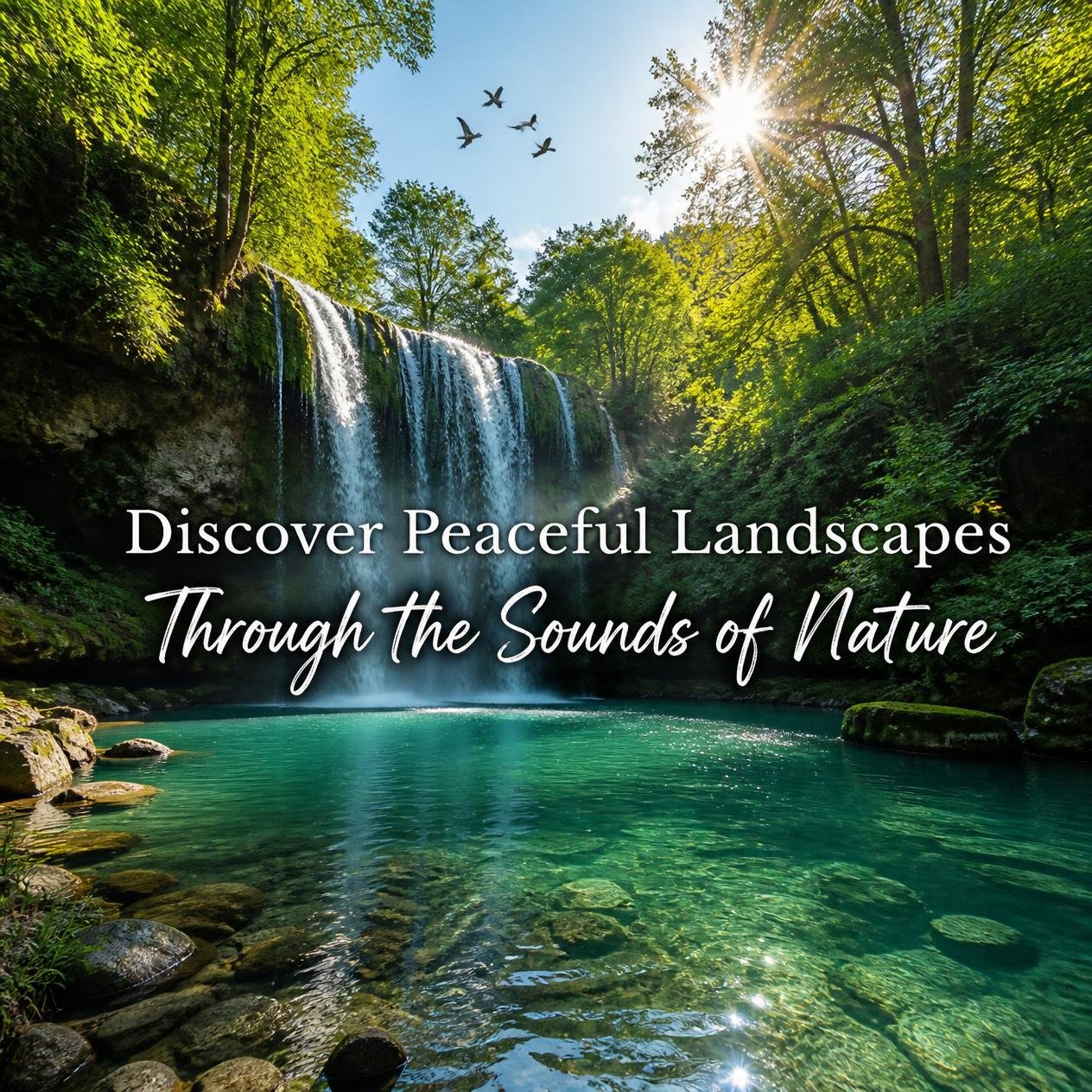
The main attraction may be a waterfall, but the experience extends far beyond the falling water itself. A forest waterfall may include birds calling from the trees, insects moving through vegetation, wind passing through branches, and a nearby stream continuing its journey downstream.
Mountain waterfalls can create a completely different atmosphere. The sound of water falling against rocks can echo between cliffs, while wind moves across open slopes. In tropical environments, waterfalls may be surrounded by dense vegetation filled with birds and other wildlife.
This type of travel encourages visitors to stop, sit, walk slowly, and pay attention to their surroundings.
Why Waterfalls Create Peaceful Soundscapes
Water has a natural rhythm that many people find relaxing. A waterfall produces continuous sound rather than short, unpredictable noises. This creates an atmosphere that can make a natural environment feel calm and immersive.
The sound also changes depending on the landscape.
A small woodland waterfall may sound soft and gentle. A powerful mountain waterfall can create a deep roar that fills an entire valley. A waterfall surrounded by caves or cliffs may produce echoes that make the experience feel completely different.
These variations make waterfall journeys interesting for travelers who want more than traditional sightseeing.
Instead of simply asking, “How does this waterfall look?” visitors can also ask, “What does this landscape sound like?”
Discovering Waterfalls in Forest Landscapes
Forested waterfalls are particularly suitable for soundscape journeys because they contain several natural sounds in one location.
Walking through a forest toward a waterfall can become part of the experience. Before the waterfall is visible, travelers may hear water moving between rocks. As they get closer, the sound becomes stronger.
One example is Plitvice Lakes National Park in Croatia, where waterfalls and flowing water connect a beautiful network of lakes and woodland landscapes. Walking paths allow visitors to experience different sections of the landscape while observing the movement of water through the forest.
Another memorable destination is the Columbia River Gorge in Oregon, USA. The region is known for its forested landscapes and numerous waterfalls, including Multnomah Falls. The combination of flowing water, tall trees, and mountain scenery creates a rich natural environment for slow exploration.
Waterfall Journeys in Mountain Regions
Mountain waterfalls offer a different kind of soundscape. Water often begins high in the mountains and travels through rocky valleys before reaching lower elevations.
The sound of falling water can become particularly powerful when surrounded by steep cliffs.
Norway is an excellent destination for this type of experience. Its dramatic mountains, deep fjords, and countless waterfalls create landscapes where water is an important part of the environment. Travelers exploring areas around Geirangerfjord can discover waterfalls descending from high mountain slopes toward the fjord.
Iceland also offers remarkable waterfall experiences. Places such as Skógafoss and Seljalandsfoss demonstrate how waterfalls can dominate an open landscape. The sound of water hitting the ground creates a powerful atmosphere, especially when combined with Iceland’s volcanic terrain and wide skies.
For travelers who enjoy dramatic scenery, mountain waterfalls provide an opportunity to experience nature through both sight and sound.
Listening to Water in Tropical Landscapes
Tropical waterfalls can create some of the most complex natural soundscapes.
Dense forests provide shelter for birds, insects, and other wildlife, while streams and waterfalls move continuously through the landscape. Humidity and vegetation can also make the environment feel completely different from mountain or woodland destinations.
Costa Rica is well known for its rainforest landscapes and waterfalls. Areas such as La Fortuna provide opportunities to experience flowing water surrounded by lush vegetation.
In Southeast Asia, destinations in Indonesia and Malaysia also offer impressive waterfall environments. Forest trails can lead travelers through dense vegetation toward hidden cascades where the sound of water becomes stronger as the trail continues.
These destinations demonstrate how a waterfall can become the central point of a much larger natural soundscape.
The Journey Matters as Much as the Waterfall
A waterfall soundscape journey does not need to begin when the waterfall comes into view.
The walking route itself is part of the experience.
A forest trail may gradually introduce new sounds. Birds can become easier to hear when visitors slow their pace. Leaves may rustle in the wind. A small stream may appear beside the trail. Eventually, the sound of the main waterfall becomes noticeable.
This gradual change makes the journey more immersive.
Instead of rushing toward a viewpoint, travelers can take time to notice how the sound of the environment changes as they move through it.
For this reason, hiking trails leading to waterfalls can be especially rewarding.
Peaceful Waterfall Escapes in Japan
Japan has many landscapes where waterfalls are connected with forests, mountains, and traditional nature experiences.
The country has hundreds of waterfalls, ranging from small forest cascades to dramatic mountain falls. The Kumano region, for example, offers forested landscapes, streams, shrines, and walking routes that encourage a slower style of travel.
Nachi Falls in Wakayama is one of Japan’s most famous waterfalls. Its tall stream of water descends through a lush mountainous environment, creating a powerful visual and natural experience.
Away from busy urban areas, waterfall destinations in Japan can provide travelers with a quieter way to experience the country’s natural landscapes.
Exploring Waterfall Landscapes in the UK
Travelers do not always need to visit another continent for a waterfall soundscape experience.
The UK has many beautiful waterfall areas, particularly in Wales, Scotland, and northern England.
The Brecon Beacons and Snowdonia regions of Wales contain rivers, streams, valleys, and waterfalls surrounded by rugged scenery. Waterfall Country near the village of Ystradfellte is particularly suited to travelers who enjoy walking through woodland and listening to flowing water.
Scotland also provides many opportunities to experience waterfalls in remote landscapes. Highland rivers and mountain streams create natural soundscapes where the absence of heavy urban noise makes flowing water easier to appreciate.
These destinations show that peaceful nature journeys can be found close to home.
How to Experience a Waterfall Soundscape
The best way to experience a waterfall soundscape is to slow down.
Instead of arriving, taking a photograph, and immediately leaving, find a safe place where you can comfortably observe the environment.
Listen for different layers of sound.
First, notice the waterfall itself. Is it a soft stream or a powerful roar?
Then listen to the water around it. Are there smaller streams running over stones? Can you hear water moving through the forest?
Next, pay attention to the surrounding environment. Birds, wind, insects, leaves, and distant natural sounds can all become part of the experience.
Even silence is important. When visitors stop talking and allow the environment to take over, small sounds that might normally be ignored become much easier to notice.
Photography and Sound Recording
Waterfall soundscape journeys can also be combined with photography and responsible nature recording.
A camera can capture the visual character of a waterfall, while a simple audio recording can preserve the atmosphere of the location.
However, travelers should avoid disturbing wildlife or other visitors while recording. Natural experiences are more valuable when they remain respectful of the environment.
The goal should not be to create noise or artificial experiences but to document the natural character of the landscape.
Responsible Waterfall Travel
Waterfall destinations can be fragile environments. Popular locations may experience pressure from large numbers of visitors, especially during peak seasons.
Travelers can help protect these places by staying on marked trails, avoiding litter, respecting wildlife, and following local safety guidance.
Waterfalls can also be dangerous. Rocks near falling water are often slippery, and strong currents can create serious risks. Visitors should avoid climbing restricted areas or entering unsafe water simply for a better photograph.
Responsible travel allows future visitors to enjoy the same landscapes and soundscapes.
Choosing the Right Waterfall Journey
Different travelers may prefer different types of waterfall experiences.
Forest waterfalls are ideal for people who enjoy shaded walking trails and quiet surroundings. Mountain waterfalls suit travelers who want dramatic scenery and longer hikes. Tropical waterfalls can provide rich combinations of water, wildlife, and vegetation.
Remote waterfalls are often attractive to people searching for solitude, while accessible waterfalls may be better for relaxed day trips.
The important thing is to choose a destination that matches your preferred pace and outdoor experience.
A Different Way to Experience Nature
Waterfall soundscape journeys offer a different approach to travel. They remind us that nature is not only something to photograph. It is something to hear, feel, and experience.
The sound of water can lead travelers deeper into a landscape. A short walk can become an opportunity to observe birds and trees. A mountain waterfall can reveal the connection between snow, rain, rivers, and valleys. A forest cascade can create a peaceful place to stop and simply listen.
In a world filled with traffic, screens, notifications, and constant background noise, natural soundscapes can provide a welcome change of pace.
Whether you are walking toward a waterfall in Wales, listening to water in a Japanese forest, exploring the fjords of Norway, or standing beneath a powerful Icelandic cascade, the experience can become much more meaningful when you take time to listen.
Waterfall soundscape journeys are ultimately about slowing down and discovering the peaceful side of adventure. They combine walking, exploration, scenery, and natural sound into one immersive travel experience.
For travelers who want to escape busy routines and experience landscapes at a slower pace, following the sound of falling water may lead to some of the most memorable journeys in nature.