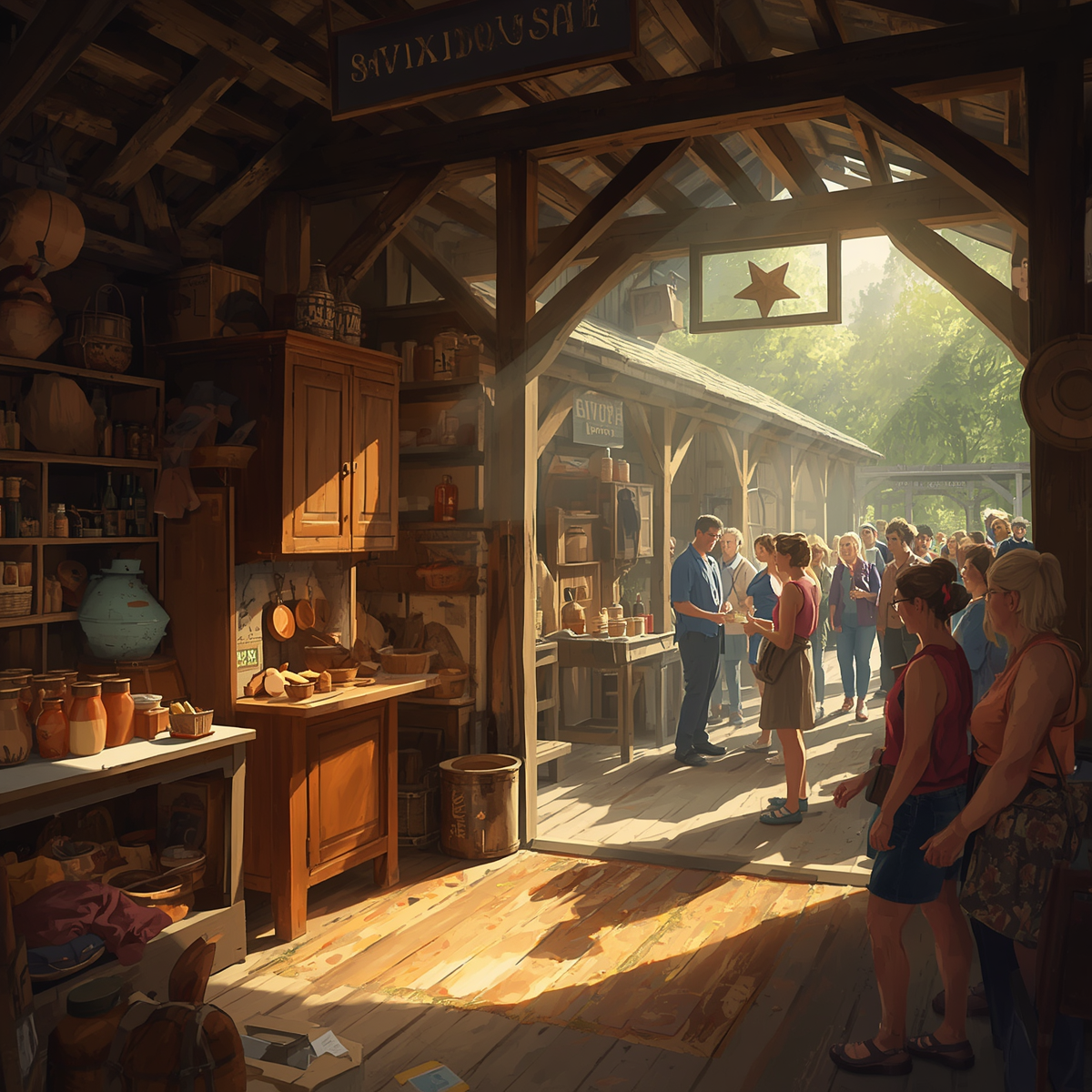
Food is an important part of cultural heritage. Traditional cooking methods, local ingredients and family recipes help communities preserve their identity and pass valuable knowledge from one generation to another. Among these traditions, smokehouse food preparation has a special place. For centuries, people have used smoke to preserve meat, fish and other foods while developing distinctive flavours that remain popular today.
Traditional smokehouse heritage tours offer travellers an opportunity to explore these historic food traditions and discover the craftsmanship behind traditional food preservation. These experiences connect visitors with local producers, historic buildings, regional recipes and the people who continue to protect traditional cooking methods.
For travellers interested in food culture, rural history and authentic local experiences, a smokehouse heritage tour can be a rewarding way to understand how traditional communities prepared, preserved and enjoyed their food.
The History of Traditional Smokehouses
Smokehouses have been used for generations in different parts of the world. Before modern refrigeration became widely available, communities needed reliable ways to keep food fresh for longer periods. Smoking became an important preservation method because it helped reduce moisture, added flavour and supported longer food storage when combined with suitable curing and handling techniques.
Traditional smokehouses were often simple buildings or specially designed rooms where meat and fish could be exposed to controlled smoke. Their construction varied according to local materials, climate and the type of food being prepared.
In fishing communities, smoking was particularly useful for preserving catches that could not be consumed immediately. Inland communities also used smoking to preserve pork, beef, poultry and other foods.
Over time, these practical techniques developed into distinctive regional food traditions. Different woods, preparation methods and smoking periods created flavours associated with particular places.
Today, historic smokehouses offer a fascinating insight into everyday life before modern food storage systems. They also demonstrate how local knowledge and practical craftsmanship helped communities make the most of available resources.
Discover Traditional Food Preservation Techniques
One of the most interesting parts of a smokehouse heritage tour is learning how traditional food preservation worked.
Smoking generally involves exposing prepared food to smoke produced by burning or smouldering suitable wood. Traditional producers carefully manage the temperature, airflow and duration of the process according to the product being made.
There are two widely recognised approaches:
Cold smoking: This method exposes food to smoke at relatively low temperatures. It is traditionally used to develop flavour and preserve certain products when combined with appropriate curing, preparation and storage methods.
Hot smoking: This approach uses higher temperatures, allowing food to cook while absorbing smoke flavour. It is commonly associated with products such as smoked fish and meat.
Visitors can learn how these techniques developed and why different regions adopted particular methods. Demonstrations may also explain the importance of preparation, salting, drying, wood selection and temperature control.
Traditional methods should not be confused with guaranteed food safety. Proper curing, cooking, handling and storage remain essential, and historic techniques must be adapted to modern food safety standards where necessary.
Discover the Craftsmanship Behind Smokehouse Buildings
Traditional smokehouses are interesting examples of practical rural architecture. Their design reflects the knowledge of builders and food producers who understood the importance of managing heat, smoke and ventilation.
Some historic smokehouses were built from stone or brick, while others used timber and locally available materials. Their layouts often included dedicated spaces for preparing food, hanging products and directing smoke through the building.
The design depended on the type of food being processed and the smoking technique used. A smokehouse intended for fish might have a different arrangement from one used for larger meat products.
During a heritage tour, visitors may have the opportunity to explore preserved buildings, observe traditional equipment and learn how smoke moved through the structure.
Old hooks, racks, chimneys, fireboxes and preparation tools can reveal how much skill was involved in producing traditional smoked food. These objects also demonstrate how local craftsmanship supported important food industries.
Explore Regional Smoked Food Traditions
Smokehouse traditions vary considerably from one region to another. Local ingredients, available wood, climate and cultural preferences have all influenced the way smoked foods developed.
Coastal communities often have strong traditions of smoking fish. In some areas, herring, salmon, mackerel and other locally available species became important parts of regional food culture.
In rural farming communities, smoked meat and cured products helped households preserve food after livestock processing. These traditions often developed alongside local farming practices, seasonal celebrations and family gatherings.
Different woods can also contribute distinctive aromas and flavours. Traditional producers may use selected hardwoods depending on the product and local practice.
A smokehouse heritage tour can introduce visitors to these regional differences. Instead of simply tasting a finished product, travellers can understand the history, ingredients and techniques that make it distinctive.
This makes food tourism more meaningful because every dish becomes part of a wider cultural story.
Meet Local Producers and Traditional Food Craftspeople
Local producers are at the heart of smokehouse heritage experiences. Their knowledge often comes from years of practical experience, family traditions and techniques passed down through generations.
Meeting these craftspeople gives visitors an opportunity to understand the work involved in producing traditional smoked food. They may explain how ingredients are selected, how products are prepared and why certain techniques remain important.
Some tours include demonstrations where visitors can observe the preparation process. Others may offer opportunities to speak with producers, explore working facilities or learn about the history of a family business.
These conversations can reveal details that are difficult to discover through books or exhibitions. A producer may explain how a particular recipe developed, how the business changed over time or how traditional methods have been adapted to modern production.
Supporting local producers also helps maintain regional food knowledge and contributes to the economic life of rural communities.
Food Tastings and Traditional Local Recipes
Food tasting can be one of the most enjoyable parts of a smokehouse heritage tour. It allows visitors to experience the flavours associated with traditional preservation methods.
Depending on the destination and producer, tastings may include smoked fish, cured meat, locally baked bread, regional cheeses, pickled vegetables or traditional sauces.
These foods are often connected to local recipes and established eating habits. Some products may be served as part of a simple meal, while others are presented alongside information about their ingredients and preparation.
Visitors can also discover how smoked ingredients are used in traditional cooking. Smoked fish may be included in soups, salads or breakfast dishes, while smoked meat can be used in sandwiches, stews and regional specialities.
Food tastings provide a chance to appreciate the balance between smoke flavour, seasoning and the natural character of the ingredients.
Travellers should check tasting arrangements in advance, particularly if they have dietary requirements or food allergies.
The Connection Between Smokehouses and Rural Heritage
Smokehouses were not simply places for preparing food. They were often connected to wider rural industries and community traditions.
In farming areas, food preservation helped households manage seasonal production and reduce waste. In fishing settlements, smoking provided a way to process catches and prepare products for sale or transport.
These activities supported local economies and created relationships between farmers, fishers, food producers and traders.
Traditional smokehouses can therefore help visitors understand how rural communities organised their work and used natural resources. Their history is connected to agriculture, fishing, trade and everyday household life.
Many heritage destinations preserve these stories through museums, historic farm visits, food festivals and guided countryside tours.
Exploring these wider connections makes a smokehouse visit more than a food experience. It becomes an opportunity to understand the development of local communities and the traditions that shaped their identity.
Planning a Traditional Smokehouse Heritage Tour
A little preparation can help travellers enjoy a smokehouse heritage experience.
Start by researching destinations known for traditional food production. Look for historic smokehouses, rural food museums, coastal fish-smoking businesses and producers offering guided visits.
Check whether tours are available throughout the year. Some producers operate mainly during particular seasons, while others offer scheduled visits or private group experiences.
It is also useful to find out what the experience includes. A tour might focus on the history of a building, a demonstration of smoking techniques, a tasting session or a wider visit to local food producers.
Consider combining the tour with nearby attractions. Historic villages, fishing harbours, traditional farms and local markets can provide additional insight into the region’s food culture.
If travelling by public transport, check the location carefully because some traditional smokehouses are situated in rural areas with limited connections. Booking in advance is recommended where visitor numbers are restricted.
Responsible Food Tourism and Supporting Local Traditions
Responsible food tourism helps protect traditional craftsmanship while supporting the communities that maintain it.
Choosing locally owned businesses allows more tourism spending to remain within the destination. Buying regional products directly from producers can also help sustain small-scale food businesses.
Visitors should respect working environments and follow any hygiene or safety instructions provided during demonstrations. Smokehouses may contain hot equipment, food preparation areas and restricted spaces.
It is equally important to recognise the environmental considerations involved in traditional smoking. Responsible producers can make informed choices about wood sourcing, energy use, waste management and ingredient supplies.
Travellers can support these efforts by choosing businesses that explain their production methods and demonstrate care for local resources.
Preserving food heritage does not mean refusing all modern improvements. Traditional craftsmanship can continue alongside appropriate hygiene standards, responsible sourcing and improved production practices.
Why Smokehouse Heritage Tours Are Worth Experiencing
Traditional smokehouse heritage tours bring together food, history, architecture and local craftsmanship in one experience.
They appeal to travellers who enjoy discovering how everyday traditions developed and why certain foods remain important to regional identity. Visitors can learn about historic preservation techniques, explore traditional buildings and meet the people who continue to produce distinctive local foods.
These tours can also offer something different from conventional sightseeing. Rather than simply visiting a famous attraction, travellers gain a closer connection with the working culture of a destination.
For families, food enthusiasts, cultural travellers and anyone interested in rural heritage, a smokehouse visit can provide an enjoyable and educational experience.
Conclusion
Traditional smokehouse heritage tours offer a valuable opportunity to explore historic food traditions and local craftsmanship. From the design of old smokehouse buildings to the techniques used to preserve fish and meat, every part of the experience reveals something about the history of local communities.
Meeting traditional producers, discovering regional recipes and tasting locally prepared foods helps visitors appreciate the knowledge behind these long-standing practices.
As food tourism continues to develop, preserving traditional smokehouse methods can help protect cultural identity and support small local businesses. For travellers seeking authentic experiences, these heritage tours provide a memorable connection with the food, people and traditions that make each destination unique.