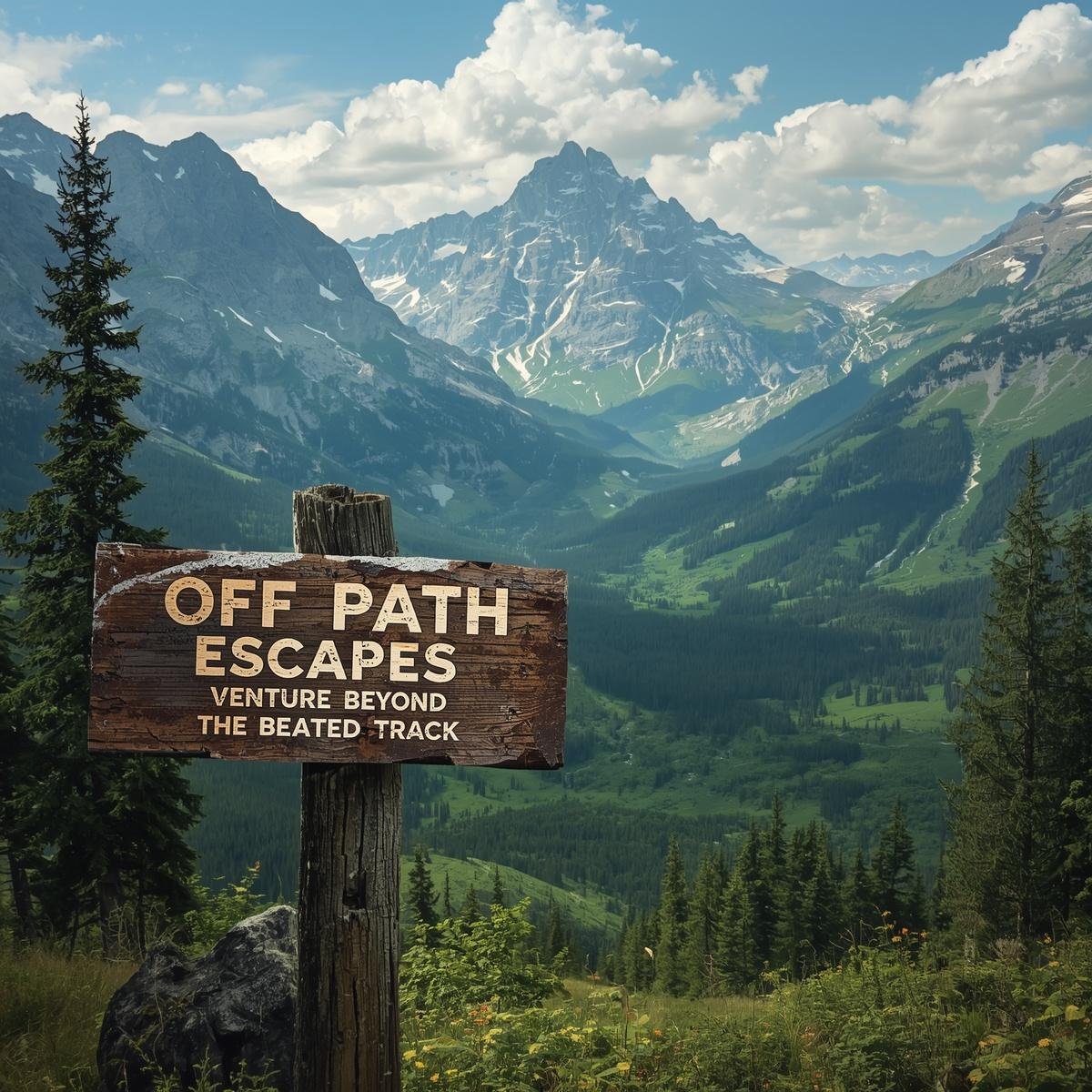
In an age where popular destinations are often crowded with tourists, many travelers are seeking something different. They want experiences that feel authentic, adventurous, and deeply connected to nature. Rather than following heavily traveled routes and predictable itineraries, these explorers are drawn to places where the journey is uncertain, the landscapes are untouched, and the rewards are found in discovery itself. Off-Path Wilderness Escapes answer this desire by offering opportunities to venture beyond the beaten track and experience the natural world in its rawest and most inspiring form.
These wilderness adventures are designed for travelers who value exploration over convenience and discovery over familiarity. They lead into remote valleys, hidden forests, rugged mountain terrain, and pristine landscapes that remain largely untouched by mass tourism. Every trail, campsite, and viewpoint becomes part of a unique story that unfolds far from crowded attractions and commercialized experiences.
For those willing to leave the well-worn path behind, wilderness escapes provide unforgettable encounters with nature, adventure, and personal growth.
The Growing Appeal of Remote Travel
Modern travel has made many destinations more accessible than ever before. While this convenience has its benefits, it has also led to overcrowding in some of the world’s most famous locations.
As a result, travelers increasingly seek experiences that offer:
- Greater solitude
- Authentic exploration
- Natural beauty
- Personal challenge
- Meaningful connections with the environment
Off-path wilderness travel provides exactly these opportunities by guiding adventurers toward places that remain largely undiscovered.
The appeal lies not only in reaching remote destinations but also in experiencing the journey required to get there.
Escaping the Crowds
One of the primary attractions of wilderness escapes is the opportunity to leave crowded tourist areas behind.
Popular destinations often involve:
- Long queues
- Busy viewpoints
- Commercialized attractions
- Limited privacy
Remote wilderness routes offer a completely different experience.
Travelers can spend hours or even days immersed in nature without encountering large groups of people. This solitude creates space for reflection, observation, and a deeper appreciation of the surrounding environment.
Many adventurers find that these quiet moments become the most memorable parts of their journey.
Discovering Hidden Landscapes
Some of the world’s most remarkable scenery exists far beyond established tourist routes.
Off-path adventures may reveal:
- Secret valleys
- Remote mountain ridges
- Hidden waterfalls
- Untouched forests
- Alpine lakes
- Isolated wilderness regions
These locations often remain absent from guidebooks and travel itineraries, making the experience feel genuinely unique.
The excitement of discovering a place that few people have seen adds a powerful sense of adventure to every expedition.
The Spirit of Exploration
At the heart of every wilderness escape is the spirit of exploration.
Exploration encourages travelers to:
- Embrace uncertainty
- Follow curiosity
- Adapt to changing conditions
- Appreciate unexpected discoveries
Unlike highly structured vacations, off-path journeys often involve moments of spontaneity and surprise.
A hidden viewpoint, an unexpected wildlife encounter, or a scenic trail that leads to a breathtaking landscape can transform an ordinary day into an extraordinary memory.
This sense of discovery is one of the defining characteristics of wilderness travel.
Reconnecting With Nature
Modern lifestyles often involve constant connectivity, busy schedules, and digital distractions.
Wilderness escapes provide an opportunity to step away from these pressures and reconnect with the natural world.
Time spent in remote environments allows travelers to focus on:
- Natural sounds
- Fresh air
- Physical movement
- Scenic landscapes
- Present-moment awareness
Research consistently shows that spending time in nature can reduce stress, improve mental well-being, and increase overall life satisfaction.
The simplicity of wilderness living often provides a welcome contrast to the complexity of everyday life.
Adventure Beyond Comfort Zones
Off-path travel frequently involves stepping outside familiar routines.
Adventurers may encounter:
- Challenging terrain
- Variable weather conditions
- Long hiking days
- Remote campsites
- Limited amenities
While these factors require preparation, they also contribute to the sense of achievement that wilderness travel provides.
Overcoming challenges in natural environments often builds confidence, resilience, and self-reliance.
Many travelers discover strengths they never knew they possessed.
The Beauty of Untouched Wilderness
Remote landscapes possess a unique beauty that differs from heavily visited destinations.
Untouched wilderness areas often feature:
- Pristine ecosystems
- Diverse wildlife
- Dramatic geological formations
- Ancient forests
- Clear rivers and lakes
These environments showcase nature at its most authentic.
Without extensive development or large numbers of visitors, the landscape retains its original character and ecological integrity.
Experiencing such places can inspire a deeper appreciation for conservation and environmental stewardship.
Wildlife Encounters in Natural Habitats
One of the most exciting aspects of wilderness exploration is the possibility of observing wildlife in its natural environment.
Depending on the destination, travelers may encounter:
- Deer
- Mountain goats
- Birds of prey
- Foxes
- Wild sheep
- Native plant species
Unlike zoo or park experiences, wildlife encounters in the wilderness are unpredictable and genuine.
These moments often become highlights of an expedition and create lasting memories.
The Importance of Slow Travel
Off-path wilderness escapes naturally encourage a slower pace of travel.
Instead of rushing between attractions, travelers spend time:
- Walking through landscapes
- Observing natural details
- Engaging with local environments
- Appreciating the journey itself
This slower approach allows for deeper experiences and greater connection with each destination.
Rather than simply checking locations off a list, travelers develop a meaningful understanding of the places they visit.
Building Stronger Connections
Wilderness adventures often strengthen connections between travelers.
Shared experiences such as:
- Navigating trails
- Reaching viewpoints
- Camping under the stars
- Overcoming challenges
create bonds that are difficult to replicate in more conventional travel settings.
The collaborative nature of outdoor exploration fosters teamwork, communication, and lasting friendships.
These human connections often become as valuable as the landscapes themselves.
Sustainable Wilderness Travel
Responsible travel is essential when exploring remote natural environments.
Sustainable wilderness practices include:
- Staying on designated trails
- Respecting wildlife
- Minimizing waste
- Using eco-friendly equipment
- Supporting local communities
Protecting wilderness areas ensures they remain available for future generations of explorers.
Responsible adventurers recognize that preserving nature is part of the journey.
Why Off-Path Adventures Are More Rewarding
Many travelers find that the effort required to reach remote destinations enhances the overall experience.
When spectacular views, hidden lakes, or pristine wilderness areas must be earned through exploration, they often feel more meaningful.
The rewards of off-path travel include:
- Greater personal satisfaction
- Unique experiences
- Stronger memories
- Authentic discoveries
- Increased appreciation for nature
The challenges encountered along the way contribute to the value of the destination itself.
Preparing for Wilderness Escapes
Successful wilderness adventures require thoughtful preparation.
Important considerations include:
- Physical fitness
- Appropriate gear
- Navigation skills
- Weather awareness
- Emergency planning
Preparation enhances safety and allows travelers to fully enjoy the experience.
Being ready for the unexpected is an important part of wilderness exploration.
The Future of Adventure Travel
As more travelers seek authentic and meaningful experiences, demand for off-path wilderness escapes continues to grow.
Future travel trends increasingly emphasize:
- Nature-based tourism
- Sustainable exploration
- Personal transformation
- Remote destinations
- Experiential travel
These trends suggest that wilderness adventures will remain an important part of the travel landscape for years to come.
The desire to explore beyond the familiar is deeply rooted in human nature.
Conclusion
Off-Path Wilderness Escapes offer a powerful alternative to conventional travel by inviting adventurers to venture beyond the beaten track and discover the world in its most authentic form. Through remote landscapes, hidden trails, pristine ecosystems, and meaningful encounters with nature, these journeys provide experiences that go far beyond ordinary tourism.
Whether traversing rugged mountain terrain, exploring untouched forests, or discovering secluded valleys far from the crowds, travelers gain more than scenic views. They develop confidence, perspective, resilience, and a deeper appreciation for the natural world.
For those who crave adventure, solitude, and genuine exploration, off-path wilderness escapes provide an opportunity to leave the familiar behind and uncover extraordinary experiences waiting just beyond the next trail.