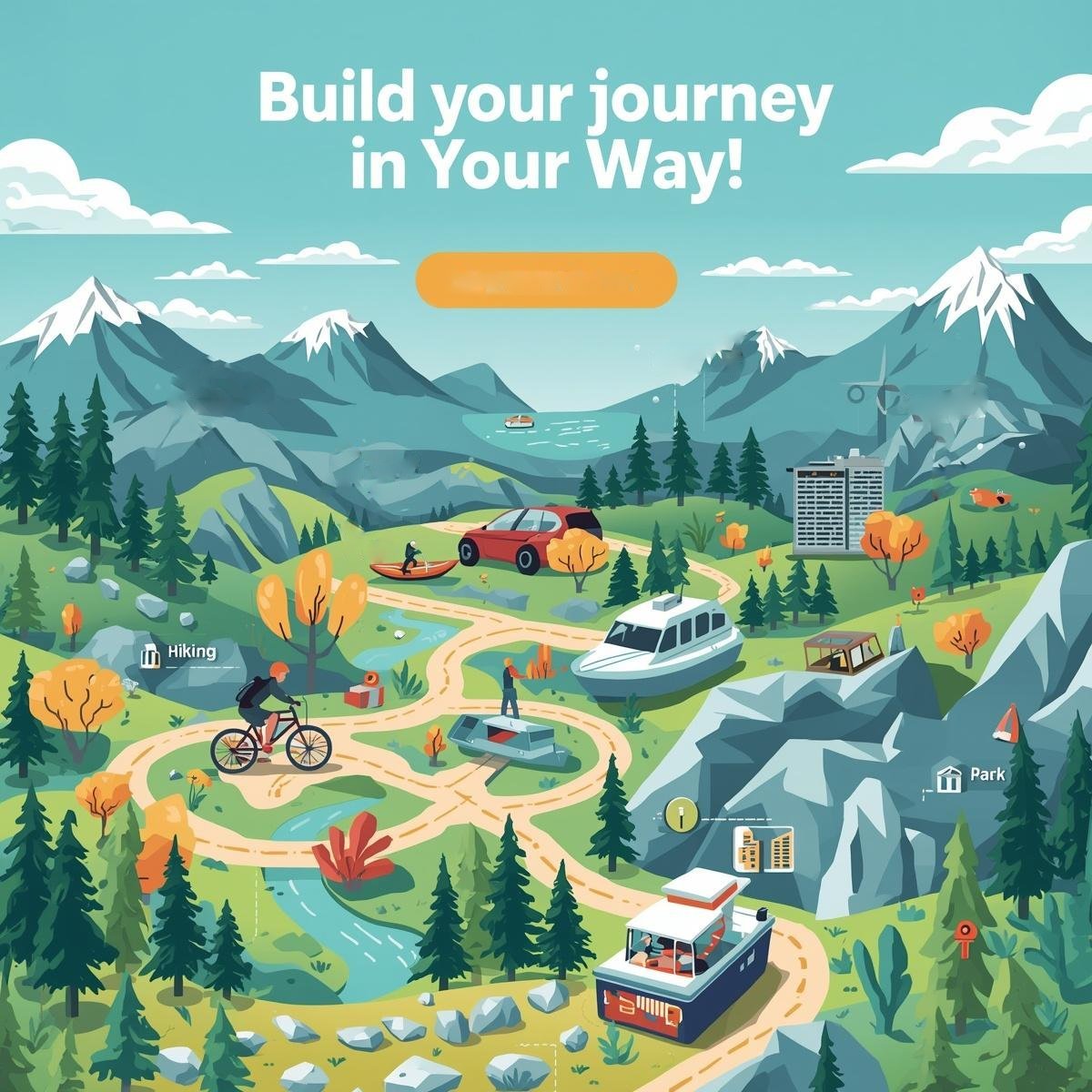
Modern travelers don’t want rigid itineraries anymore. They want freedom, flexibility, and control over their experiences. That’s where modular adventure travel comes in—a smarter way to explore where you build your journey piece by piece, exactly how you want it.
Instead of choosing a fixed package, you design your trip like a system of modules—each part tailored to your style, pace, and goals.
What Is Modular Adventure Travel?
Modular adventure travel is a customizable travel approach where your trip is divided into flexible components (modules).
Each module represents a part of your journey, such as:
- Destination
- Activity
- Duration
- Accommodation
- Transport
You can mix and match these modules to create a fully personalized adventure.
Why Modular Travel Is Growing
1. Personal Freedom
You’re not locked into fixed schedules or routes.
2. Flexibility
Change plans based on your mood, time, or weather.
3. Custom Experiences
Design a journey that fits your interests and energy level.
4. Better Value
Pay only for what you need—no unnecessary extras.
How Modular Travel Works
Think of your trip like building blocks.
Step 1: Choose Your Destination
Start with where you want to go. For example:
- Hunza Valley for scenic relaxation
- Patagonia for raw adventure
- Annapurna Circuit for cultural trekking
Step 2: Select Activities
Pick what you want to do:
- Trekking
- Camping
- Cultural exploration
- Photography tours
Step 3: Set Duration
Decide how long each part of your journey should last:
- Short (2–3 days)
- Medium (5–7 days)
- Extended (10+ days)
Step 4: Choose Accommodation Style
Options include:
- Budget stays
- Mid-range hotels
- Luxury lodges
- Camping setups
Step 5: Add Support Services
Enhance your journey with:
- Guides
- Transport
- Equipment rental
- Meal plans
Example of a Modular Adventure Journey
Imagine this:
- Start in Skardu
- Add a 3-day easy trek
- Include a cultural village visit
- Upgrade to premium accommodation
- Add a guided photography tour
👉 Result: A completely personalized experience built your way.
Types of Modular Adventure Options
Flexible Trekking Modules
Choose difficulty, route, and duration.
Multi-Destination Journeys
Combine multiple locations in one trip.
Activity-Based Modules
Focus on specific experiences like hiking or camping.
Luxury Add-Ons
Upgrade comfort with premium services.
Benefits of Modular Travel
- Full Control: You design your journey
- Adaptability: Change plans easily
- Personalization: Travel your way
- Efficiency: Avoid unnecessary costs
- Unique Experiences: No two trips are the same
Challenges to Consider
- Requires some decision-making
- Can feel complex without guidance
- Needs careful planning for smooth flow
However, many travel companies now simplify this process.
Tips for Building Your Perfect Adventure
1. Start With a Clear Goal
Know what you want—relaxation, challenge, or exploration.
2. Balance Activities
Avoid overloading your schedule.
3. Plan Smart Connections
Ensure smooth transitions between modules.
4. Use Expert Help
Travel services can help organize your modules efficiently.
The Future of Travel Is Modular
Travel is shifting toward flexibility and personalization. Modular travel is at the center of this change.
Future trends include:
- AI-based trip customization
- Real-time itinerary adjustments
- App-based travel planning
- Hybrid travel experiences
This approach gives travelers more control than ever before.
Who Should Choose Modular Travel?
Modular adventure travel is ideal for:
- Independent travelers
- Adventure seekers
- Couples and small groups
- Travelers with specific goals
It’s perfect for anyone who wants freedom without losing structure.
Conclusion
Modular adventure travel is redefining how people explore the world. It gives you the power to design a journey that fits your exact needs, preferences, and pace.
Whether you’re exploring Hunza Valley, trekking through Annapurna Circuit, or venturing into Patagonia, this flexible approach ensures your adventure is truly your own.
👉 Final thought:
Travel is better when it’s built around you—not the other way around.