Nature creates some of the most extraordinary landscapes through natural processes that take place over thousands and even millions of years. Limestone pavements are among the most fascinating geological features, offering visitors an opportunity to explore unusual rock formations, deep cracks, hidden pathways and beautiful natural surroundings. Limestone pavement exploration holidays provide a wonderful experience for travellers who enjoy outdoor adventures, geological discoveries and scenic walking routes.
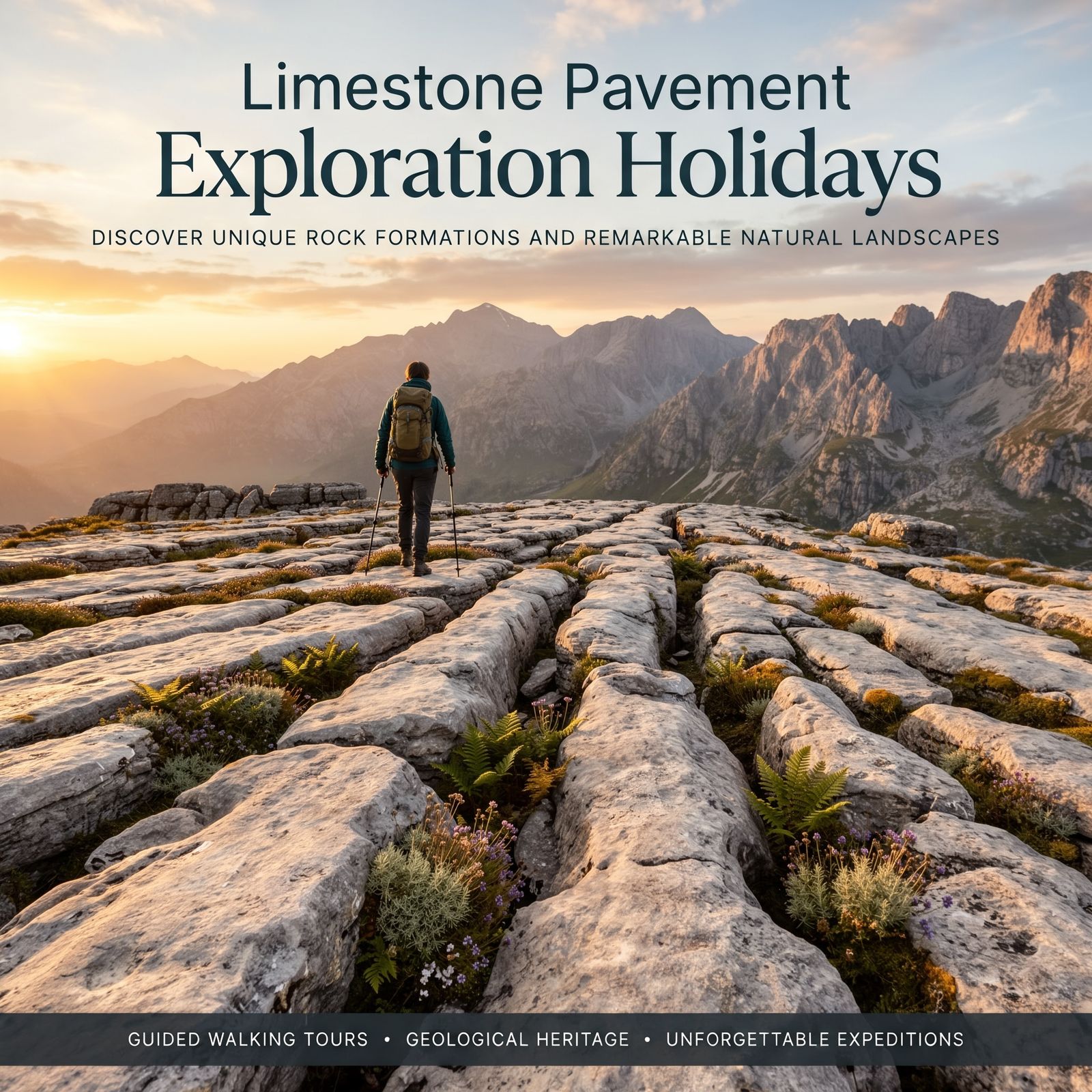
These remarkable landscapes are formed when limestone rocks are gradually shaped by rainwater and natural erosion. Over time, the surface develops large blocks of exposed stone separated by deep gaps known as grikes. The raised sections between these gaps are called clints, creating a distinctive pavement-like appearance.
From peaceful countryside walks to dramatic rocky viewpoints, limestone landscapes offer plenty of opportunities for exploration. Visitors can discover unusual plants, observe local wildlife, photograph interesting geological features and learn about the natural history of different destinations.
Whether you enjoy gentle walking holidays or more adventurous outdoor experiences, exploring limestone pavements can introduce you to some of the world’s most remarkable natural environments.
What Are Limestone Pavements?
Limestone pavements are natural rock formations created through the gradual weathering and erosion of limestone. They commonly develop in areas where glaciers have removed the soil and exposed the underlying limestone bedrock.
Rainwater contains small amounts of carbon dioxide, making it slightly acidic. Over long periods, this water gradually dissolves the limestone, creating deep channels and cracks across the exposed rock surface.
The result is a distinctive landscape made up of large, uneven stone blocks separated by narrow gaps. These formations are particularly interesting because they support small habitats for plants and wildlife.
Limestone pavements can be found in several parts of the world, especially in regions with extensive limestone geology. Their unusual appearance makes them popular destinations for nature enthusiasts, photographers, walkers and geology lovers.
Why Choose Limestone Pavement Exploration Holidays?
Limestone pavement holidays offer a different type of outdoor experience. Instead of visiting traditional tourist attractions, travellers can explore fascinating geological landscapes and discover how natural processes shape the environment.
One of the biggest attractions is the unusual appearance of the rocks. The combination of large limestone blocks, narrow channels and weathered surfaces creates landscapes that look almost like natural stone flooring.
These locations also provide excellent walking opportunities. Many limestone pavement destinations are surrounded by countryside, hills, woodland and scenic viewpoints.
Another advantage is the opportunity to learn about geology and natural history. Visitors can understand how weathering, erosion and glacial activity have shaped the landscapes they explore.
For travellers interested in photography, limestone pavements offer plenty of creative possibilities. Interesting rock patterns, natural textures, wildflowers and changing light conditions make these destinations particularly attractive.
Top Destinations to Explore Limestone Pavements
Several destinations around the world are known for their impressive limestone landscapes. Here are some wonderful places to consider for your next geological exploration holiday.
1. Malham Cove, England
<AsyncImage query=”Malham Cove limestone pavement Yorkshire Dales England aerial landscape” aspectRatio=”16:9″ width=”100%”/>
Malham Cove is one of the most famous limestone landscapes in the United Kingdom. Located in the Yorkshire Dales National Park, this impressive natural formation features a dramatic curved limestone cliff and a remarkable pavement at its summit.
Visitors can follow scenic walking routes to reach the upper limestone pavement, where large blocks of exposed rock create an extraordinary landscape.
The surrounding countryside also offers beautiful views, wildlife habitats and opportunities for photography. Malham Cove is an excellent destination for travellers interested in geology and outdoor exploration.
2. Burren, Ireland
<AsyncImage query=”The Burren County Clare Ireland limestone karst pavement landscape” aspectRatio=”16:9″ width=”100%”/>
The Burren in County Clare is one of Ireland’s most distinctive natural landscapes. Its extensive limestone formations create a unique environment where rocky pavements, underground drainage systems and unusual plant habitats can be found.
The region is particularly interesting because of its combination of geological features and biodiversity.
During spring and summer, visitors can discover colourful wildflowers growing between limestone cracks. Walking routes across the region also provide opportunities to explore traditional villages and beautiful countryside.
3. Yorkshire Dales, England
<AsyncImage query=”Yorkshire Dales limestone pavement limestone karst countryside England” aspectRatio=”16:9″ width=”100%”/>
The Yorkshire Dales is a wonderful destination for limestone pavement exploration. Its landscape contains impressive limestone formations, underground caves, dry valleys and beautiful walking routes.
Areas around Ingleborough and Malham are particularly interesting for visitors who enjoy geological discoveries.
The region also offers traditional villages, green valleys and peaceful countryside, making it suitable for longer nature-focused holidays.
4. Picos de Europa, Spain
<AsyncImage query=”Picos de Europa Spain limestone karst mountains dramatic rocky landscape” aspectRatio=”16:9″ width=”100%”/>
Picos de Europa is famous for its dramatic limestone mountains, deep valleys and impressive karst formations.
The national park offers numerous walking routes through rocky landscapes and mountain scenery. Travellers can discover unusual geological features while enjoying beautiful views across the surrounding countryside.
It is an excellent destination for experienced hikers and outdoor enthusiasts looking for more challenging exploration experiences.
5. Dinaric Alps, Slovenia and Croatia
<AsyncImage query=”Dinaric Alps Slovenia Croatia limestone karst rocky landscape” aspectRatio=”16:9″ width=”100%”/>
The Dinaric Alps are well known for their extensive limestone geology and remarkable karst landscapes.
This mountain region includes caves, sinkholes, rocky plateaus and underground water systems. Its geological features make it particularly attractive to travellers interested in natural history and landscape exploration.
Visitors can combine walking adventures with visits to protected natural areas and traditional mountain communities.
Fascinating Geological Features to Discover
Limestone pavement destinations contain several interesting natural features that make exploration enjoyable and educational.
Clints and Grikes: These are the most recognisable features of limestone pavements. Clints are the large blocks of exposed limestone, while grikes are the narrow gaps separating them.
Limestone Caves: Water gradually dissolves limestone beneath the ground, sometimes creating impressive underground caves and chambers.
Sinkholes: These natural depressions develop when underground spaces collapse or when limestone dissolves beneath the surface.
Dry Valleys: Some limestone regions contain valleys that appear dry because water flows through underground drainage systems instead of remaining on the surface.
Karst Landscapes: These are areas shaped by the dissolution of soluble rocks such as limestone, producing distinctive geological formations.
Exploring these features helps visitors understand the relationship between water, rock and natural landscape development.
Wildlife and Plant Life Around Limestone Pavements
Although limestone pavements may appear rocky and exposed, they can support a surprising variety of plants and wildlife.
The narrow gaps between limestone blocks create sheltered microhabitats where different plants can grow. Depending on the destination, visitors may discover mosses, ferns, wildflowers and small shrubs.
The Burren in Ireland is particularly famous for its unusual plant diversity, including species associated with different climatic environments.
Limestone landscapes can also provide habitats for insects, butterflies, birds and small animals.
Wildlife observation adds another interesting element to exploration holidays. Travellers can enjoy discovering how living organisms adapt to challenging environments where soil and water availability may be limited.
Best Activities During Limestone Pavement Exploration Holidays
Limestone destinations offer a variety of activities for different types of travellers.
Scenic Walking: Walking is one of the best ways to explore limestone landscapes. Established paths allow visitors to discover interesting rock formations and enjoy surrounding countryside views.
Geological Photography: The unusual patterns, textures and shapes of limestone pavements provide excellent photography opportunities.
Nature Observation: Travellers can look for wildflowers, insects and birds that inhabit these distinctive environments.
Cave Exploration: Some limestone destinations offer guided cave tours where visitors can discover underground geological formations.
Educational Nature Tours: Local guides can explain the history of limestone landscapes and the natural processes responsible for their formation.
Countryside Exploration: Many limestone regions are surrounded by traditional villages, scenic valleys and attractive rural landscapes.
Best Time to Enjoy Limestone Exploration Holidays
The best time to visit limestone destinations depends on the location and the type of activities you want to enjoy.
Spring is an excellent season for exploring limestone landscapes. Many destinations become greener, and wildflowers begin appearing in suitable habitats.
Summer is popular for longer walking holidays because of extended daylight hours and generally warmer weather. However, exposed limestone surfaces can become hot, and popular destinations may attract more visitors.
Autumn provides cooler temperatures and beautiful countryside colours. It can be a peaceful time for photography and nature walks.
Winter can also create attractive scenery, but wet, icy and slippery limestone surfaces may make walking more difficult. Visitors should check local weather forecasts and choose suitable routes.
Essential Tips for Planning Your Limestone Pavement Holiday
A little preparation can make your geological exploration holiday safer and more enjoyable.
Here are some useful tips:
- Wear sturdy walking boots with good grip.
- Choose walking routes suitable for your fitness level.
- Carry enough drinking water and snacks.
- Check weather forecasts before setting out.
- Follow established paths and local access guidelines.
- Carry a map or offline navigation system.
- Take a waterproof jacket and suitable outdoor clothing.
- Bring a camera for capturing interesting rock formations.
- Avoid climbing on unstable or restricted rock surfaces.
- Keep a safe distance from steep cliffs and exposed edges.
Limestone pavements can be uneven, and narrow gaps may create tripping hazards. Walking carefully and following marked routes is particularly important.
Responsible Tourism Around Limestone Landscapes
Limestone pavements are valuable natural environments that need protection. Some formations take thousands of years to develop, and damage to their surfaces may be extremely difficult to repair.
Visitors should avoid removing stones, damaging plants or disturbing wildlife. Staying on designated routes helps protect fragile habitats and reduces unnecessary environmental damage.
It is also important to take all rubbish home or use appropriate waste facilities.
When visiting protected landscapes, follow local conservation rules and respect private land access arrangements.
Choosing responsible local guides and supporting nearby accommodation providers can also help communities benefit from sustainable tourism.
Plan Your Next Geological Adventure with Larski Travel
At Larski Travel, discovering remarkable destinations and enjoying meaningful outdoor experiences are important parts of exploring the world.
Limestone pavement exploration holidays offer a fantastic opportunity to discover unusual rock formations, beautiful countryside and fascinating geological history.
From the impressive landscapes of Malham Cove to the remarkable limestone regions of Ireland and Spain, these destinations provide plenty of opportunities for walking, photography and nature discovery.
Whether you are interested in geology, wildlife observation or scenic outdoor adventures, exploring limestone landscapes can introduce you to a different side of natural travel.
With thoughtful planning and responsible exploration, every journey can become an opportunity to appreciate the beauty and history of the natural world.
Conclusion
Limestone pavement exploration holidays are ideal for travellers who enjoy discovering unusual geological formations and remarkable natural landscapes. These environments reveal how water, weather and geological processes gradually shape the Earth’s surface.
From the Yorkshire Dales and the Burren to the dramatic mountains of Spain and the Dinaric Alps, there are many fascinating destinations waiting to be explored.
Whether you prefer gentle countryside walks, geological photography or more adventurous mountain routes, limestone landscapes offer something special.
Plan your next nature-focused adventure with Larski Travel and discover the extraordinary beauty of limestone pavements and the natural environments surrounding them.