Rural dairy farms offer a fascinating opportunity to discover the traditions, skills and daily activities behind milk production. Away from busy towns and city streets, these farms provide a closer look at countryside life, animal care and the agricultural practices that have supported rural communities for generations.
Rural dairy farm visitor experiences allow travellers to explore working farms, meet farmers, learn about traditional dairy production and understand the importance of livestock in local agriculture. From watching cows being milked to discovering how fresh milk is processed, visitors can gain a better appreciation of the work involved in producing everyday dairy products.
For families, countryside explorers and people interested in food heritage, visiting a dairy farm can be an enjoyable and educational experience. It combines outdoor discovery with practical knowledge about farming, animals and rural traditions.
Discover the Everyday Life of a Dairy Farm
A dairy farm is a working agricultural environment where farmers care for dairy animals and manage the production of milk. Daily routines often begin early, with farmers checking livestock, preparing feed, cleaning facilities and organising milking activities.
Farm life follows a schedule that depends on animal needs, weather conditions and the size of the operation. Feeding, health checks, cleaning and equipment maintenance are important parts of everyday work.
Visitors can learn how different tasks are organised and why consistency matters in dairy farming. A guided visit may explain how farmers monitor their animals, maintain clean surroundings and manage the practical demands of a working farm.
Exploring these activities provides a clearer understanding of the effort behind milk production. It also helps visitors appreciate the relationship between farmers, livestock and the land.
Understanding Traditional Dairy Farming Methods
Traditional dairy farming has developed over many generations. Before modern machinery became common, farmers relied heavily on manual labour, practical experience and knowledge passed down through families.
Milking was traditionally carried out by hand, while feeding and cleaning required considerable physical effort. Farmers also used local resources to provide suitable shelter and nourishment for their animals.
Although modern equipment has changed many aspects of dairy production, traditional knowledge remains valuable. Understanding animal behaviour, recognising signs of illness and maintaining suitable living conditions are still important farming skills.
During a rural dairy farm visit, visitors may learn about older farming practices and compare them with modern methods. Some farms preserve historical tools and equipment to demonstrate how dairy work was carried out in earlier generations.
These experiences help connect the history of agriculture with the way farms operate today.
Meet Dairy Cows and Learn About Animal Care
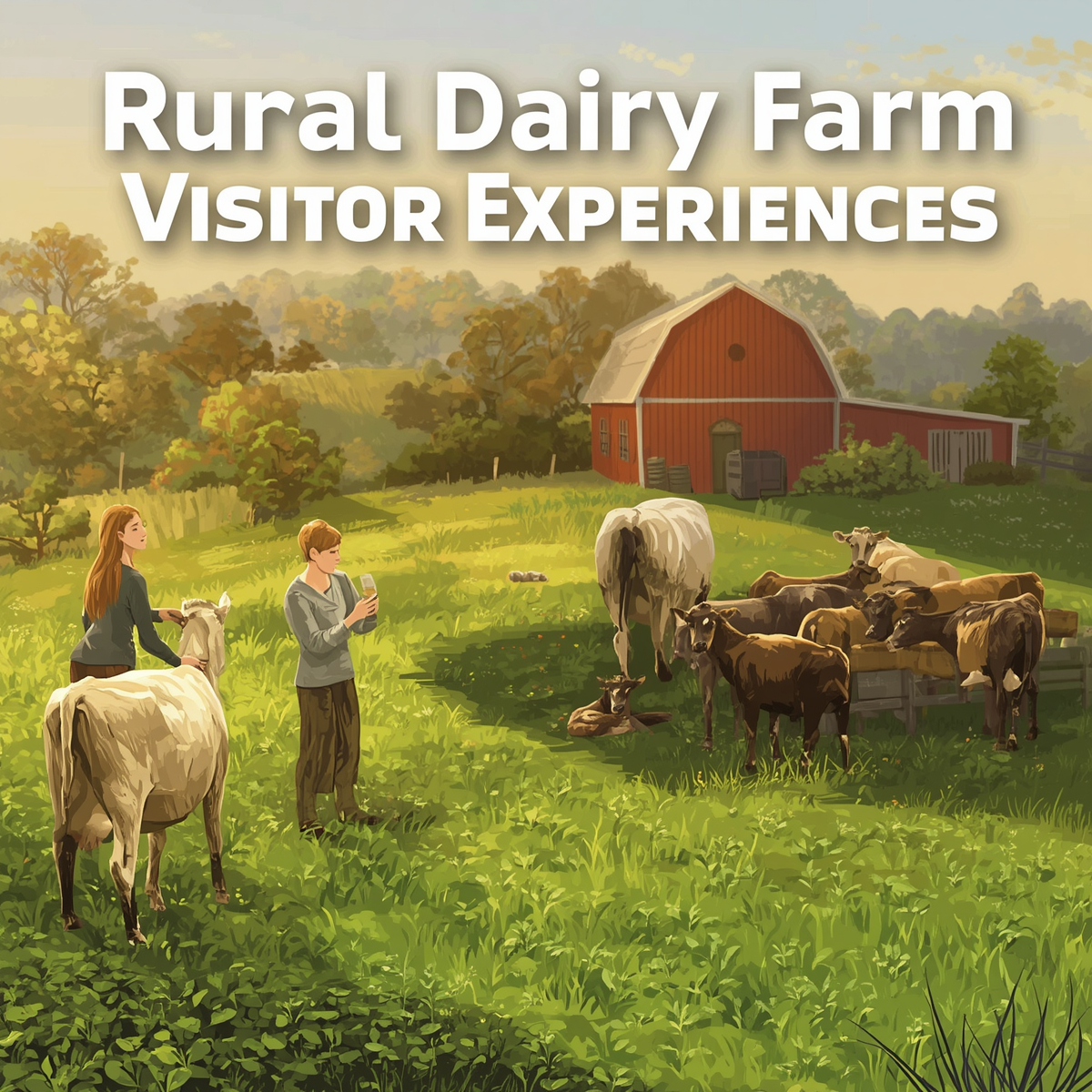
Meeting dairy cows is often one of the most memorable parts of a farm visit. These animals are central to dairy production, and their health and comfort are important responsibilities for farmers.
Visitors can learn about different cattle breeds, their characteristics and the role of breeding in dairy farming. Some breeds are recognised for their milk production, while others are valued for their ability to adapt to particular climates and farming conditions.
Animal care involves several essential activities, including:
- Providing suitable food and clean drinking water.
- Maintaining comfortable and hygienic living areas.
- Monitoring health and behaviour.
- Arranging veterinary care when needed.
- Allowing appropriate movement and rest.
- Following responsible livestock management practices.
Farmers can explain how they recognise changes in an animal’s behaviour and why regular health monitoring is necessary.
Visitors should always follow farm instructions when approaching livestock. Cows are large animals, and even calm cattle require respectful handling and sufficient space.
Explore the Traditional Milking Process
Milking is one of the most important activities on a dairy farm. It is also an interesting subject for visitors who want to understand how milk is collected before reaching shops and households.
Traditional hand milking required considerable skill and experience. Farmers needed to work carefully and maintain suitable hygiene throughout the process.
Modern dairy farms commonly use mechanical milking systems. These systems are designed to collect milk efficiently while allowing farmers to monitor the process and maintain hygiene standards.
A guided farm experience may explain how milking equipment works, how animals are prepared and why cleaning procedures are essential.
Visitors can also learn about the importance of regular milking schedules and the role of farm workers in checking equipment and maintaining a clean environment.
Not every farm offers live milking demonstrations, as activities depend on its daily routine, animal welfare policies and visitor arrangements. Checking in advance can help travellers understand what they will be able to see.
From Fresh Milk to Traditional Dairy Products
Dairy farming is closely connected to the production of several familiar foods. Milk can be processed into products such as butter, cheese, yoghurt and cream through different preparation methods.
Traditional dairy production often reflects local food culture. Recipes, ingredients and techniques can vary between regions, creating distinctive flavours and textures.
During a farm visit, visitors may learn how milk is handled after collection, why cooling is important and how dairy products are prepared under suitable food safety conditions.
Some farms offer educational demonstrations or tasting experiences where visitors can discover traditional dairy products. These activities can provide insight into the connection between farming and local food traditions.
For example, cheese-making demonstrations may explain how milk is transformed through carefully managed processes. Visitors can also learn about the different textures and flavours created by varying ingredients and production methods.
Food experiences should always follow appropriate hygiene requirements, particularly when working with fresh or unpasteurised dairy products.
Discover Rural Farm Buildings and Traditional Equipment
Dairy farms often contain buildings and equipment that reflect the history of countryside agriculture. Older barns, storage areas, milking spaces and traditional farmhouses can provide an interesting picture of how rural life has changed.
Historic farm buildings were designed around practical needs. They provided shelter for livestock, storage for animal feed and space for preparing agricultural products.
Traditional equipment may include milk containers, feeding tools, wooden carts and older milking accessories. These objects help visitors understand how farmers completed everyday tasks before modern machinery became widely available.
Some farms preserve older buildings as part of their heritage, allowing visitors to explore the architectural character of traditional agricultural properties.
Photographers can also find interesting subjects around the farm, including weathered wooden doors, old stone walls, farm machinery and open countryside views. Visitors should always ask before photographing private areas or farm workers.
Enjoy Countryside Walks and Rural Landscapes
A dairy farm visit provides more than an opportunity to learn about livestock. Many farms are surrounded by attractive countryside that encourages outdoor exploration.
Open fields, green pastures, hedgerows and traditional farm tracks create a peaceful setting for walking and photography. Depending on the location, visitors may also enjoy views of hills, rivers, woodlands and nearby villages.
Some farms provide designated walking routes that allow guests to explore the surrounding landscape without disturbing farming activities.
These walks can help visitors understand how agricultural land is used and how farms interact with the natural environment.
Travellers should wear suitable footwear, particularly when walking through muddy fields or uneven areas. It is also important to remain on permitted paths, close gates after passing through them and avoid entering livestock areas without permission.
A countryside walk can make a dairy farm visit more varied and enjoyable.
Family-Friendly Learning Experiences on Dairy Farms
Rural dairy farm visitor experiences can be particularly valuable for families. Children often enjoy seeing farm animals, exploring outdoor spaces and discovering where everyday food comes from.
A guided visit can turn simple questions about milk and dairy products into practical learning opportunities. Children can discover what cows eat, how farmers care for livestock and why farms follow regular daily routines.
Some visitor farms provide additional activities such as supervised animal encounters, educational displays, seasonal events and demonstrations. Availability varies between farms, so checking the programme before visiting is recommended.
Parents should explain basic farm safety rules before the experience begins. Children should stay with their adults, follow staff instructions and avoid feeding or touching animals unless permission is given.
These visits can also encourage discussions about agriculture, food production and the importance of respecting animals and rural environments.
Sustainable Practices in Modern Dairy Farming
Modern dairy farming increasingly involves discussions about environmental responsibility and efficient resource management. Farms need to balance food production with the care of livestock, land and natural resources.
Some farms use carefully managed grazing systems to make productive use of pastureland. Others invest in improved water management, energy-efficient equipment and methods for reducing waste.
Manure can be managed and used as a valuable agricultural resource when handled appropriately. Good soil management and responsible grazing can also support the long-term health of farmland.
During a visitor experience, farmers may explain the practices used on their own properties. These discussions help visitors understand that sustainability is not a single method but a combination of decisions suited to local conditions.
It is important to recognise that farming practices vary widely. Visitors should ask questions about the specific farm rather than assuming every dairy business follows the same approach.
Planning a Rural Dairy Farm Visit
A little preparation can make a farm visit more enjoyable and comfortable.
Start by researching farms that welcome visitors and offer guided experiences. Check their opening days, booking arrangements, age restrictions and available activities.
It is also worth finding out whether the experience includes animal encounters, milking demonstrations, food tastings or countryside walks. Some farms provide short educational tours, while others offer longer experiences that explore several aspects of dairy production.
Wear practical clothing and footwear that can handle outdoor conditions. Farms are working environments, so visitors should be prepared for mud, changing weather and uneven surfaces.
Follow all hygiene instructions provided by the farm. Visitors may be asked to clean their footwear, wash their hands or avoid entering certain areas to protect both livestock and people.
If travelling with children, check whether the farm has suitable facilities and age-appropriate activities. Booking ahead is particularly useful during school holidays and busy weekends.
Supporting Local Farmers and Rural Communities
Visiting a dairy farm can also help support the local agricultural economy. Many family-run farms depend on a combination of farming income and additional activities such as educational tours, farm shops and seasonal visitor experiences.
Purchasing locally produced dairy goods, where available, can provide direct support to producers. Visitors may also discover regional cheeses, butter, yoghurt and other products that reflect local food traditions.
Respectful tourism is equally important. Following farm rules, keeping noise under control and respecting animal welfare requirements help ensure that visitor activities do not interfere with daily operations.
By choosing responsible farm experiences, travellers can contribute to the preservation of rural traditions while learning more about the people who maintain them.
Why Rural Dairy Farm Visitor Experiences Are Worth Exploring
Rural dairy farm visitor experiences bring together agriculture, education, countryside exploration and traditional food culture.
They offer a chance to see how dairy farms operate, understand the responsibilities involved in animal care and discover how milk becomes familiar food products. Visitors can also learn about historic farming methods and the ways modern agriculture has developed.
These experiences appeal to families, food enthusiasts, countryside travellers and anyone curious about rural life. They provide a different perspective on the places and people behind everyday food production.
Most importantly, a farm visit encourages greater appreciation for the work involved in maintaining agricultural communities.
Conclusion
Rural dairy farm visitor experiences offer an engaging way to discover farm life and traditional dairy farming. From meeting dairy cows and exploring milking methods to learning about historic equipment and local food production, every activity provides a closer connection with the countryside.
These visits help preserve agricultural knowledge while supporting local producers and rural communities. They also provide an opportunity to understand how farming traditions have adapted to changing technology and modern expectations.
Whether you are planning a family day out, exploring countryside heritage or simply interested in where dairy products come from, a rural dairy farm visit can be a memorable and educational experience.