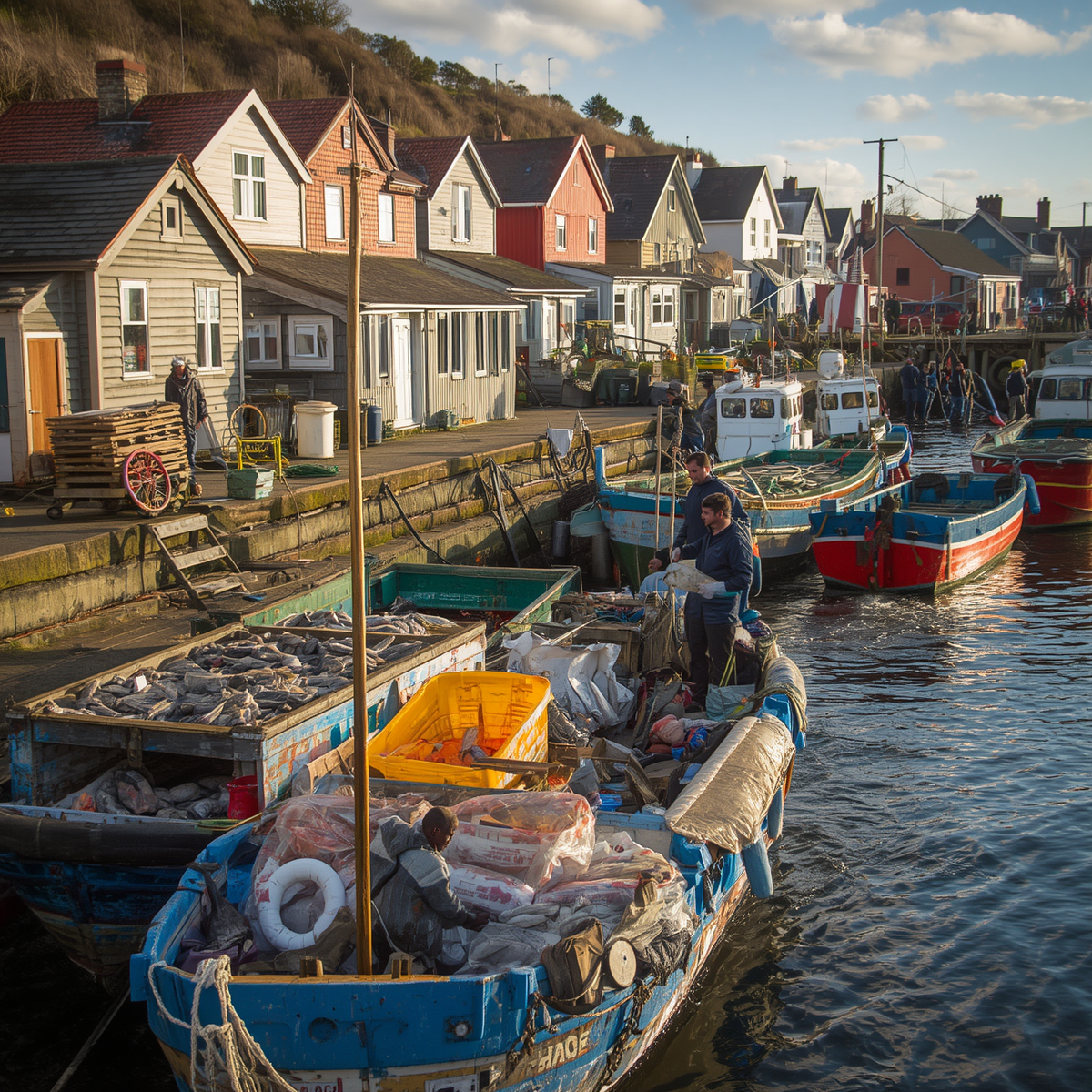
Traditional fishing harbours offer some of the most interesting subjects for travel photography. From colourful fishing boats and weathered harbour walls to busy fish markets and peaceful coastal views, these locations provide a glimpse into everyday life beside the sea. They combine natural beauty, maritime history and local traditions, creating memorable opportunities for photographers and travellers.
Traditional fishing harbour photography trips allow visitors to explore coastal communities while capturing the details that make each destination unique. Whether photographing fishermen preparing their boats, nets drying in the sunlight or waves moving gently around an old pier, every scene tells a story about the relationship between people and the sea.
For travellers who enjoy photography, cultural discovery and coastal exploration, these trips offer an opportunity to experience maritime life beyond ordinary sightseeing.
Discover the Character of Traditional Fishing Harbours
Fishing harbours have supported coastal communities for generations. They are places where fishermen prepare their equipment, boats return with their catches and local businesses depend on the sea for their livelihoods.
Unlike modern commercial ports, smaller traditional harbours often retain a distinctive atmosphere. Their surroundings may include historic buildings, narrow waterfront paths, old piers, traditional boats and small seafood businesses.
These details create a rich environment for photography. A simple view of fishing boats resting on the water can communicate the character of a coastal settlement. Similarly, an image of nets, ropes and wooden equipment can reveal the practical work behind the fishing industry.
Every harbour has its own visual identity. Some are surrounded by rocky coastlines, while others feature sandy beaches, colourful houses or sheltered natural bays.
Exploring different locations helps photographers understand how geography, local traditions and working practices influence coastal life.
Capture the Daily Activities of Fishing Communities
One of the most rewarding aspects of fishing harbour photography is documenting everyday activities. Fishing communities follow routines shaped by weather, tides, seasonal catches and local working traditions.
Early in the morning, fishermen may prepare their boats, check equipment and organise nets before heading out to sea. Later in the day, returning boats may bring activity to the harbour as catches are unloaded and prepared for local markets.
These moments offer opportunities to capture authentic scenes rather than staged photographs.
Photographers can focus on small details such as hands repairing fishing nets, ropes tied around harbour posts, equipment stored beside boats and fishermen checking their vessels.
Respect is particularly important when photographing people at work. Visitors should avoid interrupting daily activities and ask permission before taking close-up photographs of individuals. A friendly conversation can also provide useful insight into the stories behind the images.
Explore Colourful Fishing Boats and Maritime Details
Traditional fishing boats are among the most recognisable subjects in harbour photography. Their shapes, colours and equipment reflect the history and working culture of coastal communities.
Some boats feature bright paintwork, while others have weathered wooden surfaces that show years of use. Their designs may also reflect local fishing methods and the conditions in which they operate.
Photographers can capture boats from different perspectives. A wide-angle image may show several vessels resting together in the harbour, while a closer composition can highlight painted names, ropes, anchors and fishing equipment.
Other maritime details also provide interesting subjects. Old harbour signs, mooring posts, buoys, nets, storage boxes and boat engines can help create a visual record of traditional fishing life.
Rather than photographing only the largest or most colourful vessels, visitors can look for smaller details that reveal the character of the location.
The Best Time for Fishing Harbour Photography
Lighting plays an important role in coastal photography. The same harbour can look completely different depending on the time of day, weather and movement of the sea.
Early morning is often a rewarding time to visit. Soft natural light can create gentle reflections on the water, while harbour activity may provide opportunities to photograph fishermen preparing for the day.
Late afternoon and early evening can also offer attractive conditions. Lower sunlight may highlight the texture of old harbour walls, fishing boats and nearby buildings.
Cloudy weather can be useful for capturing details because it often produces softer, more even lighting. Overcast skies may also help photographers avoid strong shadows when photographing equipment and waterfront architecture.
However, coastal weather can change quickly. Rain, wind and sea spray may affect equipment, so carrying protective covers and checking local conditions is sensible.
Photographers should also consider tide times. A changing tide can reveal different sections of harbour walls, create new reflections and alter the appearance of boats resting near the shore.
Photograph Traditional Seafood Markets and Local Food Culture
Fishing harbours are closely connected to local food traditions. In many coastal communities, seafood markets and small family businesses play an important role in the local economy.
These markets can provide colourful photography opportunities. Fresh fish displayed on counters, traditional weighing equipment, market signs and seafood preparation areas all contribute to the visual character of a harbour.
Visitors may also discover local dishes prepared using regional catches. Small cafés and restaurants near the waterfront often reflect the food traditions of the surrounding community.
Photography can help document the connection between fishing, local markets and traditional cooking. A series of images might show boats arriving, seafood being prepared and local dishes being served.
Before photographing market workers or customers, visitors should ask permission where appropriate. Food businesses may also have restrictions around photography, particularly in preparation areas.
Combining harbour photography with local food experiences creates a fuller picture of coastal culture.
Discover Historic Harbour Architecture
Traditional fishing harbours often contain buildings that reflect their maritime past. Old warehouses, boat sheds, fishing cottages, lighthouses and harbour offices can provide interesting subjects for architectural photography.
Some structures were built using locally available stone or timber, while others feature distinctive doors, windows and roof designs shaped by coastal conditions.
Weathering gives these buildings additional character. Salt air, wind and rain gradually affect exterior surfaces, creating textures that can be particularly attractive in close-up photography.
Photographers can experiment with different compositions to show how historic buildings relate to their surroundings. A wide image might include a cottage beside a fishing boat, while a closer photograph could highlight a weathered doorway or traditional sign.
Exploring the streets around the harbour can also reveal details that are easy to miss from the waterfront.
Coastal Landscapes and Natural Photography Opportunities
Fishing harbour photography trips are not limited to boats and buildings. Their natural surroundings can provide equally memorable images.
Many traditional harbours are located near beaches, cliffs, rocky headlands and sheltered bays. These landscapes create opportunities to combine maritime subjects with coastal scenery.
Photographers may capture waves moving around harbour entrances, seabirds resting on harbour walls or boats positioned against distant hills.
Changing weather can add atmosphere to coastal images. Clear skies may create bright, peaceful scenes, while dramatic clouds can give the coastline a more powerful appearance.
Seabirds and other coastal wildlife may also be present around fishing areas. Visitors should observe wildlife from a suitable distance and avoid disturbing feeding or nesting sites.
A balanced photography trip can include both close-up harbour details and wider landscape images. This creates a varied collection that reflects the complete character of the destination.
Photography Equipment for Coastal Harbour Trips
The right equipment can make a photography trip more comfortable and productive. However, travellers do not need an extensive professional kit to capture interesting coastal images.
A camera or smartphone with good image quality is often enough for a relaxed harbour photography experience.
A standard zoom lens can be useful for photographing boats, buildings and general harbour scenes. A wider lens may help capture coastal landscapes, while a longer lens can be useful for distant subjects such as seabirds or boats outside the harbour.
Other useful items include:
- Spare camera batteries and memory cards.
- A lens cloth for removing salt spray and moisture.
- A weather-resistant camera bag.
- A protective cover for unexpected rain.
- Comfortable footwear for walking around harbour areas.
- A lightweight tripod where photography conditions and local rules allow.
Coastal environments can be challenging for electronic equipment. Saltwater spray and fine sand may damage cameras and lenses, so equipment should be protected carefully.
Respect Local Communities and Working Harbour Areas
Traditional fishing harbours are not simply tourist attractions. Many remain active workplaces where fishermen, boat owners and seafood businesses carry out important daily activities.
Visitors should respect these working environments throughout their photography trips.
Avoid blocking access routes, standing on fishing equipment or entering restricted areas. Boats, nets and other tools should be treated as working property rather than photography props.
It is also important to be aware of moving vehicles, lifting equipment and changing water levels. Harbour edges can be slippery, and some areas may have steep drops into the water.
When photographing people, ask permission whenever appropriate. Respecting someone’s privacy is more important than capturing a particular image.
Responsible behaviour helps maintain positive relationships between visitors and local communities while protecting the character of traditional fishing destinations.
Planning a Traditional Fishing Harbour Photography Trip
A successful photography trip begins with choosing a suitable destination. Look for coastal villages and historic harbours that offer a combination of maritime activity, accessible viewpoints and interesting architecture.
Research the location before travelling. Check transport options, parking arrangements, visitor facilities and whether any areas are restricted.
It is helpful to plan around the activities you want to photograph. If you are interested in early morning harbour scenes, find out when local fishing activity usually takes place. However, remember that schedules can change because of weather, tides and seasonal conditions.
Allow enough time to explore without rushing. Some of the best photographs may come from unexpected details discovered while walking around the harbour.
You can also combine photography with nearby attractions such as maritime museums, coastal paths, historic villages and local seafood restaurants.
If visiting several harbours during one trip, consider selecting destinations with different landscapes and architectural styles. This will provide more variety in your photographs.
Why Traditional Fishing Harbour Photography Trips Are Worth Experiencing
Traditional fishing harbour photography trips offer more than attractive coastal pictures. They provide a chance to understand the people, traditions and industries that have shaped seaside communities.
Photographers can capture working boats, historic buildings, local markets and natural landscapes while learning about the importance of fishing to regional identity.
These trips are suitable for beginners, experienced photographers and travellers who simply enjoy observing everyday life. They can be relaxed and flexible, allowing visitors to explore at their own pace.
They also encourage a deeper appreciation of coastal heritage. A photograph of an old fishing boat or a fisherman repairing a net can preserve a small part of a tradition that has continued for generations.
Conclusion
Traditional fishing harbour photography trips provide a memorable way to capture coastal life and authentic maritime charm. From colourful boats and historic harbour buildings to seafood markets and everyday fishing activities, these destinations offer a wide range of photography opportunities.
By exploring local communities, understanding traditional working practices and respecting the coastal environment, travellers can create meaningful images that tell the story of life beside the sea.
Whether you are interested in maritime history, coastal landscapes or documentary-style photography, traditional fishing harbours offer an inspiring setting for discovery. Every harbour has its own atmosphere, and every photograph can reveal another detail of its unique coastal heritage.