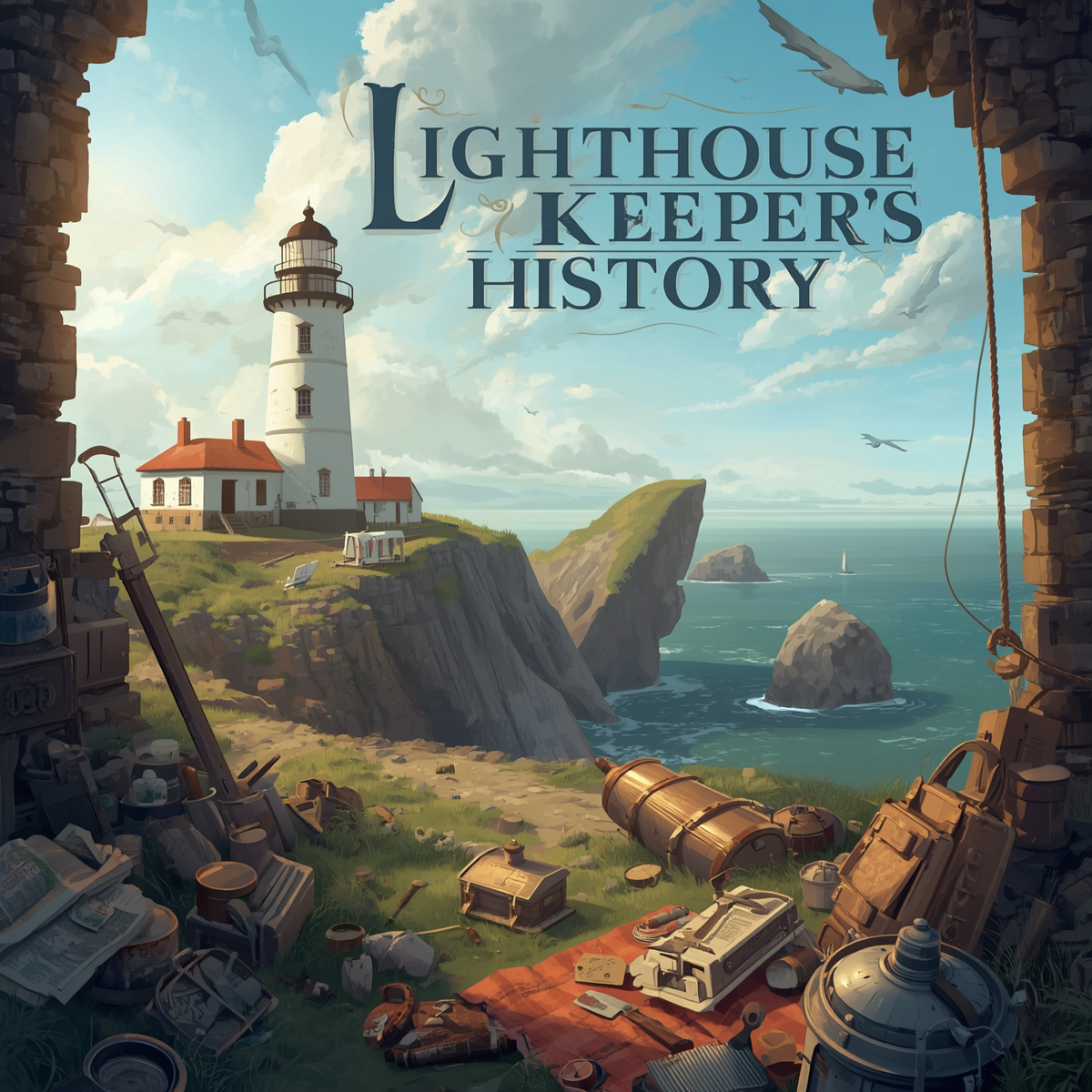
Lighthouses have played an important role in maritime history for centuries. Standing along rugged coastlines, rocky islands and quiet harbours, these structures have guided ships through dangerous waters and helped sailors find their way safely to shore. Behind every lighthouse is a story of dedication, courage and life by the sea. Lighthouse keeper history travel experiences offer visitors an opportunity to explore these stories while discovering the coastal heritage that has shaped communities around the world.
For travellers who enjoy history, photography, architecture and peaceful coastal landscapes, visiting historic lighthouses can be a memorable experience. These journeys are about more than seeing an old building. They provide a chance to understand the lives of lighthouse keepers, explore traditional maritime communities and learn how coastal navigation developed over time.
The Historical Importance of Lighthouses
Before modern navigation systems became widely available, sailors depended heavily on visible coastal landmarks to understand their position and avoid dangerous areas. Lighthouses provided a reliable source of light, helping ships navigate around rocky shores, narrow passages and hidden reefs.
Many historic lighthouses were built in locations where strong winds, rough seas and difficult weather conditions made navigation particularly challenging. Their powerful lights became important signals for vessels travelling at night or during poor visibility.
Over time, lighthouse technology improved. Early systems used open fires, candles and oil lamps, while later designs introduced advanced lenses and more efficient lighting equipment. These developments made lighthouse signals brighter and more dependable.
Today, modern navigation technology has reduced the need for traditional lighthouse operations in many places. However, historic lighthouses remain valuable cultural landmarks. They preserve the stories of maritime travel and provide visitors with a fascinating connection to the past.
Discovering the Lives of Lighthouse Keepers
One of the most interesting parts of lighthouse keeper history travel experiences is learning about the people who maintained these important coastal structures.
Lighthouse keepers had demanding responsibilities. Their work involved keeping the light operating, maintaining equipment, monitoring weather conditions and ensuring that the station remained in good working order. Even a small technical problem could affect the visibility of a lighthouse and create difficulties for passing ships.
In remote locations, lighthouse keepers often worked for extended periods away from busy towns and communities. Some lived with their families in lighthouse cottages, while others worked at isolated stations surrounded by open water.
Daily life could be challenging, particularly during winter storms. Keepers had to manage difficult weather, limited supplies and periods of isolation. Their dedication helped protect sailors and support safer maritime journeys.
Visitors exploring former lighthouse stations can learn about these responsibilities through preserved living spaces, historical photographs, original equipment and local exhibitions. These details make the history more personal and help travellers understand the human effort behind maritime safety.
Explore Historic Coastal Lighthouses
Historic lighthouses can be found along coastlines across the United Kingdom and many other parts of the world. Each location has its own architectural character, maritime history and surrounding landscape.
Some lighthouses stand on dramatic cliffs overlooking powerful waves, while others are located near fishing villages, harbour entrances and quiet stretches of coastline. Their different settings create opportunities for a wide range of travel experiences.
A lighthouse visit may include exploring the surrounding grounds, walking along nearby coastal paths, viewing historic buildings and learning about local shipping traditions. In locations where visitor access is available, travellers may also be able to enter restored lighthouse buildings or climb observation areas.
Not every lighthouse is open to the public, so checking access arrangements before travelling is important. Some sites operate as museums, while others can only be viewed from nearby public paths or coastal viewpoints.
Understanding Maritime Heritage and Coastal Communities
Lighthouses are closely connected to the development of coastal communities. For generations, fishing, shipping and trading activities have supported settlements around harbours and shorelines.
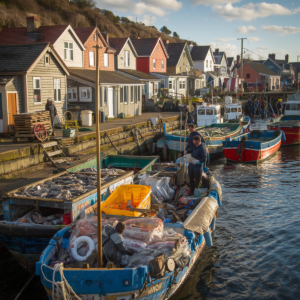
Historic lighthouse locations often provide a wider understanding of how people lived and worked beside the sea. Nearby villages may contain traditional fishing cottages, old harbour buildings, maritime museums and historic boatyards.
These places reveal how coastal communities adapted to changing industries and environmental conditions. Fishing families depended on knowledge of tides and weather, while merchants and sailors relied on safe routes to transport goods between ports.
During a lighthouse history trip, visitors can explore these connected stories through local museums, heritage centres and conversations with community members. Traditional food, harbour walks and historic streets can also add depth to the experience.
Taking time to explore the surrounding settlement rather than visiting only the lighthouse helps travellers develop a stronger understanding of the area’s identity.
Lighthouse Architecture and Engineering
Historic lighthouses are also interesting examples of engineering and architectural design. Their construction required careful planning because they often had to withstand strong winds, saltwater exposure and powerful waves.
Many traditional lighthouses were built using stone or brick, with strong foundations designed to provide stability in challenging coastal environments. Their towers were often made tall enough to allow the light to be seen from a considerable distance.
Different architectural styles developed according to local materials, construction techniques and geographical conditions. Some towers have simple cylindrical shapes, while others feature distinctive patterns, contrasting colours and decorative details.
The lantern room at the top of a lighthouse was particularly important. It housed the lighting equipment and optical systems used to project light towards the sea. Large lenses helped concentrate and direct the light, making it more visible to ships.
Photography enthusiasts can enjoy capturing these architectural features from different angles. The contrast between historic structures, open skies and coastal scenery creates excellent opportunities for landscape and architectural photography.
Coastal Walking Routes Around Historic Lighthouses
Many lighthouse destinations are surrounded by beautiful walking routes. These paths allow visitors to combine maritime history with outdoor exploration.
Coastal walks may pass through grassy headlands, rocky viewpoints, sandy beaches and small fishing settlements. Along the way, travellers can enjoy views of the sea while discovering historic landmarks connected to local navigation.
Walking routes around lighthouse locations can vary in difficulty. Some are short and suitable for relaxed sightseeing, while others involve longer distances, steep sections and uneven coastal terrain.
Before starting a walk, visitors should check local route information, weather forecasts and tide conditions. Suitable footwear, drinking water and weather-appropriate clothing are also important.
A relaxed walking itinerary can include a lighthouse visit, a nearby harbour, a coastal viewpoint and a local heritage attraction. This approach provides a balanced day of history, scenery and outdoor activity.
Photography Opportunities and Maritime Landscapes
Lighthouses are popular subjects for travel photography because they combine historic architecture with dramatic natural surroundings.
Early morning and late afternoon can provide attractive lighting conditions for capturing lighthouse towers, coastal cliffs and harbour scenes. During these periods, softer natural light can highlight building details and create interesting shadows across the landscape.
Travellers may also enjoy photographing traditional fishing boats, old harbour walls, weathered buildings and coastal pathways. These details help tell a wider story about maritime heritage.
Weather can create different photographic opportunities. Clear skies offer distant coastal views, while changing clouds and sea conditions can produce dramatic scenery. However, visitors should always maintain a safe distance from unstable cliff edges and exposed coastal areas.
Respecting restricted areas and private property is essential. Some lighthouse stations contain working equipment or protected historical structures, so photography should follow local visitor guidelines.
Museums and Maritime Heritage Exhibitions
Maritime museums can add valuable information to a lighthouse history journey. They often preserve objects and documents that explain how coastal navigation developed and how sailors managed dangerous journeys.
Exhibitions may include historical maps, ship models, navigation instruments, lighthouse lamps, keeper uniforms and photographs of former coastal communities.
Some museums also explain the development of shipping routes, fishing industries and rescue services. These subjects help visitors understand why lighthouses were so important to coastal safety.
Visiting a museum before or after exploring a lighthouse can make the experience more meaningful. Travellers gain historical background and then have an opportunity to connect that information with the actual buildings and landscapes.
Smaller local heritage centres can be particularly interesting because they often focus on the history of one harbour or coastal settlement. Their collections may include personal stories passed down through generations.
Planning a Lighthouse Heritage Travel Experience
Good planning helps visitors make the most of a lighthouse history journey. Start by choosing a destination with an interesting maritime background and accessible visitor attractions.
Research the lighthouse before travelling. Find out when it was built, whether it is open to visitors and what historical features remain. Some locations provide guided tours, while others offer information boards and self-guided heritage walks.
It is also worth checking nearby attractions. A lighthouse visit can become part of a wider coastal itinerary that includes a maritime museum, fishing village, historic harbour or nature reserve.
Consider the season when planning your trip. Summer may provide longer daylight hours and more opportunities for walking, while quieter months can offer a different atmosphere. However, coastal weather can change quickly throughout the year.
Accommodation should also be considered, particularly when visiting remote lighthouse locations. Staying in a nearby coastal town may provide easier access to restaurants, transport and other attractions.
Travellers should check public transport options, parking arrangements and local walking conditions before setting out.
Respecting Coastal Heritage and the Natural Environment
Historic lighthouses are important cultural landmarks, and many are located within environmentally sensitive coastal areas. Responsible travel helps protect these places for future generations.
Visitors should follow marked paths, respect restricted areas and avoid disturbing wildlife. Coastal environments may support nesting seabirds, marine habitats and fragile plant communities.
Leaving litter behind can damage natural landscapes and affect local wildlife. Travellers should take their rubbish with them and avoid removing stones, historical objects or other materials from heritage sites.
Supporting local businesses can also contribute to the long-term preservation of coastal communities. Choosing locally owned accommodation, cafés, restaurants and guided experiences helps keep tourism benefits within the destination.
When visiting a protected lighthouse or heritage building, following conservation guidelines is essential. Small actions can make a meaningful difference to the preservation of these historic places.
Why Lighthouse Keeper History Travel Experiences Are Worth Exploring
Lighthouse keeper history travel experiences offer a special combination of learning, discovery and outdoor exploration. They allow travellers to understand an important part of maritime history while enjoying some of the most distinctive coastal landscapes.
These journeys are suitable for people with different interests. History enthusiasts can discover stories about lighthouse operations and navigation, photographers can capture striking coastal architecture, and outdoor travellers can explore nearby walking routes.
Families can also benefit from visits to accessible lighthouse museums and heritage attractions. Learning how keepers worked and how ships navigated dangerous waters can make history more engaging for younger visitors.
Most importantly, lighthouse heritage experiences encourage travellers to look beyond famous attractions. They reveal the people, communities and traditions that helped shape coastal life over many generations.
Conclusion
Lighthouse keeper history travel experiences provide an engaging way to discover maritime stories and coastal heritage. From historic towers and traditional harbour communities to lighthouse museums and scenic walking routes, these destinations offer much more than beautiful views.
Exploring the lives of lighthouse keepers helps visitors appreciate the dedication and responsibility involved in protecting sailors and guiding ships through difficult waters. At the same time, historic buildings and coastal landscapes reveal how maritime industries influenced local communities.
For travellers seeking meaningful cultural experiences, lighthouse heritage journeys are an excellent opportunity to connect history with nature. With thoughtful planning and respect for local environments, every visit can become a memorable exploration of the stories that continue to shape coastal destinations.