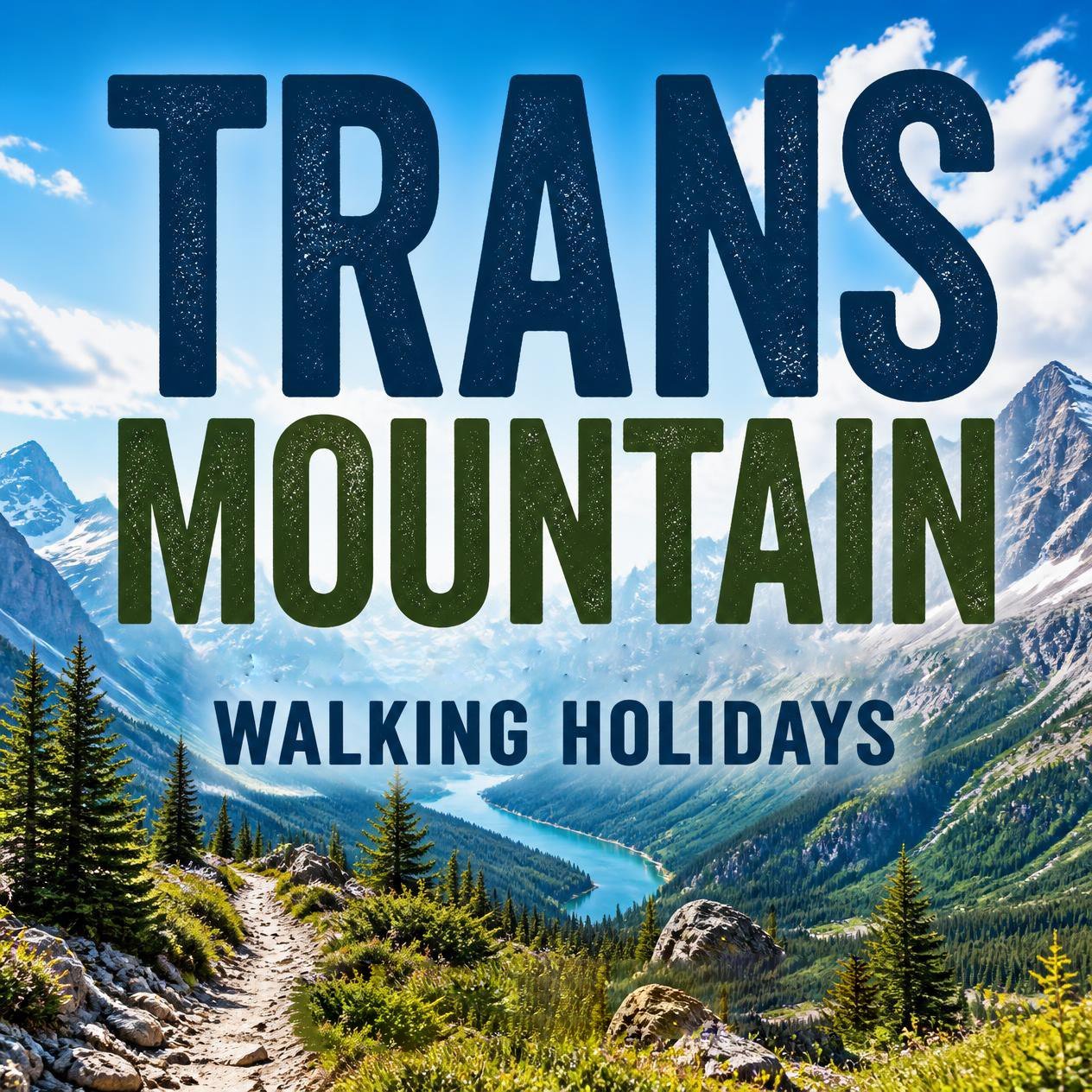
Mountain landscapes have a special way of inspiring travelers. Towering peaks, peaceful valleys, winding trails, and fresh mountain air create experiences that are difficult to find anywhere else. For people who enjoy outdoor adventures, trans mountain walking holidays offer a chance to explore these landscapes at a slower pace while discovering different regions on foot.
Unlike a short hike that begins and ends in the same place, a trans mountain walking holiday takes travelers across mountain terrain. The journey may pass through several valleys, climb over high passes, follow historic routes, and connect remote villages. Each section introduces new scenery, making the experience feel like a continuous adventure.
From the rugged mountains of the Balkans to the dramatic landscapes of the Andes, these holidays are ideal for travelers who want to combine physical activity, nature, and cultural exploration. With suitable preparation, a well-planned route can become a memorable way to experience some of the world’s most beautiful mountain regions.
Understanding Trans Mountain Walking Holidays
Trans mountain walking holidays involve hiking routes that cross mountain ranges or connect different mountain areas. These journeys can last several days or longer, depending on the route and the traveler’s interests.
Some adventures follow established long-distance trails, while others combine shorter routes to create a journey through different landscapes. Walkers may spend one day travelling through forests, the next crossing an open mountain pass, and another exploring a valley surrounded by high peaks.
Accommodation also varies. Some travelers prefer mountain huts and guesthouses, while others choose organised walking holidays with luggage transfers and planned overnight stops. More independent hikers may carry their own equipment for remote sections.
The main attraction is the journey itself. Every walking day brings a different perspective, and the changing landscape encourages travelers to appreciate the mountains beyond a single viewpoint.
Discover the Beauty of the Balkan Mountains
The Balkans offer excellent opportunities for travelers who want to explore rugged mountain landscapes and traditional communities. Several mountain ranges stretch across the region, creating varied terrain and a rich mixture of natural and cultural experiences.
The Accursed Mountains, also known as the Albanian Alps, are particularly appealing. Located across parts of Albania, Montenegro, and Kosovo, this region features steep peaks, green valleys, clear streams, and isolated settlements.
Popular walking areas include Theth and Valbona in northern Albania. Trails connecting these valleys are known for their mountain scenery and challenging climbs. Travelers can experience open slopes, forest paths, and panoramic views throughout the journey.
The wider Balkan region also contains opportunities for longer walking holidays that combine mountain routes with village stays. These trips can be especially rewarding for people who enjoy discovering local food, architecture, and traditions alongside outdoor activities.
Before setting out, hikers should check route conditions and weather forecasts because mountain trails can become difficult during periods of rain or poor visibility.
Explore the Mountains of Austria
Austria is a strong choice for travelers looking for organised mountain walking holidays. Its alpine regions offer extensive trail networks, mountain refuges, and villages that make multi-day hiking more convenient.
The Tyrol region is particularly popular among outdoor enthusiasts. Trails pass through alpine meadows, forested slopes, rocky mountain terrain, and high passes with views across surrounding peaks.
The Stubai Alps provide a variety of walking experiences, from scenic routes to demanding high-mountain trails. Depending on the chosen itinerary, travelers can combine daytime hiking with overnight stays in traditional mountain huts.
Austria’s established hiking infrastructure makes it possible to plan a trip around different fitness levels. Some visitors prefer relaxed walks between mountain villages, while experienced hikers may choose longer routes with significant elevation changes.
For anyone interested in trans mountain walking, Austria provides a practical balance between dramatic scenery, trail variety, and access to mountain accommodation.
Follow Historic Trails Through the Italian Dolomites
The Dolomites in northern Italy are famous for their distinctive limestone peaks and dramatic rock formations. Their landscapes provide a striking setting for multi-day walking holidays.
The Alta Via routes cross different parts of the Dolomites and offer opportunities to experience alpine meadows, narrow valleys, rocky slopes, and high mountain passes. Some itineraries include overnight stays in mountain refuges, allowing walkers to travel without carrying full camping equipment.
A journey through the Dolomites can feel different from one day to the next. Open meadows may give way to towering cliffs, while distant peaks appear across the horizon as the trail gains elevation.
The region also offers a strong cultural element. Traditional mountain communities, local cuisine, and historic settlements add depth to the walking experience.
Because some Dolomite routes involve exposed terrain and demanding climbs, it is important to choose sections that match your ability. Early planning is particularly useful during the main summer hiking season, when popular mountain huts may fill quickly.
Experience the Remote Landscapes of Kyrgyzstan
For travelers who want to explore mountains with a greater sense of wilderness, Kyrgyzstan offers an exciting alternative to Europe’s established hiking destinations.
The Tian Shan mountain range dominates much of the country. Its landscapes include high peaks, broad alpine valleys, glacial lakes, and expansive grasslands.
Around Karakol and the surrounding mountain areas, travelers can find trekking routes through dramatic terrain. Multi-day journeys may involve crossing mountain passes, camping near alpine lakes, and travelling through valleys far from major cities.
Some walking holidays also introduce visitors to traditional nomadic culture. In certain areas, travelers may encounter seasonal pastures and yurts used by herders, although access and arrangements vary by location.
These adventures require more independent preparation than many European routes. Weather can change rapidly, services may be limited, and some trails demand strong navigation skills.
With appropriate planning or a knowledgeable local guide, Kyrgyzstan can provide a memorable mountain walking experience for travelers seeking wide-open landscapes and quieter trails.
Cross the Spectacular Mountain Regions of Morocco
Morocco offers a different kind of trans mountain adventure. The High Atlas Mountains rise above surrounding plains and contain traditional villages, terraced fields, rocky slopes, and impressive mountain summits.
The area around Imlil provides access to numerous walking routes. Travelers can explore village paths, climb toward mountain passes, and experience changing scenery as they move through the range.
Longer walking holidays may combine several villages and valleys, allowing visitors to experience the local environment at a steady pace. Traditional guesthouses and village accommodation can provide opportunities to learn about regional food and daily life.
Mount Toubkal is a major attraction for experienced hikers, but not every mountain walking holiday needs to include a summit attempt. Lower-altitude trails can also provide impressive views and meaningful cultural experiences.
The best time to visit depends on the route and altitude. Summer heat can affect lower areas, while winter conditions may bring snow and ice to higher elevations. Checking seasonal conditions is essential before booking.
Discover Mountain Trails in New Zealand
New Zealand offers outstanding walking opportunities for travelers who enjoy dramatic scenery and changing environments.
The Southern Alps on the South Island form a landscape of high peaks, glacial valleys, lakes, and forested foothills. The region contains established walking routes as well as more demanding backcountry adventures.
The Te Araroa Trail runs the length of New Zealand, connecting a wide variety of landscapes. Although the complete journey is a major undertaking, selected sections can be used for shorter walking holidays.
The Routeburn Track is another well-known option, offering mountain views, valleys, waterfalls, and alpine scenery. It can be included in a broader trip exploring the South Island’s outdoor destinations.
New Zealand’s weather can change quickly, particularly in exposed mountain areas. Walkers should check official track updates, prepare suitable clothing, and book any required accommodation or transport in advance.
How to Prepare for a Multi-Day Mountain Journey
Preparation is one of the most important parts of a successful trans mountain walking holiday. Even a beautiful route can become difficult when travelers underestimate the terrain or weather.
Start by researching the length of the route, daily walking distances, elevation gain, and expected walking times. A trail that appears manageable on a map may involve steep climbs, rocky sections, or exposed ridges.
Choose footwear suitable for the terrain and make sure it is comfortable before the trip. Pack layered clothing, waterproof protection, navigation equipment, a first-aid kit, and enough water and food for each walking day.
Accommodation should also be planned carefully. Mountain huts and guesthouses may require advance reservations, particularly in popular destinations. Remote routes may require camping equipment or arrangements with local guides.
If you are new to multi-day trekking, consider starting with a shorter route that has reliable trail markings and accessible accommodation. Building experience gradually can help you enjoy longer adventures with greater confidence.
Choose the Best Season for Walking
The right season depends on the destination, altitude, and type of route.
Many European mountain trails are most accessible during the warmer months, but high passes may retain snow even in early summer. Autumn can offer quieter trails and beautiful colours, although temperatures usually drop and daylight hours become shorter.
In Morocco, conditions vary between lower valleys and high mountain terrain. In Kyrgyzstan, some remote routes are best attempted during the summer hiking season when snow conditions are more favourable.
New Zealand has its own seasonal pattern, and the best walking period depends on the region and route. Even during a popular hiking season, rain, wind, or sudden temperature changes can affect plans.
Always check local forecasts and trail information before departure. Flexibility is valuable because mountain weather cannot always be predicted accurately.
Travel Responsibly Through Mountain Communities
Mountain walking holidays bring travelers into close contact with natural environments and local communities. Responsible behaviour helps preserve these places for future visitors.
Stay on established trails where possible, carry rubbish out, and avoid disturbing wildlife. Follow local rules for camping, fires, and protected areas.
When passing through villages, respect private property and local customs. Choosing locally operated accommodation, guides, and services can help support communities that depend on tourism.
Travelers should also avoid taking unnecessary risks for photographs or viewpoints. Mountain terrain can be dangerous, particularly when paths are wet, icy, or exposed.
A responsible walking holiday combines adventure with awareness of the environment and people who live there.
Why Trans Mountain Walking Holidays Are Worth Considering
Trans mountain walking holidays offer much more than exercise. They create opportunities to experience landscapes gradually, meet local people, and discover how different environments connect.
A single journey may begin in a quiet village, climb through forests, cross an alpine pass, and finish beside a mountain lake. These changing surroundings help make every stage feel meaningful.
Whether you choose the Dolomites, Austria, the Albanian Alps, Kyrgyzstan, Morocco, or New Zealand, each destination offers a different balance of challenge, scenery, and cultural discovery.
The key is to choose a route that suits your experience and travel goals. Careful preparation, realistic expectations, and respect for nature can make the difference between a stressful trek and a rewarding adventure.
Conclusion
Trans mountain walking holidays provide a memorable way to explore spectacular trails across majestic mountain ranges. From the rugged Balkans and Austrian Alps to the distinctive peaks of Italy, the remote Tian Shan of Kyrgyzstan, the High Atlas of Morocco, and the Southern Alps of New Zealand, these journeys reveal the variety and beauty of mountain landscapes.
Every route offers something different, whether it is a dramatic viewpoint, a peaceful valley, a traditional mountain village, or the satisfaction of crossing a challenging pass.
With thoughtful planning and the right equipment, travelers can enjoy these experiences safely and responsibly. For outdoor enthusiasts looking to discover new places on foot, trans mountain walking holidays offer an inspiring way to explore the world beyond familiar paths.
Larski Travel can use this type of mountain-focused content to inspire readers to explore new hiking destinations, plan outdoor adventures, and discover the rewards of travelling through nature at a slower pace.