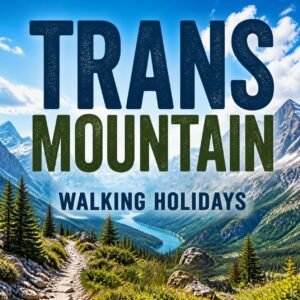
There is something special about walking along a high mountain ridge. The trail may be narrow, the landscape may stretch for miles, and the views can change with every step. Instead of seeing mountains from a distant viewpoint, ridge walking allows travelers to experience them from an elevated position where valleys, peaks, lakes, and forests become part of one incredible panorama.
High ridge walking experiences are ideal for travelers who enjoy hiking, dramatic scenery, and a stronger sense of adventure. These journeys can range from relatively comfortable mountain walks to demanding high-altitude routes requiring experience and preparation.
What makes ridge walking different is the feeling of being between landscapes. On one side there may be a deep valley, while the other opens toward another range of mountains. Ahead, the trail follows the natural shape of the ridge, creating a journey where the views remain part of the adventure.
What Makes Ridge Walking So Special?
Ridge walking combines movement and scenery in a way that ordinary hiking routes cannot always provide.
Forest trails can be beautiful, but trees may limit long-distance views. Valley trails can provide access to impressive mountains, but the surrounding peaks can sometimes block the wider landscape.
On a ridge, the situation changes.
The elevated position often creates open views in several directions. Travelers may see distant mountain ranges, winding rivers, villages, forests, and lakes from the same trail.
The experience can also feel more adventurous because ridges often expose hikers to changing weather and terrain.
Walking Above the Valleys
One of the most memorable parts of high ridge walking is looking down into valleys from above.
A trail can pass along a mountain crest while a river appears as a narrow line far below. Villages may look tiny against the surrounding landscape. Forests can spread across entire hillsides, while distant peaks rise beyond them.
The Tour du Mont Blanc region in the European Alps provides many opportunities to experience elevated mountain trails. Routes around France, Switzerland, and Italy offer changing views of valleys and major Alpine peaks.
Although the full route is a long-distance trek, many sections can also be explored as individual day hikes or shorter walking experiences.
High Ridge Trails in Scotland
Scotland is an excellent destination for travelers who enjoy rugged ridges without always needing extreme altitude.
The Scottish Highlands contain numerous mountain routes where hikers can experience exposed ridgelines, open valleys, and dramatic landscapes.
The Aonach Eagach ridge above Glen Coe is one of the country’s most famous ridge routes. It is a serious route for experienced hikers, but the wider Glen Coe region also offers many other mountain walks suitable for different ability levels.
The Cuillin Ridge on the Isle of Skye provides an even more dramatic experience. Its jagged peaks and exposed terrain attract experienced mountaineers and hikers looking for challenging mountain adventures.
For travelers who prefer easier walking, the surrounding landscapes of Glen Coe, Torridon, and Cairngorms National Park offer a range of routes with impressive elevated views.
Ridge Walking in the Swiss Alps
Switzerland is almost synonymous with mountain scenery, making it a natural destination for high ridge walking.
The country’s extensive network of hiking trails includes routes through alpine meadows, rocky slopes, mountain passes, and elevated ridges.
The Bernese Oberland is particularly attractive. Around areas such as Grindelwald, Mürren, and Lauterbrunnen, walkers can find trails with views toward dramatic peaks and deep valleys.
A high route above Lauterbrunnen can provide a completely different perspective from walking through the valley itself. From above, the surrounding cliffs and waterfalls become part of a much larger landscape.
For travelers who want spectacular views without committing to an extremely technical route, Switzerland provides many well-maintained mountain trails.
Discovering Ridge Landscapes in the Dolomites
Italy’s Dolomites are another outstanding destination for elevated walking.
The distinctive limestone peaks create dramatic shapes that look different from traditional rounded mountain ranges. High trails often pass beneath towering cliffs while opening toward wide valleys and distant peaks.
The Alta Via routes provide some of the region’s best long-distance walking opportunities. Travelers can combine mountain hiking with overnight stays in traditional rifugi, or mountain huts.
The combination of elevated trails, dramatic rock formations, alpine meadows, and mountain refuges makes the Dolomites particularly attractive for multi-day ridge walking experiences.
High Mountain Trails in the Himalayas
For travelers looking for greater altitude, the Himalayas offer some of the world’s most extraordinary mountain walking experiences.
Nepal contains numerous trekking routes where elevated trails provide views of some of the highest mountains on Earth.
The Manaslu Circuit, for example, travels through diverse mountain environments and eventually reaches high Himalayan terrain. The Annapurna region also provides many routes where trekkers can experience mountain ridges, high passes, villages, and dramatic peaks.
These environments require more preparation than lower-altitude European hiking trails. Altitude, weather, remoteness, and changing trail conditions all need to be considered.
For experienced trekkers, however, the scale of the Himalayan landscape can make high ridge walking an unforgettable adventure.
Exploring Elevated Trails in the Andes
South America also provides outstanding opportunities for ridge walking.
Peru is particularly well known for mountain trekking around the Andes. Routes near Cusco and the Sacred Valley combine high mountain scenery with cultural landscapes.
The Salkantay region provides dramatic views of snow-covered mountains, valleys, forests, and changing ecosystems.
Further south, Bolivia’s Cordillera Real offers high mountain landscapes with dramatic ridges and glacial peaks. Routes around La Paz can provide experienced hikers with remarkable views across the Andes.
The Andes are particularly interesting because the landscape can change quickly with altitude. A single journey may move from green valleys into rocky high-altitude terrain.
Ridge Walking in the Caucasus
The Caucasus Mountains provide another fascinating option for travelers searching for elevated trails beyond some of Europe’s more established hiking destinations.
Georgia’s Svaneti region is known for dramatic mountain scenery, traditional villages, and trekking routes connecting communities.
The trail between Mestia and Ushguli is particularly popular. It combines mountain passes, green valleys, forests, and views toward the surrounding peaks.
The region provides a strong combination of scenery and cultural discovery. Walkers are not simply moving through mountains; they are also passing through historic communities with distinctive architecture and traditions.
The Changing Experience of High Ridge Walking
One of the great advantages of ridge walking is that the landscape constantly changes.
A trail may begin in a forest before climbing toward open meadows. Higher up, trees disappear and rocky terrain becomes more common. Clouds may move across the mountains, changing the appearance of distant peaks.
Weather can also create different experiences on the same route.
A clear morning might provide enormous views, while afternoon clouds can create a completely different atmosphere. Sunlight moving across valleys can highlight individual sections of the landscape.
This unpredictability is part of what makes mountain walking exciting.
Preparing for a Ridge Walking Adventure
High ridge walks should be approached with preparation and respect.
The difficulty of a route should never be judged only by distance. Elevation gain, exposure, weather, terrain, and navigation can make a relatively short trail challenging.
Before beginning a route, travelers should check weather forecasts, trail conditions, local guidance, and estimated walking times.
Proper footwear is essential, particularly on rocky or uneven terrain. Layers of clothing are useful because temperatures can change significantly as elevation increases.
A small backpack should include water, food, navigation equipment, weather protection, and other essential supplies appropriate to the route.
For remote or challenging trails, experienced guides can provide valuable support.
Choosing the Right Ridge for Your Experience
Not every high ridge requires advanced mountaineering skills.
Some elevated trails are suitable for beginners who are comfortable with mountain walking. Others involve steep terrain, narrow paths, exposure, or scrambling and should only be attempted by experienced hikers.
The best approach is to choose a route based on ability rather than simply choosing the most dramatic destination.
For a first ridge walking experience, well-marked trails in places such as Switzerland, Scotland, Slovenia, or parts of the Dolomites can provide a good introduction.
More experienced hikers may eventually move toward higher and more remote mountain ranges.
Respecting Mountain Environments
High mountain landscapes can be fragile.
Travelers should stay on established routes where possible, avoid disturbing wildlife, and carry all waste back with them. Camping should follow local regulations, and natural resources should be treated carefully.
It is also important to respect local communities. Many mountain regions are home to people who have lived and worked in these landscapes for generations.
Responsible hiking helps preserve the beauty of mountain environments while supporting sustainable tourism.
The Reward of Walking High
High ridge walking is not only about reaching a destination. The trail itself becomes the experience.
Every climb reveals a new view. Every turn can expose another valley or mountain. The changing light, weather, terrain, and atmosphere make the journey feel different from ordinary sightseeing.
Whether you are walking above Glen Coe in Scotland, crossing alpine trails in Switzerland, exploring the Dolomites of Italy, trekking through Georgia’s Svaneti region, or reaching high Himalayan terrain in Nepal, elevated trails offer a unique perspective on the natural world.
The greatest reward may come from stopping along the ridge and looking back at the distance already covered.
Below you, valleys stretch toward the horizon. Ahead, the trail continues toward another mountain. Around you, the landscape feels enormous and open.
That is the appeal of high ridge walking experiences.
They combine physical adventure with breathtaking scenery, giving travelers an opportunity to explore mountains from a completely different perspective.
For those who want their next journey to include open horizons, dramatic peaks, quiet trails, and unforgettable views, a high ridge walking adventure can be an ideal way to discover the mountains.