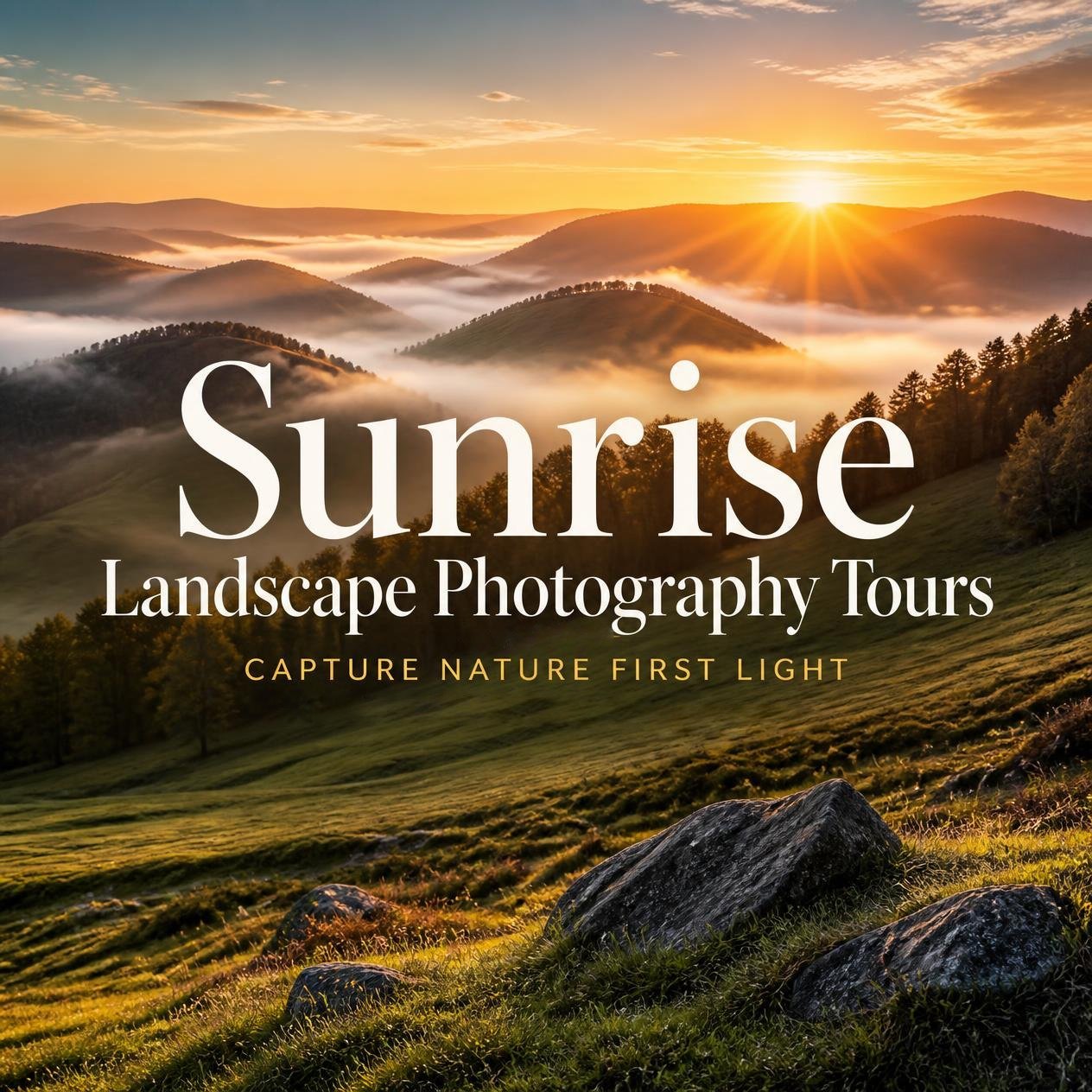
For photographers and nature lovers alike, few moments are as magical as sunrise. As the first rays of light spread across mountains, forests, lakes, and coastlines, the landscape transforms into a breathtaking canvas of color and texture. Sunrise landscape photography tours offer the perfect opportunity to witness and capture these unforgettable moments while exploring some of the world’s most scenic destinations.
Unlike standard sightseeing trips, photography-focused tours are designed around the best lighting conditions, carefully chosen viewpoints, and expert guidance. Whether you’re an experienced photographer or just beginning your photography journey, these tours provide the ideal environment to improve your skills while experiencing nature at its most peaceful.
In this guide, we’ll explore the benefits of sunrise landscape photography tours, how to prepare for your adventure, essential photography equipment, composition techniques, and practical tips for capturing nature’s first light.
What Are Sunrise Landscape Photography Tours?
Sunrise landscape photography tours are guided travel experiences that focus on photographing natural landscapes during the early morning hours. Since sunrise provides some of the softest and most dramatic natural lighting of the day, photographers gather before dawn to reach carefully selected locations before the sun appears on the horizon.
These tours often include:
- Mountain viewpoints
- Coastal landscapes
- Forest trails
- National parks
- Lakes and rivers
- Desert scenery
- Waterfalls
- Countryside locations
Many tours are led by experienced photographers who help participants improve both technical and creative photography skills.
Why Sunrise Is the Best Time for Landscape Photography
Early morning offers unique lighting conditions that cannot be replicated later in the day.
Some advantages include:
- Soft golden light
- Long natural shadows
- Rich color tones
- Calm weather conditions
- Fewer crowds
- Clearer air
- Better reflections on lakes and rivers
- Increased wildlife activity
These conditions create dramatic photographs with natural depth and atmosphere.
The Magic of Golden Hour
The period shortly after sunrise is commonly known as the Golden Hour.
During this time, sunlight appears warmer and softer, producing:
- Golden highlights
- Gentle contrasts
- Rich colors
- Natural glow
- Balanced exposure
Golden Hour allows photographers to create images with a professional and cinematic appearance.
Choosing the Perfect Photography Location
Successful sunrise photography begins with selecting the right destination.
Popular locations include:
- Mountain peaks
- Alpine meadows
- Coastal cliffs
- Lakesides
- Forest clearings
- River valleys
- National parks
- Desert dunes
Look for locations that offer open views of the eastern horizon where the sun rises.
Planning Your Sunrise Photography Tour
Preparation plays a significant role in successful landscape photography.
Before your trip:
- Check sunrise times
- Review weather forecasts
- Research photography locations
- Arrive before dawn
- Scout compositions in advance
- Pack all necessary equipment
- Dress appropriately for morning temperatures
Being ready before the first light appears gives you more time to compose your shots.
Essential Photography Equipment
The right equipment helps you capture stunning sunrise landscapes.
Camera
A DSLR or mirrorless camera offers greater control over exposure, focus, and image quality.
Shoot in RAW format whenever possible for maximum editing flexibility.
Wide-Angle Lens
Wide-angle lenses are ideal for capturing expansive landscapes, mountain ranges, lakes, and dramatic skies.
They help create a sense of scale and depth.
Tripod
A sturdy tripod is one of the most important pieces of landscape photography equipment.
It allows:
- Sharp images
- Long exposures
- Low ISO settings
- Stable compositions
Morning light can be dim before sunrise, making a tripod essential.
Extra Batteries
Cold morning temperatures may reduce battery life.
Carry spare batteries to avoid missing important moments.
Memory Cards
Bring multiple high-capacity memory cards so you never run out of storage during your tour.
Camera Settings for Sunrise Photography
While every scene is different, these settings provide a useful starting point:
- Low ISO for cleaner images
- Narrow aperture (f/8 to f/16) for greater depth of field
- Manual focus when necessary
- Tripod for stability
- RAW image format
- Exposure compensation when photographing bright skies
Take several exposures as the light changes rapidly during sunrise.
Composition Techniques
Good composition transforms an ordinary photograph into a memorable one.
Rule of Thirds
Place the horizon along the upper or lower third of the frame rather than directly in the center.
This creates a more balanced composition.
Leading Lines
Use natural elements such as:
- Rivers
- Trails
- Fences
- Shorelines
- Tree lines
Leading lines naturally guide the viewer’s eye through the image.
Foreground Interest
Include elements such as:
- Wildflowers
- Rocks
- Trees
- Reflections
- Grass
Foreground subjects create depth and make landscapes more engaging.
Natural Framing
Frame your scene using:
- Tree branches
- Rock formations
- Cave openings
- Forest paths
Natural framing draws attention toward the main subject.
Capturing Reflections
Lakes, rivers, and calm ponds become especially beautiful during sunrise.
To improve reflection photography:
- Shoot early before wind creates ripples
- Position yourself carefully
- Keep the horizon level
- Use a tripod for maximum sharpness
Mirror-like reflections often produce some of the most striking landscape photographs.
Photographing Wildlife at Sunrise
Many animals become active shortly after sunrise.
Depending on your location, you may photograph:
- Birds
- Deer
- Foxes
- Rabbits
- Butterflies
- Waterfowl
Always observe wildlife from a respectful distance without disturbing their natural behavior.
Weather Creates Dramatic Opportunities
Many photographers hope for completely clear skies, but changing weather often creates more interesting images.
Morning conditions may include:
- Mist
- Fog
- Clouds
- Rainbows
- Light rays
- Frost
- Snow
These natural elements add atmosphere and emotion to your photographs.
Dress for Early Morning Conditions
Morning temperatures can be much cooler than daytime conditions.
Wear:
- Layered clothing
- Waterproof jacket
- Hiking boots
- Warm gloves
- Hat
- Comfortable backpack
Staying warm allows you to focus on photography instead of the weather.
Respect Nature While Photographing
Responsible photography helps preserve beautiful locations for future visitors.
Follow these best practices:
- Stay on marked trails
- Avoid damaging plants
- Leave no litter behind
- Respect wildlife
- Follow park regulations
- Avoid disturbing other photographers
Protecting natural environments ensures they remain beautiful for generations.
Improve Your Photography Skills
Photography tours provide excellent learning opportunities.
Experienced guides often teach:
- Exposure techniques
- Composition methods
- Camera settings
- Lens selection
- Creative perspectives
- Post-processing tips
Learning in the field accelerates your photography development.
Benefits Beyond Photography
Sunrise landscape photography tours offer more than beautiful images.
Participants often enjoy:
- Peaceful surroundings
- Fresh morning air
- Outdoor exercise
- Stress reduction
- Greater creativity
- Mindfulness
- Meaningful travel experiences
Watching the sunrise in a beautiful natural setting is rewarding even without a camera.
Why Sunrise Photography Tours Are Growing in Popularity
Travelers increasingly seek experiences that combine creativity, adventure, and nature.
These tours have become popular because they offer:
- Unique travel experiences
- Professional photography guidance
- Scenic destinations
- Small group experiences
- Wellness-focused travel
- Eco-friendly tourism
- Opportunities to improve photography skills
- Lasting memories through stunning images
For many travelers, photographing a sunrise becomes one of the most memorable moments of their journey.
Tips for First-Time Participants
If you’re joining your first sunrise photography tour, keep these suggestions in mind:
- Arrive early to set up your equipment.
- Pack light but bring the essentials.
- Learn your camera controls before the trip.
- Be patient as lighting changes quickly.
- Experiment with different compositions.
- Take multiple shots with varying exposures.
- Enjoy the experience instead of focusing only on perfect photos.
Confidence and creativity grow with every sunrise you photograph.
Sustainable Photography Travel
Photography and conservation go hand in hand.
Support responsible tourism by:
- Choosing eco-conscious tour operators
- Respecting protected areas
- Minimizing waste
- Carrying reusable water bottles
- Supporting local communities
- Following Leave No Trace principles
Sustainable travel helps preserve the landscapes that inspire photographers around the world.
Final Thoughts
Sunrise landscape photography tours offer an unforgettable opportunity to capture nature’s first light while exploring some of the world’s most spectacular outdoor destinations. From glowing mountain peaks and peaceful lakes to mist-covered forests and dramatic coastlines, every sunrise presents a unique masterpiece waiting to be photographed.
These tours combine creativity, adventure, education, and appreciation for the natural world. Whether you’re refining your photography skills, building a professional portfolio, or simply seeking a peaceful escape into nature, sunrise photography tours provide experiences that go far beyond taking pictures.
As nature-based travel and outdoor photography continue to grow in popularity, sunrise landscape photography tours remain one of the most rewarding ways to experience the beauty of the natural world. Pack your camera, wake before dawn, and prepare to witness the unforgettable magic of the first light as it transforms ordinary landscapes into extraordinary works of art.