

 Adventure Tours
For years, travel has been sold as transformation. Change your routine. Change your pace. Change yourself. But a quieter, more sustainable idea of travel is now taking shape—one that values continuity over disruption, comfort over conquest, and ease over excess.
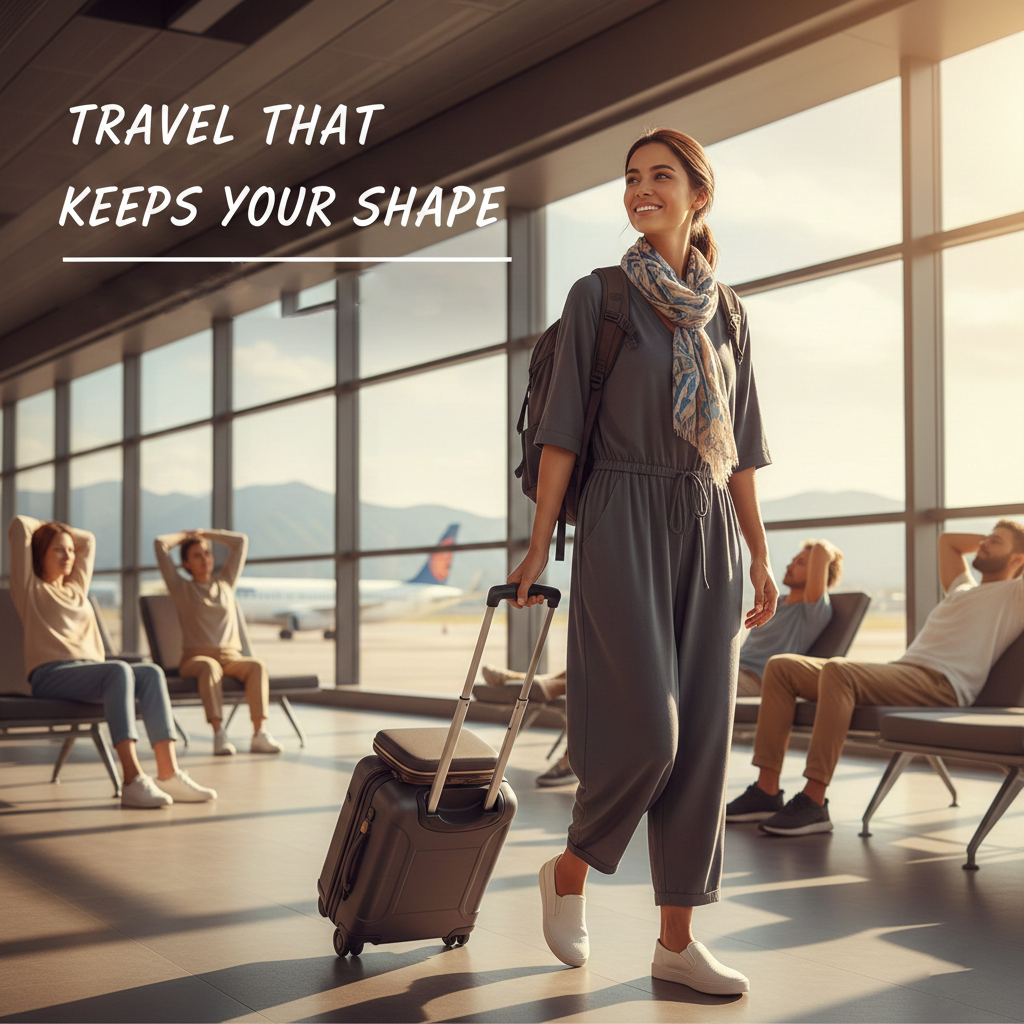
Travel that keeps your shape is not about staying the same. It is about staying intact. It allows you to move through new environments without bending yourself out of form, without overstimulation, and without returning home feeling fractured or depleted. These journeys are designed to support who you already are, not overwrite you.
What Does “Keeping Your Shape” Really Mean in Travel?
Your “shape” is not physical alone. It is your internal structure—your rhythm, energy levels, habits, emotional steadiness, and sense of self. Many traditional travel experiences distort this shape through rushed itineraries, constant novelty, social pressure, and sensory overload.
Comfortable and effortless journeys protect that internal structure. They allow:
-
Familiar routines to continue in new places
-
Energy to be conserved rather than consumed
-
Curiosity to unfold without pressure
-
Presence to replace performance
In this model, travel becomes additive rather than disruptive.
The Shift From Intensity to Ease
Modern life is already intense. Notifications, deadlines, and constant decision-making create a baseline level of strain. Travel that adds more intensity—early mornings, packed schedules, and endless “must-see” moments—often does the opposite of what people seek.
Effortless travel is a response to this reality. It prioritizes:
-
Fewer transitions
-
Longer stays
-
Gentle pacing
-
Simple logistics
The goal is not to minimize experience, but to deepen it without friction.
Comfort as a Travel Value, Not a Luxury
Comfort has often been misunderstood as indulgence. In reality, comfort is functional. It supports clarity, attention, and emotional regulation. When travelers feel comfortable, they observe more. They listen better. They remember more.
Comfortable journeys are marked by:
-
Walkable environments
-
Predictable daily rhythms
-
Rest-friendly accommodations
-
Access to nature or quiet public space
This kind of comfort doesn’t isolate you from place—it helps you enter it fully.
Effortless Movement Through Place
Effortless travel does not eliminate effort—it removes unnecessary effort. Instead of battling logistics, travelers move with intuitive flow.
This might look like:
-
Choosing destinations where daily needs are nearby
-
Using local transport that feels natural, not stressful
-
Staying in neighborhoods rather than tourist zones
-
Letting days shape themselves organically
Effortless journeys reduce cognitive load, leaving more space for awareness and enjoyment.
Places That Naturally Support Shape-Keeping Travel
Some destinations inherently support comfortable, low-friction travel because of their design, culture, or pace.
Copenhagen, Denmark
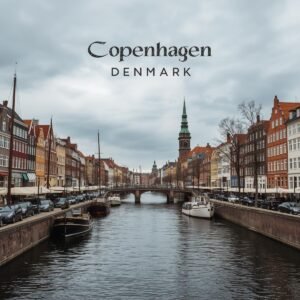
Human-scale design makes Copenhagen effortless. Cycling replaces commuting stress. Public spaces invite pause. Life flows at a pace that supports both productivity and rest.
Ljubljana, Slovenia
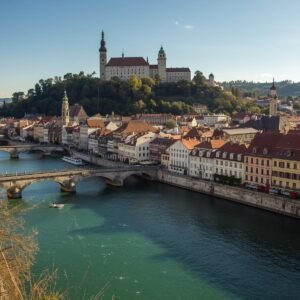
Compact, green, and calm, Ljubljana allows travelers to settle quickly. The city center feels lived-in rather than staged, making it easy to establish routine without effort.
Queenstown (Outside Peak Season), New Zealand

Surrounded by nature yet well-organized, Queenstown outside peak periods offers spaciousness without isolation. Movement between town, water, and trails feels fluid.
Freiburg, Germany
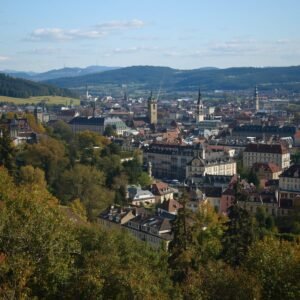
Known for sustainability and livability, Freiburg supports slow, intentional movement. Trams, bike paths, and quiet neighborhoods create continuity rather than disruption.
Travel That Adapts to You, Not the Reverse
Shape-keeping travel respects personal limits. It allows days where nothing happens—and treats those days as meaningful.
Instead of rigid schedules, these journeys use:
-
Flexible planning
-
Optional exploration
-
Rest as a valid activity
-
Repetition rather than constant novelty
Returning to the same café, walking the same route, or sitting in the same park becomes grounding rather than boring.
Why Effortless Travel Feels More Luxurious Over Time
The deeper luxury of effortless travel is not visual—it is emotional. It lies in:
-
Waking without urgency
-
Moving without anxiety
-
Ending days without exhaustion
This kind of travel leaves travelers feeling more themselves, not less. The memories formed are subtle but lasting, rooted in feeling rather than spectacle.
The Nervous System Knows the Difference
Travel that keeps your shape supports the nervous system. Reduced overstimulation, predictable environments, and space for rest allow the body to remain regulated.
This results in:
-
Better sleep while traveling
-
Lower emotional volatility
-
Clearer thinking
-
Smoother re-entry into everyday life
You don’t need recovery from the journey—because the journey supported you.
A New Definition of Exploration
Exploration no longer has to mean extremes. It can mean noticing. Listening. Being present without urgency.
Comfortable, effortless journeys redefine exploration as:
-
Depth over distance
-
Continuity over contrast
-
Integration over escape
You explore not just place—but your ability to remain steady within change.
Travel as a Continuation of Life
The most powerful aspect of shape-keeping travel is that life does not pause. Habits remain intact. Relationships continue. Identity stays whole.
You are not a different person on the journey. You are simply yourself, somewhere else.
Final Reflection
Travel that keeps your shape does not aim to impress. It aims to support. It allows you to move through the world without distortion, without depletion, and without unnecessary effort.
These journeys are not louder. They are quieter, steadier, and more humane.
And in a world that constantly demands adaptation, travel that lets you remain intact may be the most meaningful journey of all.

