

 Beach Tours
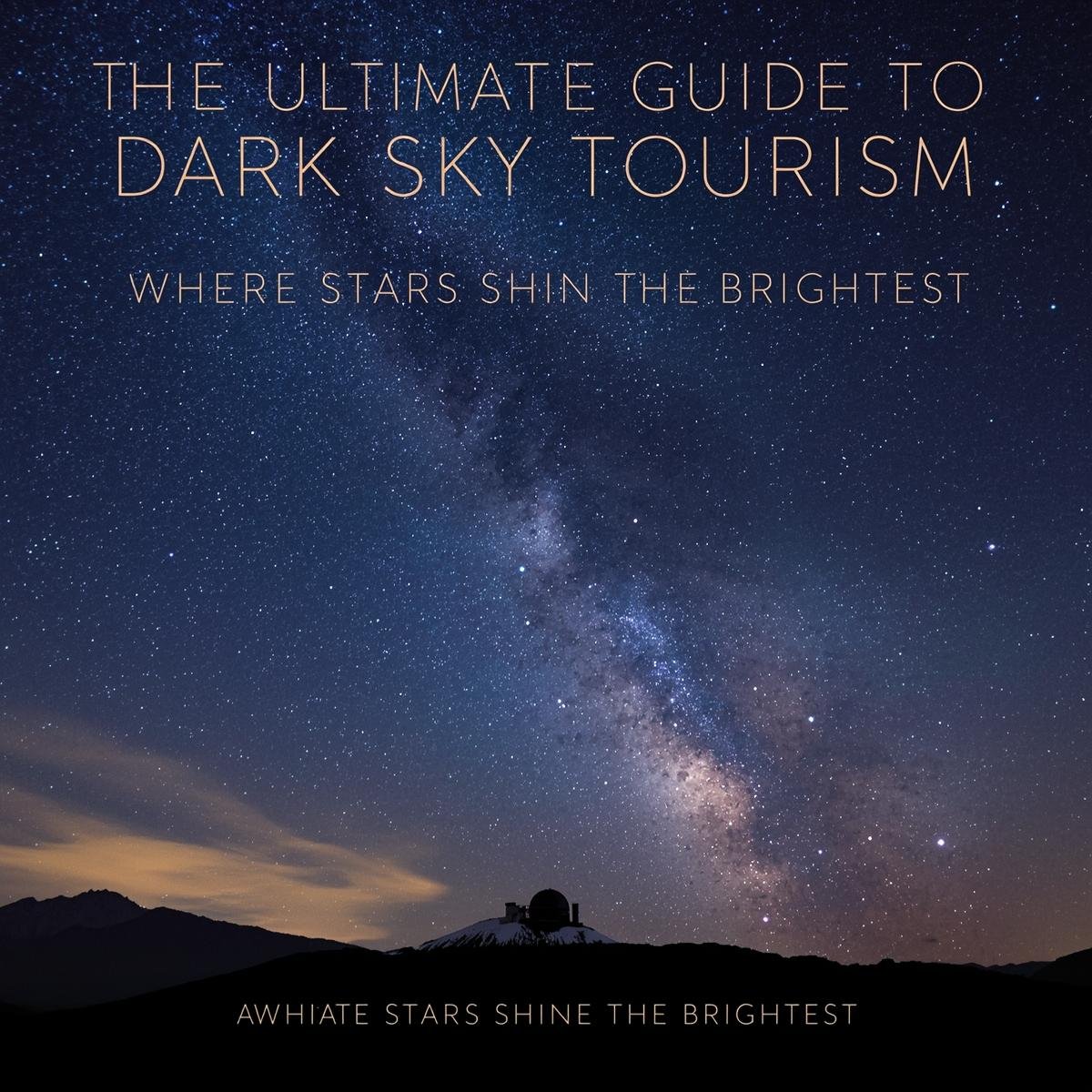
In a world illuminated by city lights and screens, many travelers are looking upward — rediscovering the beauty of a star-filled night sky. Dark sky tourism has become one of the fastest-growing travel trends of the decade, attracting adventurers, photographers, and dreamers who want to experience the universe in its natural brilliance.
This form of travel isn’t just about stargazing; it’s about reconnecting with nature, escaping digital distractions, and finding peace beneath the stars. Whether you’re an astronomy enthusiast or a curious traveler, here’s your complete guide to the best dark sky destinations, how to experience them, and why this form of travel is lighting up the tourism world in 2025.
🌌 What Is Dark Sky Tourism?
Dark sky tourism involves traveling to places with minimal light pollution to observe celestial phenomena like stars, planets, meteors, and the Milky Way. These destinations are often certified as International Dark Sky Parks or Reserves, recognized for their exceptional night sky visibility and conservation efforts.
As more cities glow brighter, the natural darkness of the night sky has become a rare treasure. Dark sky travel allows visitors to experience what ancient civilizations saw — a universe filled with light, wonder, and quiet beauty.
🌍 Why Dark Sky Tourism Is Rising in 2025
Several trends are fueling the rise of dark sky tourism:
-
Digital Detox Travel:
People are seeking destinations that allow them to unplug and reconnect with nature. Stargazing offers a meditative, screen-free escape. -
Eco-Conscious Exploration:
Many dark sky parks also promote environmental awareness, making this form of travel sustainable and educational. -
Astrophotography Boom:
With the growth of smartphone and DSLR technology, capturing breathtaking night sky images has become easier and more rewarding. -
Space Curiosity:
Renewed interest in space exploration — from Mars missions to private space travel — has inspired travelers to look upward with renewed fascination.
🌠 Top Dark Sky Destinations Around the World
Here are some of the best destinations where the stars shine brightest — from deserts to mountain peaks:
🏜️ 1. Atacama Desert, Chile
The Atacama Desert is widely considered the best stargazing destination on Earth. With its dry climate, high altitude, and almost zero light pollution, it offers crystal-clear views of the Milky Way.
The ALMA Observatory and Cerro Paranal Observatory attract astronomers from all over the world.
Why Go:
-
Over 300 cloudless nights per year
-
Home to world-leading observatories
-
Unique astro-lodges like Explora Atacama
Best Time: May to September
🏔️ 2. Aoraki Mackenzie Dark Sky Reserve, New Zealand
The Aoraki Mackenzie Reserve is a certified International Dark Sky Reserve and offers one of the southern hemisphere’s clearest night skies. With Mount Cook as a backdrop, it’s a breathtaking blend of nature and astronomy.
Why Go:
-
Stunning views of the Magellanic Clouds and Milky Way
-
Observatory tours and guided night hikes
-
Perfect for astrophotography enthusiasts
Best Time: April to October
🌄 3. NamibRand Nature Reserve, Namibia
NamibRand was Africa’s first International Dark Sky Reserve and remains one of the world’s most pristine stargazing locations. Its isolation ensures almost no artificial light, creating an ethereal stargazing experience.
Why Go:
-
Desert dunes meet starry skies
-
Eco-lodges designed for night sky viewing
-
Ideal for those seeking serenity and solitude
Best Time: May to September
🏞️ 4. Jasper National Park, Canada
Canada’s Jasper National Park offers vast mountain ranges, glacial lakes, and clear skies. It’s home to the annual Jasper Dark Sky Festival, which attracts astronomers, photographers, and travelers worldwide.
Why Go:
-
Great mix of nature, adventure, and astronomy
-
Family-friendly stargazing events
-
Easily accessible yet remote enough for clear skies
Best Time: October (festival season)
🏕️ 5. Death Valley National Park, USA
As one of the largest Gold Tier International Dark Sky Parks, Death Valley is famous for its surreal landscapes and stellar visibility. It’s one of the few places in North America where you can see the Andromeda Galaxy with the naked eye.
Why Go:
-
Some of the darkest skies in the U.S.
-
Stargazing programs by the National Park Service
-
Great spot for night-sky photography
Best Time: November to March
🏜️ 6. Wadi Rum, Jordan
Known as “The Valley of the Moon,” Wadi Rum offers a cinematic stargazing experience. The desert’s vastness and silence make it an ideal spot for those who want to combine Bedouin hospitality with cosmic views.
Why Go:
-
Stargazing under the Milky Way with traditional tea
-
Night tours with local guides
-
Often paired with Petra or Dead Sea trips
Best Time: March to May or September to November
🌋 7. Canary Islands, Spain
Tenerife and La Palma are European gems for astronomy lovers. The islands are home to Teide Observatory and Roque de los Muchachos Observatory, two of the most advanced observatories in the world.
Why Go:
-
Clear skies year-round
-
Astro-tourism facilities and guided tours
-
Excellent for both amateur and professional stargazers
Best Time: March to October
🪐 How to Plan Your Dark Sky Trip
Planning a stargazing getaway isn’t like planning a regular vacation. Here’s what to keep in mind:
🌤️ 1. Check Moon Phases
Avoid traveling during a full moon—it can outshine faint stars. The best stargazing happens during the new moon phase.
🧭 2. Use Stargazing Apps
Apps like Sky Guide, Stellarium, or Star Walk 2 help identify constellations, planets, and satellites in real time.
🏨 3. Choose Accommodation Wisely
Opt for eco-lodges or stargazing resorts that minimize artificial lighting. Some even offer open-sky domes for sleeping under the stars.
📸 4. Pack the Right Gear
Bring a tripod, DSLR camera, and wide-angle lens if you’re into astrophotography. Don’t forget warm clothes—nights can get chilly in desert or mountain areas.
💡 5. Support Dark Sky Conservation
Be a responsible traveler. Use red-light flashlights, avoid shining bright lights, and respect park regulations to help preserve night sky visibility.
🌠 The Magic of the Night Sky
Dark sky tourism offers more than just visual beauty—it’s a spiritual and emotional experience. Under a starlit canopy, travelers rediscover perspective, peace, and curiosity. For many, stargazing in silence becomes a form of meditation—a reminder of how vast and magnificent our universe truly is.
As light pollution continues to threaten natural nightscapes, each dark sky trip becomes an act of preservation. By supporting dark sky destinations, you’re helping protect the night for future generations.
✨ Final Thoughts
From the deserts of Chile to the mountain valleys of New Zealand, dark sky tourism is redefining how we experience travel. It invites us to slow down, look up, and reconnect with the cosmos.
So next time you plan your trip, skip the city lights and head where the stars still shine freely. Because sometimes, the most beautiful views aren’t found under the sun — but under the stars.


