

 Adventure Tours
Travel is often imagined as movement — forward motion, progress, distance covered. But rarely do we think about how we carry ourselves while moving. How we step. How we shift our weight. How we distribute our energy across terrain and time.
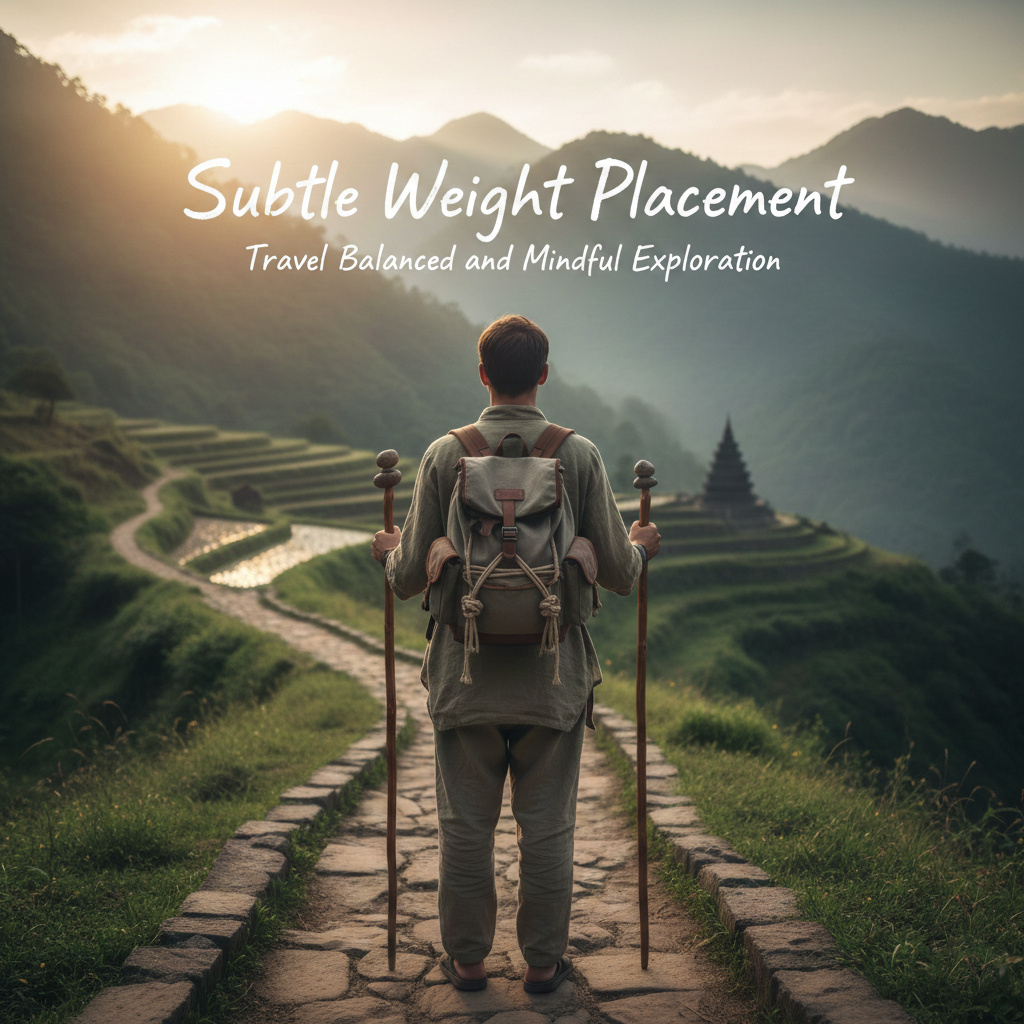
Subtle Weight Placement Travel is a philosophy rooted in balance. It is the practice of moving through places without heaviness, without urgency, and without leaving impact that outweighs presence. It asks travelers to consider not just where they go, but how they place themselves within the environments they enter.
This is travel guided by attentiveness — physically, emotionally, and environmentally.
What Does Subtle Weight Placement Mean?
On a physical level, subtle weight placement is about how we walk. When hiking uneven trails, crossing cobbled streets, or climbing ancient staircases, careful steps prevent strain and injury. The body adjusts to terrain.
On a broader level, this concept extends beyond the body. It becomes about how we place our presence in a location:
-
Do we dominate or observe?
-
Do we rush or adjust?
-
Do we extract or engage?
-
Do we overwhelm a place, or fit gently within it?
Balanced travel is not passive. It is intentional.
Learning From the Terrain
Some destinations naturally teach this lesson.
In Kyoto, Japan, temple gardens invite measured steps. Gravel paths slow movement. Moss-covered ground discourages haste. Visitors learn to walk lightly, not just out of respect, but because the environment encourages it.
In the stone alleyways of Matera, Italy, uneven surfaces demand careful footing. Rushing feels out of place. The architecture itself requires balance and patience.
In both cases, the land shapes behavior. Travelers who adapt feel more integrated into the space.
Energy Distribution Across the Day
Subtle weight placement also applies to how energy is distributed across time.
Overloading mornings with activity and collapsing by evening creates imbalance. Instead, mindful exploration spreads energy evenly:
-
A slow morning walk
-
A thoughtful midday meal
-
A quiet afternoon pause
-
Gentle evening exploration
In Ljubljana, Slovenia, the compact city center supports this rhythm. Cafés line the river, parks invite rest, and distances are manageable. The day flows rather than spikes.
Balanced travel resists extremes.
Carrying Less, Experiencing More
Weight is literal as well as metaphorical. Heavy luggage, packed schedules, and excessive expectations create pressure.
In destinations like Copenhagen, Denmark, where cycling culture dominates, travelers quickly understand the benefit of carrying only what is necessary. Movement becomes smoother. Exploration feels lighter.
Similarly, walking the coastal paths near Fife, Scotland, teaches the value of simplicity. Too much weight distracts from the wind, the sea, and the open horizon.
Lightness enhances awareness.
Environmental Balance
Subtle weight placement also refers to ecological impact. Balanced and mindful exploration considers how presence affects fragile ecosystems.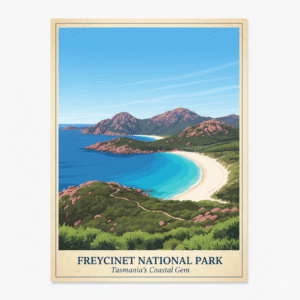
In Iceland’s Westfjords, marked trails exist for a reason. Straying can damage delicate vegetation that takes years to recover. Mindful travelers adjust their path to protect what they came to admire.
In Tasmania’s Freycinet National Park, staying on designated routes preserves both wildlife and landscape. Exploration becomes partnership rather than intrusion.
Placing weight carefully becomes an act of respect.
Emotional Footprint
Travel leaves emotional traces as well. The way we interact with locals, with fellow travelers, and with cultural spaces contributes to the atmosphere of a destination.
In Granada, Spain, moving through historic neighborhoods with attentiveness — observing rather than performing — preserves the quiet dignity of place.
In smaller villages along the shores of Lake Bled, Slovenia, mindful presence keeps the environment serene. Loudness and impatience disrupt balance.
Balanced travel includes social awareness.
The Pace of Steady Movement
Many landscapes encourage steady, grounded pacing.
The terraced hills of Ubud, Bali, guide walkers along narrow paths where quick strides feel unstable. Slow, steady steps create harmony with the terrain.
In the alpine trails of the Dolomites, Italy, careful foot placement becomes essential. The mountains reward measured effort, not impulsive speed.
Steadiness becomes a form of intelligence.
Reducing Cognitive Overload
Subtle weight placement also reduces mental burden. Over-scheduling, constant navigation, and decision fatigue create internal heaviness.
Mindful travelers counter this by:
-
Limiting daily destinations
-
Staying longer in fewer places
-
Choosing walkable neighborhoods
-
Allowing time between activities
In Amsterdam, Netherlands, canal-side wandering replaces structured sightseeing. The city’s layout encourages organic exploration rather than rigid planning.
Mental balance mirrors physical balance.
Presence Without Imposition
Balanced travel allows a place to remain itself.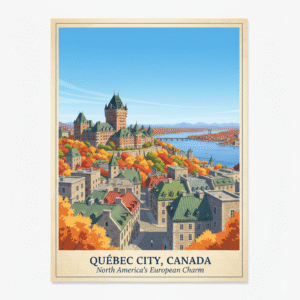
In The Cotswolds, England, small villages function as living communities. Travelers who move respectfully — shopping locally, walking gently, observing quietly — integrate rather than dominate.
Similarly, Quebec City, Canada,in the historic old town invites lingering appreciation without spectacle. Presence can be subtle and still meaningful.
Subtle weight placement recognizes that not every space is a stage.
Returning Home Balanced
Perhaps the most powerful outcome of mindful exploration is the way it feels upon return. Travel that distributes weight carefully — physically and emotionally — leaves no sharp contrast between journey and home.
There is no crash. No exhaustion. No need for recovery.
Instead, there is continuity.
Balanced travel strengthens equilibrium rather than disrupting it.
A Philosophy for Modern Movement
In a world driven by speed and spectacle, Subtle Weight Placement Travel offers an alternative. It values steadiness over intensity, presence over performance, and respect over domination.
It encourages travelers to ask:
-
How much space am I taking?
-
How quickly am I moving?
-
How deeply am I observing?
-
How lightly can I walk here?
These questions transform travel from consumption into connection.
Final Reflection
Balanced and mindful exploration is not about doing less. It is about placing yourself with care — step by step, day by day.
When weight is distributed evenly, when pace aligns with place, and when presence remains gentle, travel becomes sustainable for both traveler and terrain.
You move through the world without pressing too hard upon it.
And in return, the world holds you more steadily.

