

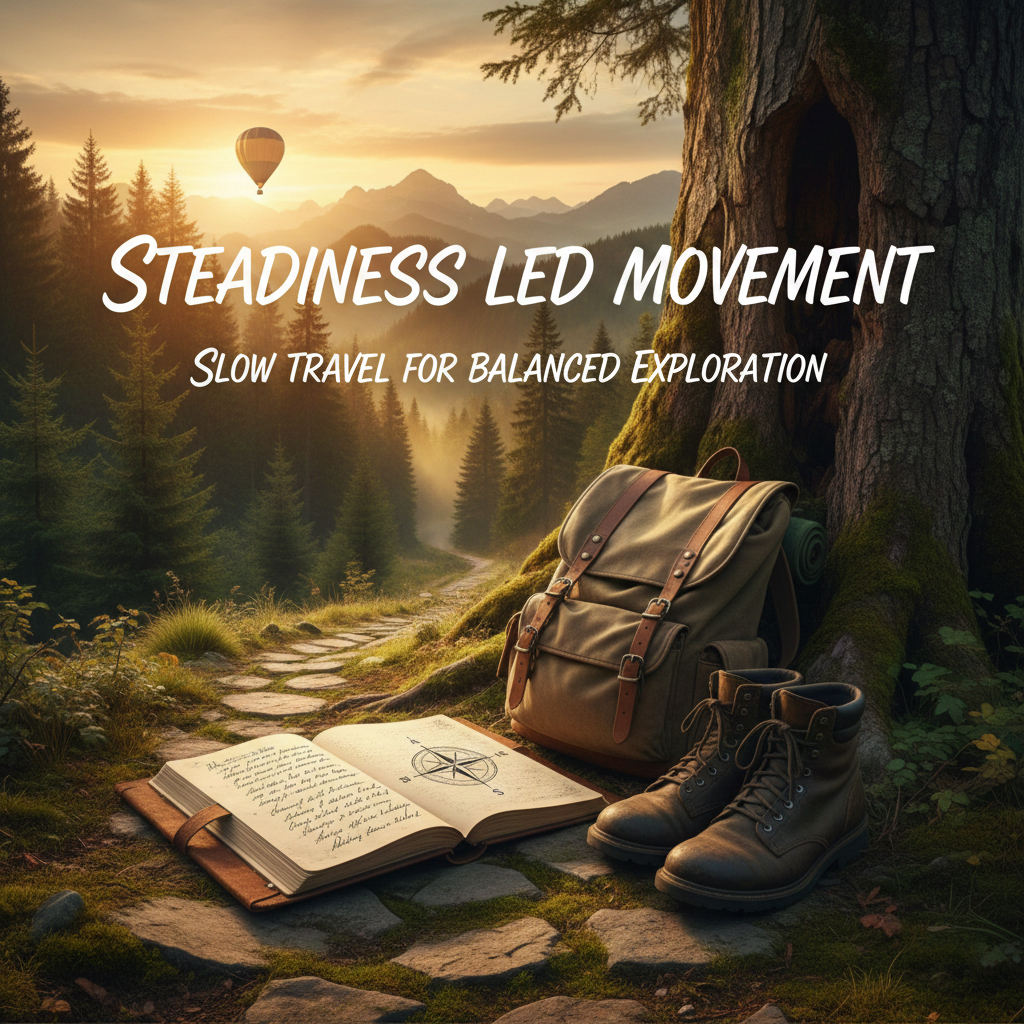
 Adventure Tours
In an age defined by acceleration, immediacy, and constant optimization, travel has begun to shift its purpose. No longer is movement measured by distance covered or attractions consumed. Instead, a growing number of travelers are embracing steadiness-led movement—a form of slow travel rooted in balance, regulation, and intentional presence.
This approach values continuity over speed, rhythm over urgency, and depth over accumulation. It allows exploration to unfold naturally, guided by the body’s pace rather than external timelines.
Understanding Steadiness-Led Movement
Steadiness-led movement is travel designed around internal balance. Rather than reacting to itineraries or expectations, the journey responds to physical energy, emotional state, and environmental cues.
Its defining principles include:
-
Consistent, moderate pacing
-
Predictable daily rhythms
-
Minimal sensory overload
-
Continuous engagement without exhaustion
The aim is not stillness, but sustainable motion—movement that nourishes rather than depletes.
Why Modern Travel Feels Unbalanced
Traditional travel often mirrors the pressures of daily life: packed schedules, constant decision-making, time scarcity, and performance anxiety. This keeps the nervous system in a heightened state, preventing true restoration.
Steadiness-led travel counters this by:
-
Removing urgency
-
Reducing cognitive load
-
Creating physical and psychological continuity
-
Supporting long-term energy balance
The result is exploration that feels grounding instead of draining.
Slow Travel as a Regulating Practice
Slow travel is not merely about moving slowly—it is about moving in proportion. Steadiness allows the body and mind to synchronize with the environment.
Balanced exploration includes:
-
Walking routes that encourage observation
-
Long stays in a single place
-
Repetition that creates familiarity
-
Gentle transitions between activities
When movement becomes predictable and rhythmic, the nervous system settles into regulation.
The Body as the Primary Compass
In steadiness-led travel, the body—not the map—sets the pace. Fatigue is honored, curiosity is followed, and rest is not postponed.
This approach involves:
-
Starting days without urgency
-
Pausing without justification
-
Ending movement before exhaustion
-
Letting energy dictate direction
Listening to the body creates trust—and trust creates balance.
Landscapes That Support Steady Exploration
Certain environments naturally encourage steadiness due to their scale, silence, and spatial openness.
Places that support balanced movement include:
-
Rolling countryside
-
Coastal walking routes
-
River valleys
-
Open plateaus
-
Forested regions with gentle trails
These landscapes invite continuity rather than conquest.
Five Destinations Ideal for Steadiness-Led Travel
Some locations naturally align with slow, balanced exploration due to culture, geography, and pace of life.
1. West Cork, Ireland
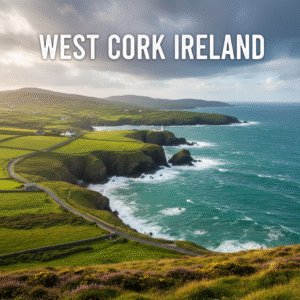
Soft coastal terrain, small towns, and expansive skies create a calm rhythm ideal for slow exploration.
2. Noto Peninula, Japan
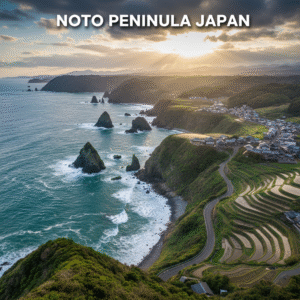
Rural villages, gentle coastlines, and traditional rhythms promote steadiness and cultural immersion.
3. Lake District Valleys, England 
Measured walking routes, reflective water bodies, and long-standing slow-living traditions support balance.
Predictable Rhythm as a Source of Freedom
Contrary to popular belief, freedom doesn’t require endless options. Steadiness-led travel uses gentle structure to create ease.
Daily rhythm may include:
-
Morning movement at the same time
-
Familiar walking routes
-
Simple meals without constant choice
-
Evenings reserved for rest or reflection
This consistency frees mental space and reduces decision fatigue.
Movement Without Achievement Pressure
Steady travel removes goals tied to distance, difficulty, or completion. There is no pressure to “finish” a route or reach a highlight.
Movement becomes:
-
Exploratory rather than competitive
-
Attentive rather than outcome-driven
-
Restorative rather than performative
The value lies in continuity, not accomplishment.
Cognitive Calm Through Repetition
Repetition is often undervalued in travel. Steadiness-led journeys embrace revisiting paths, cafés, viewpoints, and routines.
This creates:
-
Familiarity and psychological safety
-
Reduced mental scanning
-
Increased sensory awareness
-
Deeper emotional connection to place
Balance grows through repetition.
Travel That Respects Energy Cycles
Energy fluctuates daily. Steady exploration adapts without resistance.
Some days include more movement, others less. Rest days are integrated, not postponed. This flexibility within consistency protects long-term well-being.
Returning Home With Internal Balance
Unlike high-intensity travel, steadiness-led journeys don’t require recovery afterward. Travelers return regulated, not depleted.
Common outcomes include:
-
Sustained calm
-
Improved sleep
-
Greater emotional clarity
-
A slower internal pace that lasts
The journey continues inward even after returning home.
Designing a Steadiness-Led Journey
You don’t need a special destination to practice this form of travel. Design principles matter more than location.
Focus on:
-
Fewer places, longer stays
-
Walkable environments
-
Simple accommodations
-
Gentle daily routines
-
Listening to energy levels
Balance emerges through intention.
Final Thoughts
Steadiness-Led Movement: Slow Travel for Balanced Exploration offers an alternative to travel that overwhelms and exhausts. It invites us to move with care, consistency, and respect for our internal rhythms.
In choosing steadiness, travel becomes sustainable—not just for the planet, but for the self.
Because exploration doesn’t need to be fast to be meaningful.
It needs to be balanced.


