

 Adventure Tours
As global travelers grow more aware of their environmental impact, a new shift is reshaping the way we explore the world. Instead of mass tourism, crowded buses, or oversized group tours, today’s conscious travelers are opting for small-group sustainable expeditions—intimate, responsible journeys designed to protect the planet, support local communities, and offer richer, more meaningful experiences.
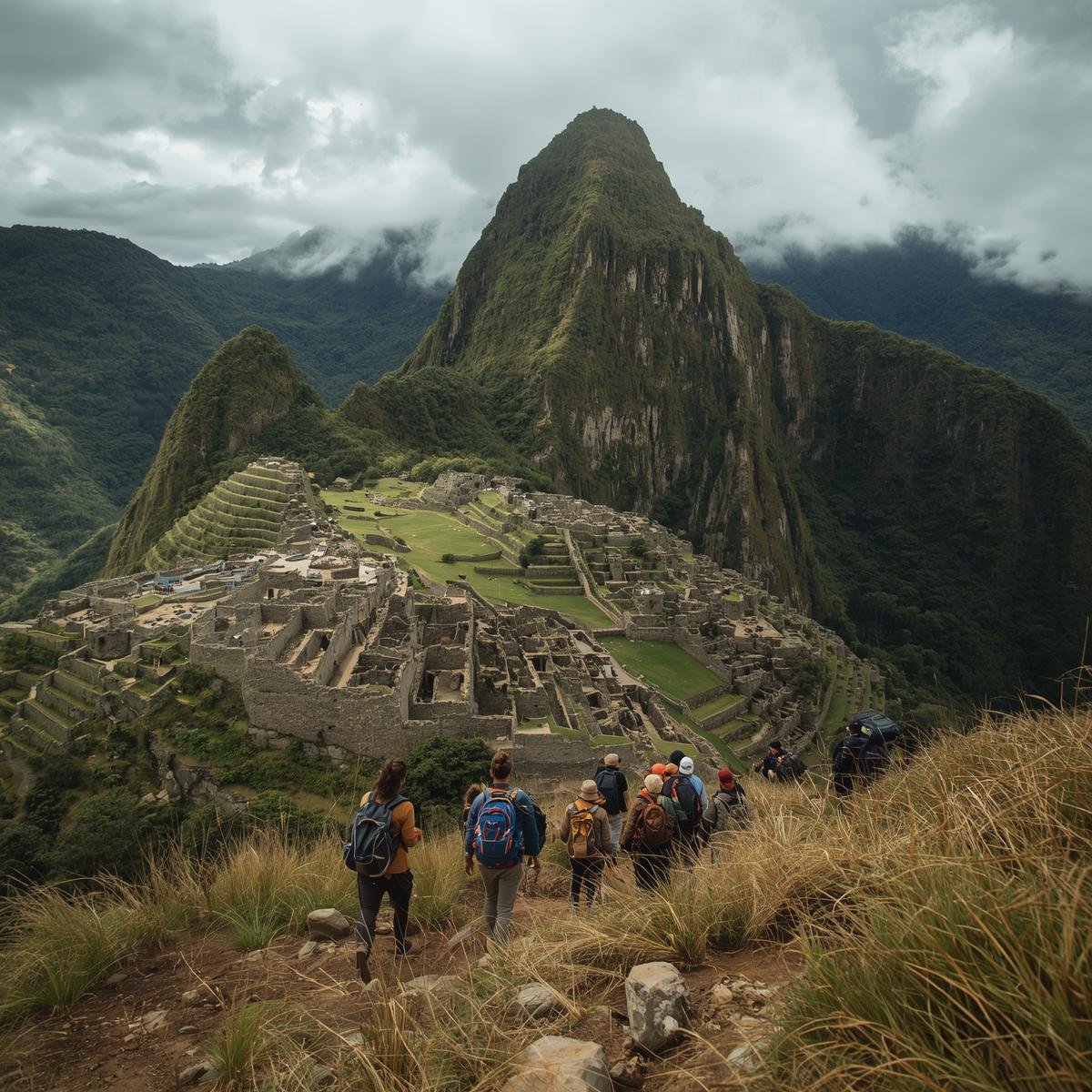
Small-group expeditions are not just another travel trend. They are a powerful response to overtourism, cultural erosion, and environmental degradation. These thoughtful trips invite travelers to slow down, immerse deeply, and engage respectfully with the landscapes and cultures they visit. Whether it’s trekking through biodiverse rainforests, exploring coastal ecosystems, or discovering ancient heritage routes with local guides, these expeditions promise a more responsible and rewarding way to experience the world.
1. The Rise of Sustainable Small-Group Travel
Over the past decade, sustainability has moved from a niche interest to a leading travel priority. Travelers are increasingly choosing adventures that minimize environmental harm and maximize positive impact. Small-group expeditions represent the ideal middle ground—big enough to create social bonds and reduce per-person travel costs, yet small enough to protect fragile destinations and maintain a low footprint.
Why travelers are embracing small-group sustainable expeditions:
-
Lower environmental impact due to fewer travelers and reduced resource use
-
Stronger connection with places and people
-
Access to remote destinations without straining local ecosystems
-
Expert-led learning with guides, scientists, historians, or conservationists
-
Contribution to community-based tourism
This growing movement signals a shift toward travel that feels purposeful, respectful, and deeply enriching.
2. What Makes an Expedition “Sustainable”?
Not all group tours are sustainable—true eco-conscious expeditions follow ethical principles at every stage, from planning and transportation to lodging and cultural engagement.
Core Elements of Sustainable Expeditions
-
Low-impact transportation, such as hiking, kayaking, biking, or eco-friendly vehicles
-
Support for local communities through homestays, local guides, and small businesses
-
Respect for wildlife with strict no-disturbance and no-contact rules
-
Waste minimization, including refillable water systems and plastic-free policies
-
Education-driven itineraries, teaching travelers about ecosystems, culture, and conservation
-
Carbon-conscious operations with offsets, reforestation efforts, or renewable energy usage
Sustainable expeditions strive to protect the environment while ensuring local communities benefit economically and culturally.
3. The Power of Small Groups: Meaningful Human Connections
One of the most transformative aspects of small-group expeditions is the sense of community and shared purpose. With group sizes often capped between 6 to 12 participants, travelers form meaningful bonds—not just with each other but with their guides and local hosts.
Benefits of Small Groups
-
More personalized experiences
-
Enhanced safety and flexibility
-
Deeper cultural immersion
-
More efficient resource use
-
Minimal disturbance to natural habitats
This intimacy creates a supportive environment where travelers can learn, reflect, and engage more thoughtfully with their surroundings.
4. Eco-Conscious Activities That Define These Expeditions
Sustainable expeditions incorporate activities that allow travelers to enjoy nature without harming it. These itineraries are carefully designed to inspire exploration while maintaining ecological integrity.
Popular Eco-Friendly Activities
-
Guided nature hikes on protected trails
-
Wildlife observation with expert naturalists
-
Kayak or canoe adventures through wetlands, mangroves, and fjords
-
Cycling tours in countryside or coastal regions
-
Snorkeling or diving with reef protection protocols
-
Community-led cultural workshops
-
Organic farm visits and sustainability demonstrations
By encouraging low-impact adventures, these expeditions ensure that landscapes remain pristine for future generations.
5. Supporting Local Communities: Travel That Gives Back
Eco-conscious travel is not only about protecting nature—it’s also about uplifting the people who call these destinations home. Small-group sustainable expeditions integrate community engagement into the heart of the journey.
Ways These Expeditions Support Local Communities
-
Hiring local guides, porters, chefs, and drivers
-
Staying in family-run lodges or homestays
-
Purchasing goods from local artisans and markets
-
Participating in hands-on cultural exchange activities
-
Contributing to community-led conservation or education projects
This community partnership ensures that tourism income stays within the local economy, helping preserve cultural traditions and strengthen resilience.
6. Wildlife Protection: Ethical Exploration of Nature
Sustainable expeditions adhere to strict wildlife interaction guidelines to ensure animals remain undisturbed and habitats remain intact.
Ethical Wildlife Guidelines Include:
-
Maintaining safe observation distances
-
Avoiding feeding or touching wildlife
-
Following established conservation protocols
-
Supporting sanctuaries that prioritize rehabilitation over entertainment
-
Choosing expeditions partnered with environmental organizations
Through responsible wildlife tourism, travelers become advocates for conservation rather than contributors to animal exploitation.
7. Choosing Eco-Friendly Lodging: Where Sustainability Meets Comfort
High-quality small-group expeditions often include eco-lodges, sustainable cabins, or tented camps designed with minimal environmental impact.
Features of Eco-Conscious Lodging
-
Renewable energy sources
-
Water conservation systems
-
Locally sourced materials
-
Zero-waste or low-waste kitchens
-
Organic food gardens
-
Limited construction footprint
-
Natural ventilation and lighting
These accommodations offer comfort while reinforcing a deeper respect for the environment.
8. Transformative Benefits of Sustainable Expeditions
Travel changes people—but sustainable travel transforms them.
Personal and Environmental Benefits
-
Greater appreciation for biodiversity
-
Higher awareness of cultural diversity
-
New environmental knowledge gained from expert guides
-
Reduced carbon footprint through responsible travel practices
-
Deep mental wellness from time spent in nature
-
A renewed sense of purpose and global responsibility
Many travelers return home inspired to live more sustainably in their everyday lives.
9. Top Destinations for Small-Group Sustainable Expeditions
While these trips occur worldwide, certain regions thrive due to their biodiversity, unique cultures, and conservation focus:
-
Patagonia, Chile & Argentina – Glacier treks and eco-lodges
-
Iceland – Volcanic landscapes and geothermal adventures
-
Costa Rica – Wildlife-rich rainforests and eco-reserves
-
Norway Fjords – Low-impact coastal exploration
-
Scotland Highlands – Hiking, rewilding projects, and heritage learning
-
Nepal – Responsible trekking with local communities
-
Greece & Azores – Marine conservation expeditions
Each destination offers rich opportunities for meaningful, ethical travel.
Conclusion: Travel With Purpose, Explore With Respect
Small-group sustainable expeditions represent the future of conscious travel. They combine adventure, education, cultural authenticity, and environmental respect to create journeys that leave a positive mark—not only on the traveler but on the world itself.
These expeditions prove that luxury isn’t about excess—it’s about intention. They offer travelers a chance to explore breathtaking landscapes, connect deeply with local cultures, and contribute to a healthier planet.
In a world seeking balance, healing, and responsible choices, eco-conscious travel is more than a trend—it’s a movement toward a better future.


