

 Adventure Tours
Travel is often defined by the sights we see — landscapes, monuments, architecture, and natural wonders. But the soul of a place lives not in what we observe, but in what we hear: its stories, its memories, its lived experiences. This is where Oral-History Exploration Journeys come alive. These journeys go beyond traditional tourism, immersing travellers in the spoken heritage of communities whose voices carry centuries of wisdom, resilience, and cultural identity.
Oral-history travel invites you to step into a world where stories are the bridges to understanding. Instead of reading a guidebook, you sit with elders who recount memories of past generations. Instead of scrolling through digital articles, you hear firsthand how rituals began, why traditions still matter, and what binds a community together. These journeys reshape the way we perceive destinations — turning them into living classrooms filled with human connection.
1. What Are Oral-History Exploration Journeys?
Oral-history journeys are immersive travel experiences centred on listening and learning. They involve meeting local storytellers, elders, cultural keepers, healers, artisans, and residents who share:
-
Personal memories
-
Family histories
-
Cultural traditions
-
Ritual significance
-
Life experiences
-
Community transformations
-
Local myths and real-life events
This form of travel brings history to life through the voices of the people who lived it — not through books or museums alone.
2. Why Oral Traditions Are a Treasure of Humanity
Before writing, before printing, before digital knowledge, the world passed wisdom through the human voice. Oral traditions were how cultures survived for thousands of years.
Why they matter:
-
They preserve identity
-
They record historical events
-
They pass on values across generations
-
They strengthen community bonds
-
They teach moral lessons
-
They protect local knowledge and worldviews
Every spoken story is a piece of a culture’s heart — vulnerable, powerful, and irreplaceable.
3. A Deeply Human Way to Travel
Oral-History Exploration Journeys are human-centric. They offer emotional richness that no tourist attraction can replicate.
Travellers experience:
🤝 Human Connection
Listening directly to people who lived the moments they describe creates empathy and understanding.
🌍 Cultural Awareness
You learn not only what a community does, but why it matters.
🧠 Perspective Shifts
Stories challenge assumptions and reveal complexities behind cultural practices.
💬 Real Conversations
Face-to-face storytelling allows for questions, reactions, and shared reflections.
❤️ Emotional Resonance
You remember stories long after the journey ends — because they touched the heart.
This is travel not just for information, but for transformation.
4. How These Journeys Work
Oral-history travel typically includes curated experiences such as:
Community Story Circles
Sit with elders under a tree, in a courtyard, or in a community gathering house as they recall events from decades past.
Home Visits with Local Families
Learn about family migrations, celebrations, challenges, and memories.
Artisan Interviews
Discover how craft traditions evolved — textiles, pottery, woodwork — and how each item carries a story.
Spiritual Story Sessions
Listen to tales of rituals, seasonal festivals, healing traditions, and ancient belief systems.
Folklore & Myth Walks
Explore sites connected to historic events, legends, ancestral stories, and cultural milestones.
Oral-Archive Encounters
Work with storytellers preserving disappearing languages and traditions.
Each interaction becomes a treasure of insight and emotional depth.
5. Why Oral-History Journeys Are Rising in Popularity
More travellers are becoming conscious explorers. They want meaningful experiences beyond sightseeing.
Key reasons for the rise:
-
A desire for authentic human connection
-
Interest in slow, mindful travel
-
Increasing awareness of endangered cultures
-
Curiosity about the world’s diverse belief systems
-
Willingness to learn directly from local voices
-
Motivation to preserve stories before they disappear
These journeys enrich travellers while giving communities a platform to share their legacy.
6. Learning Through Voices Instead of Screens
In the digital age, stories often feel shallow or rushed. Oral-history journeys slow everything down.
Instead of:
-
Googling facts
-
Watching short clips
-
Browsing travel feeds
You learn directly from the source — with emotion, nuance, and context.
Human voices teach in ways that written information cannot:
-
Tone
-
Laughter
-
Pauses
-
Tears
-
Emphasis
-
Expressions
-
Rhythm
These elements breathe life into memory and make learning deeply vivid.
7. Stories You May Encounter on These Journeys
Each destination has its own narrative world. Travellers may hear stories like:
🏹 Tales of resistance and courage
Wars, migrations, fights for freedom, and personal heroism.
🌾 Ancestral farming wisdom
Seasonal cycles, earth rituals, and nature-based survival knowledge.
💍 Marriage traditions & family legacies
Courting customs, generational bonds, and relationship stories.
🌙 Lunar legends & spiritual beliefs
Creation myths, night rituals, deities, and guardian spirits.
🎨 Artisan heritage
How craft skills were passed down from grandfather to grandson.
💧 Village transformation stories
Droughts, floods, rebuilding, and community resilience.
Each voice adds a layer to the unseen cultural landscape.
8. Ethical Travel: Respecting the Stories You Hear
Oral-history journeys require sensitivity and respect.
Travellers are encouraged to:
-
Listen without judgement
-
Ask permission before recording
-
Respect cultural boundaries
-
Avoid altering or misrepresenting stories
-
Support communities economically
-
Preserve confidentiality when asked
-
Share stories responsibly
Respect is essential — because stories are cultural property, not entertainment.
9. The Impact on Local Communities
These journeys bring several positive outcomes:
🌱 Economic support
Communities earn income by sharing knowledge rather than commodifying their environment.
📚 Preservation of storytelling traditions
Young generations witness elders being valued for their wisdom.
🛡️ Protection of intangible heritage
Stories that might disappear are recorded, honoured, and kept alive.
💙 Empowerment
Communities gain confidence in the worth of their culture.
10. Why These Journeys Stay With You Forever
Travel that touches the mind fades.
Travel that touches the heart stays.
Oral-History Exploration Journeys leave a lasting impression because:
-
You hear personal voices
-
You understand people’s joys and struggles
-
You see the world with new empathy
-
You gain cultural literacy
-
You feel part of someone else’s lived reality
These journeys make you richer in understanding, connection, and spirit.
Final Thoughts
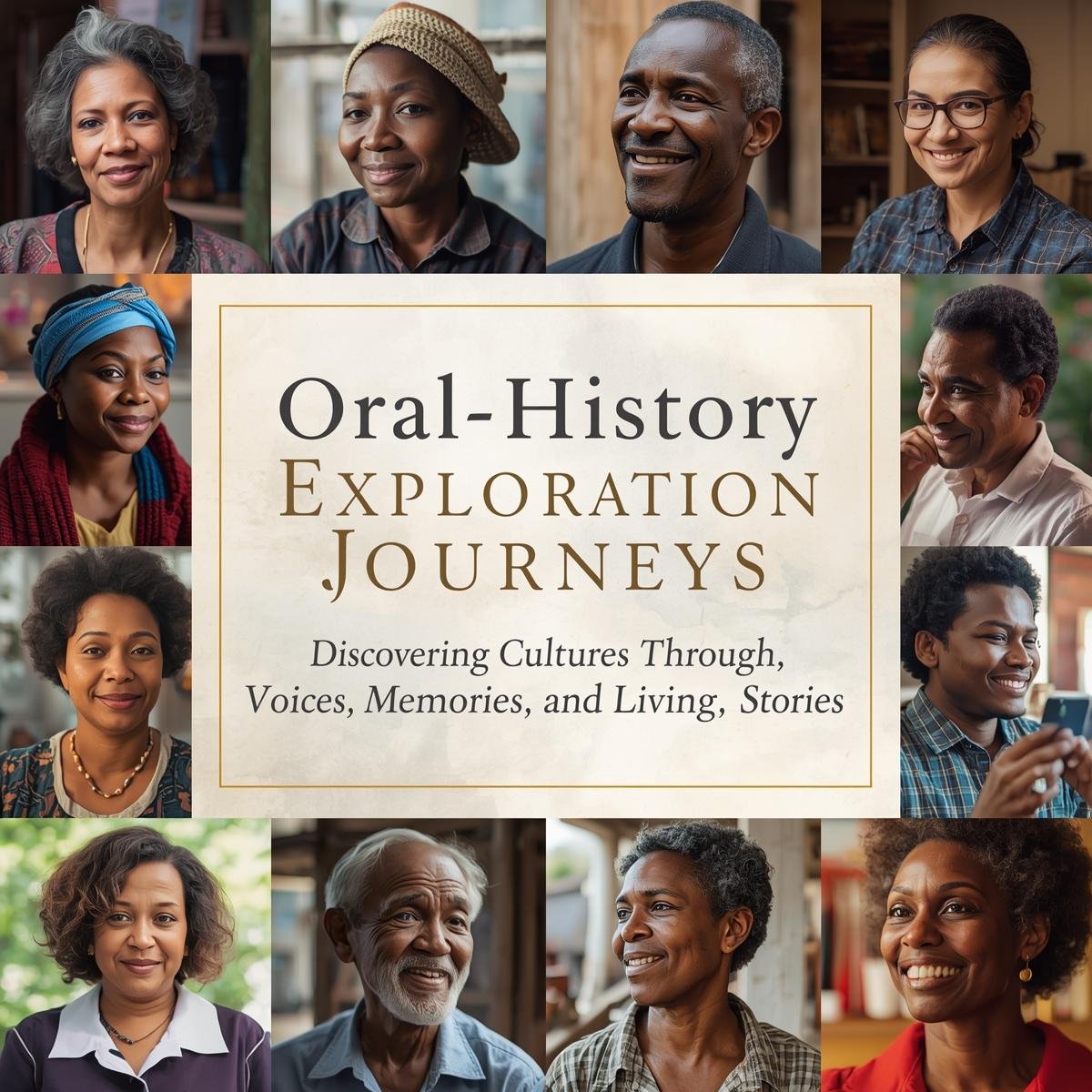
Oral-History Exploration Journeys: Discovering Cultures Through Voices, Memories, and Living Stories offer travellers one of the most profound ways to experience the world. They shift travel from observation to participation — from seeing places to understanding people.
In a time where cultures change quickly and old stories risk fading away, these journeys become bridges between generations, worlds, and lives. They preserve humanity’s greatest heritage: the spoken word, the memory of people, and the stories that shape who we are.


