

 Adventure Tours
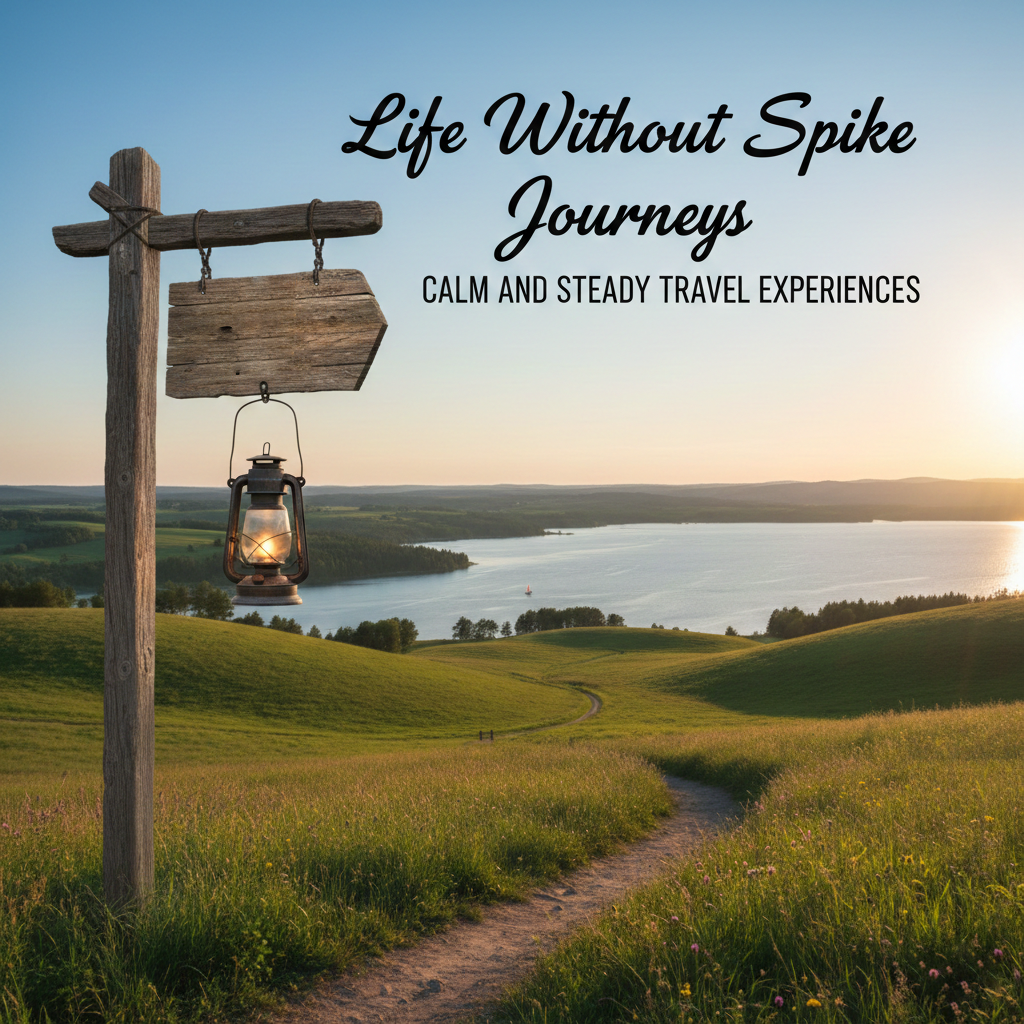
Modern travel has become obsessed with spikes — adrenaline spikes, productivity spikes, emotional spikes, and itinerary spikes. We race from landmark to landmark, compress experiences into schedules, and measure value through intensity rather than depth. But a quieter travel philosophy is emerging, one that refuses sharp peaks and sudden drops. This is the rise of Life-Without-Spike Journeys — calm, steady travel experiences designed to support balance rather than overwhelm.
These journeys are not about doing less; they are about doing gently. They are shaped for travelers who want movement without pressure, discovery without urgency, and immersion without emotional volatility. Life-Without-Spike travel does not seek to impress — it seeks to stabilize.
Understanding the Life-Without-Spike Philosophy
A “spike” is any sudden demand placed on the nervous system — tight schedules, high stimulation, constant novelty, forced excitement. Traditional tourism thrives on spikes. Life-Without-Spike Journeys intentionally remove them.
Instead, this travel philosophy prioritizes:
-
Even pacing over packed itineraries
-
Consistency over contrast
-
Grounded environments over overstimulation
-
Presence over performance
These journeys unfold at a pace that allows the body and mind to remain regulated. The result is travel that feels sustainable, restorative, and quietly transformative.
Why Calm Travel Matters More Than Ever
In a world shaped by notifications, deadlines, and constant acceleration, many travelers are already operating at a heightened baseline of stress. When travel mirrors that same intensity, it fails to provide restoration.
Calm and steady travel experiences offer something increasingly rare: emotional neutrality. Instead of chasing highs, these journeys allow travelers to settle into a stable rhythm. This steadiness helps reset the nervous system, improves focus, and restores internal balance.
Life-Without-Spike Journeys are especially appealing to:
-
Burnout-aware professionals
-
Thoughtful solo travelers
-
Creatives seeking clarity
-
Couples desiring reconnection
-
Explorers who value depth over display
What Defines a Calm and Steady Journey
Life-Without-Spike travel is shaped by intentional design choices rather than destinations alone.
1. Slow Transitions
Movement between places is gentle and unhurried. No overnight rushes, no tight connections. Time is allowed for the body to adapt.
2. Predictable Rhythms
Days follow a natural cadence — walking, resting, observing, reflecting. The traveler always knows what comes next, reducing cognitive load.
3. Low-Stimulus Environments
Quiet landscapes, open spaces, soft light, minimal crowds. These environments support calm awareness rather than constant reaction.
4. Optional Engagement
Activities are invitations, not obligations. Participation is guided by readiness rather than schedule.
Landscapes That Support Life-Without-Spike Travel
Certain places naturally lend themselves to calm, steady exploration. These landscapes are expansive, quiet, and resistant to speed.
1. Hokkado’s Rural Countryside, Japan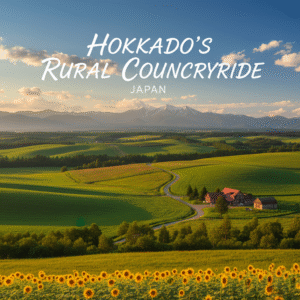
Wide fields, quiet forests, and minimal tourism infrastructure support introspective movement and sensory moderation.
2. The Outer Heabrides, Scotland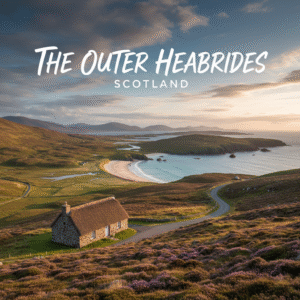
Sparse population, soft light, and long horizons make this region ideal for steady walking and reflective presence.
The Emotional Impact of Traveling Without Spikes
Life-Without-Spike Journeys don’t aim to dazzle. Their impact is quieter — and deeper.
Travelers often report:
-
A gradual release of mental tension
-
Improved sleep and digestion
-
Increased patience and emotional clarity
-
Reduced decision fatigue
-
A renewed sense of internal rhythm
Because the journey never overwhelms, the traveler remains receptive. Moments are not consumed — they are absorbed.
How These Journeys Change the Way We Remember Travel
Spiked travel produces vivid memories but often fades quickly. Calm travel integrates more deeply. Memories from Life-Without-Spike Journeys feel less like highlights and more like states of being.
You may not remember a single dramatic moment — but you remember how your breathing slowed, how your thoughts softened, how your body felt safe to settle. These memories last longer because they align with the nervous system rather than shock it.
Designing a Life-Without-Spike Journey
For travel designers and explorers alike, creating calm journeys requires restraint.
Key principles include:
-
Fewer locations, longer stays
-
Walking as the primary mode of exploration
-
Accommodations that favor quiet and simplicity
-
Flexible schedules with built-in rest
-
Landscapes chosen for openness, not intensity
Luxury in this context is not excess — it is ease.
Who Life-Without-Spike Travel Is For
This travel philosophy is not about withdrawal from the world. It is about engaging with the world in a way that does not demand constant adaptation.
Life-Without-Spike Journeys are ideal for travelers who:
-
Value sustainability of experience
-
Want travel to support well-being
-
Prefer subtlety over spectacle
-
Seek clarity rather than stimulation
-
Believe steadiness is a form of richness
The Future of Calm Travel
As awareness grows around mental health, nervous system regulation, and sustainable lifestyles, calm travel will no longer be niche. It will become essential.
Life-Without-Spike Journeys represent a shift away from travel as consumption and toward travel as co-regulation with the world. They remind us that movement does not have to be intense to be meaningful — and that steadiness itself can be transformative.
Final Reflection
Life-Without-Spike Journeys invite travelers into a gentler relationship with movement, land, and self. They remove urgency, soften edges, and replace intensity with continuity. In doing so, they redefine what it means to truly arrive.
Not every journey needs a peak.
Some journeys are meant to remain steady —
and that steadiness is where calm lives.


