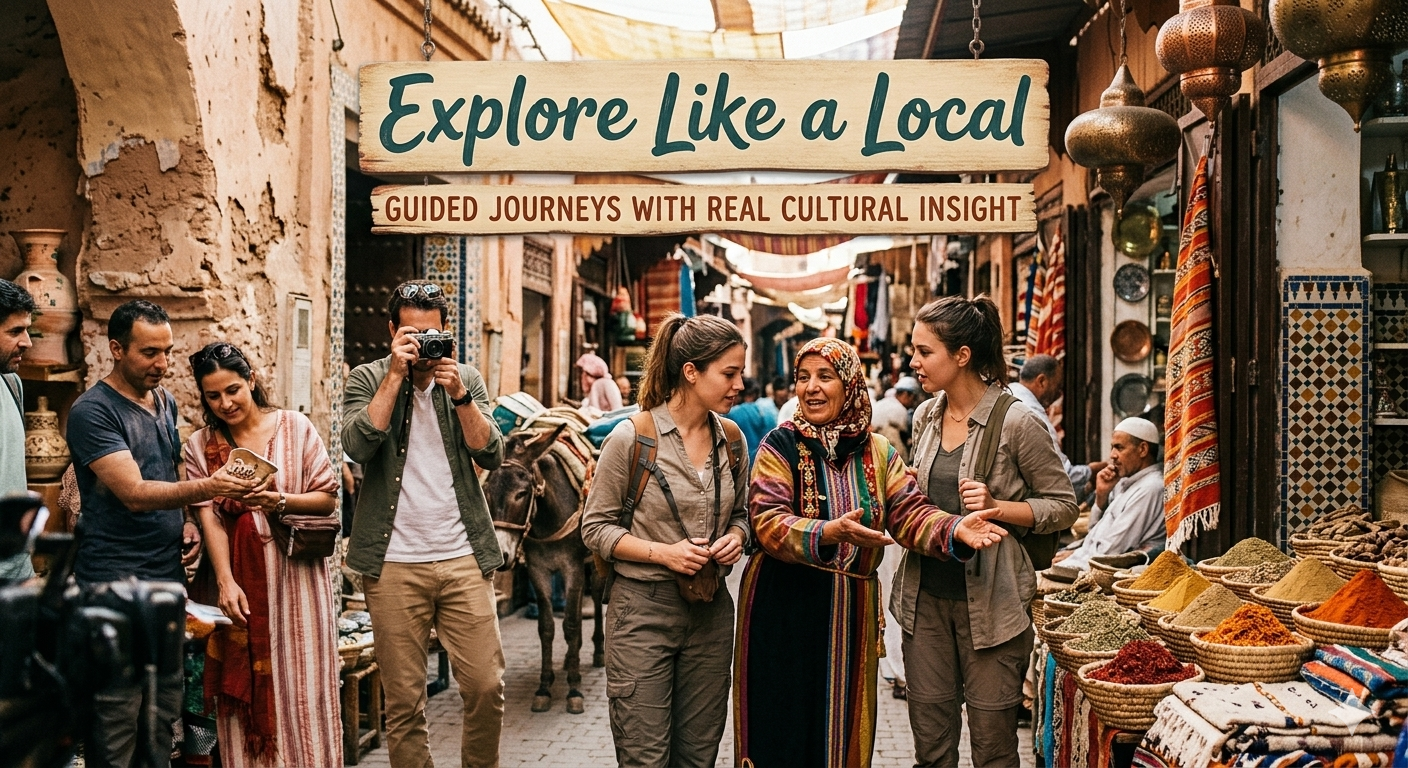
Travel today is changing. Many travelers no longer want to just visit famous landmarks or take quick photos. Instead, they want to experience places in a deeper, more meaningful way. This is where local-guided travel becomes important.
Exploring like a local means going beyond tourist attractions and discovering the real culture, traditions, and daily life of a destination. With the help of knowledgeable local guides, travelers can enjoy authentic experiences that are often hidden from regular tourists.
This type of travel creates stronger memories, deeper understanding, and a more personal connection with the places you visit.
What Does “Explore Like a Local” Mean?
To explore like a local means to experience a destination the way the people who live there do. It involves:
- Visiting local markets instead of tourist shops
- Eating traditional food at small, family-run restaurants
- Learning about daily life and customs
- Discovering hidden places not found in guidebooks
Local-guided journeys focus on authentic experiences rather than crowded tourist spots.
Instead of just seeing a place, you understand it.
The Role of Local Guides
Local guides are the heart of this type of travel. They bring knowledge, stories, and personal experiences that cannot be found online.
A local guide can:
- Share cultural traditions and history
- Introduce you to local communities
- Help you understand customs and etiquette
- Show hidden gems that tourists usually miss
Because they live in the area, they offer insights that make your journey more meaningful.
Authentic Cultural Experiences Around the World
Many destinations offer incredible opportunities to explore like a local. These places provide rich cultural experiences that go beyond sightseeing.
Marrakech Medina
In Morocco, exploring the Marrakech Medina with a local guide allows you to experience vibrant markets, traditional crafts, and local cuisine. You can walk through narrow streets, visit artisan workshops, and learn about Moroccan culture directly from the people who live there.
Kyoto
Kyoto offers a deep connection to Japanese traditions. With a local guide, you can explore quiet temples, participate in tea ceremonies, and learn about the history of geisha culture.
Instead of rushing through tourist spots, you experience the peaceful and cultural side of the city.
Istanbul
Istanbul is a city where East meets West. A local guide can take you beyond famous landmarks to explore neighborhoods, street food markets, and cultural traditions.
You can enjoy authentic Turkish food, learn about local history, and understand the daily life of people in the city.
Cusco
In Peru, Cusco is more than just a stop before Machu Picchu. With a local guide, you can explore traditional villages, learn about Incan history, and experience local festivals.
These experiences help travelers connect with the culture in a meaningful way.
Cape Town
Cape Town offers a mix of nature, culture, and history. Local-guided tours can take you into communities, markets, and cultural sites where you can learn about South African traditions and stories.
This creates a deeper understanding of the destination beyond its natural beauty.
Benefits of Local-Guided Travel
Exploring like a local offers many advantages compared to traditional tourism.
Deeper Cultural Understanding
Local guides explain traditions, history, and customs, helping travelers understand the culture more deeply.
Authentic Experiences
Instead of crowded tourist areas, you get access to real-life experiences that reflect everyday local life.
Personal Connection
Meeting local people and hearing their stories creates a strong emotional connection with the destination.
Support for Local Communities
Choosing local-guided tours helps support small businesses and communities, making tourism more sustainable.
Food as a Cultural Experience
One of the best ways to explore like a local is through food.
Local guides often take travelers to places where residents actually eat. These could be street food stalls, family-run restaurants, or traditional kitchens.
Trying local dishes allows travelers to experience culture through taste. Food tells a story about history, traditions, and lifestyle.
Respecting Local Culture
When exploring like a local, it is important to respect the culture and traditions of the place.
Travelers should:
- Follow local customs and dress codes
- Ask before taking photos of people
- Respect religious and cultural sites
- Be polite and open-minded
Respect creates positive interactions and helps build trust between travelers and local communities.
Slow Travel and Meaningful Exploration
Local-guided journeys often follow a slower pace. Instead of rushing from one place to another, travelers spend more time understanding each location.
This approach allows for:
- Better experiences
- Less stress
- More meaningful memories
Slow travel encourages travelers to focus on quality rather than quantity.
The Future of Travel
Travel is moving toward more meaningful and responsible experiences. People are looking for journeys that offer connection, learning, and authenticity.
Local-guided travel is becoming more popular because it provides all these elements.
As travelers become more aware of cultural and environmental impact, exploring like a local will continue to grow.
Conclusion
Exploring like a local transforms travel into something deeper and more meaningful. With the help of knowledgeable guides, travelers can experience real culture, traditions, and everyday life.
Whether walking through the lively streets of Marrakech Medina, discovering traditions in Kyoto, or exploring neighborhoods in Istanbul, these journeys offer more than just sightseeing.
They create understanding, connection, and lasting memories.
In a world where travel can often feel rushed and commercial, exploring like a local reminds us that the true beauty of travel lies in real experiences and genuine human connections.