

 Adventure Tours
Most travel today is designed around momentum.
Flights are booked at early hours. Schedules are tightly packed. Lists are long. Movement is constant. Even leisure becomes structured. The result is often a paradox: we travel to feel refreshed, yet we return needing recovery.
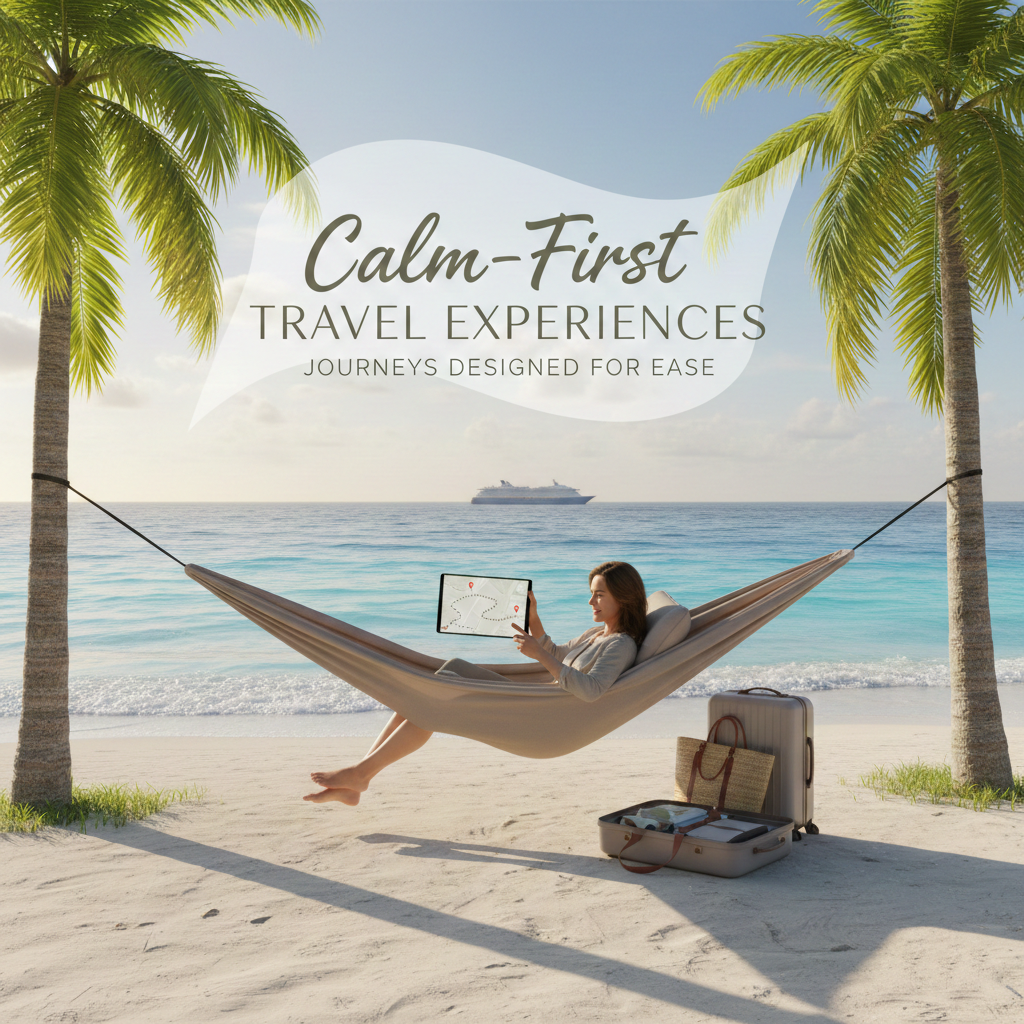
Calm First Travel Experiences offer a different beginning.
Instead of asking, “How much can we see?” they ask, “How can we feel while we move?” Ease becomes the foundation. Rest becomes part of the plan. Movement becomes measured rather than rushed.
When calm comes first, the journey unfolds differently.
Designing From the Inside Out
A calm-first journey begins with internal rhythm rather than external pressure.
It considers:
-
Natural energy levels
-
Preferred pace of movement
-
Comfort with transitions
-
Space for quiet moments
This design reduces friction before it arises.
In cities like Copenhagen, Denmark, where walkability and cycling culture encourage steady movement, calm becomes easier to sustain. Wide pavements, waterfront paths, and balanced urban design allow travelers to move without urgency.
Ease is built into the environment.
Arriving Without Overload
Arrival often sets the tone for the entire trip. Tight connections, immediate sightseeing, and packed first days create tension that lingers.
Calm-first travel softens arrival.
In Ljubljana, Slovenia, beginning with a simple riverside walk rather than structured touring allows the body to adjust. The compact centre and car-free streets naturally support gentle exploration.
In Vancouver Island, Canada, coastal landscapes invite stillness on arrival. Sitting near the water, breathing with the rhythm of the tide, can recalibrate energy more effectively than immediate activity.
Ease begins at the threshold.
Fewer Transitions, Deeper Presence
Constant movement between cities or accommodations fragments attention. Packing and unpacking disrupts continuity.
Calm-first journeys limit transitions.
Staying longer in one neighbourhood in Lisbon, Portugal reveals subtle patterns — morning light on tiled façades, the sound of trams in the distance, the quiet of side streets. Familiarity reduces cognitive load.
In The Cotswolds, England, choosing a single village as a base allows for short countryside walks without daily relocation.
Depth replaces breadth.
Morning Without Pressure
The way a day begins shapes how it unfolds.
Calm-first travel avoids rigid early alarms whenever possible. It allows mornings to open slowly.
In Granada, Spain, early light filtering into a quiet plaza invites gentle awakening. A long breakfast sets steady rhythm.
In Lake Bled, Slovenia, mist lifting off the water at dawn offers a natural invitation to move slowly rather than rush toward activities.
When mornings are unforced, the nervous system remains regulated.
Nature as a Guide to Pace
Natural landscapes often teach calm instinctively.
On the cliffs near Fife, Scotland, wind and sea dictate rhythm. Walking becomes steady and grounded. Breath aligns with the elements.
In the rice terraces of Ubud, Bali, narrow paths require attentiveness. Quick movement feels unnatural. Slowness becomes intuitive.
In remote regions like Iceland’s Westfjords, vast open spaces quiet internal noise. Silence feels expansive rather than empty.
When nature sets the tempo, calm follows.
Rest as an Integrated Element
Rest is often treated as a break from travel rather than a component of it.
Calm-first experiences integrate rest intentionally:
-
Midday pauses
-
Unscheduled afternoons
-
Early evenings
-
Device-free intervals
In Amsterdam, Netherlands, sitting beside canals without agenda becomes part of exploration.
In small cafés in Quebec City, Canada, lingering over warm drinks allows time to stretch rather than compress.
Rest strengthens the journey rather than interrupting it.
Reducing Decision Fatigue
Too many options create subtle stress. Deciding where to eat, what to see next, how to navigate — these micro-decisions accumulate.
Calm-first travel simplifies choices:
-
Select fewer landmarks
-
Choose walkable areas
-
Reserve only what is essential
-
Leave space between activities
In Florence, Italy, instead of attempting every gallery, focusing on one meaningful visit allows the rest of the day to unfold naturally.
Clarity reduces mental clutter.
Traveling in Emotional Balance
Calm-first design also supports emotional steadiness.
Unexpected delays, weather changes, or altered plans feel less disruptive when the schedule contains space.
In Copenhagen, rain becomes an opportunity for museum visits or café pauses rather than frustration.
In Ljubljana, a quiet afternoon indoors during a storm can feel restorative rather than disappointing.
When the journey is not tightly packed, flexibility becomes easier.
Shared Ease in Fellowship
Calm-first travel benefits shared journeys as well. Without constant activity, companions feel less pressure to agree on every detail.
Walking together in The Cotswolds, sitting quietly in Granada, or cycling gently through Copenhagen allows connection to develop without intensity.
Ease fosters patience. Patience strengthens fellowship.
Returning Home Regulated
One of the clearest signs of a calm-first journey is how you feel upon returning.
Instead of exhaustion, there is steadiness. Instead of overstimulation, there is clarity.
The body does not need recovery because it was never pushed beyond rhythm.
Calm carries forward into daily life.
Redefining What Makes Travel Meaningful
Calm-first travel challenges the assumption that more is better.
It suggests that:
-
One meaningful conversation outweighs multiple rushed interactions.
-
One deeply observed landscape outweighs a series of brief viewpoints.
-
One slow morning outweighs a tightly packed schedule.
Meaning grows in spaciousness.
A Softer Way to Explore
Journeys designed for ease are not lacking ambition. They are intentional about sustainability — physical, emotional, and environmental.
They honour natural energy cycles.
They respect the nervous system.
They allow places to remain themselves.
Calm becomes the starting point rather than the reward at the end.
Final Reflection
Calm First Travel Experiences reshape the purpose of movement. Instead of escaping life only to create new forms of stress, they integrate rest and rhythm into exploration itself.
When ease guides design, time feels generous. Landscapes feel deeper. Relationships feel lighter.
You do not rush toward arrival.
You inhabit the path.
You return not depleted, but balanced.
And in that balance, travel fulfills its quiet promise — not to overwhelm, but to restore.

