

 Adventure Tours
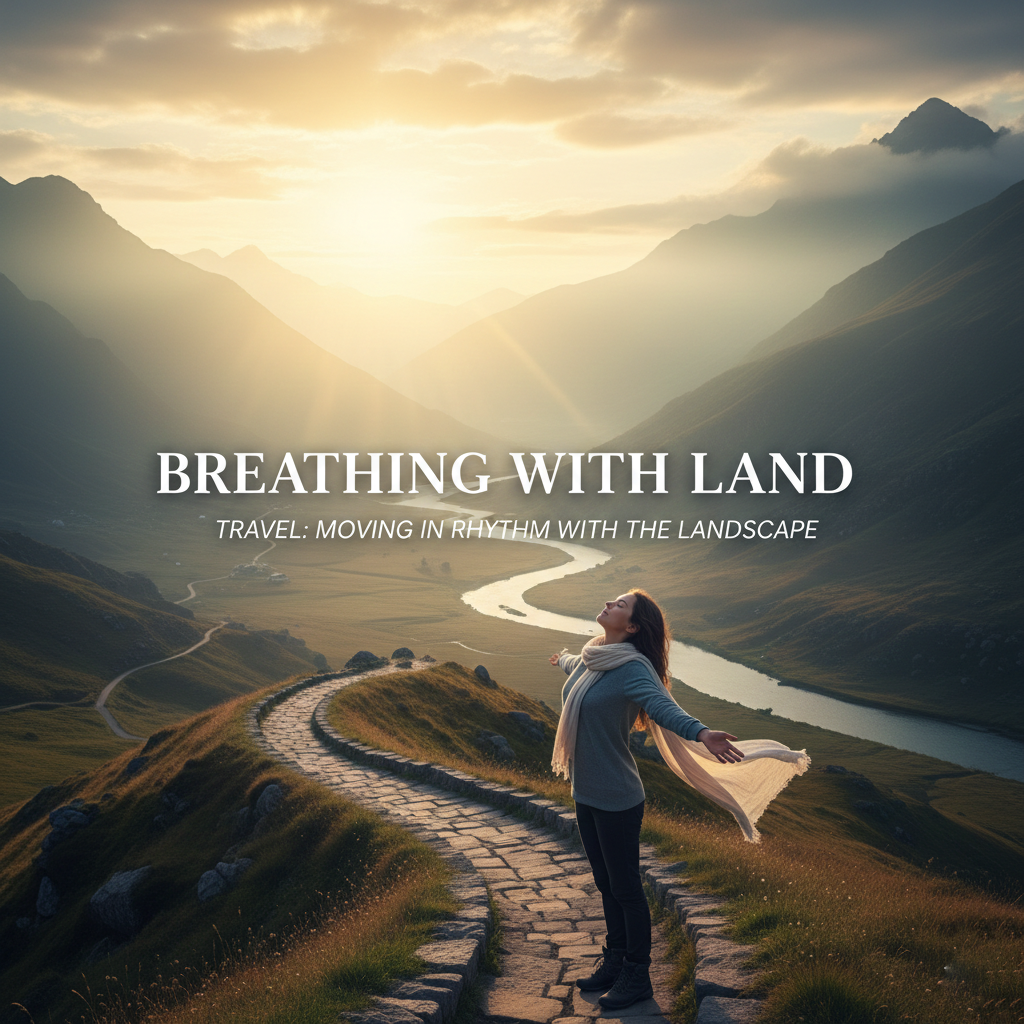
Not all travel is about covering distance. Some journeys ask us to slow down enough to sense the land itself—to notice its pauses, its accelerations, its subtle shifts. Breathing with land travel is a way of moving that mirrors the natural rhythms of terrain, climate, and place. It is not about imposing direction, but about listening first and responding second.
In this approach, travel becomes a conversation rather than a conquest.
What Does It Mean to Breathe With the Land?
Breathing with the land is both literal and metaphorical. It means adjusting movement to match environmental cues—light, weather, terrain, and energy.
This style of travel involves:
-
Moving slower in expansive or silent spaces
-
Pausing when the landscape tightens or changes
-
Allowing weather to influence pace
-
Accepting rest as part of the journey
Rather than forcing progress, the traveler synchronizes with what the land allows.
Land as a Living System
Every landscape has a rhythm. Rivers pulse. Forests inhale moisture. Deserts expand and contract with temperature. Mountains impose their own pace through altitude and effort.
Breathing with land travel recognizes:
-
That terrain dictates tempo
-
That resistance often signals rest
-
That ease suggests movement
The land becomes a guide, not a backdrop.
Five Places Where Rhythm Shapes Movement
Some environments naturally encourage this responsive style of travel:
-
The Okavngo Delta, Botswana –
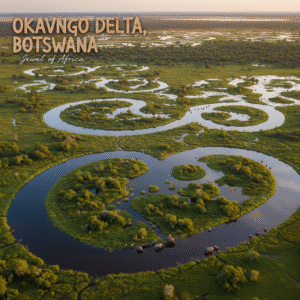 Seasonal flooding determines when and how one can move, requiring travelers to adapt to water’s rhythm.
 -
Wadi Rum, Jordan –
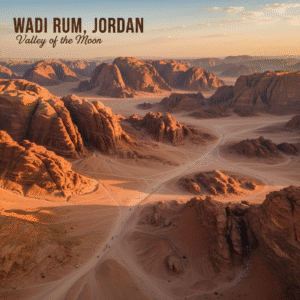 Desert temperatures and wind patterns dictate early movement and midday stillness.
 -
The Mekong River Basin, Laos –
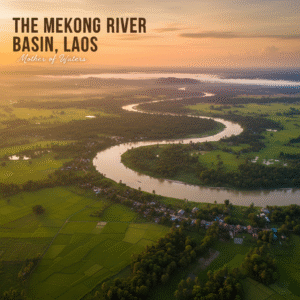 River flow governs travel speed, direction, and daily structure.
These places reward attentiveness rather than control.
Movement as Dialogue, Not Direction
Traditional travel prioritizes routes and schedules. Breathing-with-land travel prioritizes responsiveness.
Movement becomes:
-
A reaction to terrain
-
A response to fatigue
-
A decision shaped by environment
-
A negotiation with natural forces
This creates journeys that feel organic rather than engineered.
Why Slowness Is Not Delay
Slowing down in rhythm with the land is not inefficiency—it is alignment.
When travelers slow:
-
Sensory awareness increases
-
Physical strain decreases
-
Emotional clarity improves
-
Respect for place deepens
Slowness allows the land to speak before the traveler acts.
The Role of Breath and Body Awareness
Breathing with the land begins with literal breath. Conscious breathing aligns the body with surroundings.
Travelers often notice:
-
Breathing slows in open spaces
-
Breath shortens at altitude
-
Rhythm changes in heat or humidity
These physiological responses are cues—signals to adjust movement accordingly.
Weather as Instruction
Rather than treating weather as an obstacle, land-led travel sees it as guidance.
Rain may suggest pause.
Wind may redirect routes.
Heat may call for rest.
Cold may compress distance.
Weather becomes an active participant in the journey.
Letting Go of Mastery
Breathing-with-land travel requires humility. It rejects the idea that places should conform to human plans.
This humility leads to:
-
Reduced frustration
-
Greater adaptability
-
Deeper trust in uncertainty
-
More meaningful engagement
Control gives way to cooperation.
Emotional Effects of Rhythmic Travel
Travelers who move in sync with landscapes often experience:
-
Reduced anxiety
-
Heightened presence
-
Emotional grounding
-
A sense of belonging
These effects emerge gradually, through repetition and attentiveness.
Cultural Parallels in Land-Led Movement
Many indigenous and traditional cultures travel in rhythm with land cycles—seasonal migration, water levels, and climate patterns.
These traditions teach:
-
Movement without domination
-
Respect without ownership
-
Presence without permanence
Breathing-with-land travel echoes this ancient wisdom.
Minimal Planning, Maximum Awareness
This style of travel favors:
-
Flexible itineraries
-
Broad time windows
-
Fewer fixed objectives
Planning becomes a framework rather than a script.
Why This Travel Philosophy Matters Now
As climate shifts and landscapes change, rigid travel becomes increasingly unsustainable. Breathing-with-land travel encourages adaptability and respect—qualities essential for future exploration.
It attracts travelers who:
-
Value awareness over accumulation
-
Prefer connection over consumption
-
Seek journeys that feel reciprocal
This is travel shaped by listening, not insisting.
Final Reflection
Breathing With Land Travel: Moving in Rhythm With the Landscape redefines movement as a shared experience between traveler and terrain.
When we match our pace to the land’s rhythm, journeys unfold naturally. Distance becomes secondary. Presence becomes primary.
In breathing with the land, we remember that travel is not something we do to a place.
It is something we do with it.
And in that shared rhythm, movement becomes meaning.


