

 Adventure Tours
Most travel plans are built around destinations. Flights, trains, itineraries, reservations. Rarely are they built around breath.
Yet breath is the most constant rhythm we carry. It sets pace. It reflects emotion. It reveals stress before the mind fully registers it. When breath is shallow, travel feels hurried. When breath is steady, movement becomes grounded.
Breath Aligned Movement is a travel philosophy that begins with the body rather than the schedule. It invites you to explore the world in tune with your own physical rhythms — walking, resting, and observing at a pace guided by inhalation and exhalation rather than obligation.
It is not about slowing down for the sake of trend. It is about alignment.
Starting With Awareness
Before destinations, before logistics, there is awareness.
Notice your breathing as you arrive somewhere new. Is it tight? Quick? Elevated from rushing through transit? Many of us reach beautiful places already carrying tension.
In Kyoto, Japan, temple entrances often mark a subtle threshold. Stepping onto gravel paths naturally slows footsteps. The quiet encourages deeper breathing. The body begins to recalibrate.
In coastal areas of Vancouver Island, Canada, the rhythm of waves provides an external metronome. Breath synchronizes with the tide. Inhale as the water approaches. Exhale as it retreats.
Alignment begins when we pay attention.
Walking at the Pace of Breath
Breath-aligned movement often expresses itself through walking. Instead of moving to reach the next landmark quickly, you move at a pace that allows comfortable, steady breathing.
In the old town of Ljubljana, Slovenia, compact streets and pedestrian zones make this easy. Walking slowly does not feel disruptive. The city accommodates gentler rhythms.
Along the canals of Amsterdam, Netherlands, drifting beside water encourages even steps. There is no need to hurry. Bridges rise gradually. The environment supports balance.
When breath sets the pace, fatigue decreases. Awareness increases.
Letting Terrain Shape Rhythm
Different landscapes ask different things of the body.
On the cliffs near Fife, Scotland, wind and uneven paths require steady footing. Rushing leads to strain. Breath deepens naturally to support balance.
In the rice terraces of Ubud, Bali, narrow paths and humidity encourage slower movement. Quick strides feel unsustainable. The body adjusts, and breath guides effort.
Even in urban settings like Lisbon, Portugal, steep hills gently dictate pace. Climbing with conscious breathing prevents exhaustion and transforms ascent into mindfulness.
When terrain shapes rhythm, you cooperate rather than compete.
Rest as Continuation, Not Interruption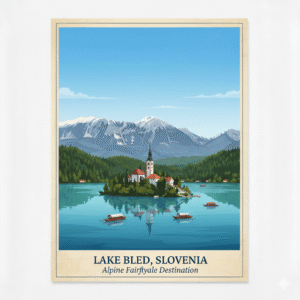
Breath-aligned travel recognizes rest as part of movement, not a pause from it.
Sitting in a quiet square in Granada, Spain, feeling air move through shaded streets, can be as meaningful as touring monuments. The breath slows. Muscles soften.
In Lake Bled, Slovenia, resting by the water while watching light shift across the lake allows breath to lengthen naturally. The experience deepens without physical exertion.
Rest integrates the journey into the body. It prevents accumulation of hidden tension.
Reducing the Rush Reflex
Modern travel culture often triggers a “rush reflex” — the instinct to maximize every moment. This reflex shortens breath, tightens shoulders, and elevates heart rate.
Breath-aligned movement interrupts that cycle.
In the countryside of The Cotswolds, England, walking between villages encourages steady pacing. Distances are manageable. Scenery unfolds gradually. There is little incentive to hurry.
In Copenhagen, Denmark, cycling at a moderate pace rather than racing through streets aligns breath with motion. Movement feels fluid instead of frantic.
When breath remains steady, the nervous system stays regulated. Travel becomes restorative rather than depleting.
Eating and Breathing in Harmony
Alignment extends beyond walking. Meals influence rhythm as well.
Long lunches in Umbria, Italy, naturally slow breathing. Conversation stretches between bites. Time expands.
In small cafés in Quebec City, Canada, warm interiors and unhurried service create space to sit fully in the moment. Eating becomes nourishment rather than refueling.
When breath is steady during meals, digestion improves, and the body remains balanced for continued exploration.
Emotional Regulation Through Breath
Travel can surface unexpected emotions — excitement, disorientation, vulnerability. Breath offers a steady anchor.
In remote regions like Iceland’s Westfjords, vast landscapes can feel overwhelming. Pausing to breathe deeply while overlooking cliffs or open sea grounds the experience.
In dense historic quarters of Florence, Italy, stepping aside into a quieter street to take several slow breaths recalibrates sensory overload.
Breath becomes a bridge between environment and internal stability.
Digital Boundaries and Natural Rhythm
Constant phone use fragments breath. Quick glances at screens shorten inhalation and create subtle tension.
Breath-aligned travel encourages intentional digital pauses.
In the quiet gardens of Kyoto or along forest trails on Vancouver Island, placing devices away allows attention to settle fully into surroundings. Breath deepens when distraction lessens.
Presence expands.
Traveling With Others in Sync
Breath-aligned movement can also shape shared travel. Walking side by side, matching pace naturally rather than competitively, fosters connection.
In Amsterdam or Ljubljana, companions can drift without pressure, adjusting stride intuitively. When no one rushes ahead, conversation flows more easily.
Shared breathing patterns often emerge unconsciously in calm environments. This subtle synchronization strengthens fellowship.
Returning Home Regulated
Perhaps the greatest gift of traveling in tune with your body is how you feel afterward.
Trips driven by urgency often require recovery. Breath-aligned journeys do not shock the system. They maintain equilibrium.
You return home:
-
Less fatigued
-
More grounded
-
More aware of your physical rhythms
-
More capable of sustaining calm
The alignment continues beyond the journey.
A Practice, Not a Technique
Breath Aligned Movement is not a rigid method. It is a practice of awareness. It asks simple questions:
-
Is my breathing steady?
-
Am I rushing unnecessarily?
-
Does this pace feel sustainable?
-
What would happen if I slowed slightly?
Travel becomes less about conquering distance and more about inhabiting space.
Final Reflection
Traveling in tune with your body transforms movement into mindfulness. Breath becomes compass and companion. Steps align with inhalation. Pauses align with exhalation.
When breath guides the journey, places feel deeper, conversations feel fuller, and time feels generous.
You no longer move through destinations disconnected from yourself.
You move in rhythm — steady, aware, and fully present.

